Spoiler: no, but you can lose fat and build muscle at the same time.
The holidays are almost here. That means Thanksgiving plates, office parties around the Irvine Business Complex, skating at the Irvine Spectrum, and a fridge full of leftovers. It also means a lot of people in Irvine start making the same plan: "I'll enjoy the holidays, then turn the extra fat into muscle in January." Coach Chris, better known around the gym as Mr. Hideout, hears it every year, and his answer is simple: “You cannot turn fat into muscle.” But once you understand how fat and muscle actually work, you can build a plan that holds up before, during, and after the holidays.
Can Fat Really Turn Into Muscle?
Let’s clear this one up first, because it’s one of those fitness myths that won’t die. No, fat cannot turn into muscle.
“They’re two different tissues,” Chris explains. “Fat doesn’t transform into muscle any more than muscle turns into fat when you stop lifting.” Fat tissue stores energy for later. Lean muscle moves you, lifts things, and burns energy even while you rest. They’re made of different cells with different jobs, and no workout, supplement, or wrap can change one into the other.
Chris broke it down in a recent Reel. Give it a watch:
In fact, a well-known study published in Nature found that adults keep roughly the same number of fat cells even after major weight loss. The cells simply shrink as your body uses up the fat stored inside them. They don’t turn into muscle, they just get smaller.
It works the same way in reverse. If you take a few months off, your muscle doesn’t “turn to fat.” You may lose some muscle and gain some fat at the same time, which makes it look that way, but it’s really two separate changes happening side by side.
What Actually Happens: Body Recomposition
Here’s what CAN happen. You can lose body fat while building muscle during the same stretch of time. That’s called body recomposition, or “recomp” for short.
“Your body uses stored fat for energy,” Chris says. “Your muscles grow in response to resistance training, supported by protein and recovery.” So two things are happening at once:
- Fat shrinks. Your body burns stored fat for fuel when you eat slightly less than you burn.
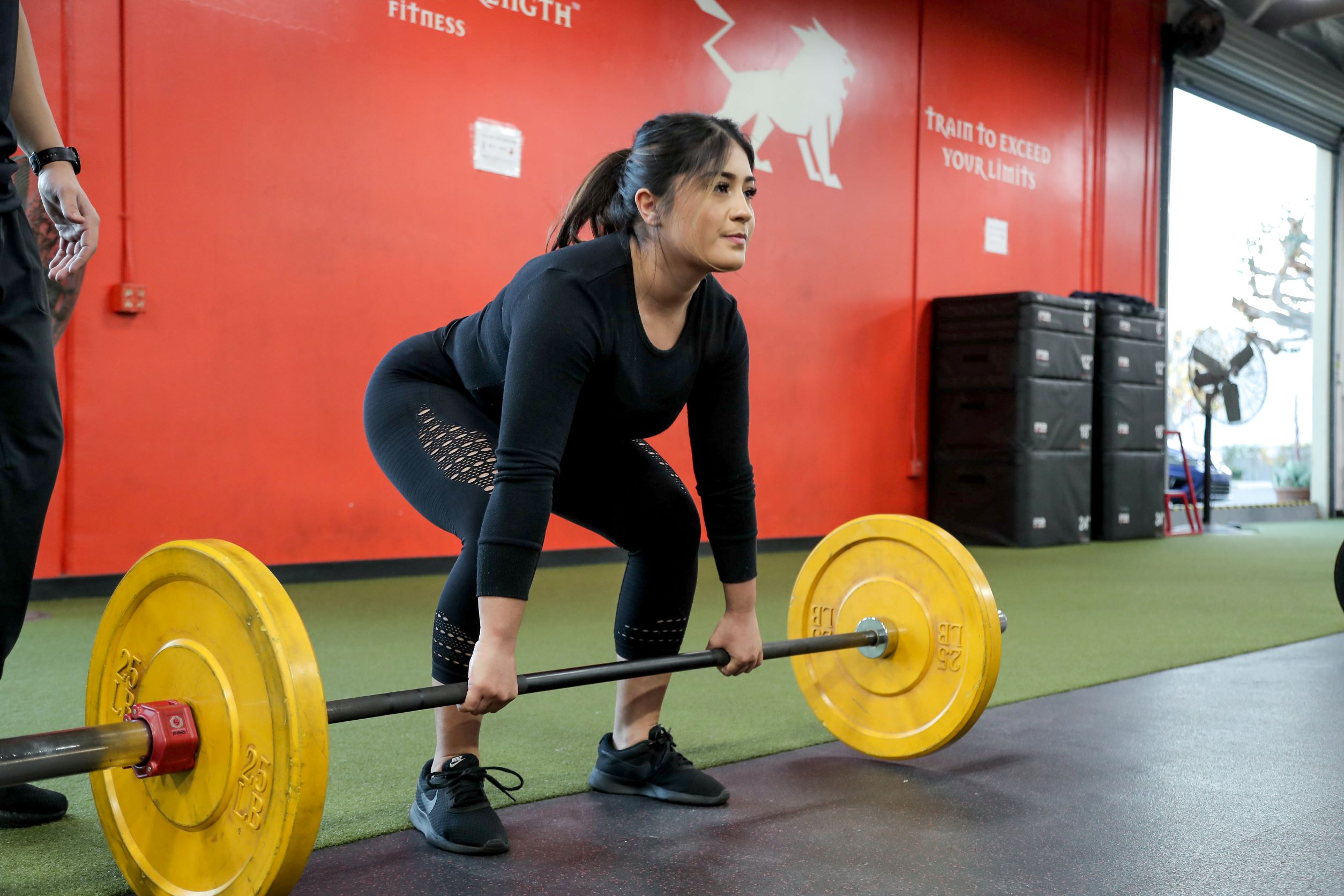
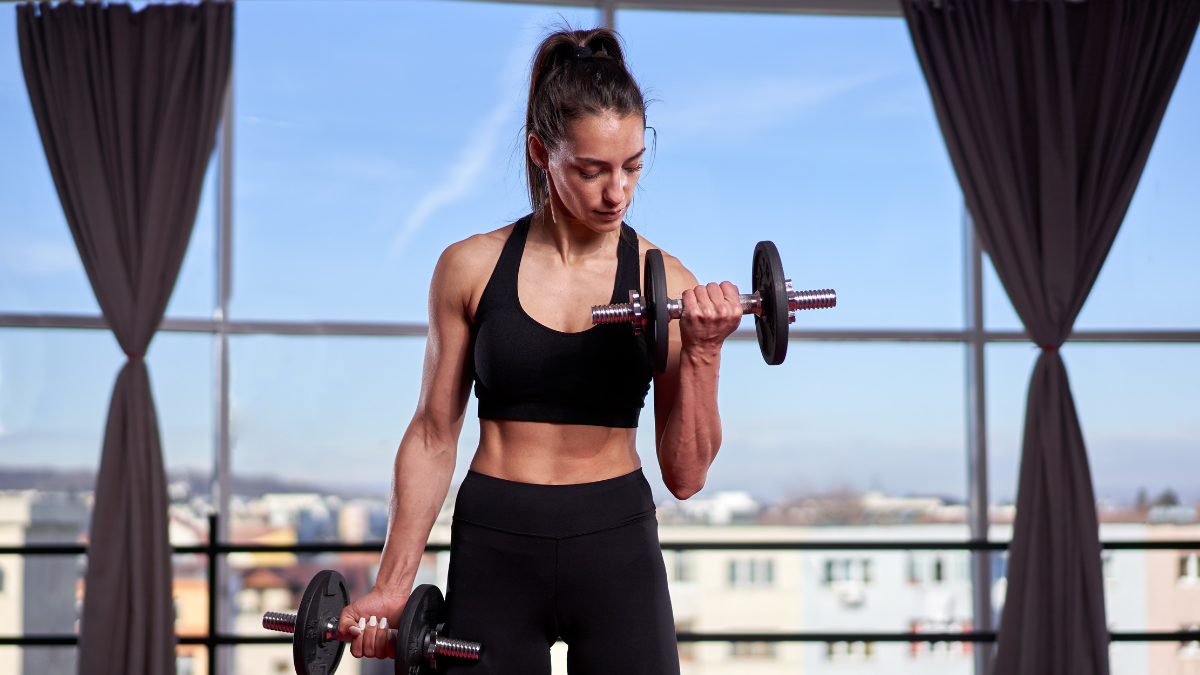
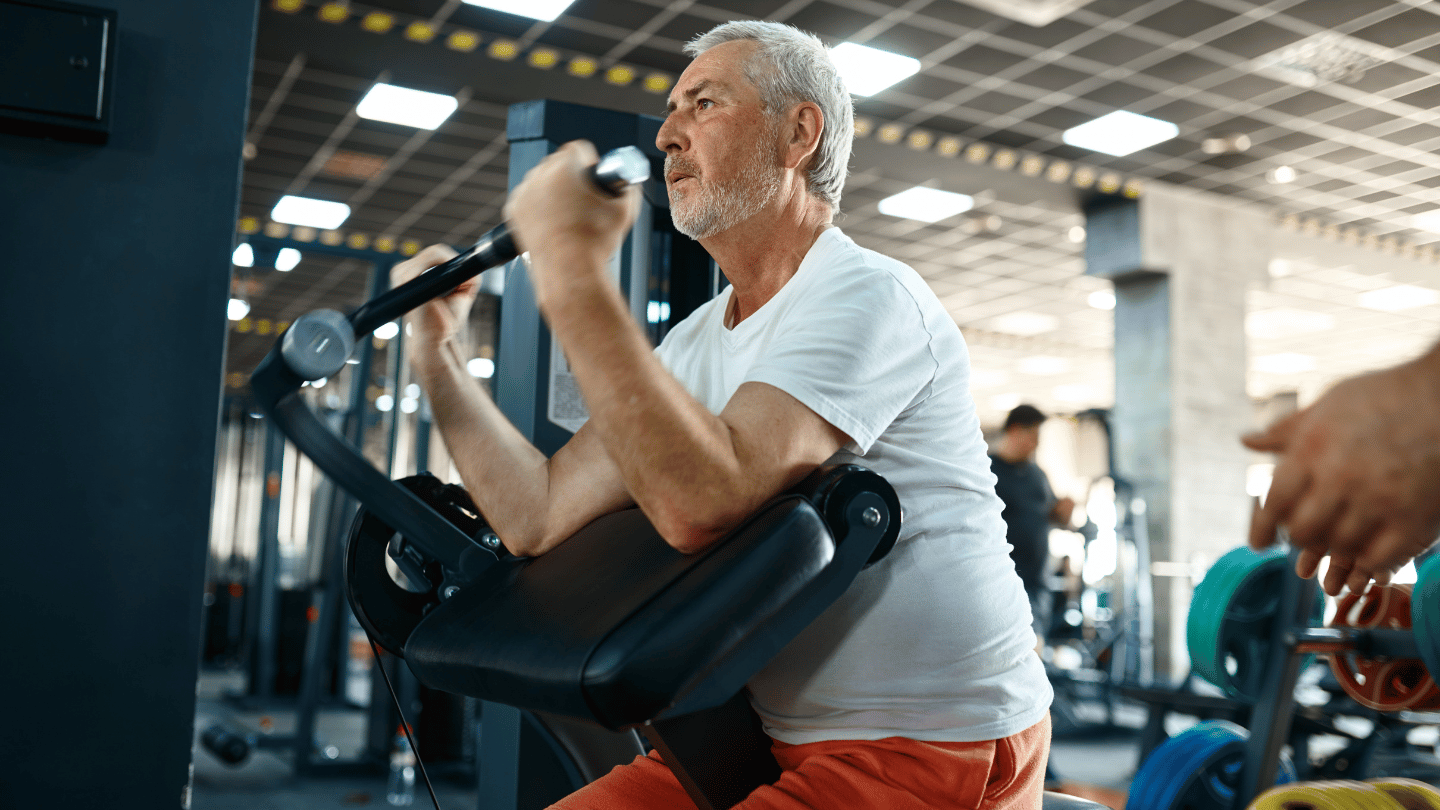
- Muscle grows. Your muscles rebuild bigger and stronger after strength training, as long as you give them enough protein and rest.
Recomp tends to work fastest for people who are newer to lifting, getting back into it after a break, or carrying some extra body fat. But it’s not just for beginners.
A 2020 research review in the Strength and Conditioning Journal found that even experienced lifters can recomp. It just happens more slowly, so consistency matters even more.
Why “Fat to Muscle” Workouts Miss the Mark
You’ve probably seen them on your feed: “This 20-minute workout converts fat into muscle!” Chris doesn’t sugarcoat it. “Stop chasing workouts that promise to convert fat into muscle.”
Those promises skip the parts that actually matter. A sweaty circuit can burn calories, but if it never gets harder, your muscles have no reason to grow. And if your eating doesn’t match your goal, fat loss stalls no matter how hard you work. It’s the same reason weight loss and fat loss aren’t the same thing: the number on the scale doesn’t tell you what you’re losing or gaining.
Running the Dana Point Turkey Trot on Thanksgiving morning? Love it. Just know that a 5K burns some calories, but it won’t build muscle on its own. Cardio is great for your heart, but your strength sessions are what change your shape.
How to Lose Fat and Build Muscle Through the Holidays
Research from the National Institutes of Health found that the average person gains less than a pound over the holidays, not the five or ten pounds like our society might joke about. But there’s a bit of a catch. Most people never lose it, and it quietly adds up year after year. The people who stayed more active gained the least overall.
So you don’t have to skip the pie. Chris breaks it down into four simple steps:
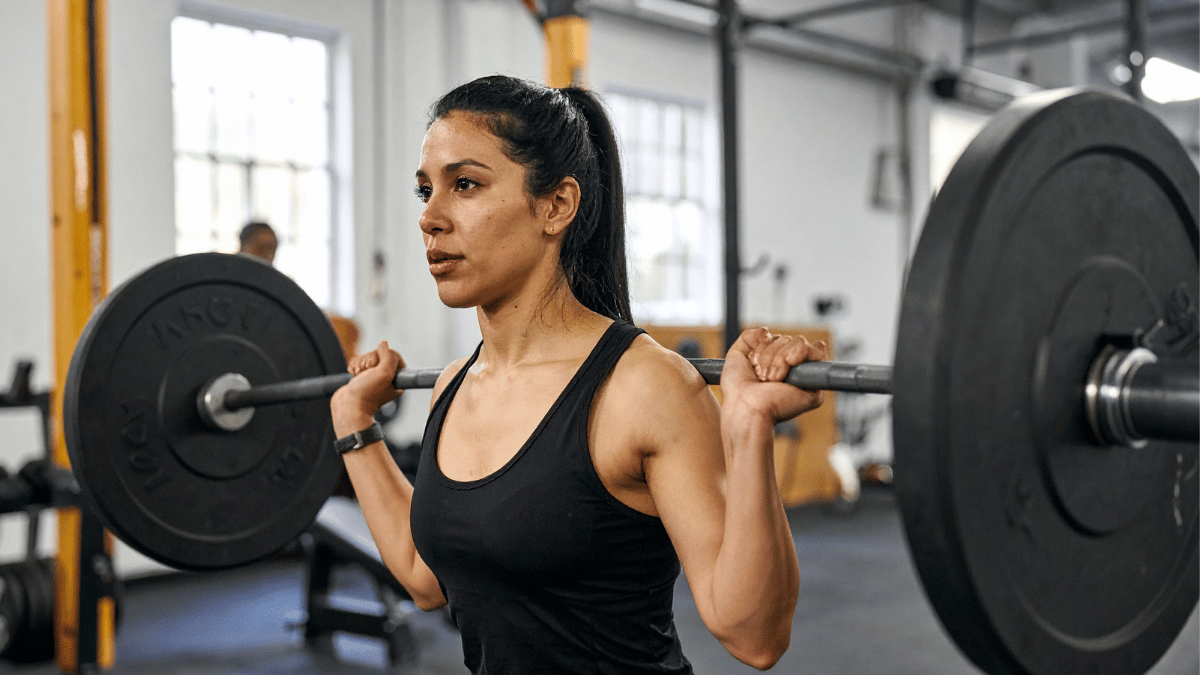
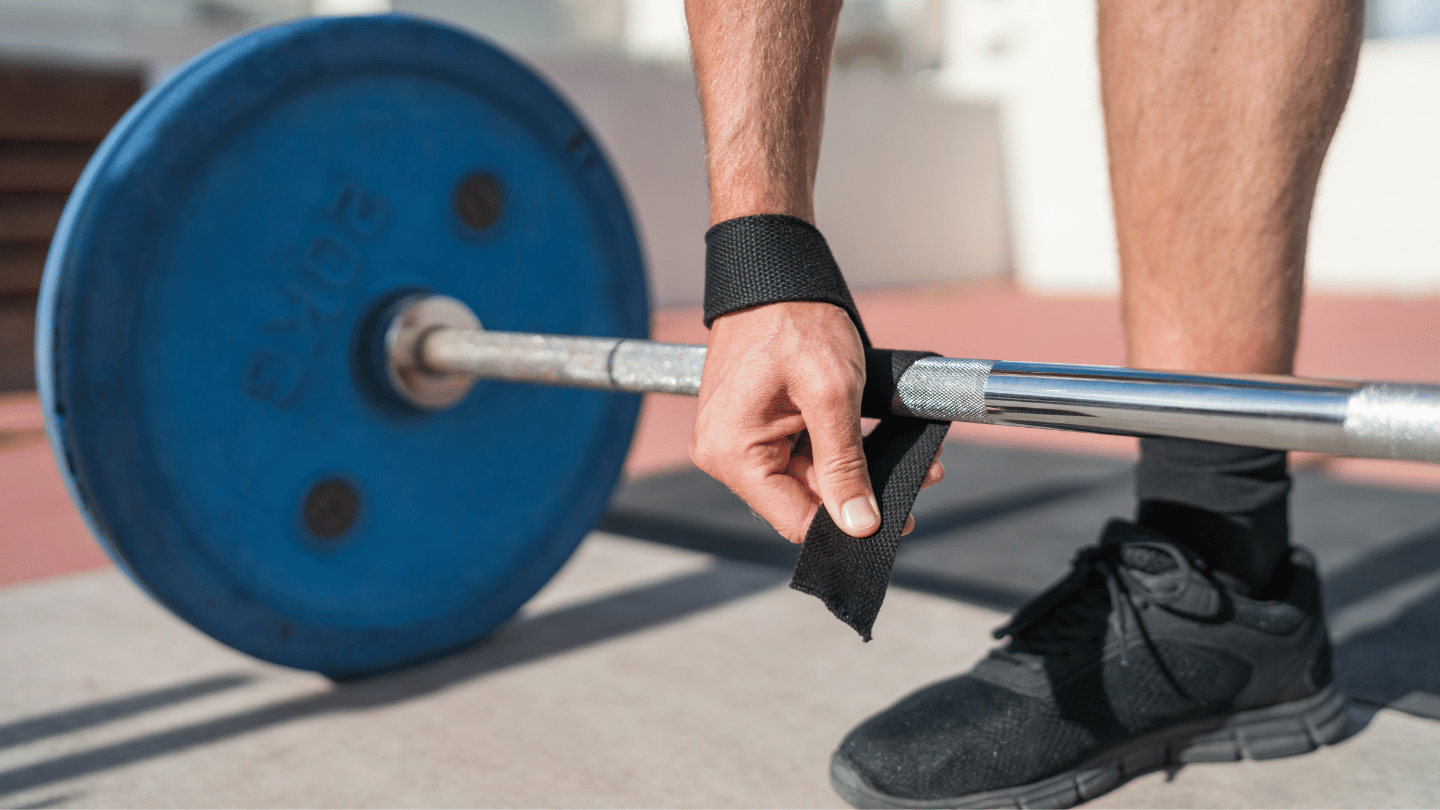
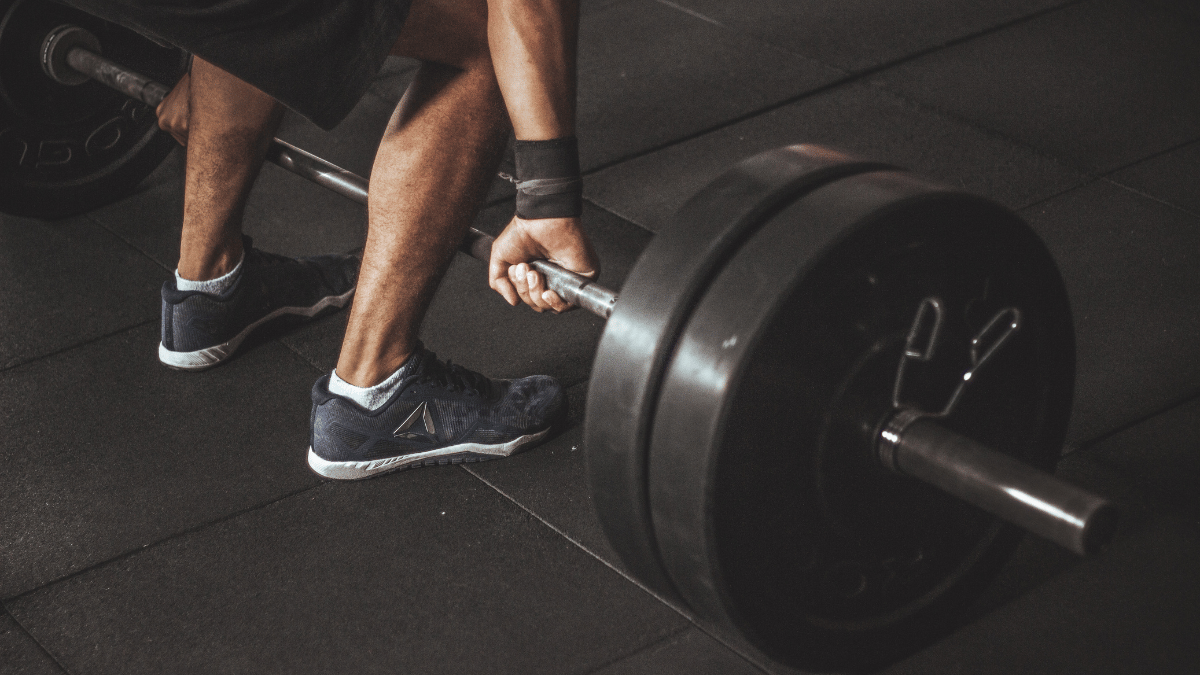
- Lift consistently. Aim for three strength sessions a week. Yes, even in December. Traveling or slammed at work? 2 full-body workouts beat 0 every time. Got plans for the Newport Beach Christmas Boat Parade? Get your lift in that morning and enjoy the night. Our Big 3 lifts guide is a great place to start if you’re not sure what to do.
- Progress your training. Add a little weight, one more rep, or an extra set over time. Muscles grow when they’re asked to do a bit more than last time. Not sure where to start? Here’s how much weight you should lift.
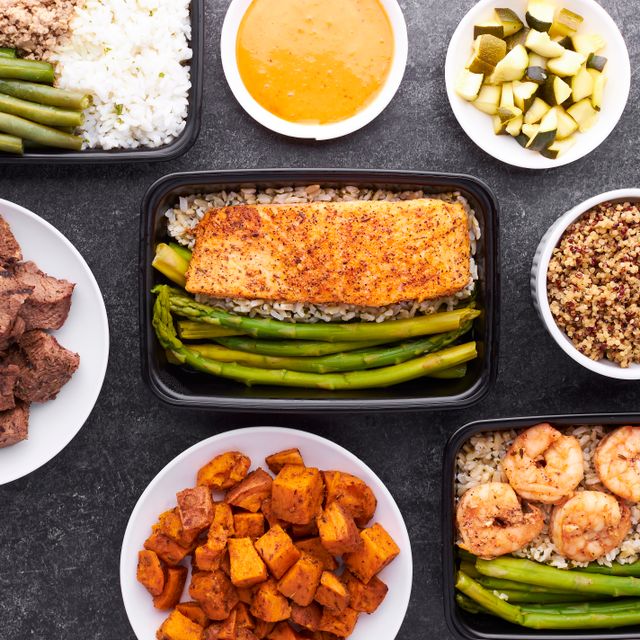
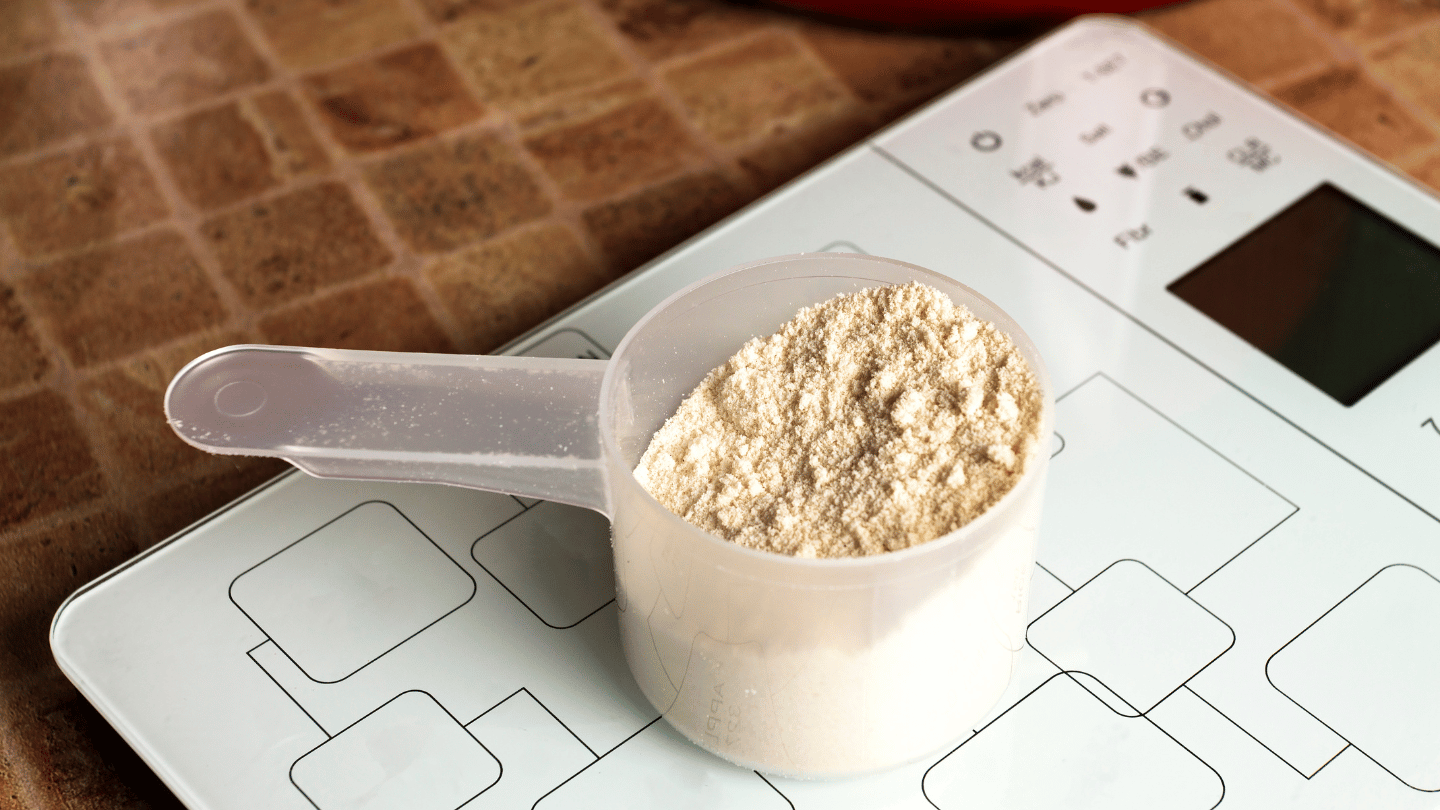
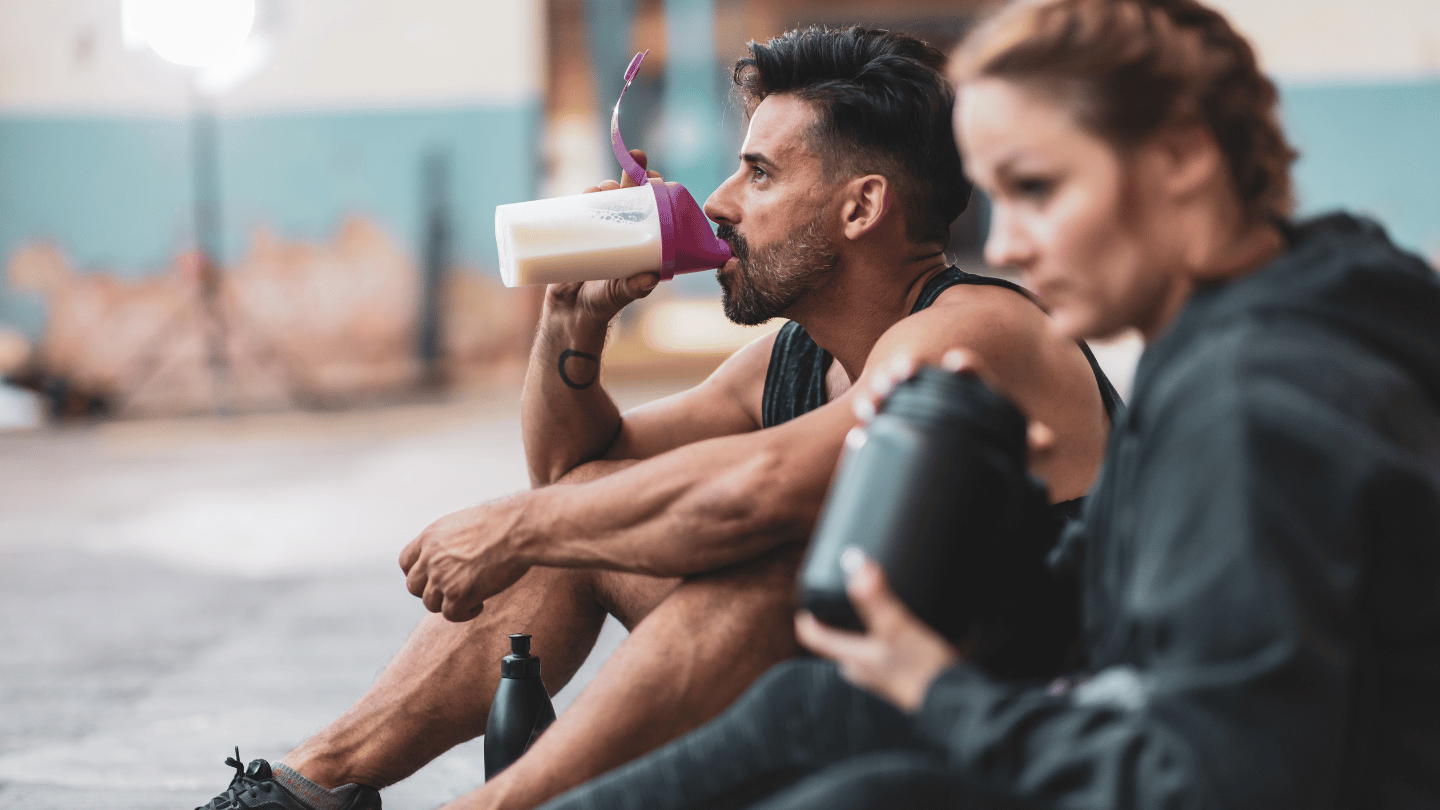
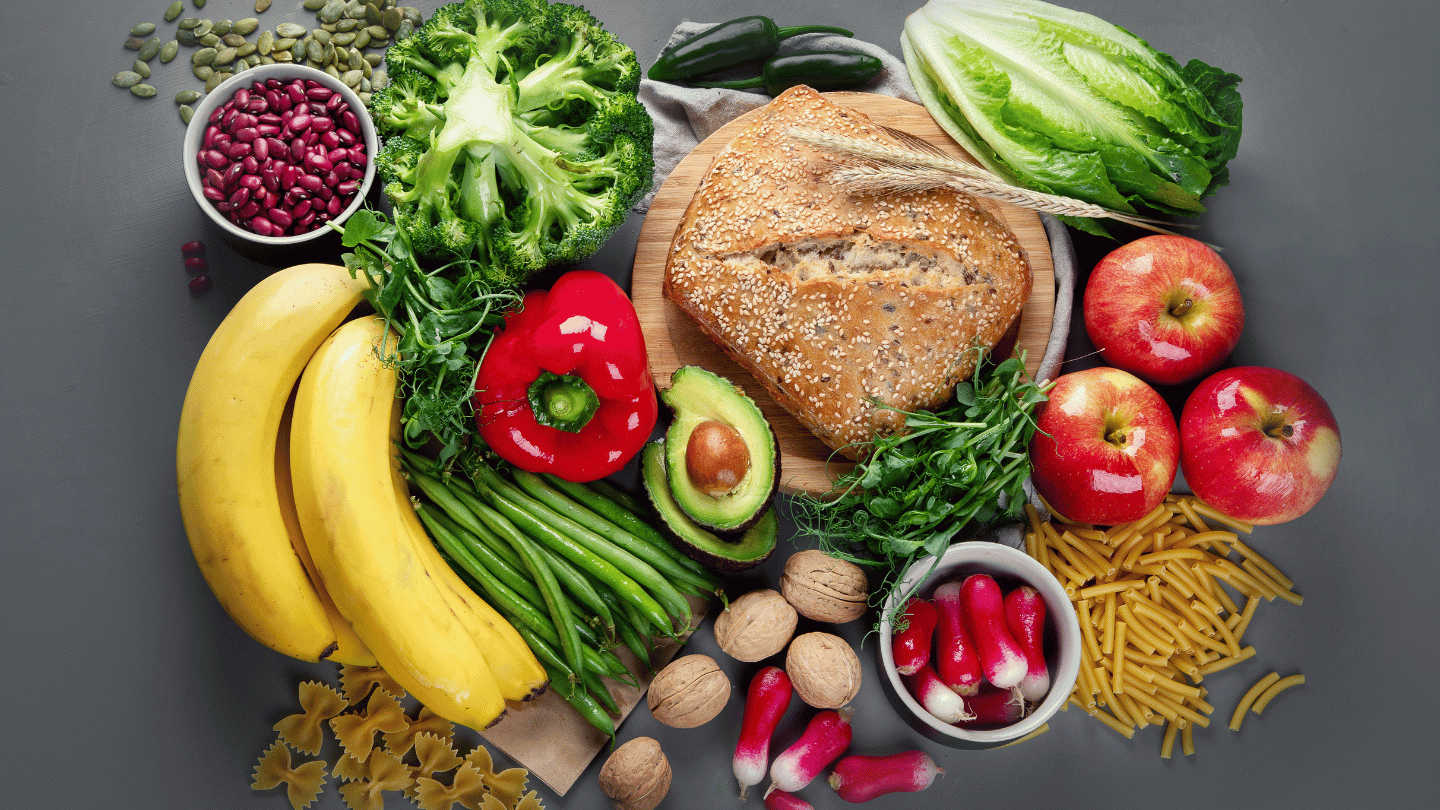
- Eat enough protein. A common target is about 0.7 to 1 gram per pound of your goal body weight each day. That range comes from a large review of 49 studies, which found protein helps muscle growth the most up to around 0.7 grams per pound for most people. Holiday meals actually make this easy. Fill your plate with turkey, ham, or roast first, then add the sides.
- Match your calories to your goal. To lose fat, you need a small calorie deficit, without starving yourself. But for most people, simply holding steady through December is a huge win.
“You’re losing one tissue and building another,” Chris says. “Know the difference so you can train for results.”
For more ways to stay consistent this time of year, check out our tips on staying on track with your fitness goals this holiday season.

What to Expect From a Recomp
A recomp doesn’t always show up on the scale, and that’s where a lot of people get discouraged and quit too early.
During a recomp, your weight may barely move. That’s normal, and it’s one of the main reasons people ask whether muscle weighs more than fat. You might weigh the same but fit into your jeans better, see more shape in your arms and shoulders, and lift more than you did a month ago. Most people notice strength gains within a few weeks and visible changes within two to three months. That’s why we track measurements, photos, and strength in the Hideout app, not just body weight.
How Hideout Fitness in Irvine Helps
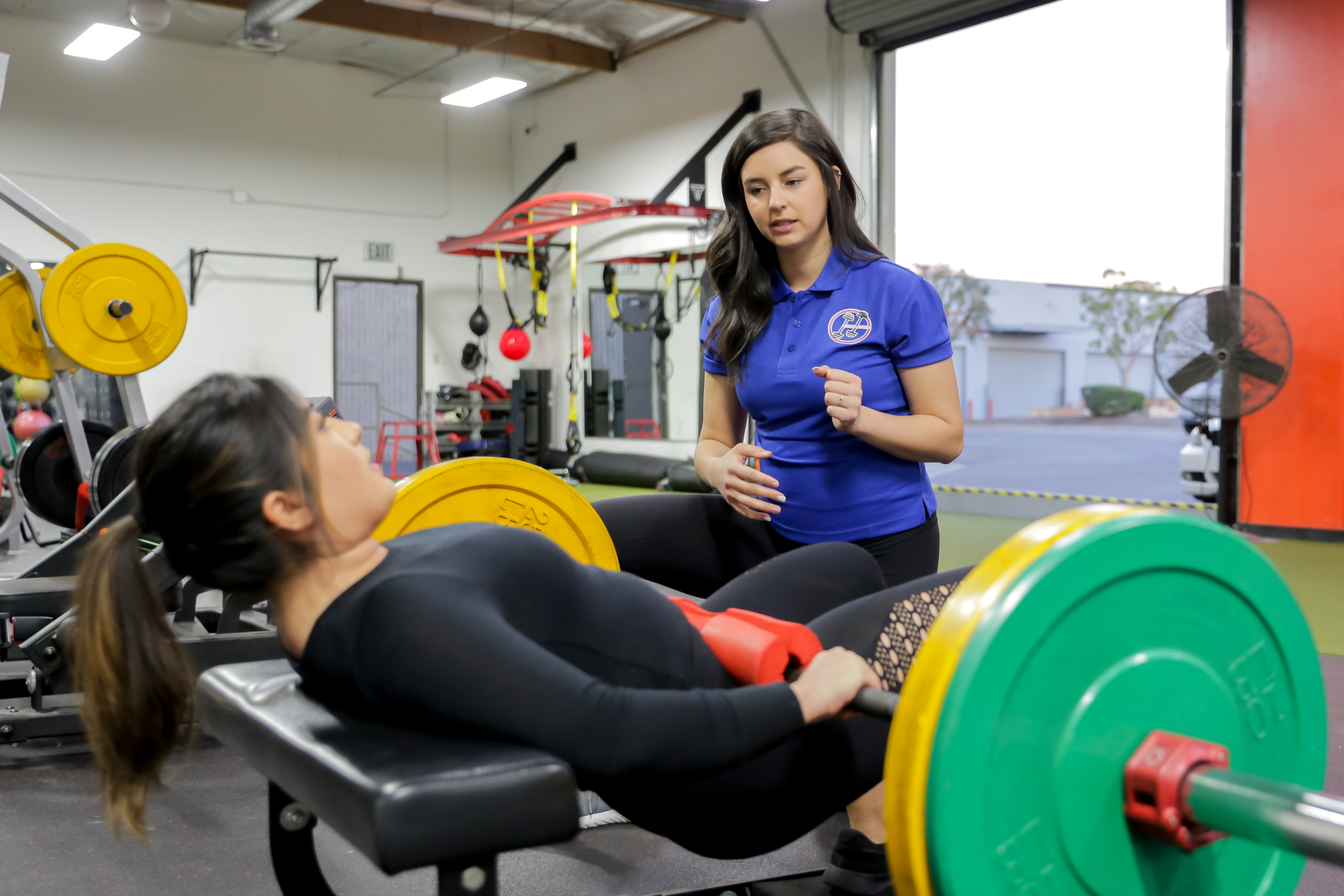
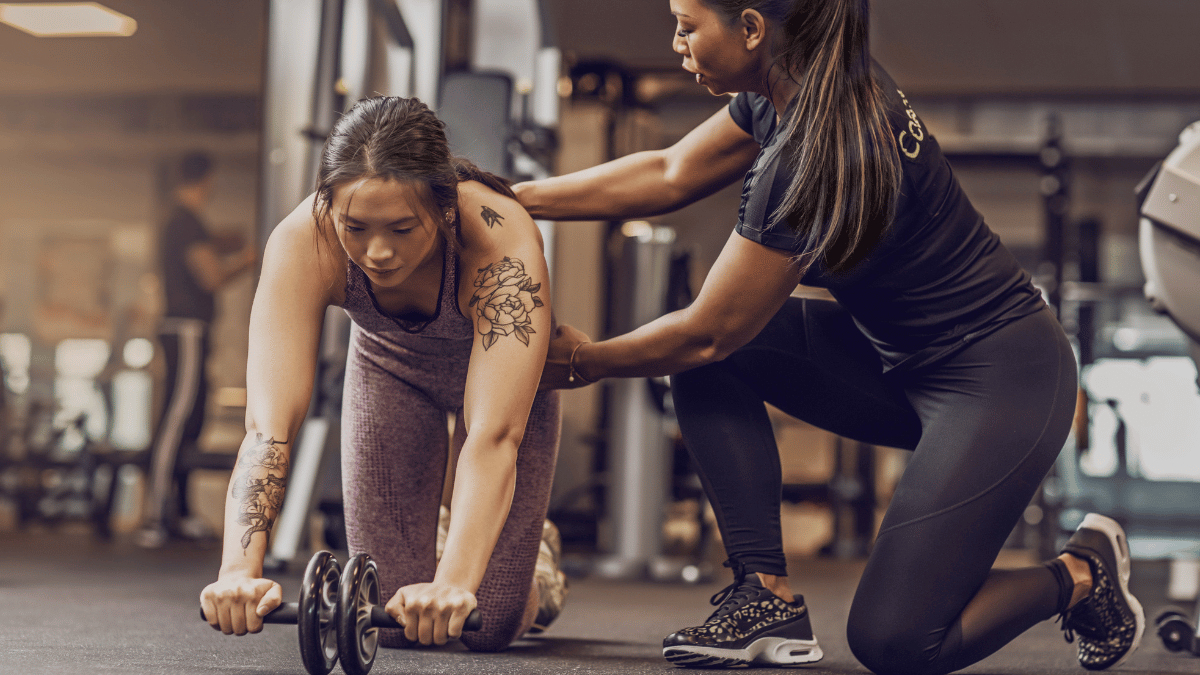
Body recomposition is one of our specialties at Hideout Fitness in Irvine. Our coaches build a strength program that progresses with you, set protein and calorie targets that fit your goal and your schedule, and track your measurements, photos, and lifts in the Hideout app so you can see what the scale can’t show you. Training near the Irvine Business Complex makes it easy to fit a session in before work, over lunch, or on your way home, even during the busiest weeks of the year.
Holidays, travel, and busy weeks don’t have to stall your progress, because we plan around them. Whether you prefer private training, semi-private training, or online coaching, we’ll help you lose fat and build muscle the right way. See what real recomps look like on our testimonials page.