

Your doctor mentioned pelvic floor health, or maybe you've noticed leaking when you sneeze or jump. Or you're pregnant, and someone told you to "do your Kegels." But nobody really explained what your pelvic floor is or why it matters for your training.
Here's what most women don't know: your pelvic floor affects everything. How you lift. how you run, whether you leak when you cough, your core strength, and your back pain. Everything.
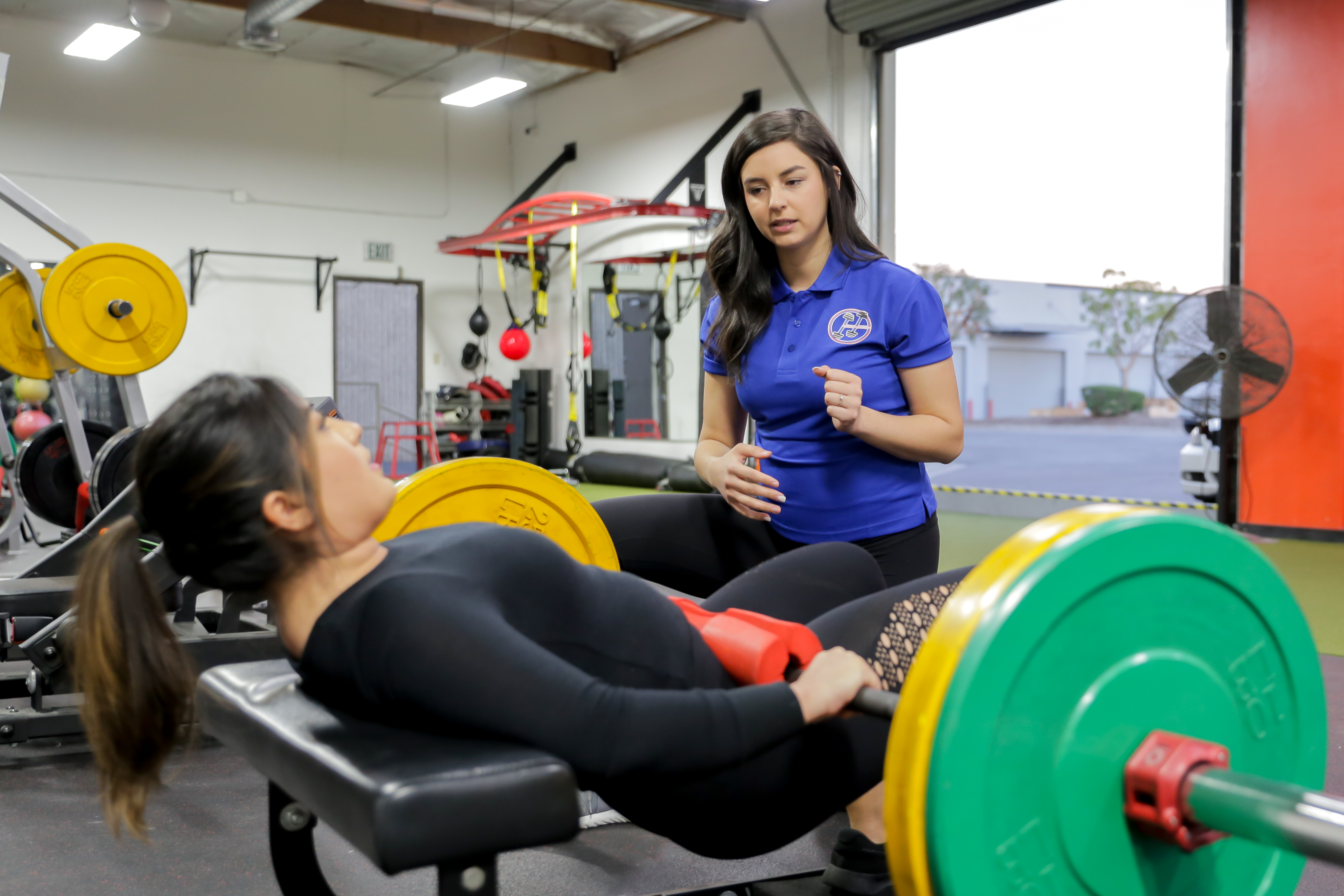
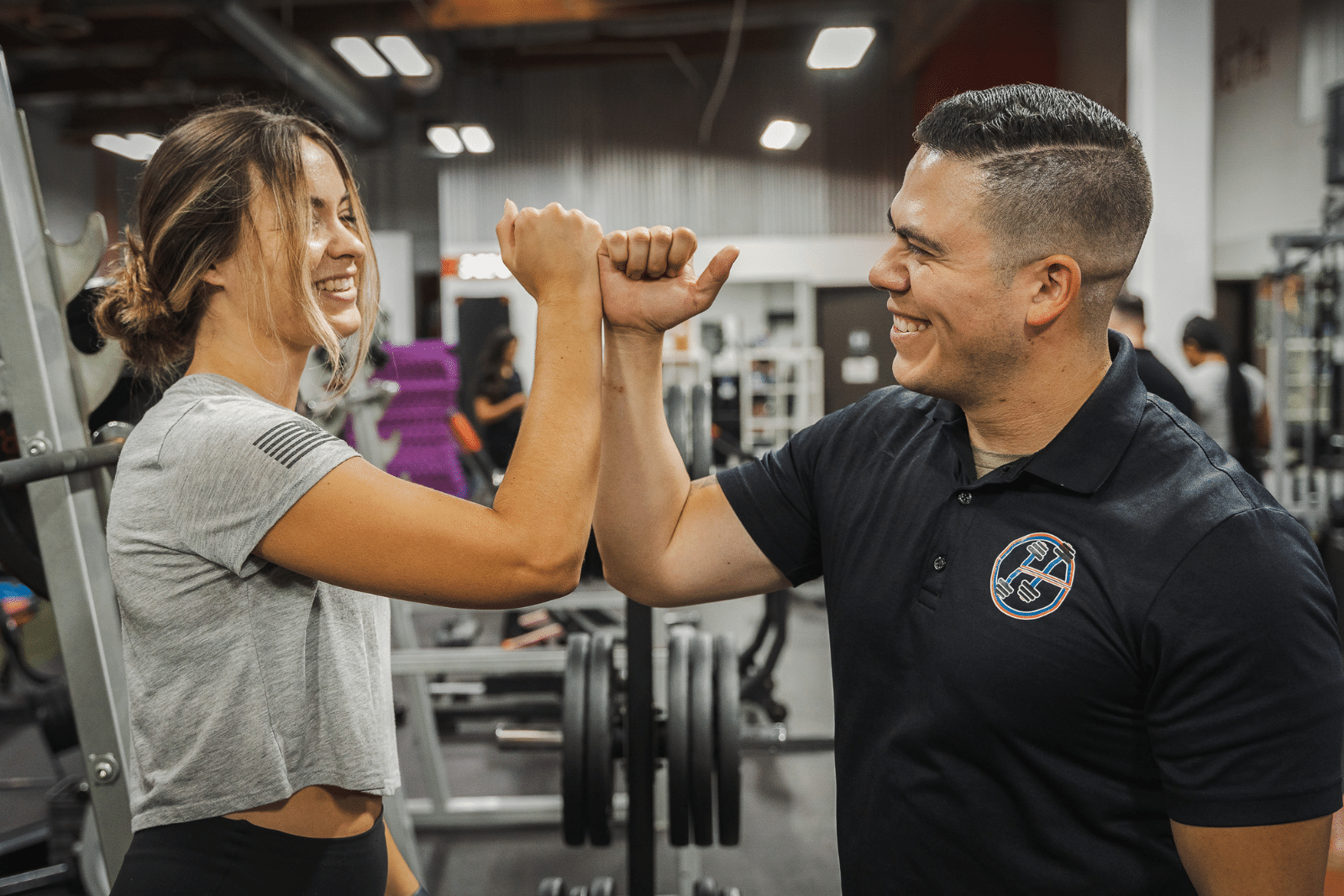
At Hideout Fitness in Orange County, we work with women dealing with pelvic floor issues all the time, especially after pregnancy. Coach Emily is certified in prenatal and postnatal training, and she knows how to help women strengthen their pelvic floor while building overall strength.
Let's break this down.
What Is Your Pelvic Floor and Why Does It Matter for Women's Fitness in Orange County?
Your pelvic floor is a group of muscles that stretch like a hammock from your pubic bone to your tailbone. These muscles support your bladder, uterus, and bowels. Think of your pelvic floor as the bottom of your core. Your abs are the front. Your back muscles are the back. Your diaphragm is the top. Your pelvic floor is the bottom. They all work together.
When your pelvic floor is strong, everything works the way it should. When it's weak, you run into problems.
Why Pelvic Floor Health Matters for Strength Training
If you're lifting weights with a weak pelvic floor, you're putting pressure on muscles that can't handle it. That pressure can make existing problems worse or create new ones.
Strong pelvic floor muscles let you:
- Lift heavier weights safely
- Do high-impact exercises without leaking
- Avoid back pain during training
- Build core strength that actually functions
- Prevent pelvic organ prolapse
Signs of Weak Pelvic Floor Muscles Every Orange County Woman Should Know
You might have weak pelvic floor muscles if you experience any of these:
- Leaking pee when you cough, sneeze, laugh, or jump: This is called stress incontinence. Research shows that pelvic floor muscle training is an effective conservative treatment for improving symptoms of urinary incontinence and quality of life in women.
- Feeling like you can't empty your bladder completely: Weak pelvic floor muscles affect how well your bladder empties.
- Pelvic pressure or heaviness: This can be a sign that your pelvic organs aren't getting enough support from your pelvic floor.
- Lower back pain that doesn't go away: Your pelvic floor is part of your core. When it's weak, your back has to compensate.
- Leaking during high-impact exercise: Jumping, running, box jumps, double-unders. If you're leaking during these, your pelvic floor needs work.
How Pelvic Floor Health Affects Your Strength Training
When you lift weights, you increase pressure in your abdomen. That pressure pushes down on your pelvic floor. If your pelvic floor is strong, it can handle that pressure. If it's weak, the pressure makes things worse.
Exercises That Can Stress a Weak Pelvic Floor
These movements aren't bad, but if your pelvic floor is already weak, they can make problems worse:
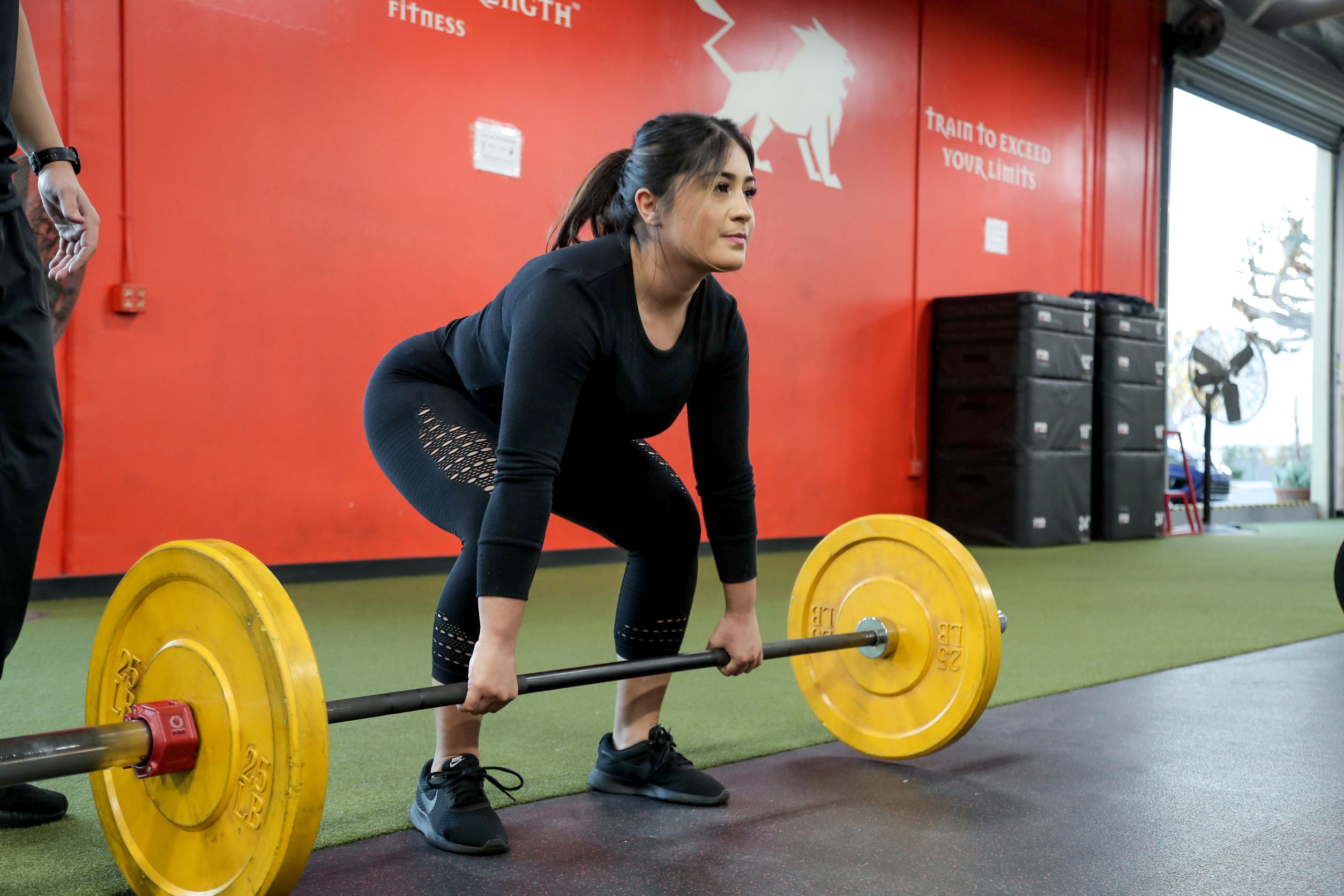
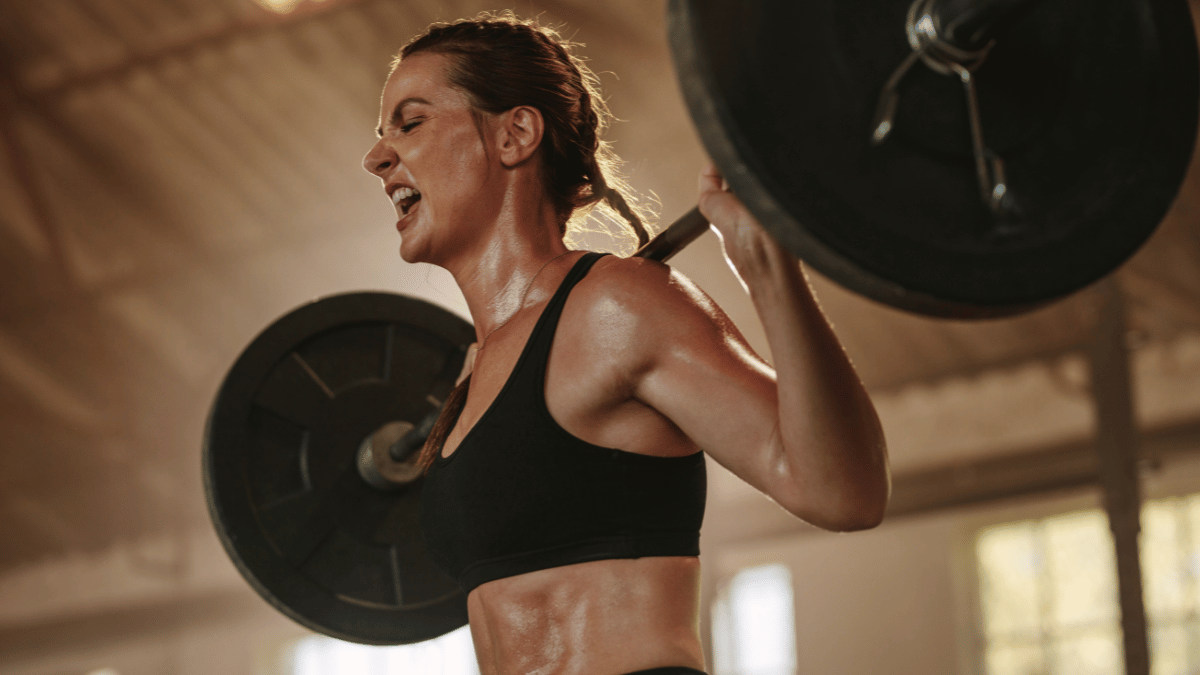
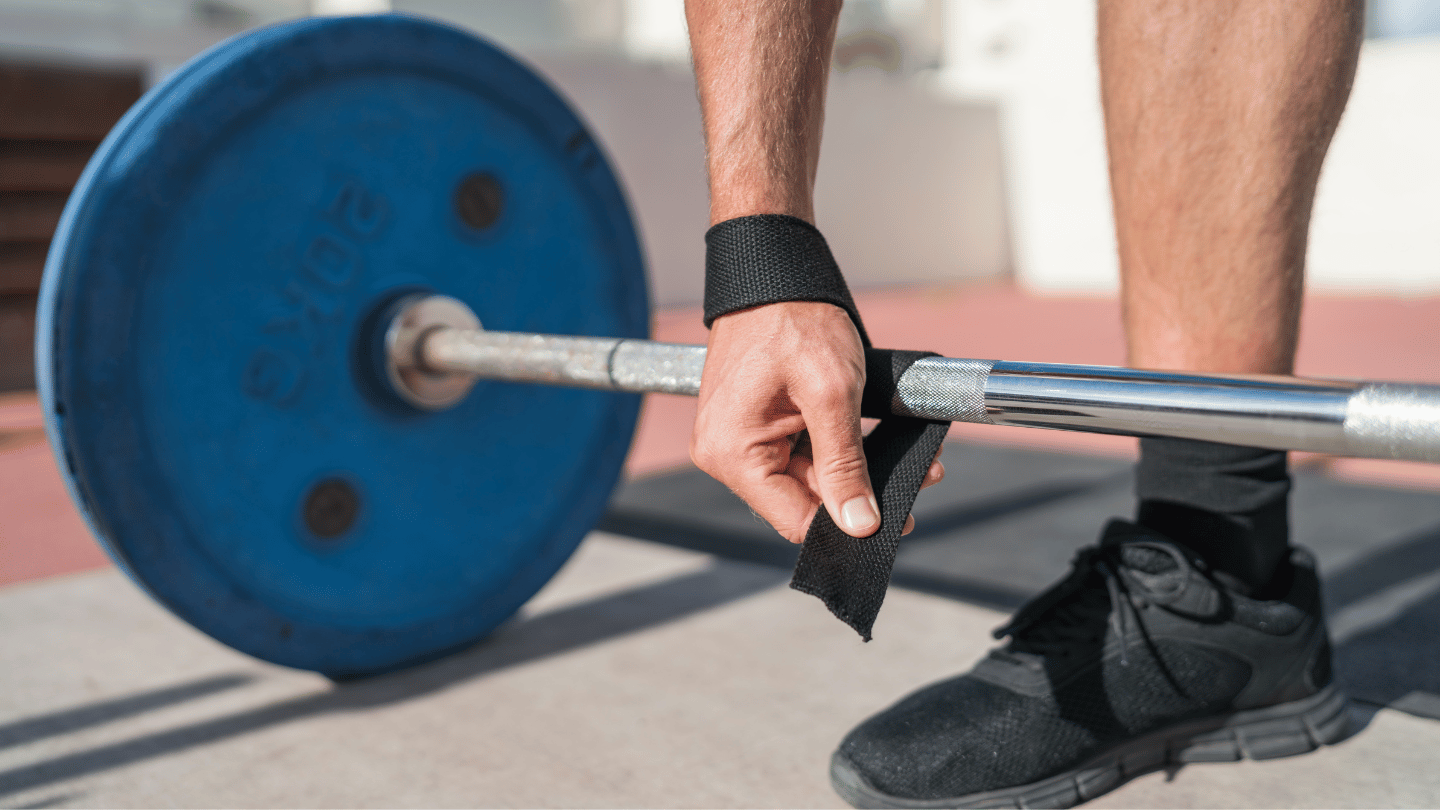
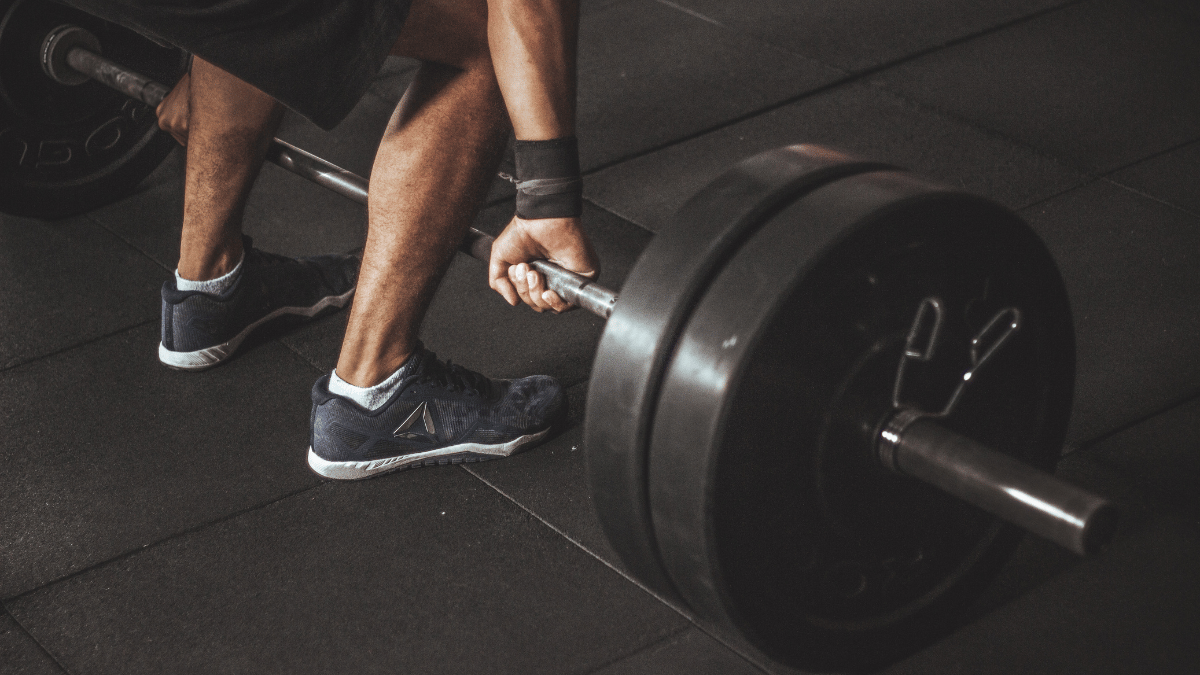
- Heavy deadlifts or squats (if you're bearing down instead of bracing properly)
- Overhead presses with poor form
- Sit-ups and crunches
- Jumping or running
- Heavy lifting while holding your breath
That doesn't mean you can't do these exercises. It means you need to learn how to brace properly and strengthen your pelvic floor first.
How Proper Core Bracing Protects Your Pelvic Floor
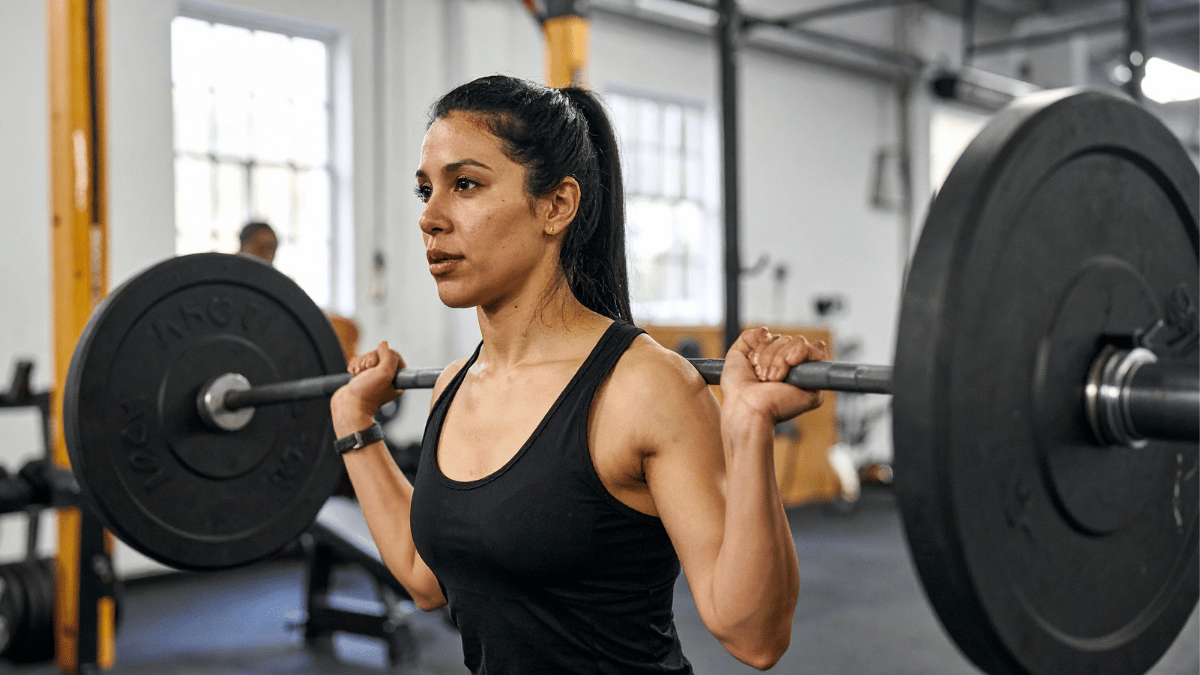
When you lift, you should brace your core, not bear down. Bearing down pushes pressure onto your pelvic floor. Bracing distributes pressure evenly through your entire core, including your pelvic floor.
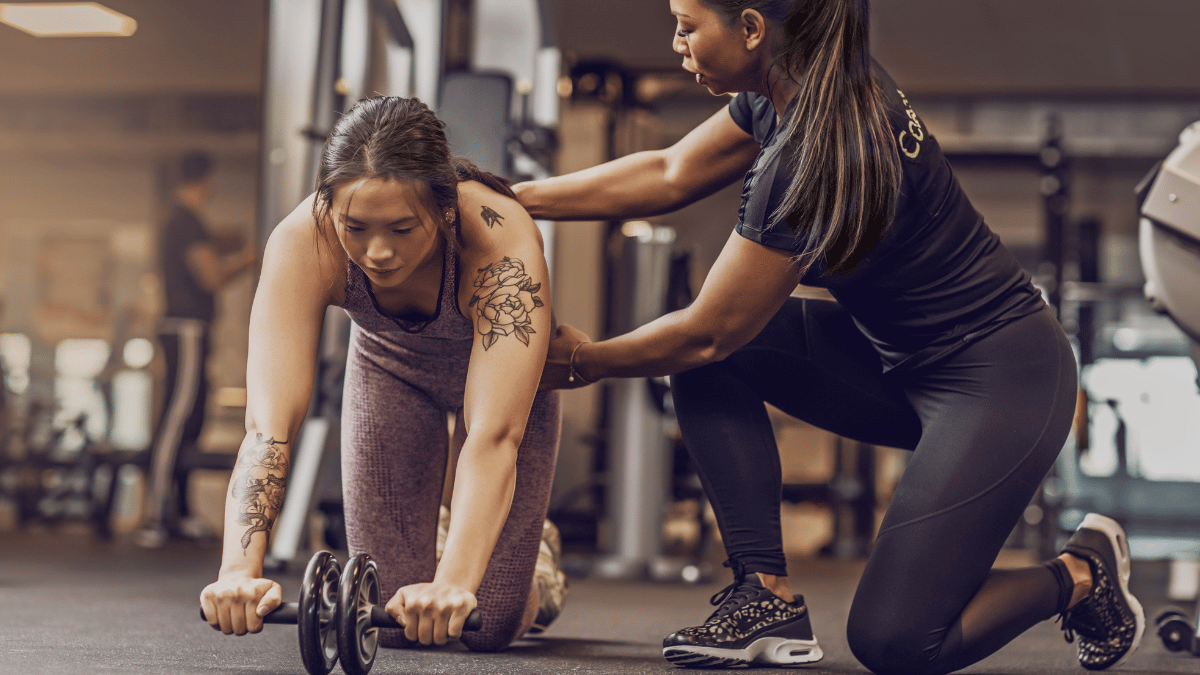
A good trainer teaches you the difference. At Hideout Fitness, Coach Emily works with women on proper breathing and bracing to help them avoid unnecessary pressure on their pelvic floor during training.
Best Pelvic Floor Exercises for Women (And Which Exercises to Avoid)
Kegel Exercises: The Foundation
Kegels are the most well-known pelvic floor exercises. To do a Kegel correctly, tighten your pelvic muscles as if you're lifting something upward, hold for 3-5 seconds, then relax completely for 3-5 seconds. Repeat 10 times, three times a day.
The key is isolating your pelvic floor muscles. Don't squeeze your abs, butt, or thighs; just your pelvic floor.
Exercises That Support Pelvic Floor Health
These exercises strengthen the muscles that work with your pelvic floor:
- Bridges: Lie on your back with your knees bent. Lift your hips while squeezing your glutes. This strengthens your glutes and core without putting pressure on your pelvic floor.
- Dead bugs: Lie on your back with your arms straight up and knees bent at 90 degrees. Lower one arm and the opposite leg while keeping your back flat on the floor. This teaches core stability.
- Bird dogs: Start on your hands and knees. Extend one arm and the opposite leg while keeping your core engaged. This works your core, back, and pelvic floor together.
- Walking: Walking strengthens and tones all the muscles that support your pelvic floor, including your glutes, legs, and core.
Exercises to Avoid (Or Modify) With Weak Pelvic Floor
- Sit-ups and crunches: These push pressure down onto your pelvic floor. If you're already dealing with weakness or leaking, skip these.
- Heavy overhead lifts without proper bracing: Overhead presses, snatches, and overhead squats all increase intra-abdominal pressure. Learn to brace properly before loading these movements heavy.
- High-impact cardio if you're leaking: Jumping, running, box jumps. If these make you leak, your pelvic floor isn't ready yet. Work on strengthening first, then add impact gradually.
Strength Training Exercises That Support Pelvic Floor Health in Orange County
The right strength training actually helps your pelvic floor. Here's what works:
Squats and Deadlifts (With Proper Form)
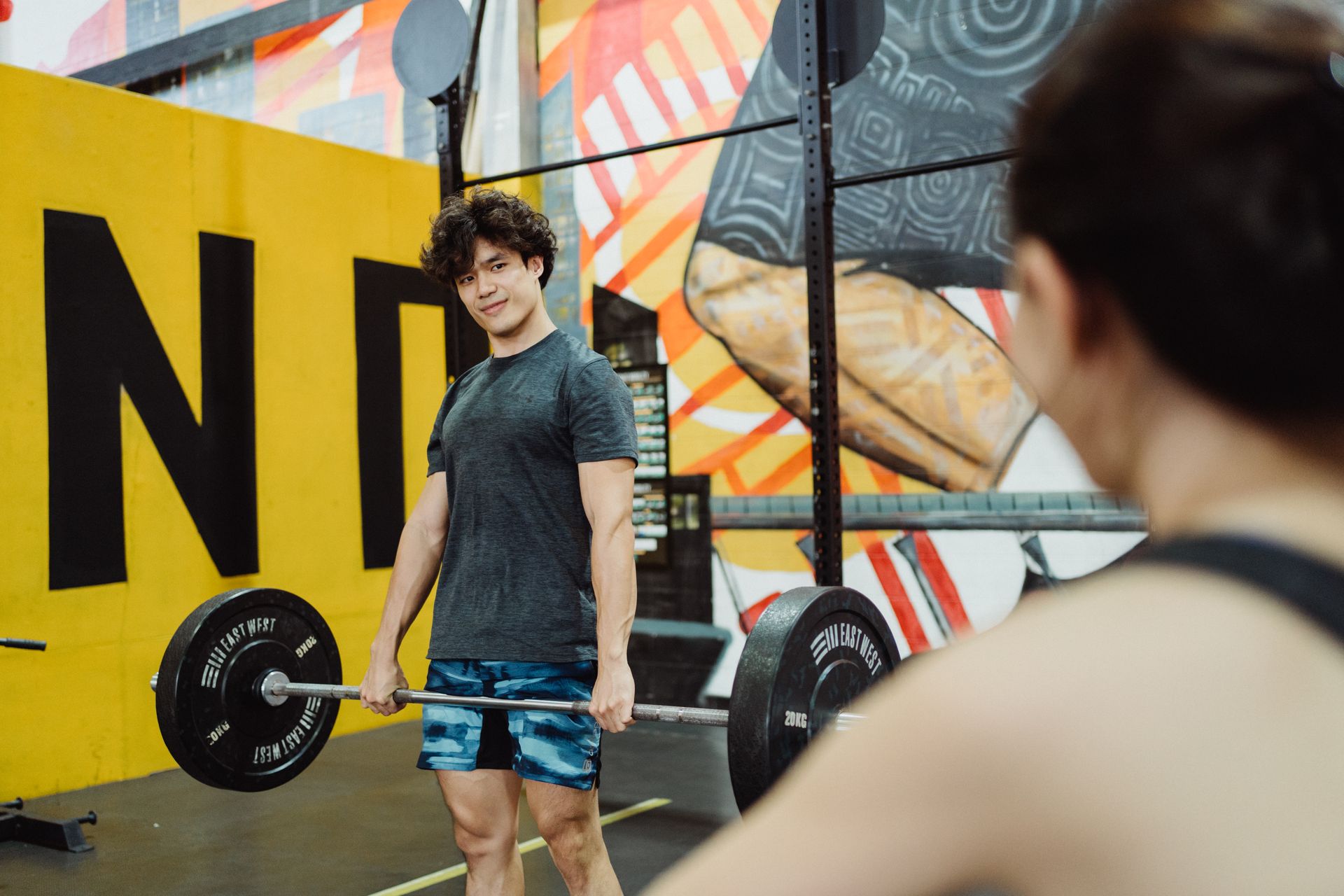
When done correctly with proper bracing, squats and deadlifts strengthen your entire core, including your pelvic floor. The key is learning to brace instead of bearing down.
Rows and Pull-Ups
Upper body pulling exercises strengthen your back and core without putting pressure on your pelvic floor.
Farmer's Carries
Carrying heavy weights while walking engages your entire core, including your pelvic floor, without excessive downward pressure.
Core Stabilization Exercises
Planks, dead bugs, pallof presses, and bird dogs all teach your core (including your pelvic floor) to work together as a unit.
When to See a Pelvic Floor Specialist vs. Work With a Personal Trainer
See a Pelvic Floor Physical Therapist If:
- You're leaking urine or stool regularly
- You have pelvic pain
- You have pelvic organ prolapse
- You've tried basic pelvic floor exercises and nothing's improving
- You're recovering from a C-section or vaginal delivery with complications
Pelvic floor physical therapists are specialists who can assess your pelvic floor internally and create a targeted treatment plan.
Work With a Personal Trainer Who Understands Pelvic Floor Health If:
- You want to strength train safely while dealing with mild pelvic floor issues
- You're pregnant and want to train safely through your pregnancy
- You're postpartum and cleared to exercise, but need guidance
- You want to prevent pelvic floor problems as you age
- You're getting back in shape and want to rebuild core and pelvic floor strength together
The best approach is often both: work with a pelvic floor PT to address specific issues, then work with a knowledgeable trainer to build overall strength safely.
How Personal Trainers in Orange County Help Women With Pelvic Floor Issues
At Hideout Fitness, Coach Emily is certified in prenatal and postnatal training. She understands how pregnancy, childbirth, and aging affect the pelvic floor. Here's how she helps:
- Assessment before programming: Emily asks about your pelvic floor health during your consultation. If you're dealing with leaking, pressure, or pain, she builds your program around that.
- Proper breathing and bracing techniques: She teaches you how to brace your core properly so you're not pushing pressure onto your pelvic floor during lifts.
- Exercise modifications: If certain movements cause leaking or pressure, she modifies them or swaps them for exercises that don't stress your pelvic floor.
- Progressive approach: Emily starts you where you are and builds strength gradually. You're not jumping into heavy deadlifts and box jumps on day one if your pelvic floor isn't ready.
- Connection to specialists when needed: If your issues need more than training, Emily will recommend seeing a pelvic floor physical therapist.
Train Smart in Orange County With Trainers Who Understand Women's Bodies
Your pelvic floor matters. Whether you're postpartum, dealing with leaking, or just want to train safely as you age, you need a trainer who understands how women's bodies actually work.
At Hideout Fitness in Irvine, Coach Emily specializes in training women through pregnancy, postpartum recovery, and beyond. She knows how to build strength programs that support your pelvic floor instead of making problems worse.
You don't have to choose between strength training and pelvic floor health. You can have both!
Book a free consultation today!



.jpg)
.jpg)







.png)
















.png)




.png)




.png)
.png)