

People assume strength training is either for vanity or requires an insane time commitment. Usually both. But research from the last few years tells a completely different story. You can lift weights for less than an hour per week and cut your premature death risk by a fifth. It's been shown to improve depression symptoms in studies, with some research suggesting comparable effects to antidepressant medication for mild to moderate cases.
Women see even bigger cardiovascular benefits than men. And you don't need to be experienced, you just need to start.
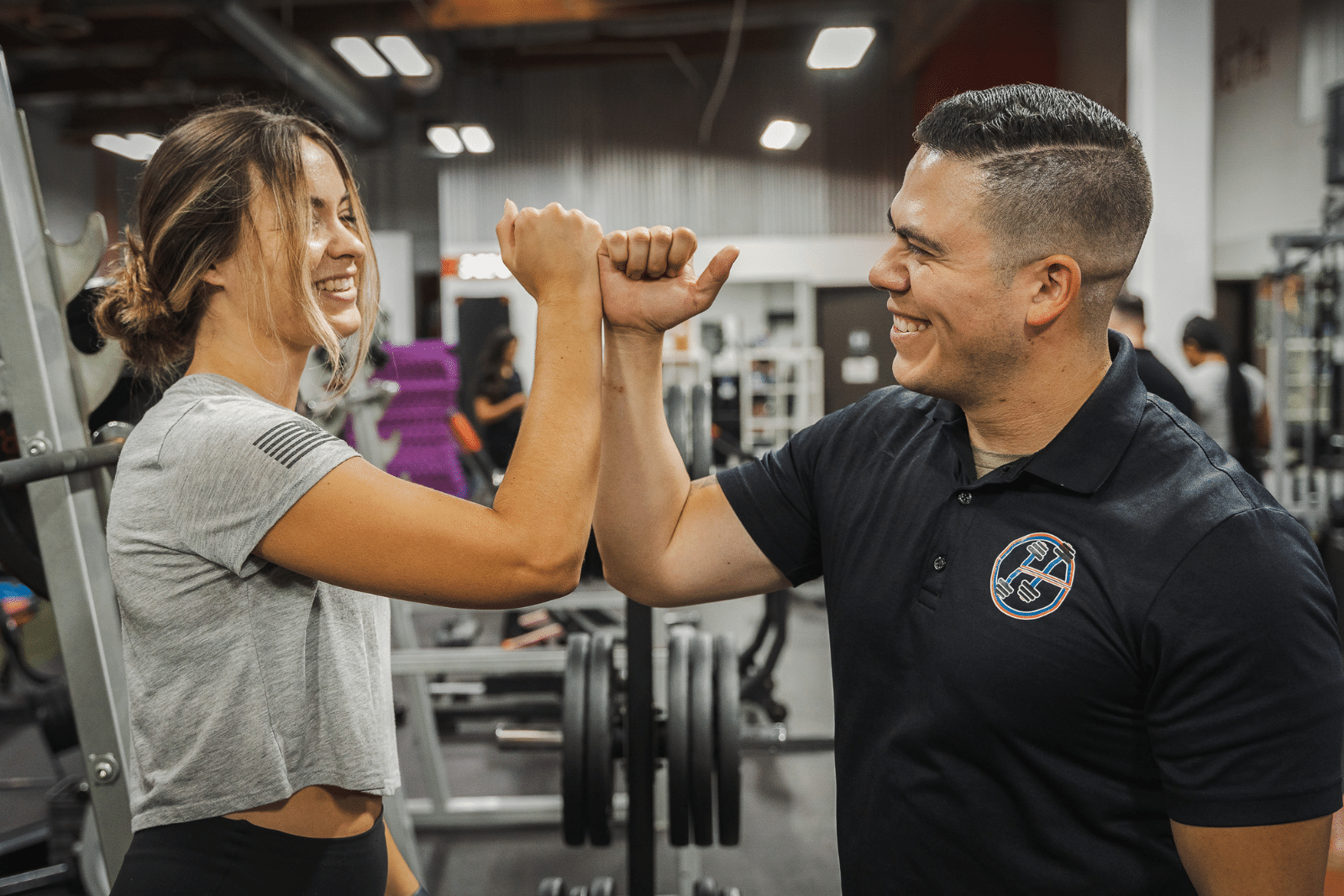
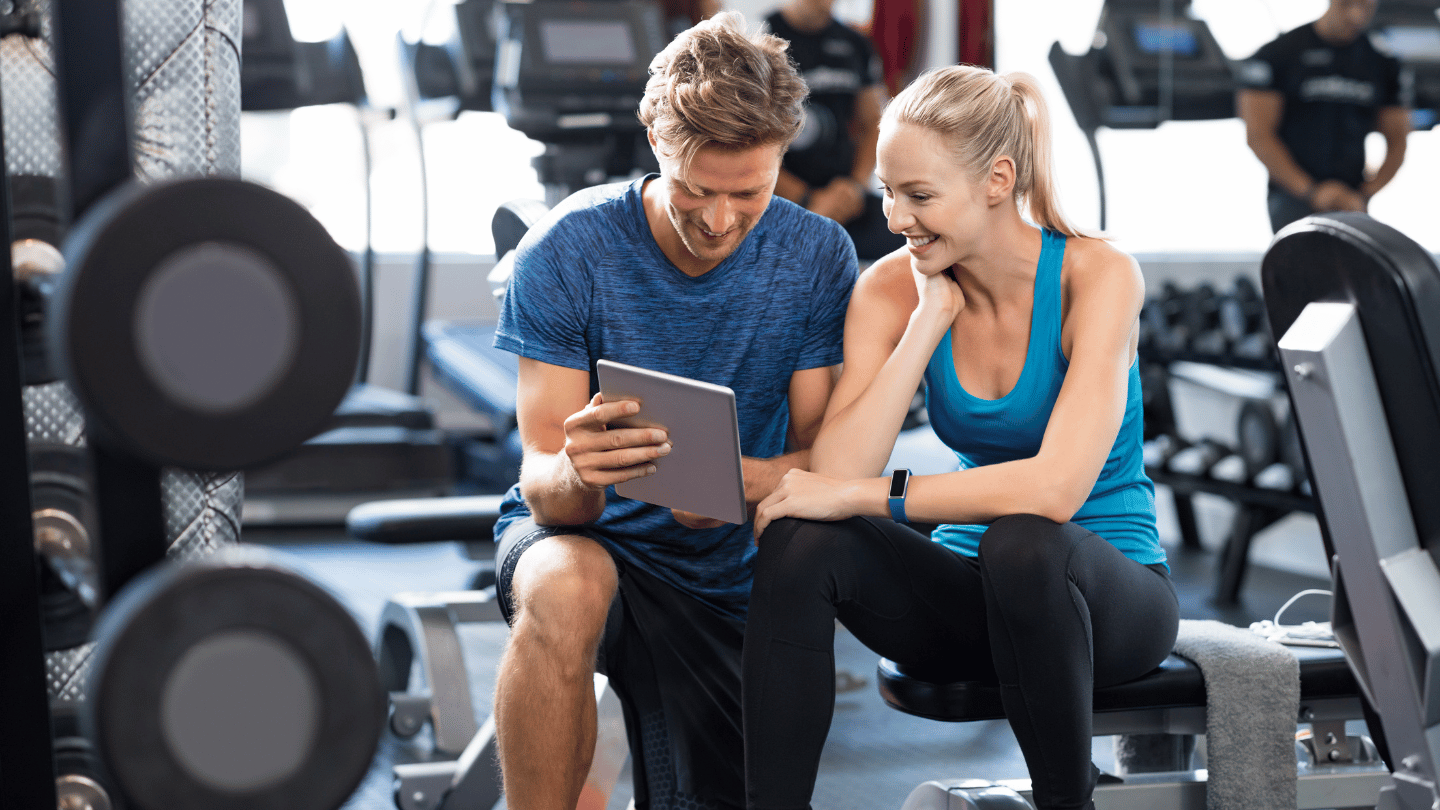
We've seen this at Hideout. Someone walks in, skeptical, convinced they're too old, too weak, or too busy. Six weeks later, they're stronger, sleeping better, and genuinely surprised by how much has changed.
Starting around age 30, your muscles naturally decline at about 3 to 8 percent per decade if you're inactive. It's gradual; you don't notice it happening day-to-day.
By 60, you might have lost a quarter of your muscle mass. By 70, it becomes noticeable in small ways: stairs feel harder, getting up from a chair requires more effort, and recovery from bumps and bruises takes a bit longer.
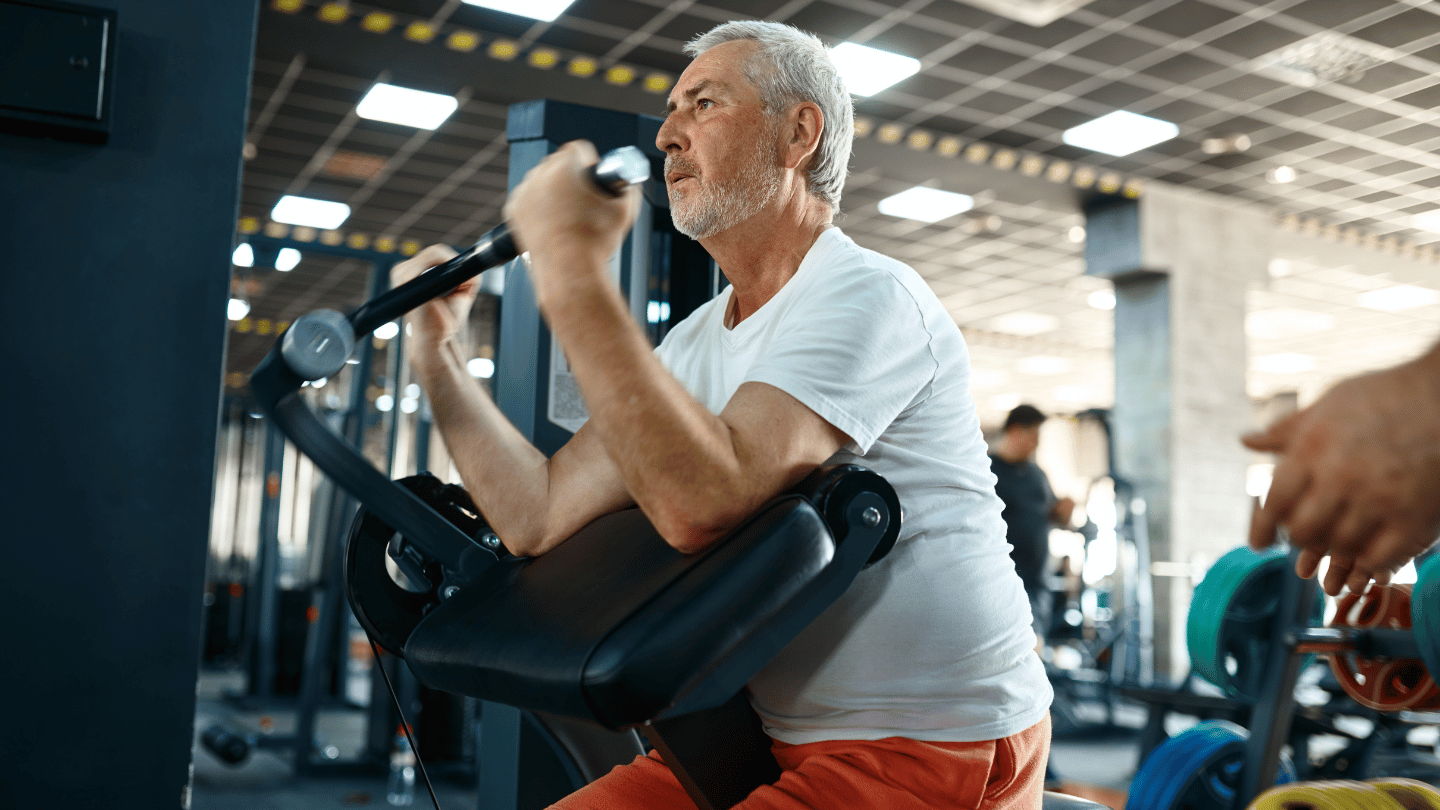
But it’s by no means inevitable. About 5-13% of people ages 60-70 experience clinical muscle loss, but most decline is preventable through consistent strength training. Your muscles respond to training at every age. You can maintain what you have or rebuild what's been lost.
A few years back, researchers followed 400,000 Americans and noticed something worth paying attention to. People who did strength training 2 or 3 times a week had about a 20% lower risk of dying during the study than those who didn't lift at all.
That's a massive difference for something that takes less than an hour per week.
Even wilder: people who lifted for under an hour weekly reduced their risk of heart attack or stroke by 40 to 70 percent.
When researchers broke down the data by gender, something interesting showed up.
Women who did strength training saw a 30% reduction in cardiovascular mortality. That's higher than men. For women specifically, this is one of the biggest mortality benefits available from any single thing you can do. It's stronger than most medications.
Researchers think it's because women's bodies respond more dramatically to strength training. They need less volume to produce a relative increase in strength. That increase translates to massive health benefits.
This advantage exists for women at every age, but it becomes even more important as you get older.
Yes, strength training builds muscle and burns fat. But judging it by that alone is like judging a car just by its paint job.
In 10 weeks of consistent lifting, you typically see:
- About 3 pounds of muscle gain
- 4-5 additional calories burned per hour at rest (which adds up)
- About 4 pounds of fat loss
That's real change in less time than most New Year's resolutions die.
When people stop moving, they lose muscle, which means they burn fewer calories just sitting around. Strength training flips that. More muscle means your body runs hotter, you burn more calories doing nothing, and weight management becomes easier.
Blood Sugar and Diabetes
When your muscles work, they need energy. Strength training makes your body better at managing that energy, helps muscles pull glucose out of your bloodstream more efficiently, and improves how insulin functions.
Recent work shows that strength training can actually control blood sugar better than cardio in people with diabetes.
For decades, if you wanted a healthy heart, you did cardio. That thinking was incomplete.
Strength training improves cardiovascular health by lowering blood pressure, reducing bad cholesterol and blood fats, raising good cholesterol, and cutting metabolic syndrome risk (the cluster of conditions that lead to heart disease) by 29%. It reduces high cholesterol risk by 32%.
One research team concluded: "The results show strength training benefits your heart independent of running or other cardio." You don't have to choose between the two. But if you had to pick one thing to protect your heart, the data increasingly says strength training should be it.
Across every single study, weight training improved mood. People who were depressed showed real improvement. People who weren't depressed were less likely to develop it than people who didn't lift.
And here's the key part: it didn't matter how many times you went, how many reps you did, or whether you actually built visible muscle. Just doing the work helped, particularly for mild to moderate depression.
A 2023 study directly compared running therapy with antidepressant medication for depression treatment. Both approaches showed comparable effectiveness in reducing symptoms. The added benefit of exercise was improved physical health markers alongside mental health improvements.
Strength Training and Anxiety
Research shows resistance training reduces anxiety, especially at moderate intensity. It changes your brain chemistry, improves blood flow to the brain, and the breathing rhythm of lifting naturally calms your nervous system.
Research is clear that benefits start immediately. You're not wasting week one.
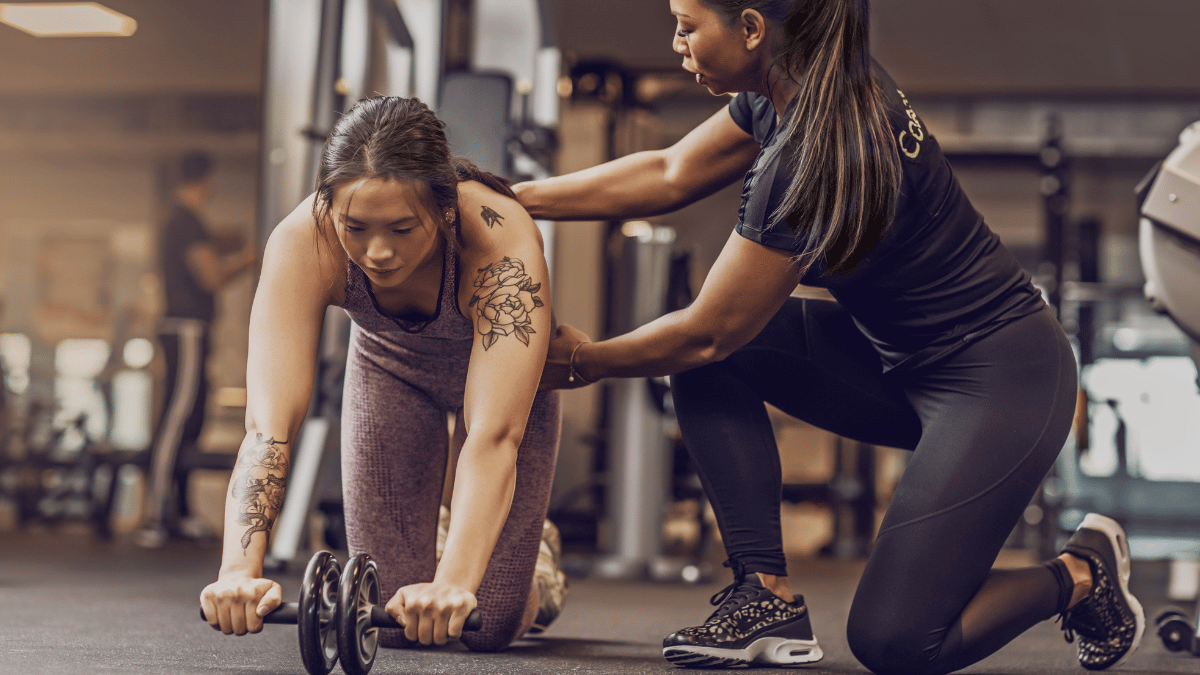
- Weeks 1-2: Focus on moving correctly with light weight or just your bodyweight. Don't worry about being strong yet. Ask your trainer questions. Perfect form matters more than how much weight you're moving.
- Weeks 3-4: Add some weight. Still prioritizing good form. You should feel like you could do 2-3 more reps if you pushed hard, but you're not going all-out.
- Weeks 5-8: Add weight or reps gradually each week and track it. Mental health improvements usually show up around week 4-6. Body changes take 8-10 weeks to show up.
- Week 9+: By now, you have momentum. You're way more likely to keep going. It's part of your routine.
At Hideout in Irvine, we work with people across Orange County: those in Newport Beach, Costa Mesa, Tustin, and Lake Forest, with three different approaches depending on your life:
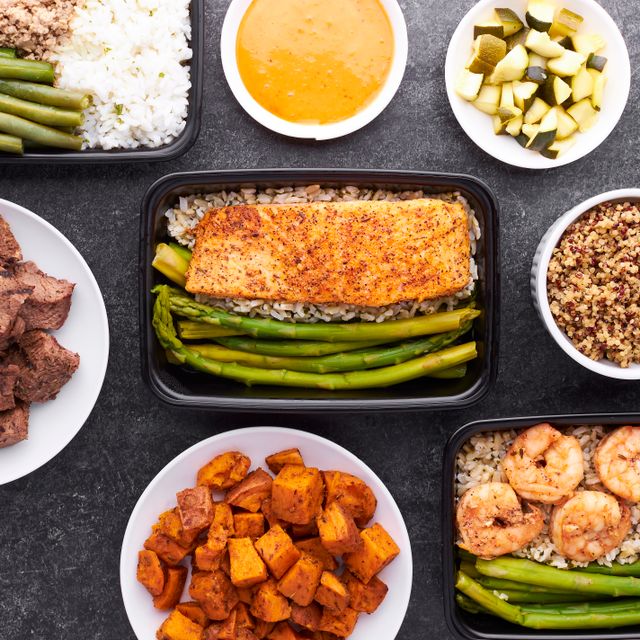
- Semi-Private Training (2-4 People): Train with 2-3 other people. Your coach programs the workout for individuals, so everyone's working at the right intensity for them. Includes personalized meal plans. It also costs 30% less than one-on-one training.
- Online Coaching: Can't get to the gym? Your trainer works with you virtually. Custom programs, weekly check-ins, the HideoutFitness app to track everything. You can do nutrition only, training only, both, or hybrid (online plus some in-person sessions).
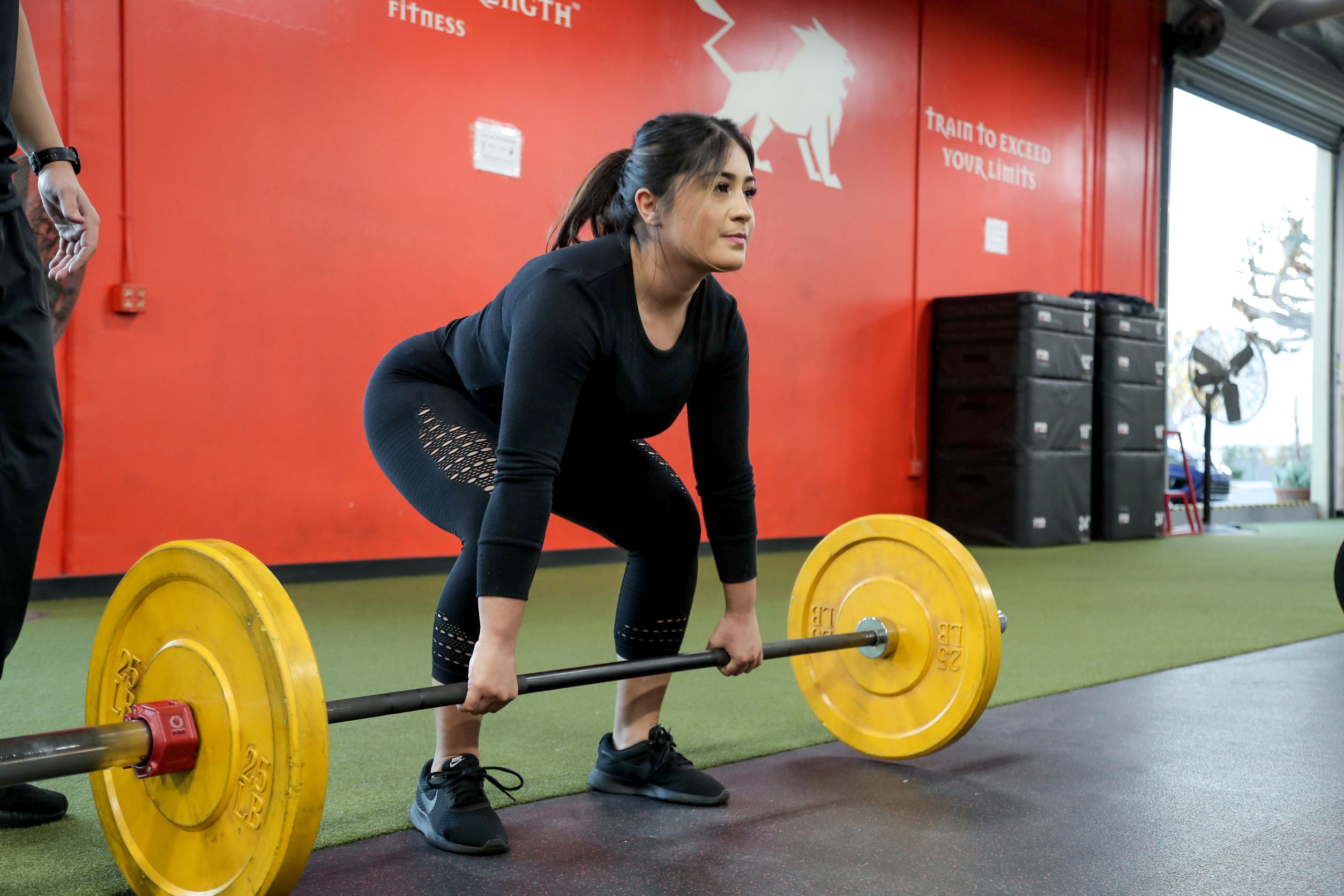
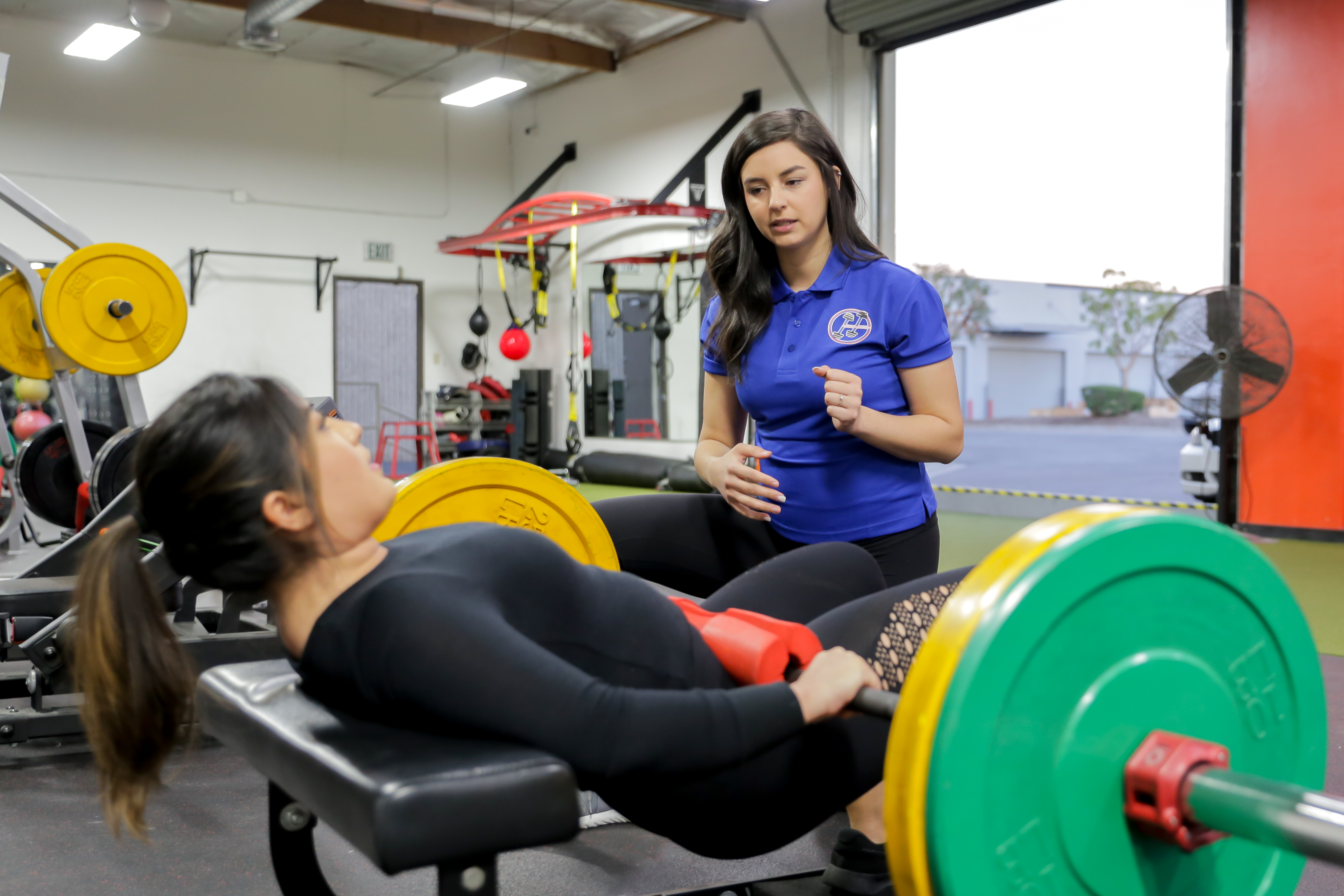
- Private Training: Personal training in Irvine. One-on-one work. Form coaching, personalized programming, total focus on your progress.



.jpg)
.jpg)






.png)














.png)


.png)




.png)