

If you’re on Ozempic or a GLP-1, the appetite suppression is real. The weight’s probably coming off, too. But here's what nobody tells you: the medication does one job. Everything else is on you.
We work with clients in Orange County taking GLP-1s, and we see the same pattern. The drug works great for 6 months. Then people stop, or switch, or their body adjusts, and the weight comes back because they never built the habits underneath. This guide is about avoiding that cycle.
Yes, GLP-1s work. They suppress appetite and help with blood sugar control. And yes, people do lose weight. That part is very real.
What they don't do: they don't teach you how to eat when you're hungry again.
Ozempic and GLP-1s don't build the habit of showing up to the gym. They don't address why you stopped moving in the first place. They're a tool that makes one part easier. Everything else is still your job.
This matters because when you stop taking the medication (whether that's by choice, doctor's orders, or cost), all that weight-loss potential disappears. If you haven't built anything underneath, the weight comes back.
Here's what we see: clients lose 20-30 pounds on Ozempic without changing anything else. They feel great. Then six months later, their body adjusts, or they stop the medication, and the weight creeps back within weeks.
According to a review published in the Washington Post, people who stop taking GLP-1 drugs like Ozempic regain their lost weight within about 18 months, four times faster than those who lose weight through diet and exercise alone.
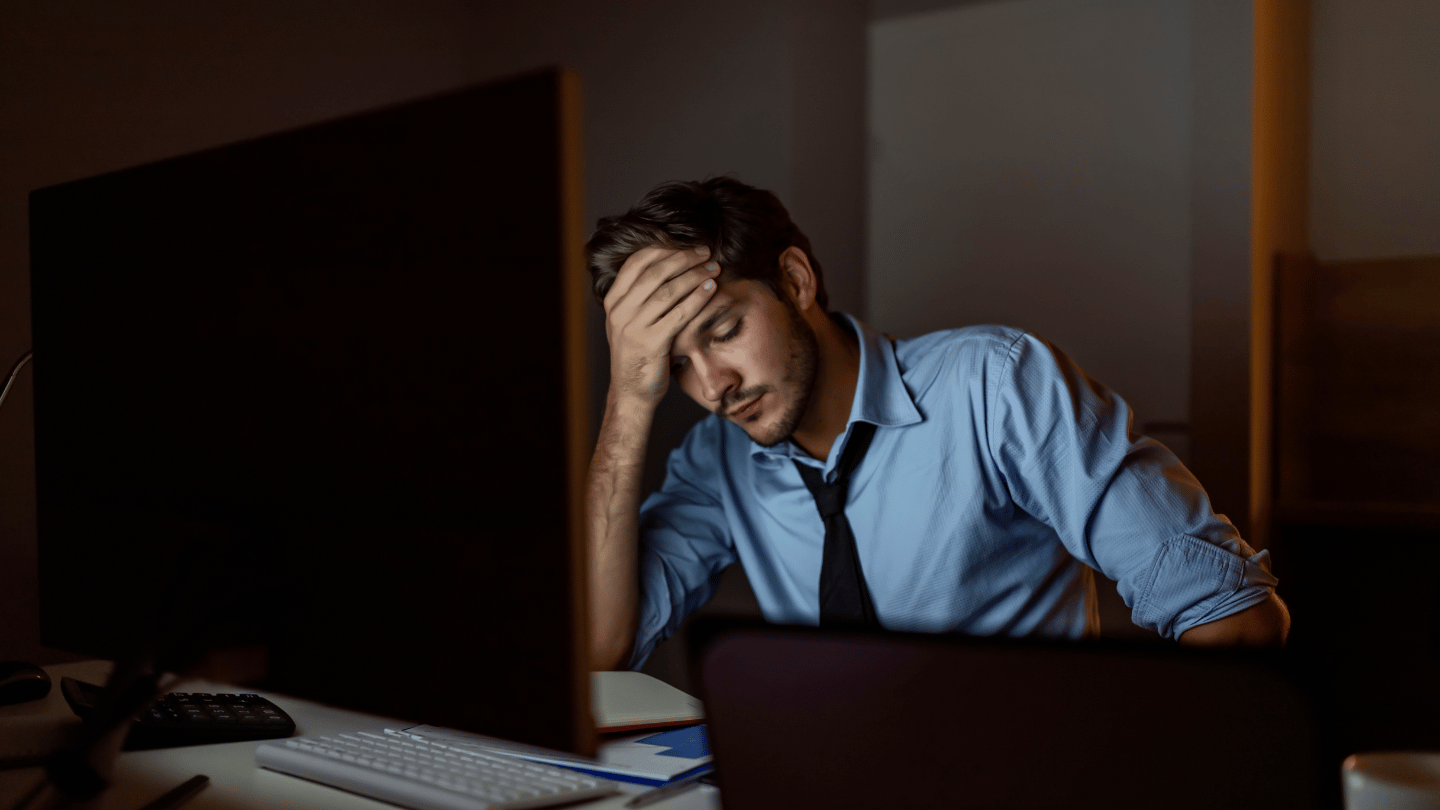
The reason isn't mysterious: they never built the foundation. No exercise routine. No understanding of portion sizes. No habits that work without the appetite suppression. When the medication stops working or stops, there's nothing underneath to hold the line.
But let’s be clear: it's by no means a failure. It's how Ozempic (as a weight loss tool) works. It was never intended to be a permanent solution on its own.
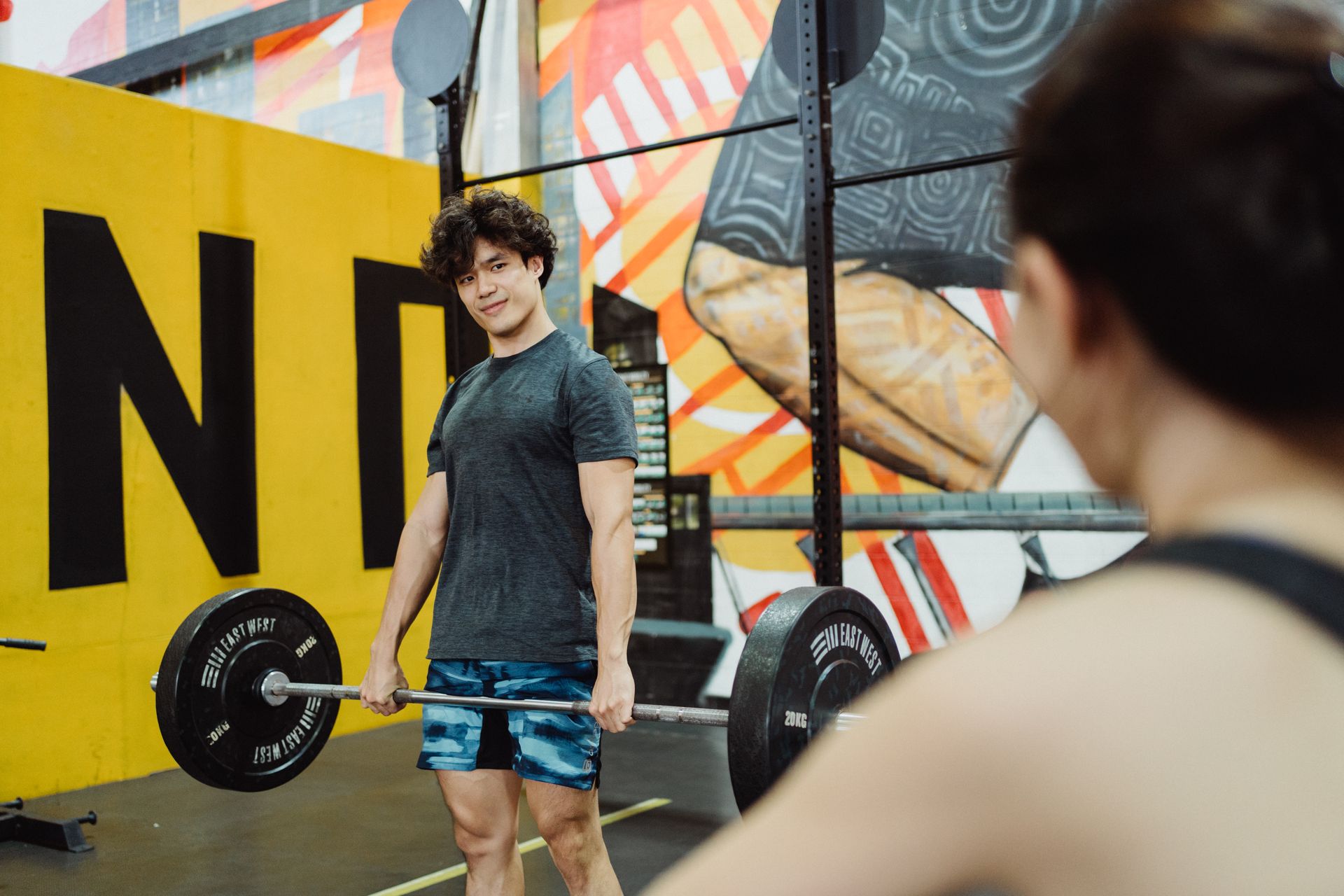
Working out on GLP-1s is different. Your appetite is suppressed, which means you might not feel hungry even when you need fuel. Also, your energy might feel different. All of that is completely normal.
A few practical things:
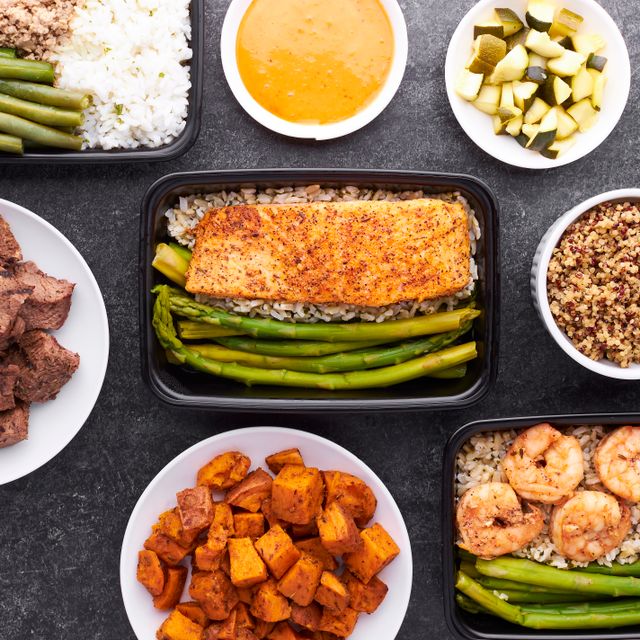
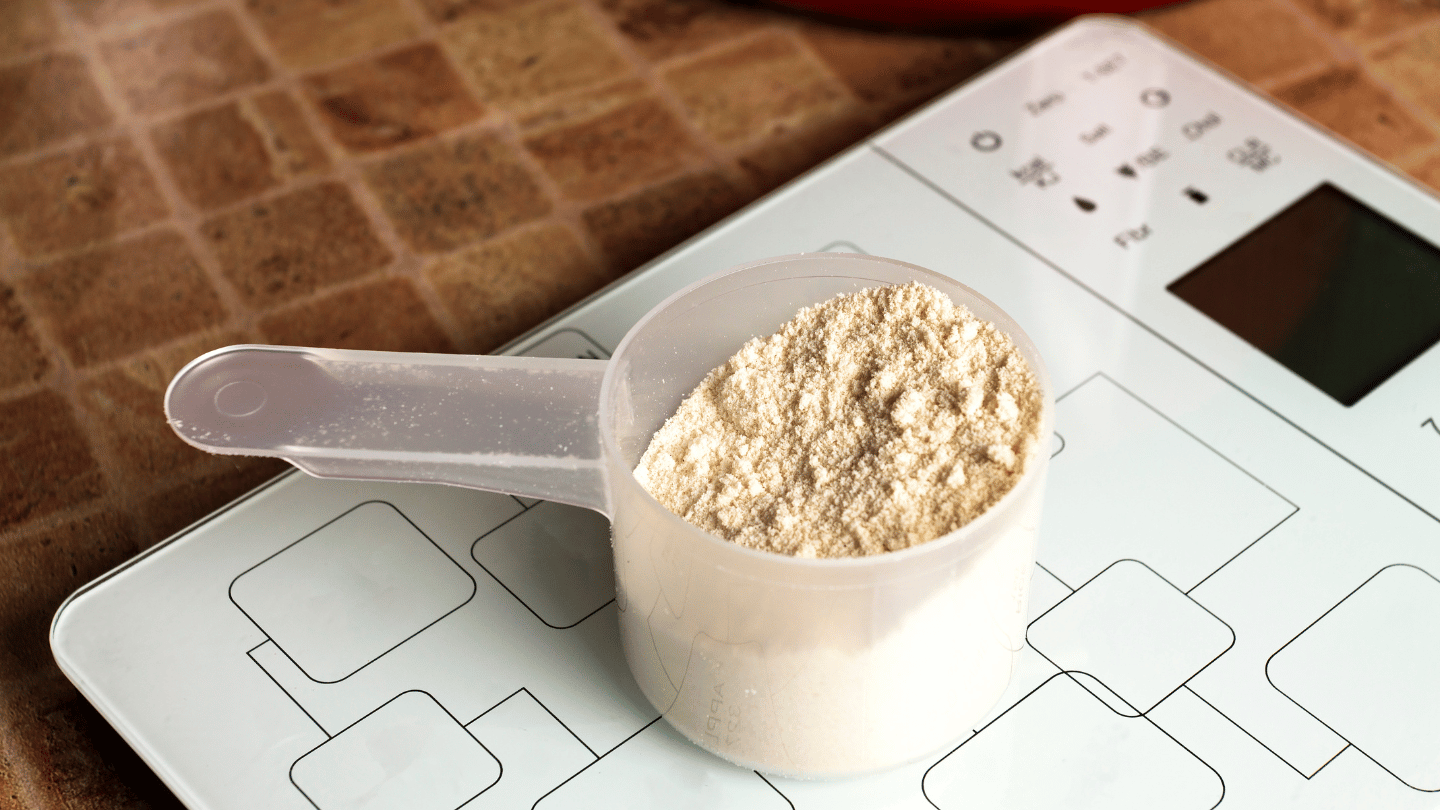
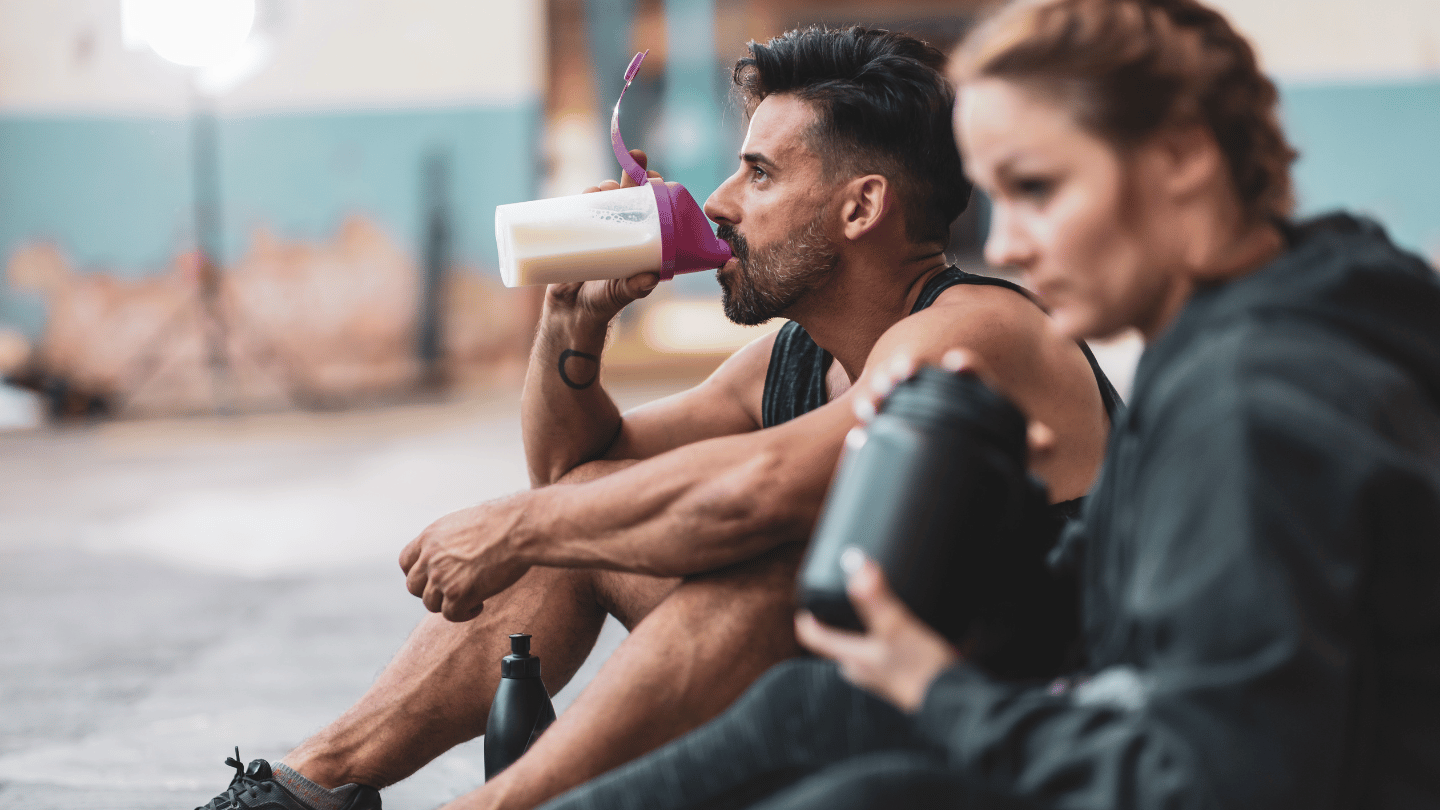
- Eat enough. You're not hungry, but your body still needs calories and protein, especially if you're training. Eat on a schedule, not appetite. Aim for protein at every meal. Protein protects muscle and keeps you satisfied longer.
- Start with what feels good. If you're new to exercise, start with walking or light strength training. If you were already active, you can likely continue. Listen to your body; GLP-1s can affect energy levels differently for everyone.
- Stay hydrated. GLP-1s can affect digestion. Drink more water than you think you need, especially around workouts.
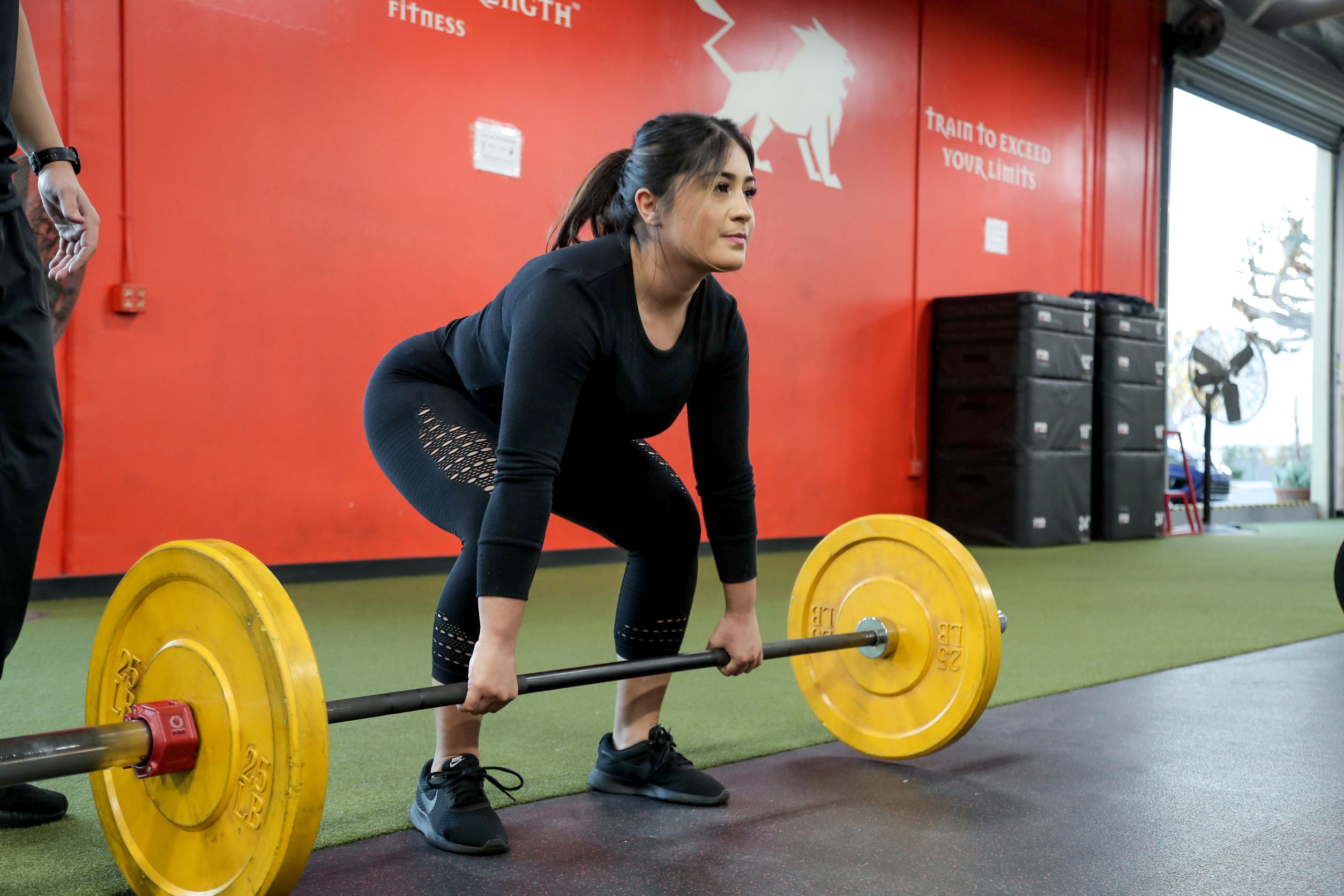
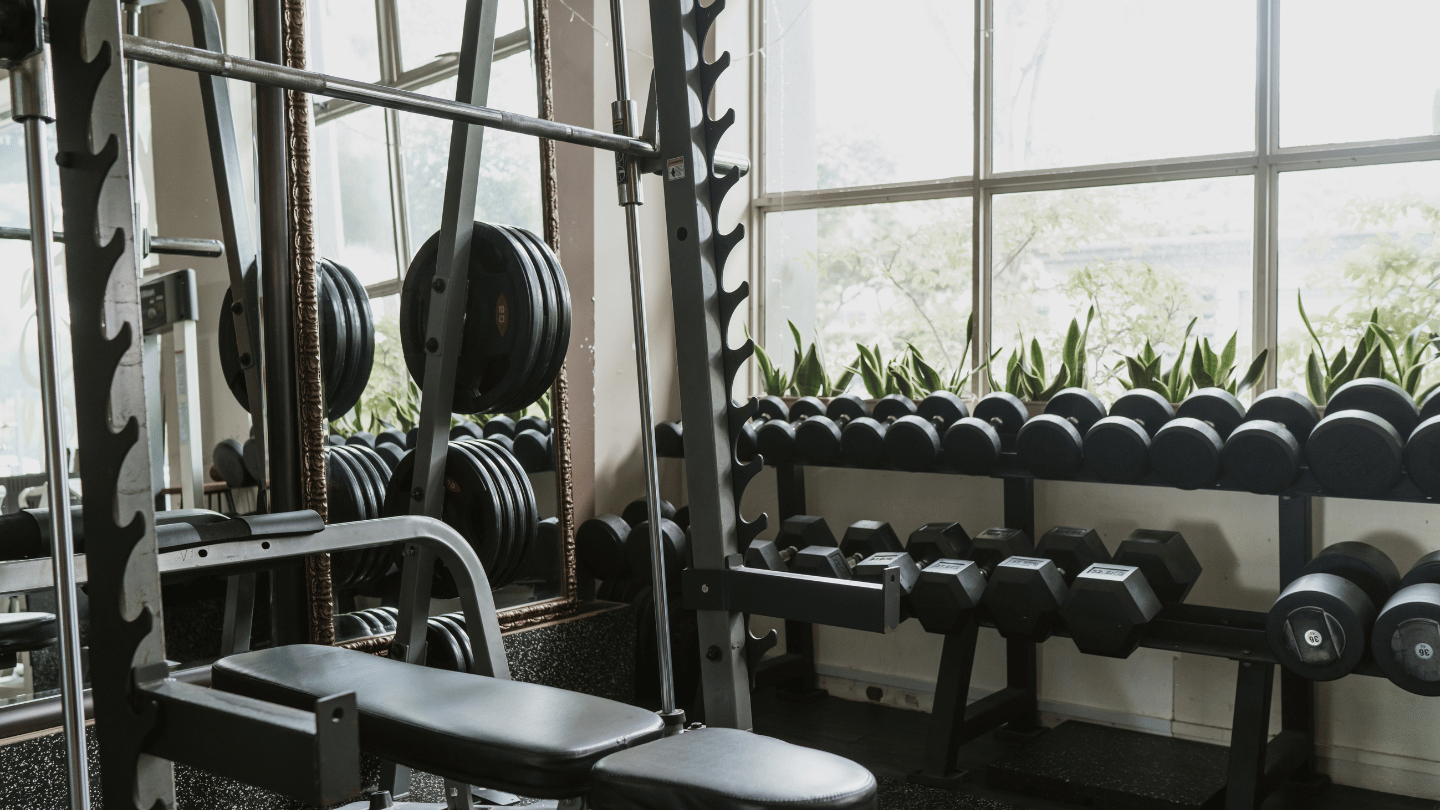
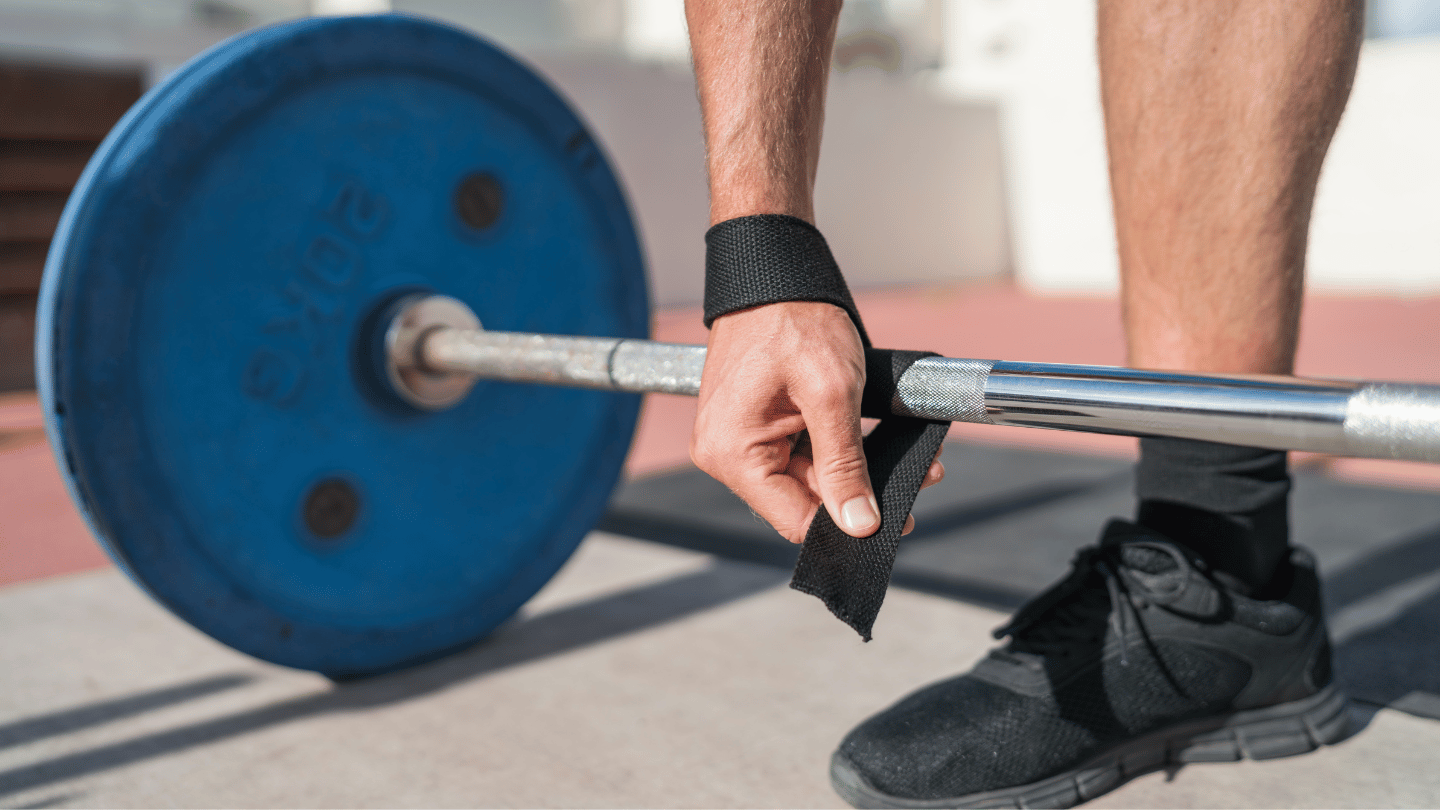
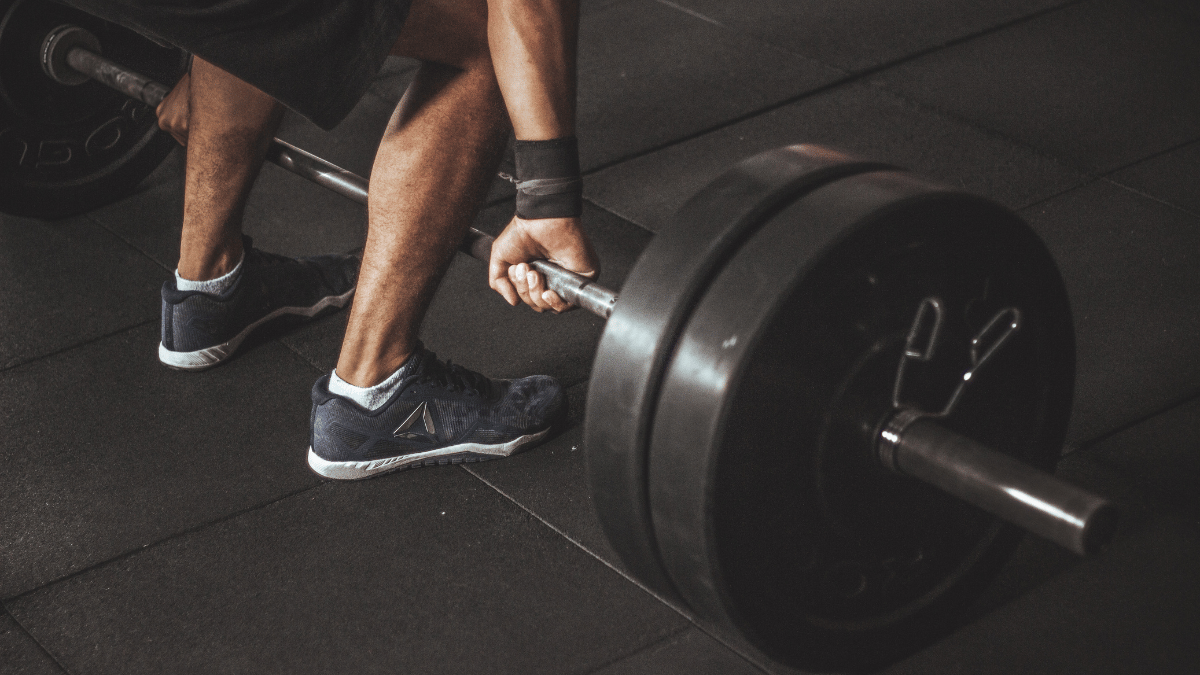
- Strength training over cardio. Cardio burns calories in the moment. Strength training builds muscle, which burns calories all day and looks better as you lose weight. On GLP-1s, you want to preserve muscle, not just lose weight.
Here's the thing about relying only on medication for weight loss: you lose muscle along with fat. You end up lighter but softer. Less capable.
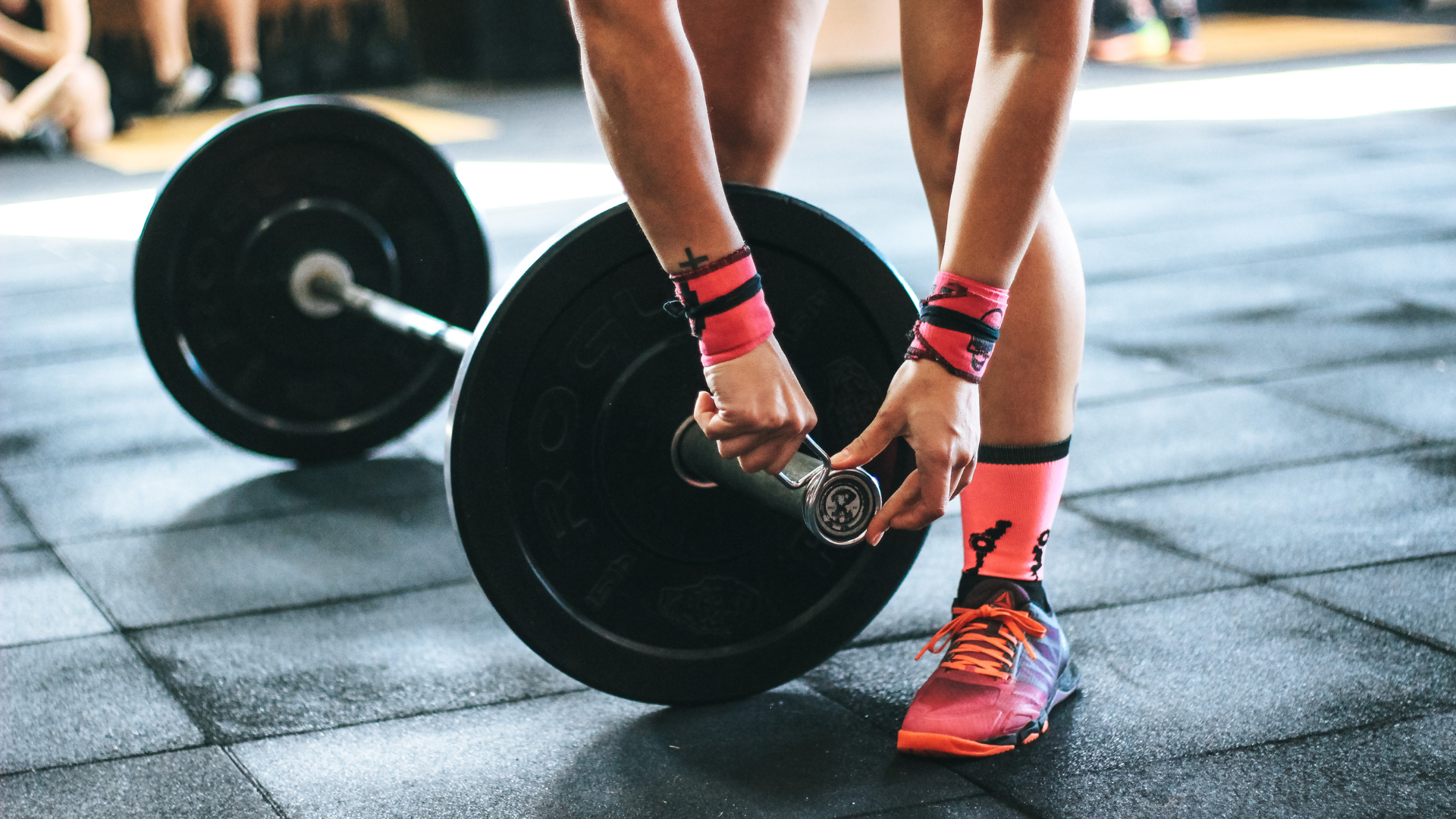
Strength training fixes this. It preserves muscle as you lose weight, which means you look better, feel stronger, and your metabolism stays higher long-term. It also builds the habit of showing up, progressing, and seeing results from effort, not just from a pill.
For people on GLP-1s, strength training is the difference between sustainable weight loss and temporary weight loss. It's also the difference between what happens when you stop the medication.
Ozempic handles appetite. You handle the rest.
That means:
- Exercise 3-4x per week. Mix strength and some cardio. Build a routine you'll stick with even after stopping the medication.
- Eat intentionally. Not because you're hungry, but because your body needs fuel. Track portions if you need to.
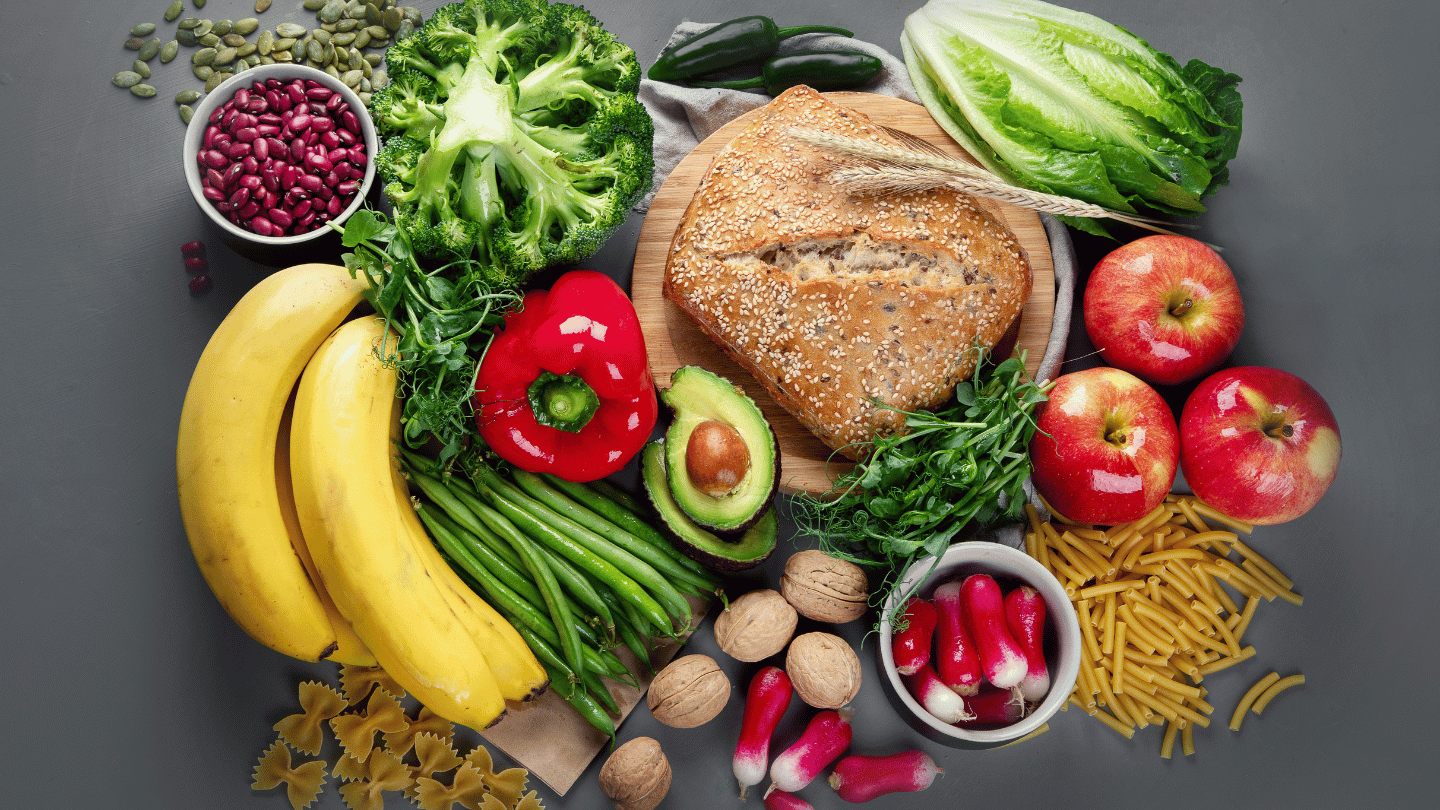
- Prioritize protein. It preserves muscle, keeps you full longer, and supports recovery from training.
- Show up consistently. The medication gives you a window where weight loss is easier. Use that window to build habits that work without it.
This is how people actually keep weight off. Not the medication alone. Not exercise alone. The combination, with consistency as the glue.
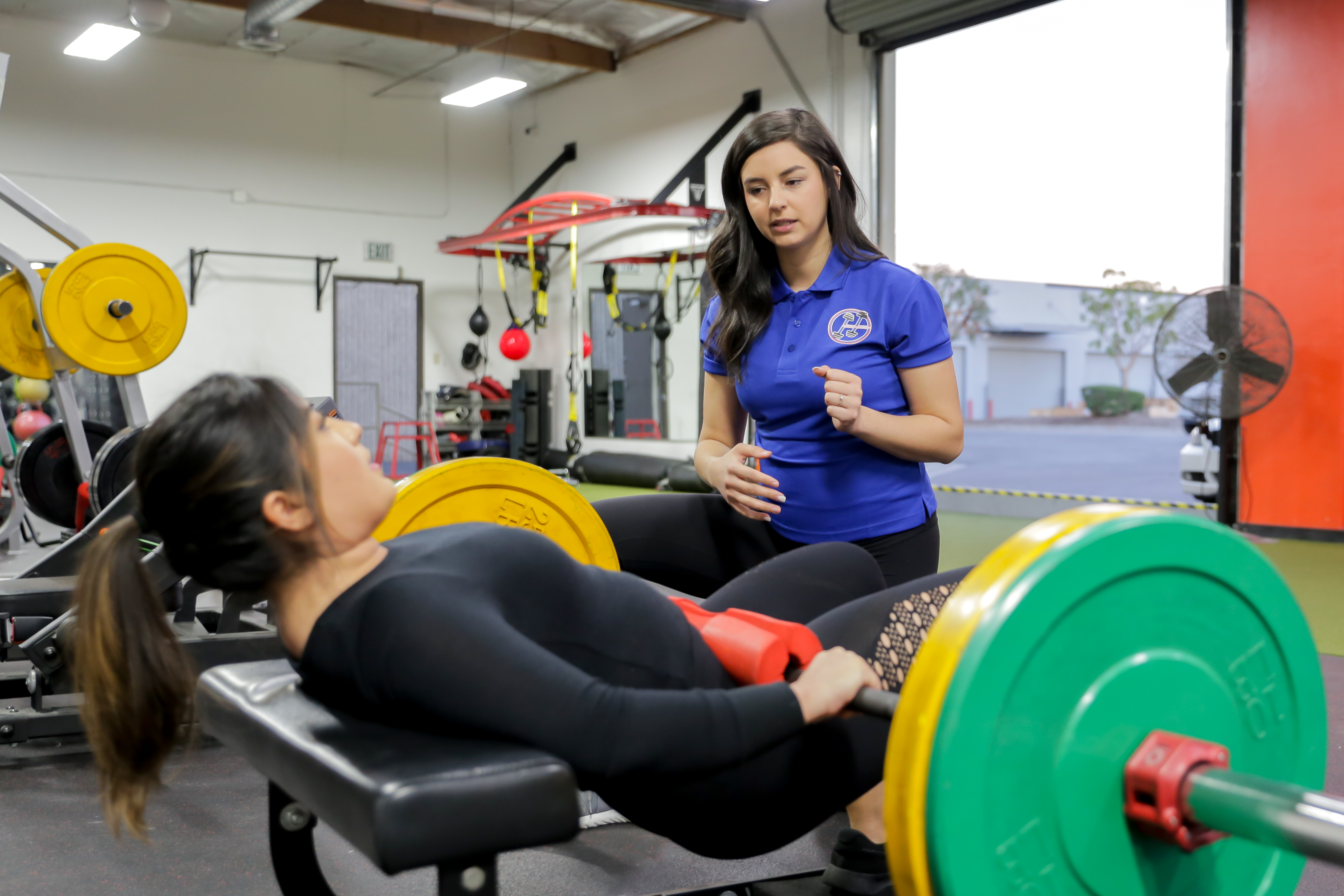
Ozempic suppresses appetite, sure, but it doesn't create accountability, modify your program when life gets chaotic, or notice you're skipping workouts.
An Orange County fitness and nutrition coach does.
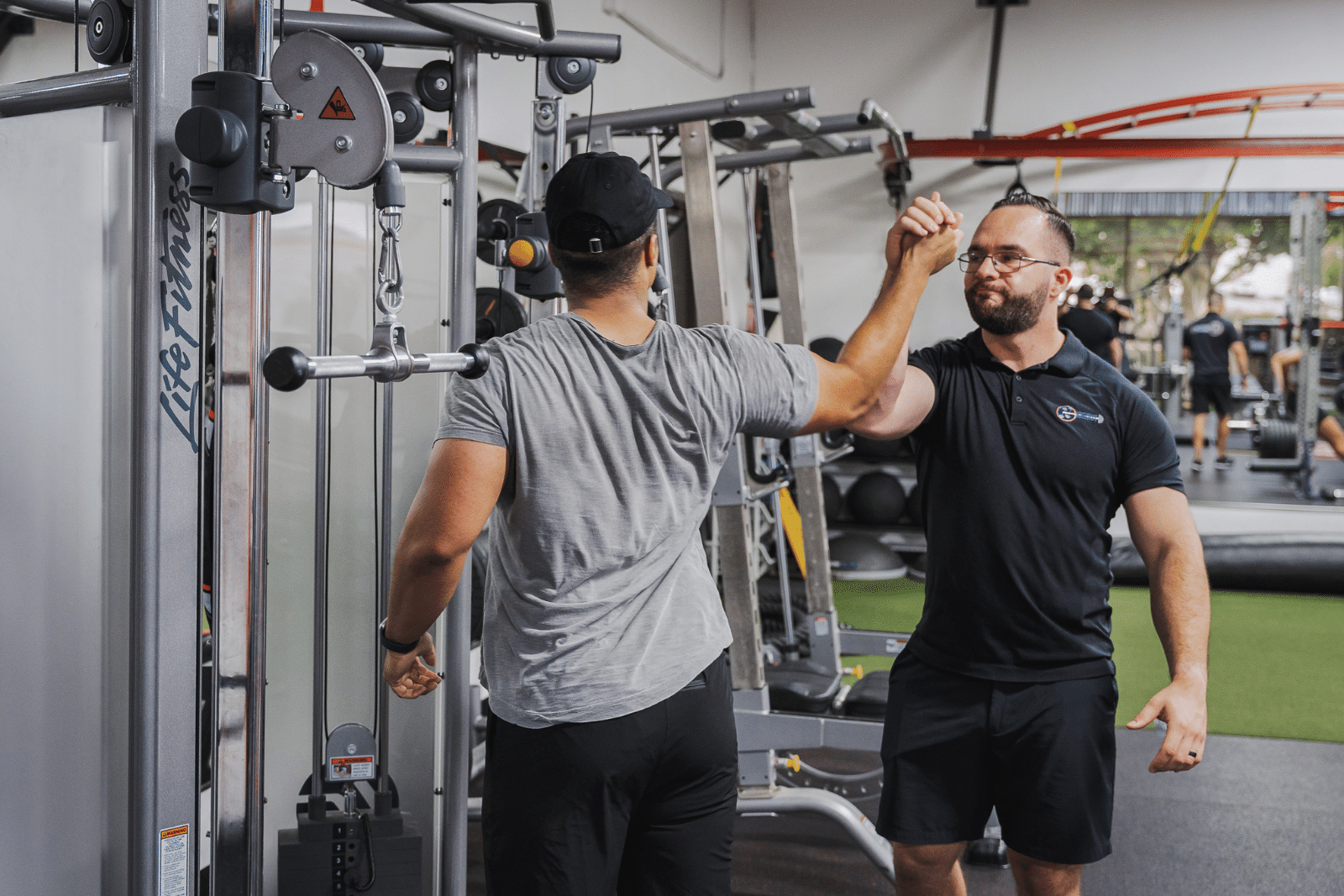
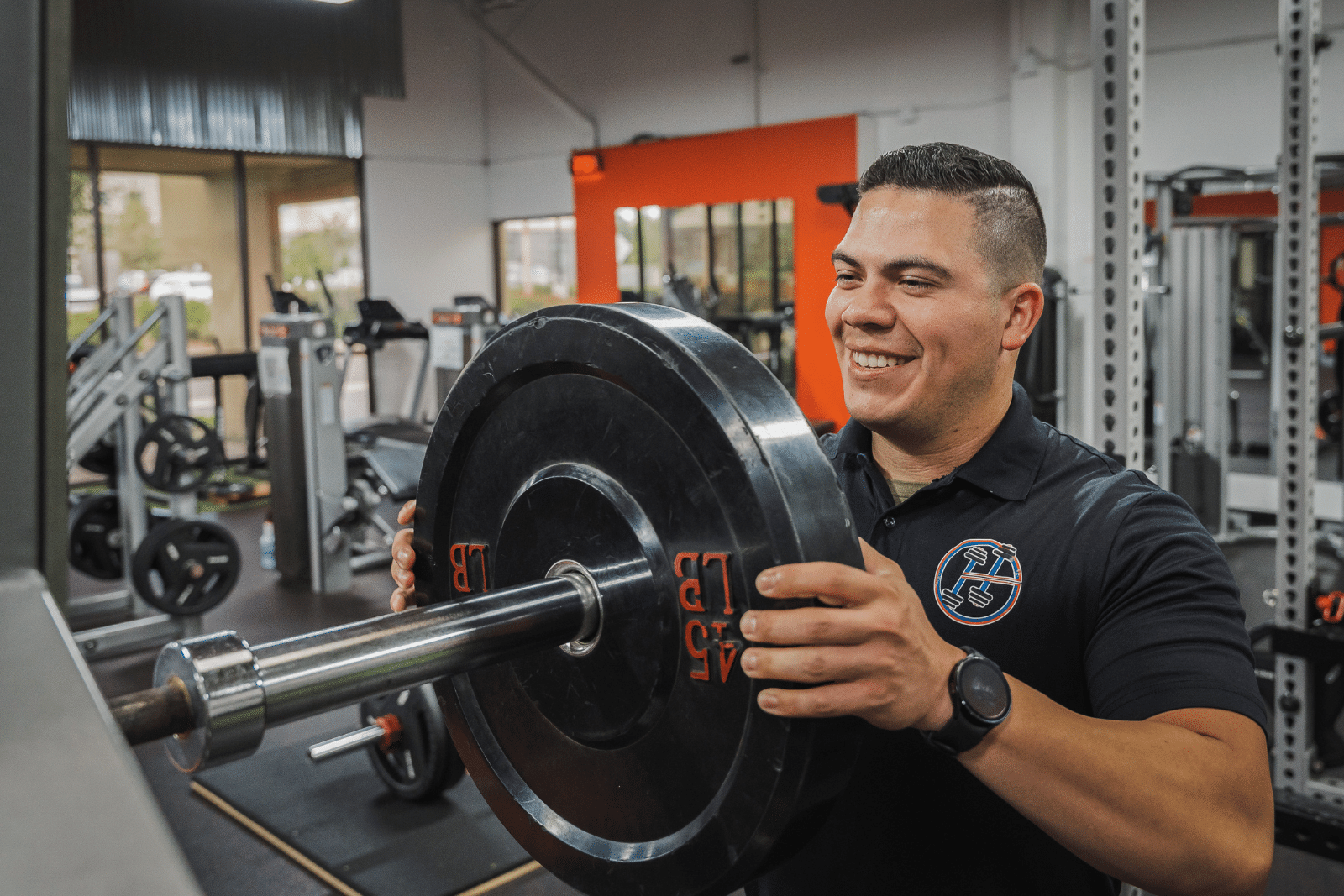
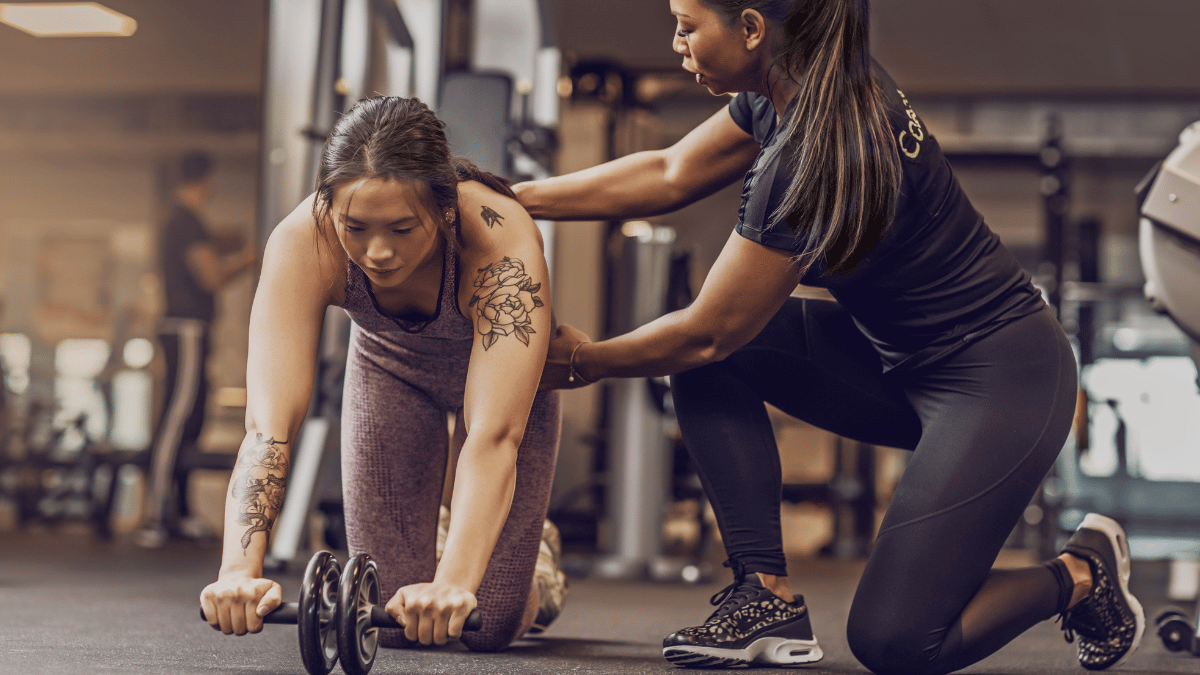
At Hideout Fitness in Irvine, Newport Beach, Costa Mesa, and Tustin, fitness and nutrition coaches work with clients on GLP-1s specifically because they need what medication can't provide: structure, progression, and someone noticing when consistency slips.
We design programs that work right now, while you're on the medication, and continue to work after you stop.
That's the real difference. Not the drug, but the structure underneath.


.jpg)
.jpg)







.png)















.png)


.png)




.png)
.png)