
Ozempic, Wegovy, Mounjaro, and Zepbound. If you're on one of these medications (or thinking about starting) you've probably lost weight faster than you ever thought possible. But you may have also heard the alarming headlines: these drugs can strip away muscle along with the fat. Some people lose so much muscle in a year on GLP-1s that it's the equivalent of 20 years of natural aging.
But what separates people who come out of GLP-1 treatment lean and strong from people who come out looking soft and weak isn't luck, but rather what they do during the treatment. And the biggest lever, by far, is strength training.
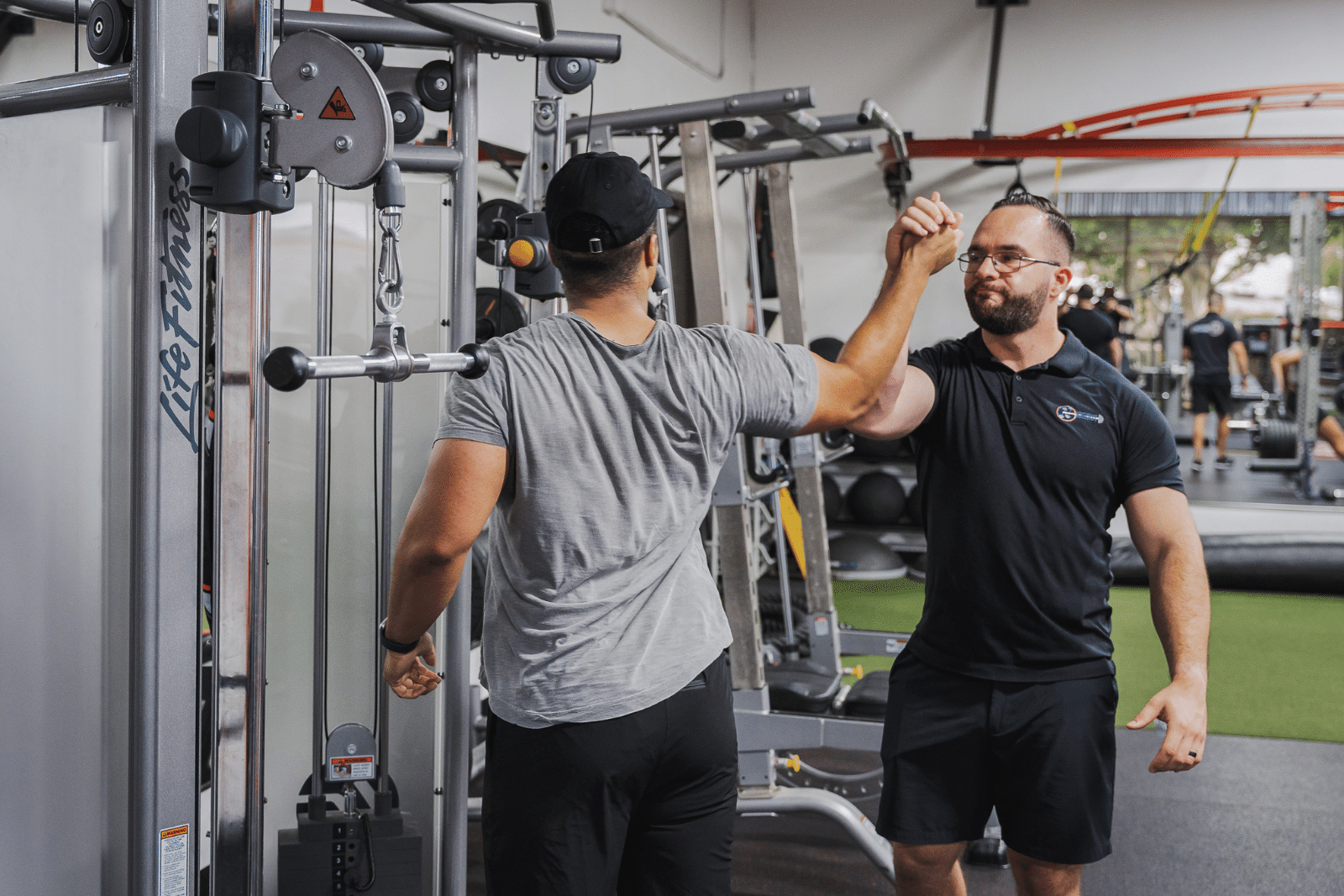
At Hideout Fitness in Irvine, our coaches work with clients across Orange County who are on GLP-1 medications and want to make sure the weight they lose is fat, not the muscle they'll need for the rest of their lives. Here's what actually works.
Why Do GLP-1 Meds Cause Muscle Loss?
GLP-1 medications like Ozempic (semaglutide), Wegovy (higher-dose semaglutide), and Mounjaro (tirzepatide) work by making you feel full faster and less interested in food. They're incredibly effective: people commonly lose 15-20% of their body weight over a year.
But there's a problem: when you lose weight quickly on very low calories, your body doesn't just burn fat. It also breaks down muscle for fuel. This isn't a bug in the medication, but more about how weight loss works when you're eating way less than your body needs.
Clinical trials have measured how much of the weight lost on these drugs comes from muscle versus fat:
- Semaglutide (Ozempic/Wegovy): Roughly 30-40% of weight lost can come from lean mass in the STEP-1 and SUSTAIN trials
- Tirzepatide (Mounjaro/Zepbound): 20-50% of lost weight can be lean mass, depending on the study
To put those numbers in real terms: someone losing 30 pounds on Wegovy might lose 9-12 pounds of muscle. That's significant. Less muscle means slower metabolism, less strength, weaker bones, and a much higher risk of gaining fat back when you eventually stop the medication.
But here's the part the scary headlines skip: the SEMALEAN study tracked women on semaglutide for a year and found that with proper training and protein, participants actually gained handgrip strength while losing fat. Muscle loss on GLP-1 meds isn't guaranteed. It's a default that you can override.
Why Muscle Loss Matters More Than You Think
Losing muscle affects way more than just aesthetics. Muscle is what:
- Keeps your metabolism running. More muscle = more calories burned at rest. Lose muscle and your body burns fewer calories every single day, forever.
- Protects your bones. Muscle and bone health are connected. Less muscle usually means weaker bones and higher fracture risk as you age.
- Prevents weight regain. When you stop the medication (or plateau), lower muscle mass makes it much easier to regain the fat you lost.
- Keeps you functional. Carrying groceries, playing with your kids, hiking Peters Canyon on a Saturday. All of it requires muscle.
- Improves how you handle blood sugar. Muscle acts like a sponge for glucose, which supports the same metabolic benefits GLP-1 meds are helping you get.
Losing muscle you don't have to lose is one of the most avoidable long-term costs of using these drugs. Here's how to avoid it.
The 4 Rules for Protecting Muscle on GLP-1 Meds
1. Strength Train at Least 2-3 Times Per Week
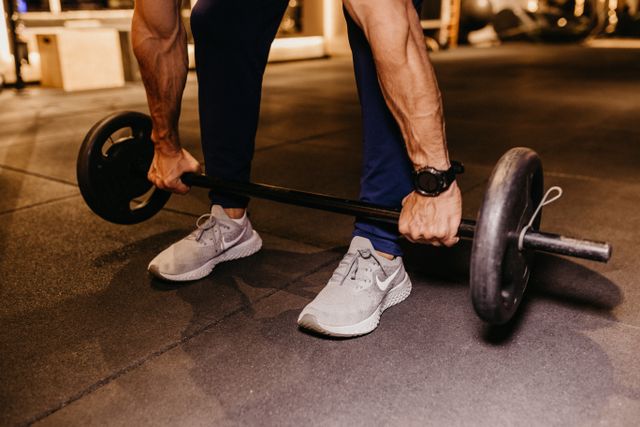
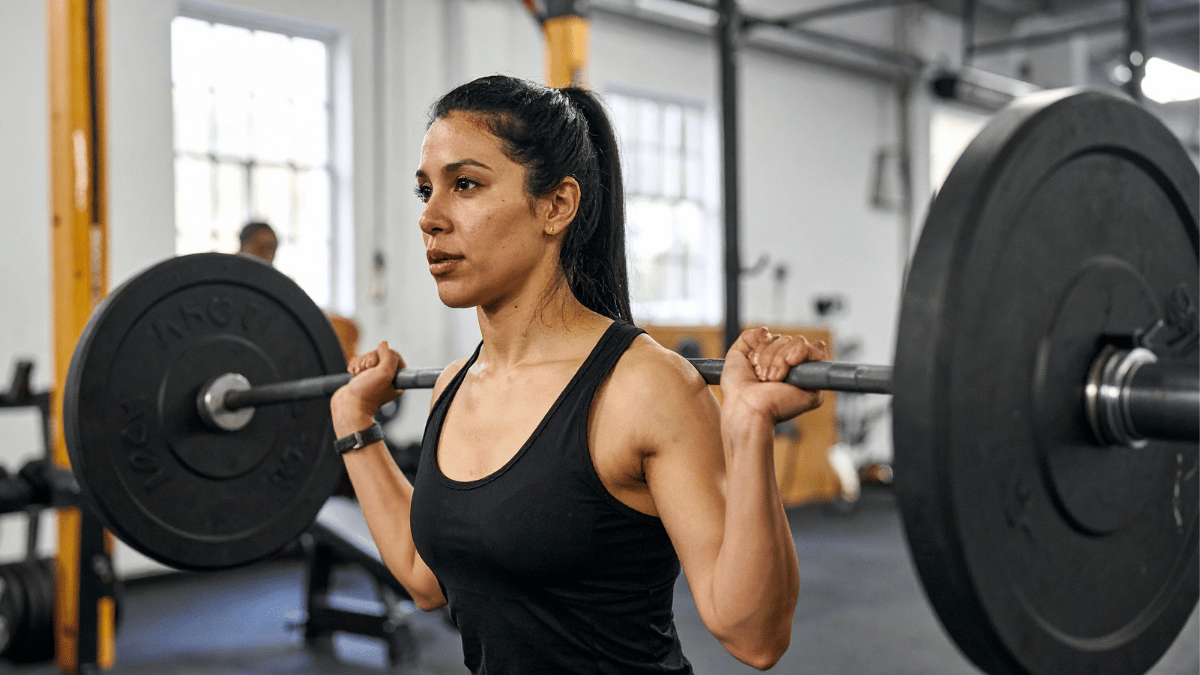
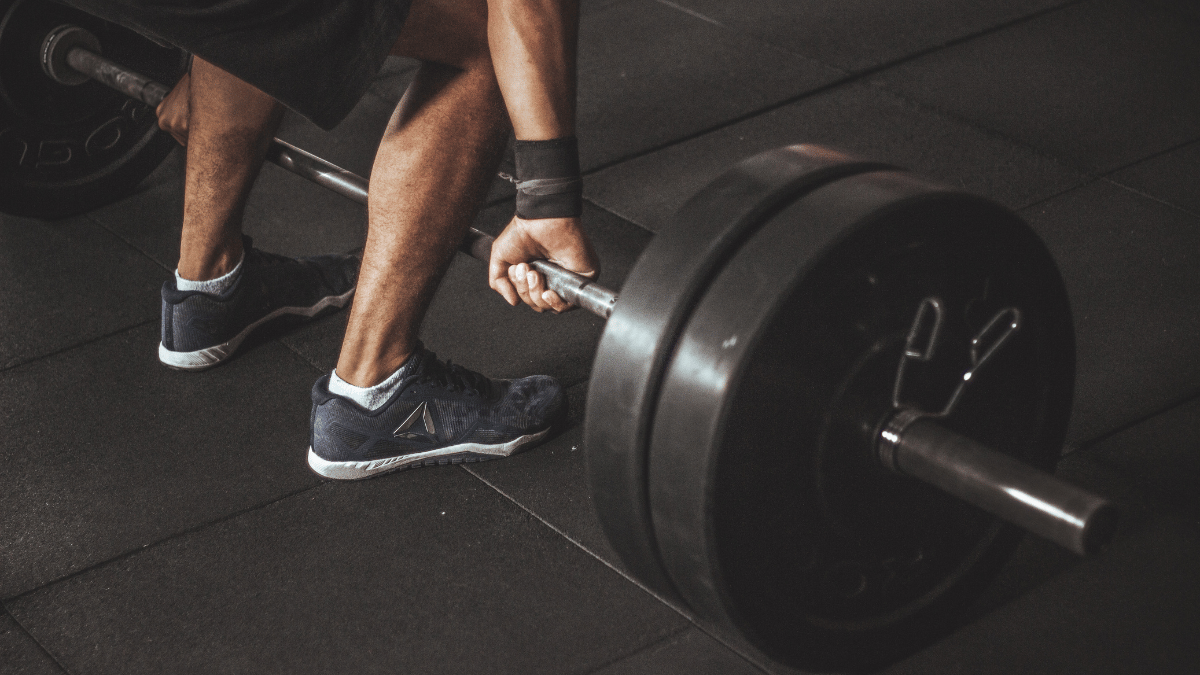
This is the single most important thing you can do. Not cardio. Not walking. Strength training with real resistance is the only exercise that tells your body "keep this muscle, burn the fat instead."
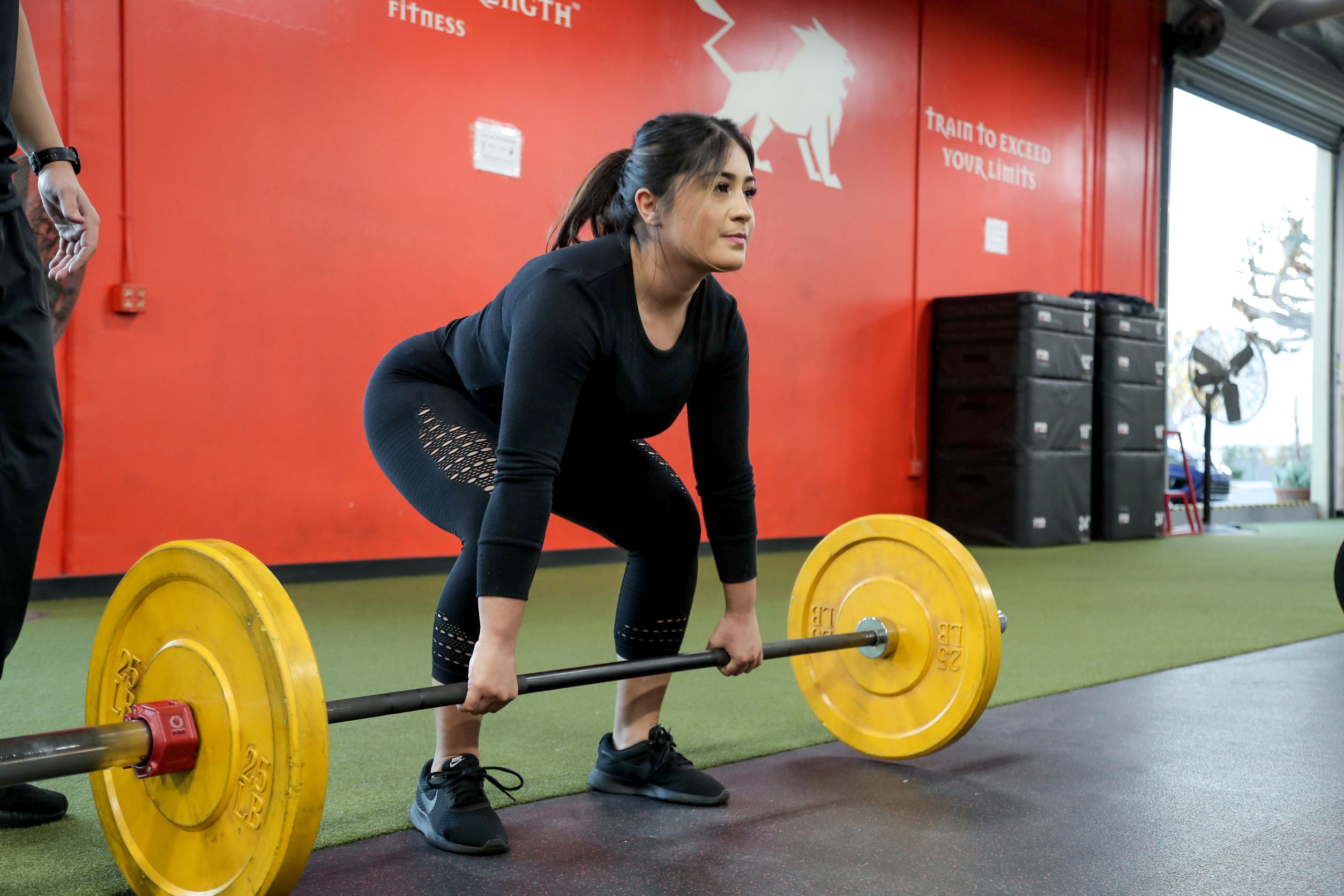
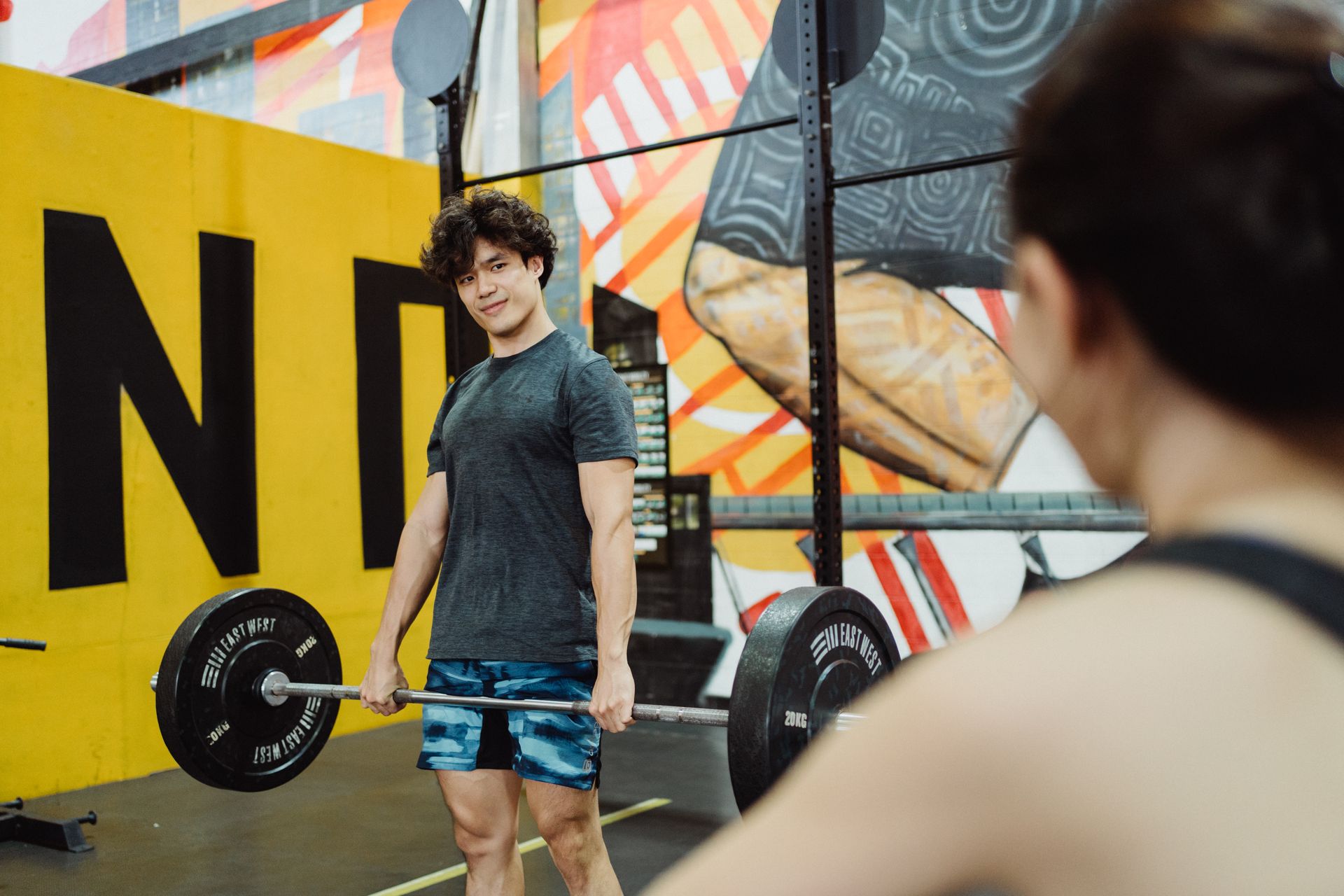
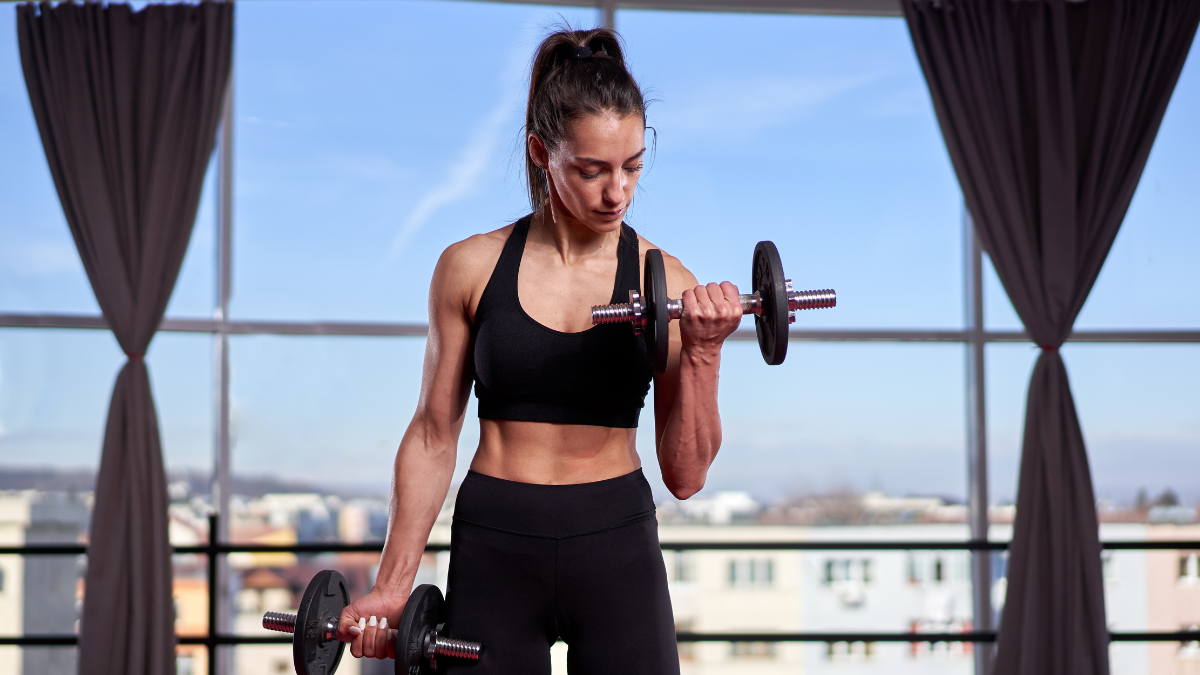
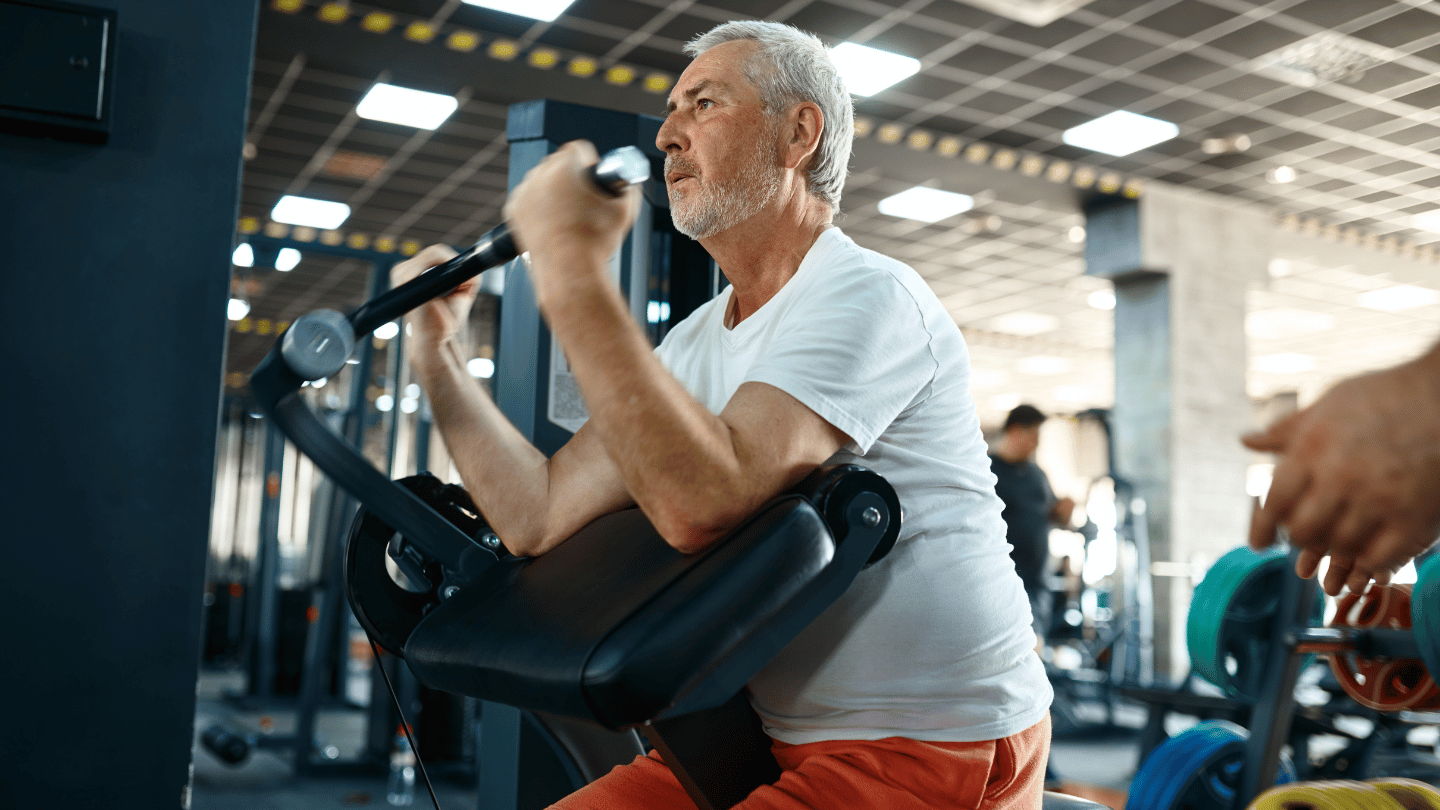
Focus on compound lifts, exercises that use multiple muscle groups at once. That means squats, deadlifts, pushes (like bench press or overhead press), rows, and pull-ups. Aim for 2-3 full-body sessions per week. If you're brand new to lifting, dumbbells and machines work great to start.
The research is clear: without strength training, you'll lose muscle. With it, you can preserve almost all of it.
2. Get Way More Protein Than You Think You Need
This is where most GLP-1 users fall short. The medication makes you not want to eat, which usually means protein takes a hit right along with calories.
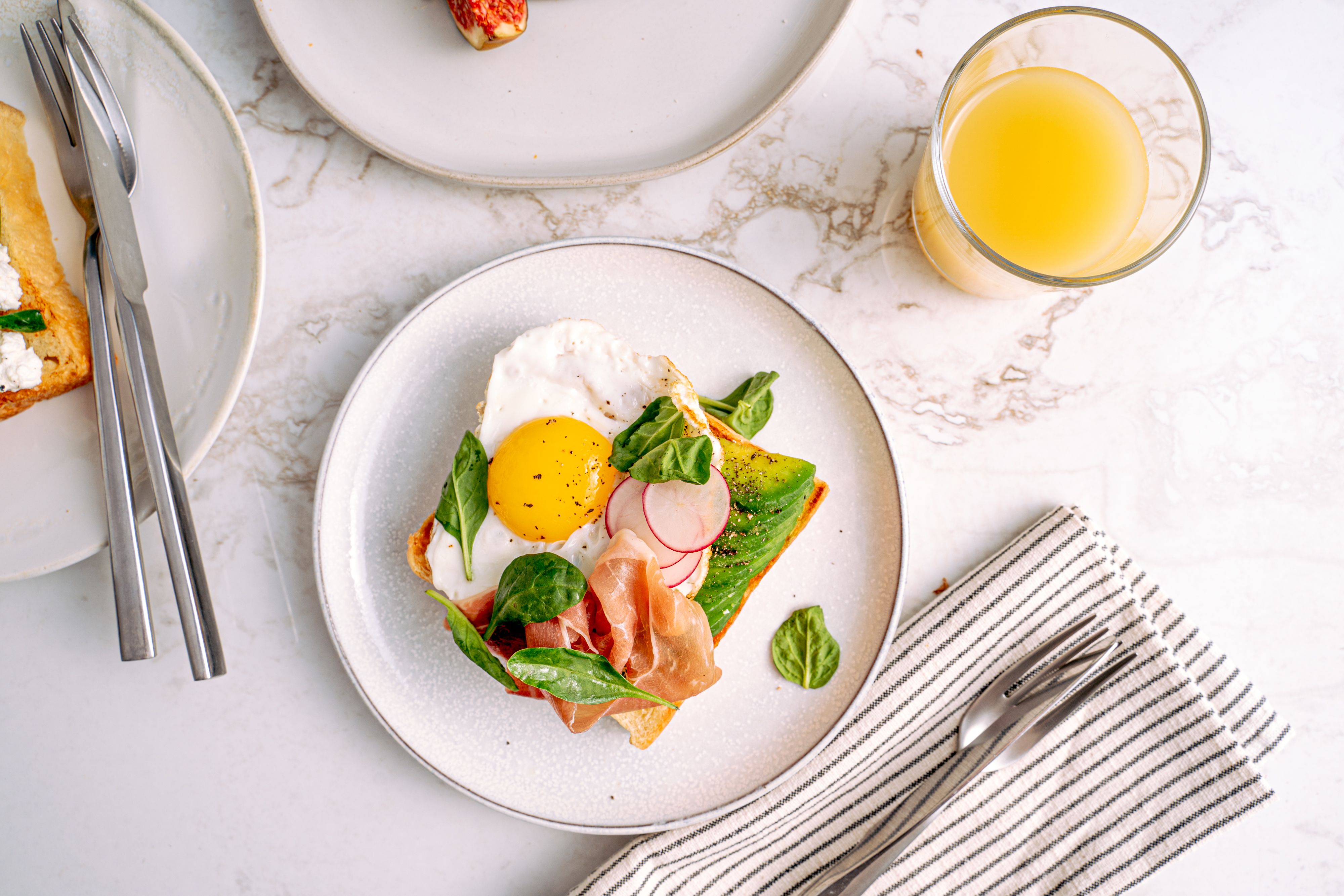
Aim for at least 1 gram of protein per pound of your goal bodyweight, every day. For a 180-lb person who wants to be 150 lbs, that's 150 grams a day. Spread it across 3-4 meals or snacks with 25-40 grams per meal.
Prioritize easy-to-eat protein sources when your appetite is low:
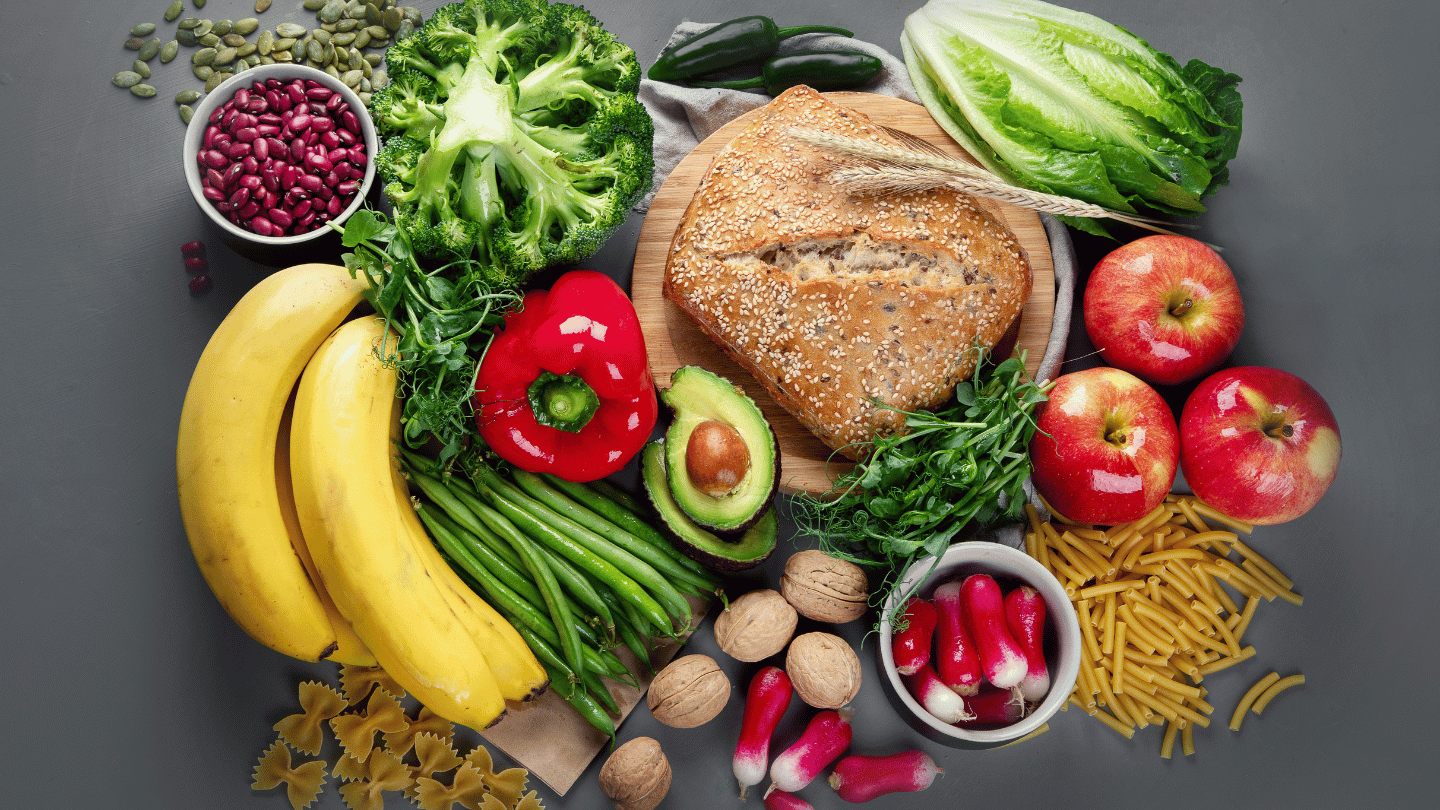
- Greek yogurt
- Cottage cheese
- Protein shakes
- Chicken breast or ground turkey
- Eggs
- Fish
- Lean beef
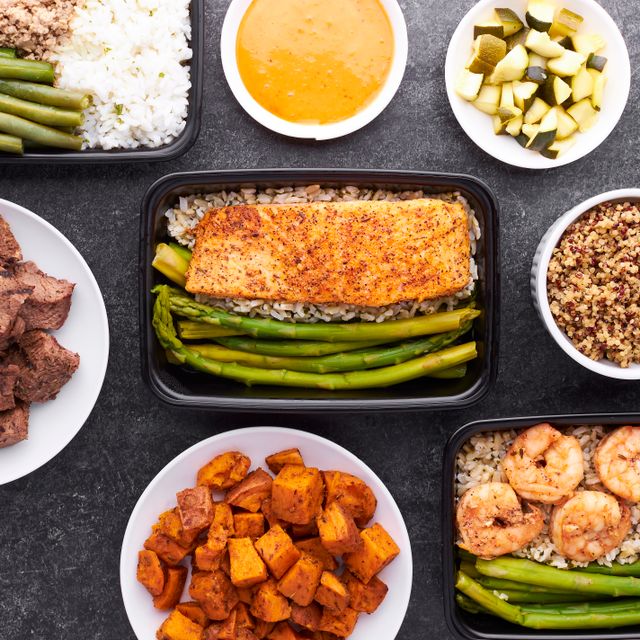
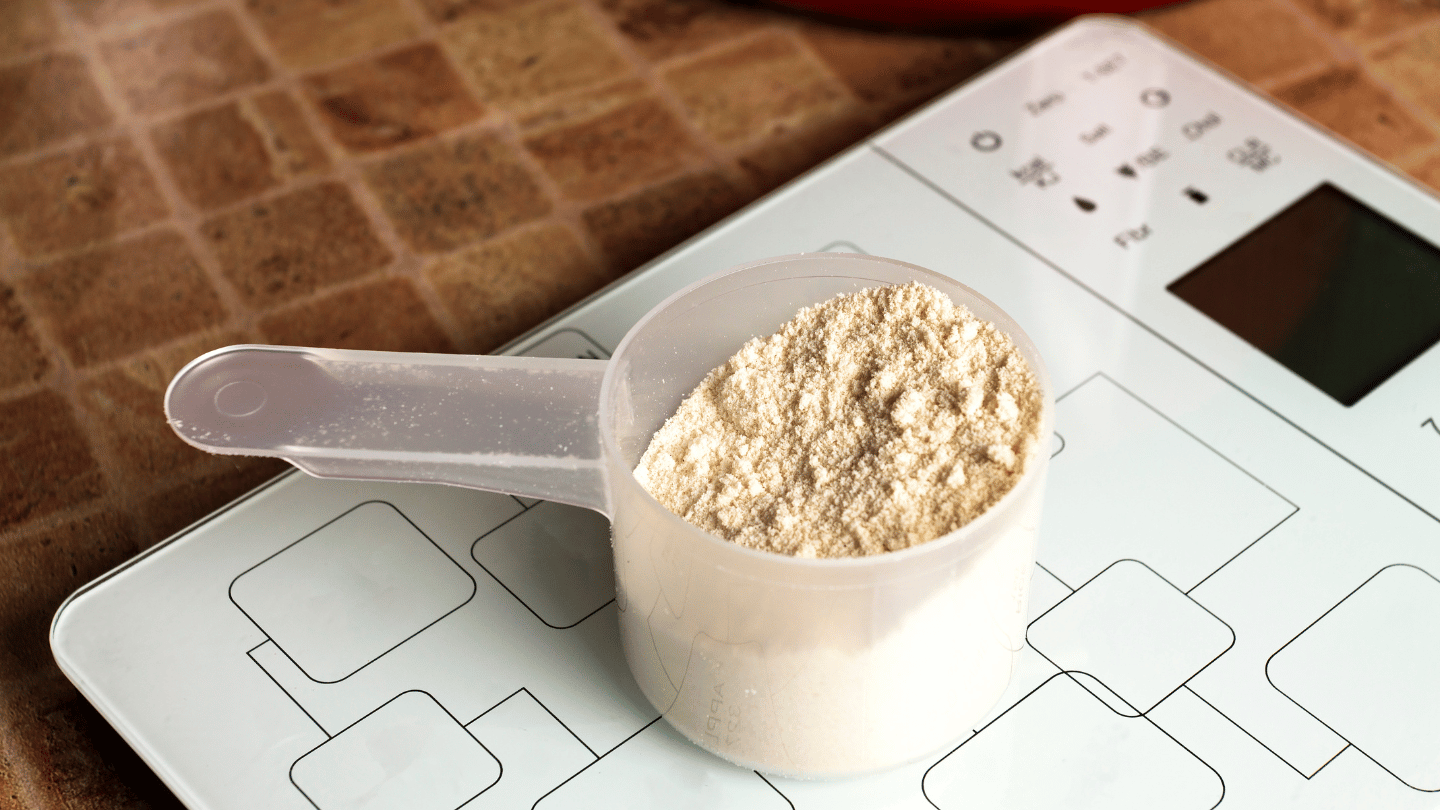
If solid food feels tough on the medication, protein shakes are a legitimate workaround. Two shakes a day can easily hit 60+ grams without asking your appetite to do heavy lifting. Meal prepping makes protein targets far easier to hit.
3. Don't Lose Weight Too Fast
Sustainable fat loss without significant muscle loss is roughly 0.5-1% of your body weight per week. For a 200-lb person, that's 1-2 pounds a week. If you're losing more than 1.5% per week on GLP-1s, you're almost certainly burning muscle you didn't need to lose.
The fix: eat more (especially protein), or talk to your doctor about your dose. Aggressive rapid weight loss looks great on the scale but leaves you weaker and more likely to gain the weight back.
4. Consider Creatine
Creatine monohydrate is one of the few supplements with strong research behind it, and it's especially useful during weight loss. It helps preserve muscle and strength during calorie restriction. Standard dose: 3-5 grams daily. Take it with food and consistent water intake.
The Common Mistakes We See in Irvine and Orange County
At Hideout Fitness, we work with GLP-1 clients across Orange County, and we see the same avoidable mistakes over and over:
- Doing only cardio. Walking is great. Cardio has its place. But neither preserves muscle. You have to lift.
- Barely eating. GLP-1s make you full fast, so people assume they're supposed to eat almost nothing. Wrong. You still need protein and enough total calories to preserve muscle.
- Skipping meals entirely. Going 12+ hours without eating on a GLP-1 med is a recipe for muscle loss, low energy, and rough workouts. Small, protein-focused meals throughout the day work better.
- Waiting until they hit their goal weight to start training. By then, you've already lost muscle you'll have to rebuild. Start strength training the same week you start the medication.
- Being afraid to lift heavy. You can and should progressively increase weight. Light dumbbells and endless cardio won't preserve muscle. Real resistance will.
How Hideout Fitness in Irvine Builds Programs for GLP-1 Clients
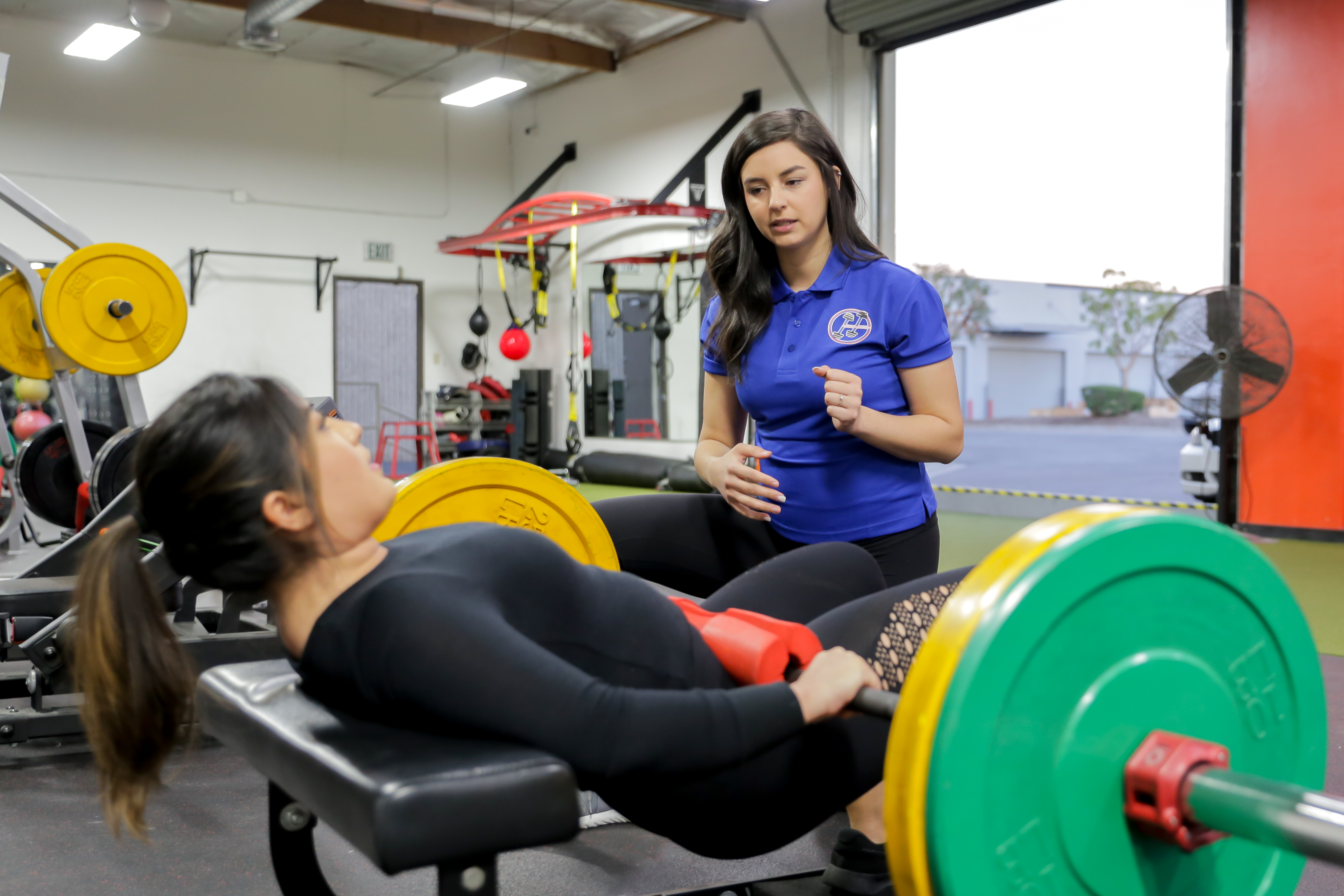
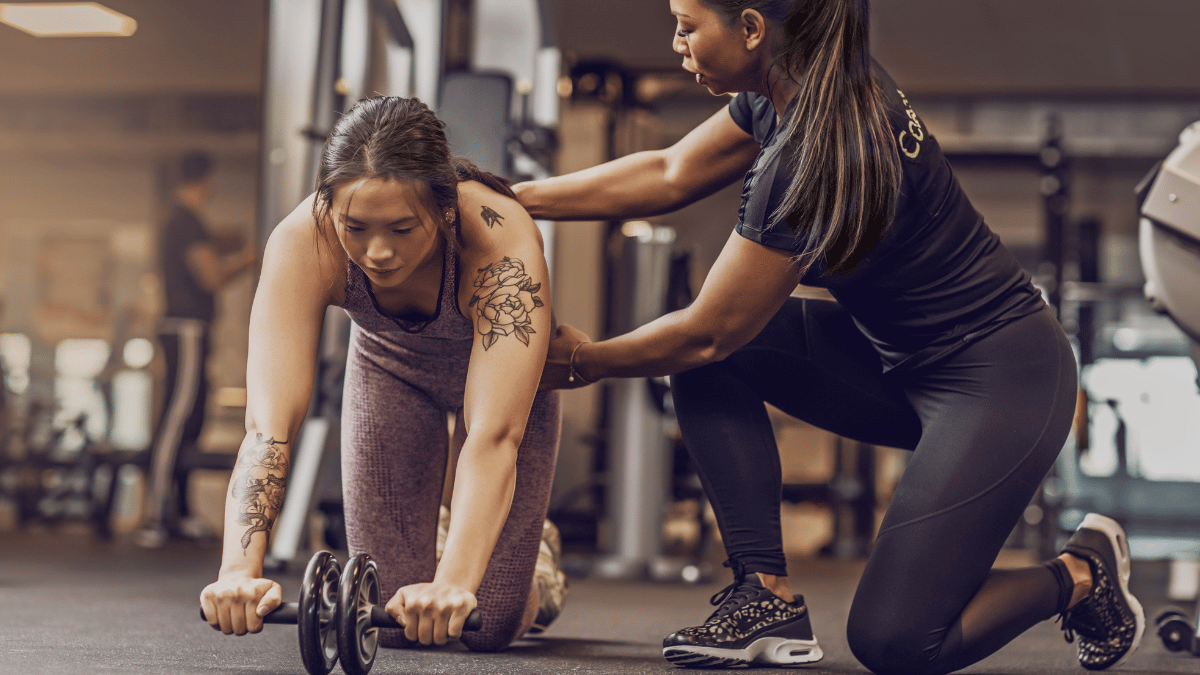
The coaches at Hideout Fitness, including head trainer Coach Jacob Rodriguez and Coach Chay (CSCS, women's fitness specialist) build programs specifically designed for clients on Ozempic, Wegovy, and Mounjaro.
Every program includes:
- A structured strength training plan built around compound lifts and progressive overload
- A personalized meal plan that hits your protein target even with reduced appetite
- Progress tracking that measures body composition, not just scale weight (so you can see whether you're losing muscle or fat)
- Coaches who understand the medication timeline and adjust intensity based on how you're feeling
Whether you prefer private training or semi-private sessions (30% savings vs. private), we've got you.
We're Closer Than You Think!
Located at 16510 Aston St in the Irvine Business Complex (just minutes from John Wayne Airport, UCI, and the Irvine Spectrum) we serve GLP-1 clients across Orange County:
- Costa Mesa: about 8 minutes (4 miles)
- Newport Beach: about 12 minutes (7 miles)
- Tustin: about 10 minutes (5 miles)
- Santa Ana: about 12 minutes (6 miles)
- UCI / University Park: about 8 minutes (4 miles)
- Lake Forest: about 15 minutes (10 miles)
- Most of Irvine (Woodbridge, Quail Hill, Turtle Rock, Northwood, Westpark): under 10 minutes
If you're on Ozempic, Wegovy, or Mounjaro (or considering starting) the smartest thing you can do is start strength training before you lose muscle you'll have to rebuild later.

.jpg)
.jpg)






.png)














.png)


.png)




.png)
.png)