

January 1st arrives with optimism across Orange County. People in Irvine, Newport Beach, Costa Mesa, and Tustin commit to the gym. They map out schedules and envision themselves six months from now, transformed, disciplined, unstoppable.
By February 15th, most of those plans are gone.
New Year's fitness plans fail because they're built on motivation alone. This happens to Orange County professionals regardless of location, whether you're in Irvine, Newport Beach, Costa Mesa, or Tustin. When motivation is your only strategy, you're fighting an uphill battle from the start.
The fact that you're reading this means you're already thinking differently about what actually works for you in the new year. February doesn't have to be the month your plans disappear. It can be the month you realize structure, accountability, and a coach who believes in you actually change everything. Let's build something that sticks!
The fitness world has a narrative: Find your "why." Get motivated and push through discomfort. That narrative works for about four weeks.
Then real life shows up: work deadlines hit, family obligations pop up, you get sick, or travel happens. Understandably, stress increases, and hitting the gym consistently might not top the list of your priorities in the thick of life happening.
And on those exact days, when exercise matters most for your mental health, your motivation crashes, and you skip your training sessions. By mid-February, the routine has fallen apart.
A plan built entirely on motivation is designed to fail the moment life becomes difficult. And life always becomes difficult at some point.
When training lacks structure, results follow suit. Monday, you do legs. Wednesday is cardio. Friday is arms. Then you're too busy for a week, and then you try to do everything in one session.
Your body doesn't respond to randomness. It responds to a consistent, progressive challenge. That means knowing what you did last week so you can push slightly harder this week. It means having a plan that builds on itself.
Without structure, you can work out for months and see almost nothing change.
Research on why people actually quit reveals the real barriers. Most people who drop out report unrealistic expectations about what results will look like and when they'll appear. They face scheduling conflicts that make inconsistent training the default. They struggle to prioritize exercise when life gets busy. And critically, they lack someone checking whether they're staying on track.
The key finding: people don't quit because they're lazy or lack willpower. They quit because the barriers they encounter outweigh the benefits they're experiencing, especially when they're trying to maintain it all through motivation alone.
Structure works whether you feel motivated or not. It doesn't depend on how you feel.
- Intentional progression. Each week builds on the last. Weights go up slightly. Reps increase. Your body adapts: strength improves, energy increases, body composition shifts. Real progress.
- Tailored to your real life. If you travel frequently, a plan requiring a specific gym doesn't work. If your hours are unpredictable, rigid training times don't work. Real structure adapts to reality instead of demanding you reshape your life around fitness.
- Built-in accountability. When someone's tracking your progress, behavior changes. Someone adjusts the plan when something isn't working. That replaces the endless need to motivate yourself.
- A clear path forward. Random training creates confusion. A structured plan shows what's next. Progress is measurable.
This separates people who achieve results from people who try and quit. Structure, not genetics or willpower, determines the outcome.
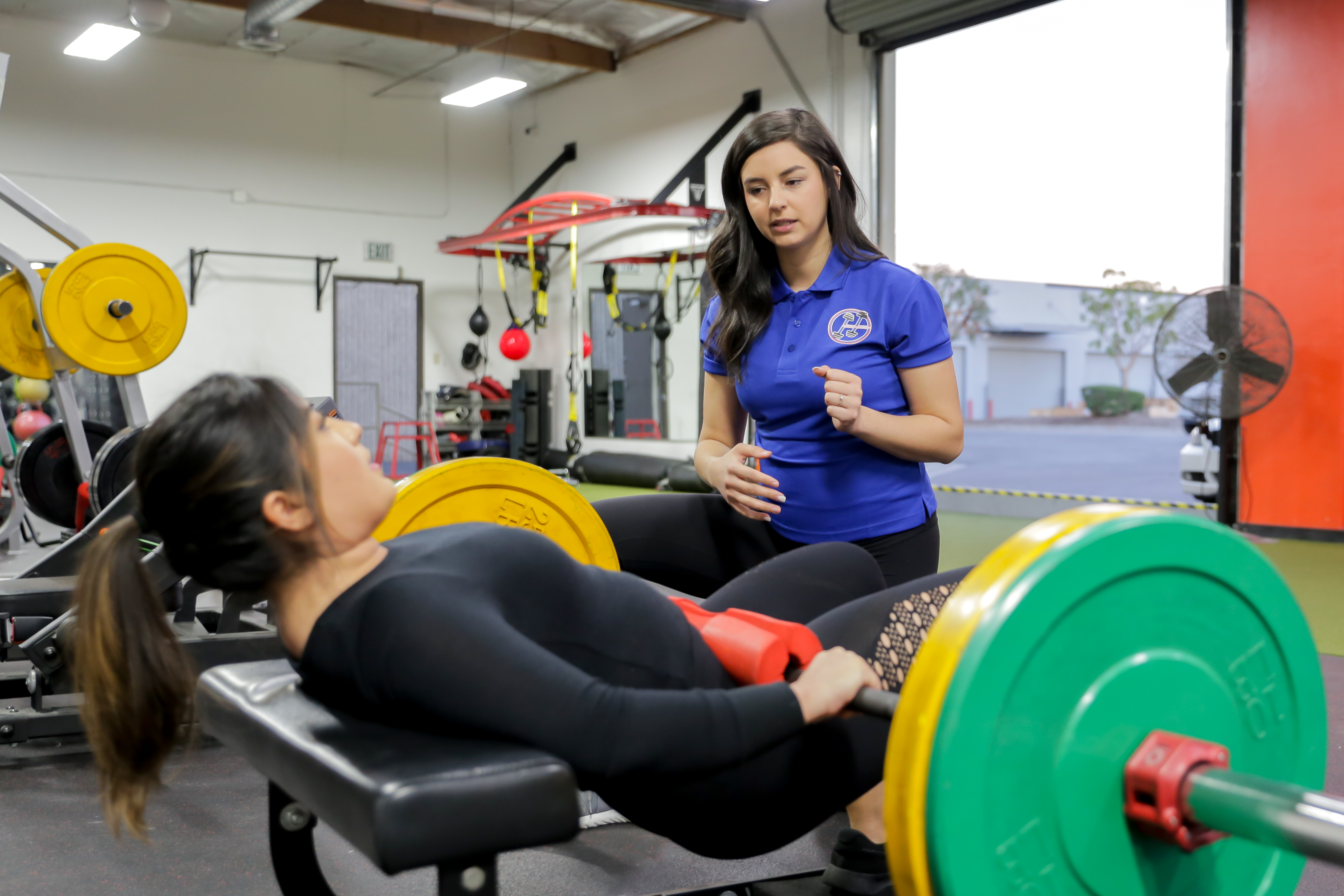
This is where a trainer changes the equation. You get structure, backed by someone tracking your progress and adjusting when needed.
Your trainer knows what you did last week and what comes next. They adjust programming based on how your body responds. When life happens (travel, work crunch, unexpected obstacles), they redesign the plan around it.
Most importantly: someone notices. If you skip a session, there's a check-in coming. People stick with fitness when someone's tracking progress and adjusting the plan.

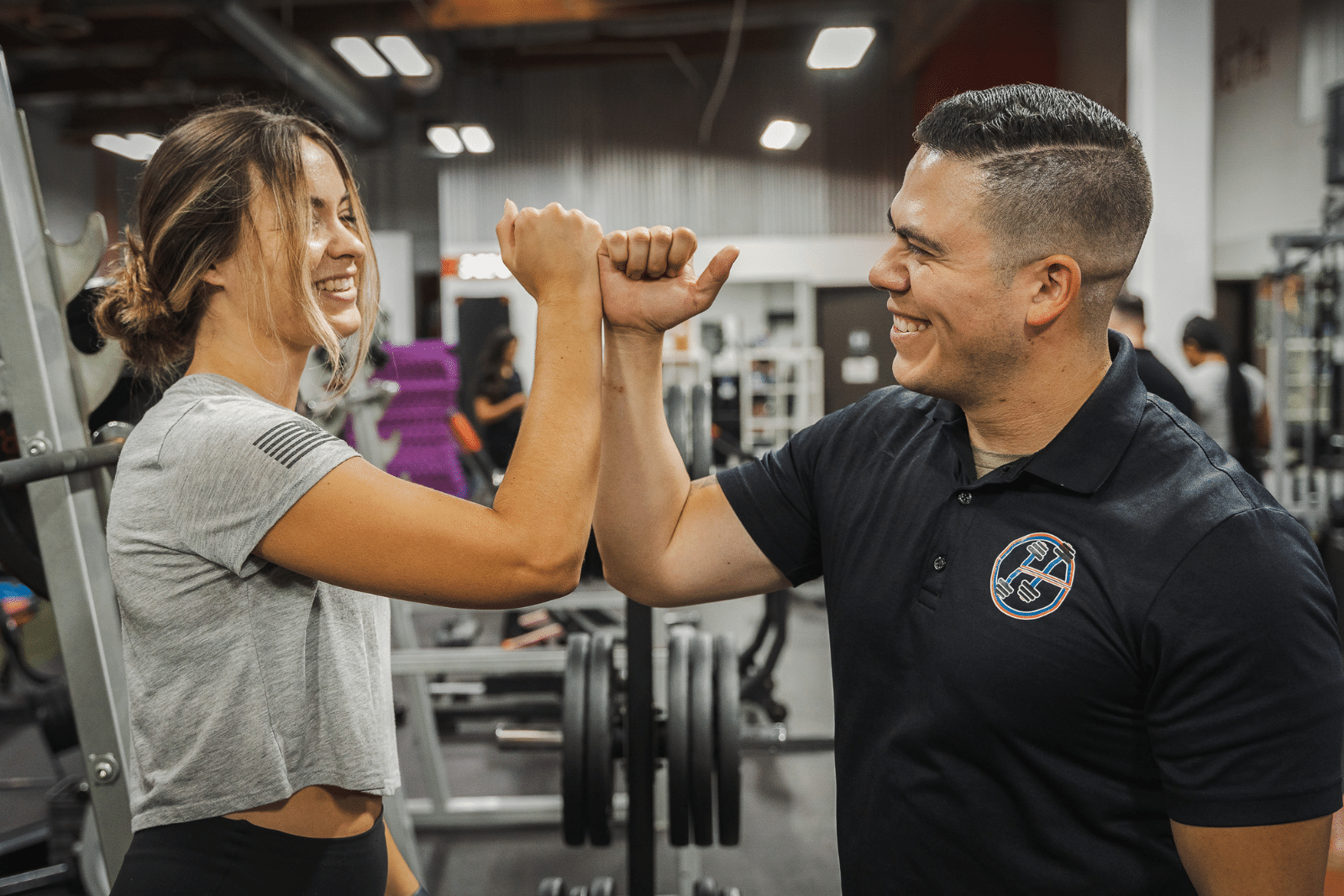
How Long Does It Take to See Results From Personal Training?
The timeline depends on what you're tracking. Mental health benefits arrive first; these are what keep people consistent long enough to see physical changes. Physical results follow, but only if you stay consistent beyond that critical 6-week mark where most people quit.
Weeks 2-4: Mental Health Wins (Why People Stay)
- Better sleep quality
- Improved mood and reduced anxiety
- More energy throughout the day
- Clearer mental focus
By week 4, you feel better. That's crucial because motivation is fading, but now you have proof it's working. This is where accountability from a coach matters most. When you don't feel like going, your trainer's check-in keeps you on track.
Weeks 6-8: Others Notice
- Increased strength and endurance
- Better posture and movement patterns
- Friends and family comment on your energy
- Clothes fit differently
Weeks 10-12: You Notice
- Visible muscle definition and tone
- Measurable strength gains
- Significant body composition changes
- Confidence shift
The key difference: with a coach keeping you accountable, you actually reach these milestones. Without structure and accountability, you're in the 85% who quit before week six, never experiencing any of it.
Note: Results vary by individual based on starting point, consistency, nutrition, sleep, and other lifestyle factors. These timelines represent typical progression for people following a structured program with an Irvine nutrition and fitness coach.
Different training approaches work for different situations. Some train alone with a program. Some hire a trainer for occasional form checks. Some just use an app.
2:1 coaching offers a specific advantage. One trainer works with two people, keeping costs lower while providing individualized attention. Your program is custom-built around your actual life, not an idealized version. Weekly check-ins keep the program on track and progressing.
That's why people who train with a coach, whether 2:1 or one-on-one, have higher success rates than people relying on motivation alone.
Most New Year's plans fail by February because they're built on motivation. Motivation is powerful initially, but it doesn't sustain through obstacles and life's unpredictability.
Structure sustains regardless of how you feel. It works whether you're energized or exhausted, whether life is calm or chaotic.
Most plans that fail by February asked you to stay motivated through obstacles and unpredictability. That's not realistic. Motivation fluctuates. Structure doesn't.
People who succeed follow structured plans with professional guidance and accountability. At Hideout Fitness (Irvine, Costa Mesa, Newport Beach, Tustin, and throughout Orange County), we build programs for your actual life. Initial consultation establishes your constraints and goals. Programming is custom. Weekly check-ins keep you on track, and the plan adjusts as needed.
By February, instead of abandoned plans, you'll have measurable progress and momentum that carries forward.
That's the difference between the 85% who quit and the 15% who succeed.



.jpg)
.jpg)












.png)























.png)




.png)





.png)
.png)
.png)
