
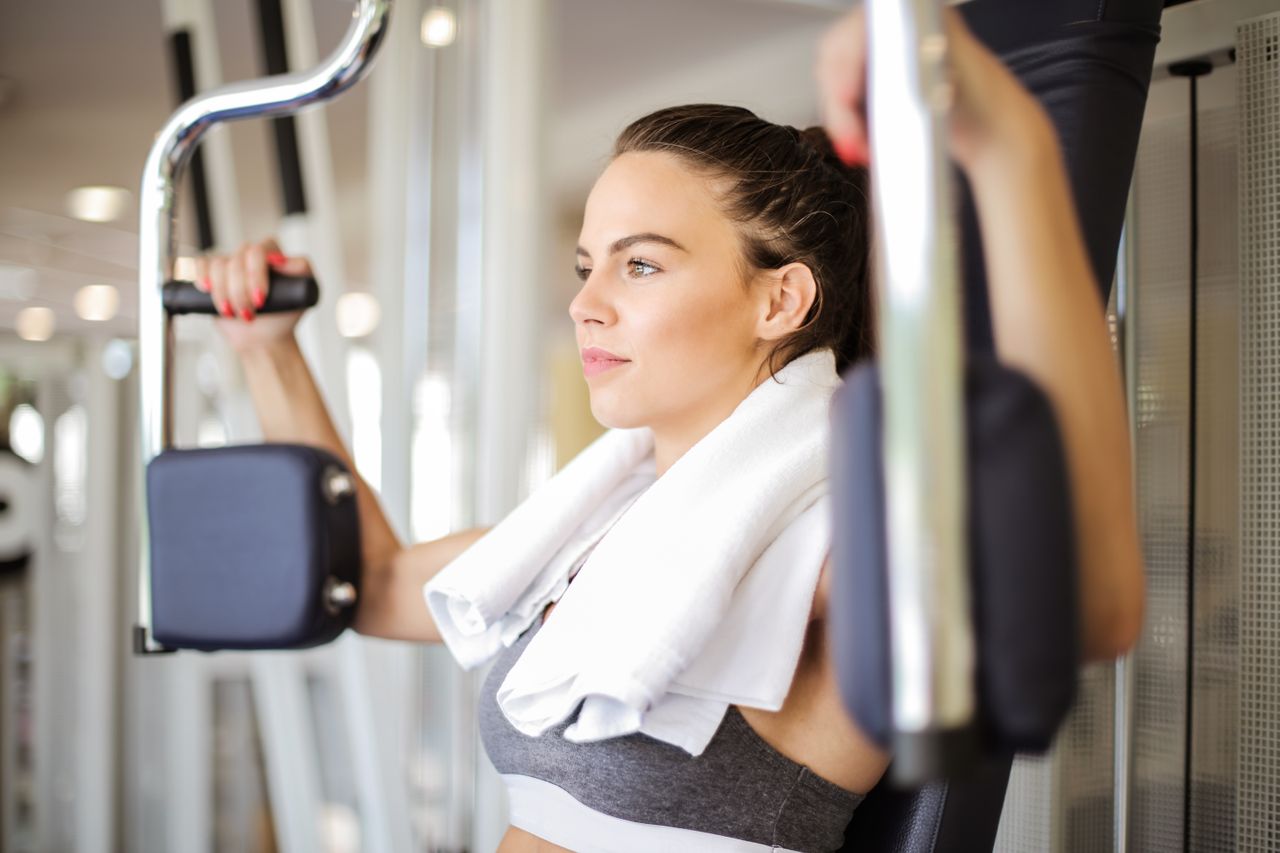
You used to be able to skip breakfast, grab a salad for lunch, and stay lean without thinking about it. Now? You're eating the same foods, exercising just as much, and somehow the weight keeps creeping up, especially around your middle. Your energy crashes at 3 PM. Cravings hit hard after dinner. The scale won't budge no matter how "clean" you eat.
Here's what most doctors don't tell you: it's not your discipline. It's your hormones. When estrogen starts fluctuating in perimenopause (usually somewhere in your 40s) your body's entire relationship with food changes. Insulin sensitivity drops. Muscle-building slows. Fat storage shifts to your belly. The diet that kept you lean for 20 years suddenly stops working, and doubling down on the same rules only makes it worse.
At Hideout Fitness in Irvine, our coaches work with women across Orange County navigating this exact frustration. The good news: once you understand what's changed, adjusting is straightforward. Here's what's actually going on and what to do about it.
What Actually Changes in Your Body's Response to Food During Perimenopause
Your diet worked in your 20s and 30s because your body was still working with you. In perimenopause, several things shift at once:
Insulin sensitivity drops sharply
The SWAN study, a 25-year study following over 3,000 women, documented that insulin resistance climbs significantly during the menopausal transition, independent of age or weight gain. It showed a pretty sharp increase in insulin resistance during transition, with metabolic dysfunction affecting a vast majority of women who continue to follow standard high-carb, low-calorie diets.
Muscle protein synthesis slows
Falling estrogen causes something called anabolic resistance, meaning your body doesn't use protein as efficiently as it used to. You need more protein to build and preserve the same amount of muscle.
Belly fat storage increases
Fat redistributes from hips and thighs to your midsection, not because you're doing anything different, but because visceral fat is more responsive to the hormonal changes.
Blood sugar becomes a rollercoaster
Refined carbs that used to be fine now spike your blood sugar harder, which crashes energy, drives cravings, and worsens hot flashes.
Cortisol dysregulation worsens
Poor sleep from night sweats keeps cortisol elevated, which further promotes belly fat storage and drives sugar cravings.
The result? A body that responds to food completely differently. Meanwhile, most women double down on the old rules (cutting calories harder, eating "clean," doing more cardio) which usually makes everything worse.
Why Does Cutting Calories Backfire in Perimenopause?
This is the biggest mistake we see women make. When the scale won't budge, the instinct is to eat less. But aggressive calorie restriction in perimenopause backfires in specific ways:
- You lose muscle, not fat. Combined with anabolic resistance, aggressive dieting accelerates the muscle loss that's already happening, which further tanks your metabolism.
- Cortisol spikes higher. Chronic under-eating amplifies the cortisol dysregulation already at play, which worsens belly fat.
- Sleep gets worse. Under-eating disrupts already-fragile perimenopausal sleep, which then worsens insulin resistance the next day.
- Cravings intensify. Restrictive dieting drives the reward-seeking eating that binges and blows up your progress.
The fix isn't eating less. It's eating differently.
The 5 Nutrition Shifts That Actually Work in Perimenopause
1. Dramatically Increase Your Protein Intake
This is the single biggest change most women need to make. Research on perimenopausal women supports a protein intake of 1.2-1.6 grams per kilogram of body weight, roughly 100-140 grams per day for most women. For a 140-lb woman, that's 75-105 grams. For a 160-lb woman, it's 85-115 grams.
Most women in perimenopause eat 40-60 grams. That gap is enormous, and it explains a lot of the muscle loss, cravings, and slowed recovery.
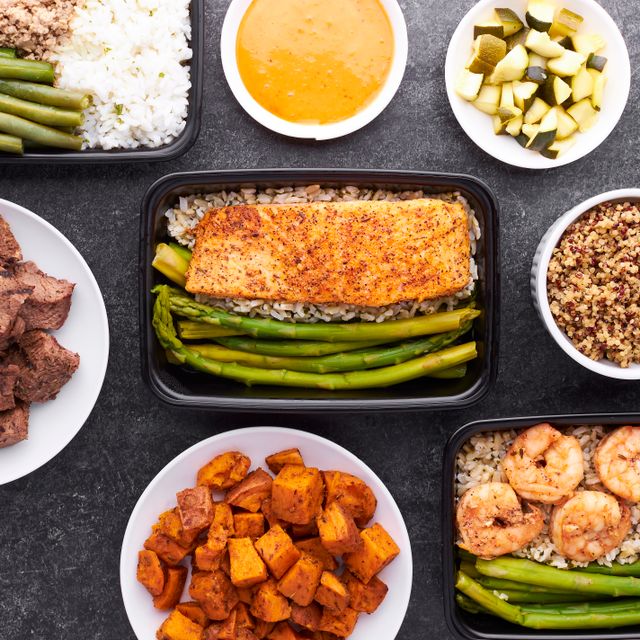
Aim for 25-40 grams of protein per meal. Prioritize animal proteins (chicken, fish, eggs, Greek yogurt, lean beef) for complete amino acid profiles, with plant proteins (lentils, beans, tofu) as complements.
2. Front-Load Protein at Breakfast
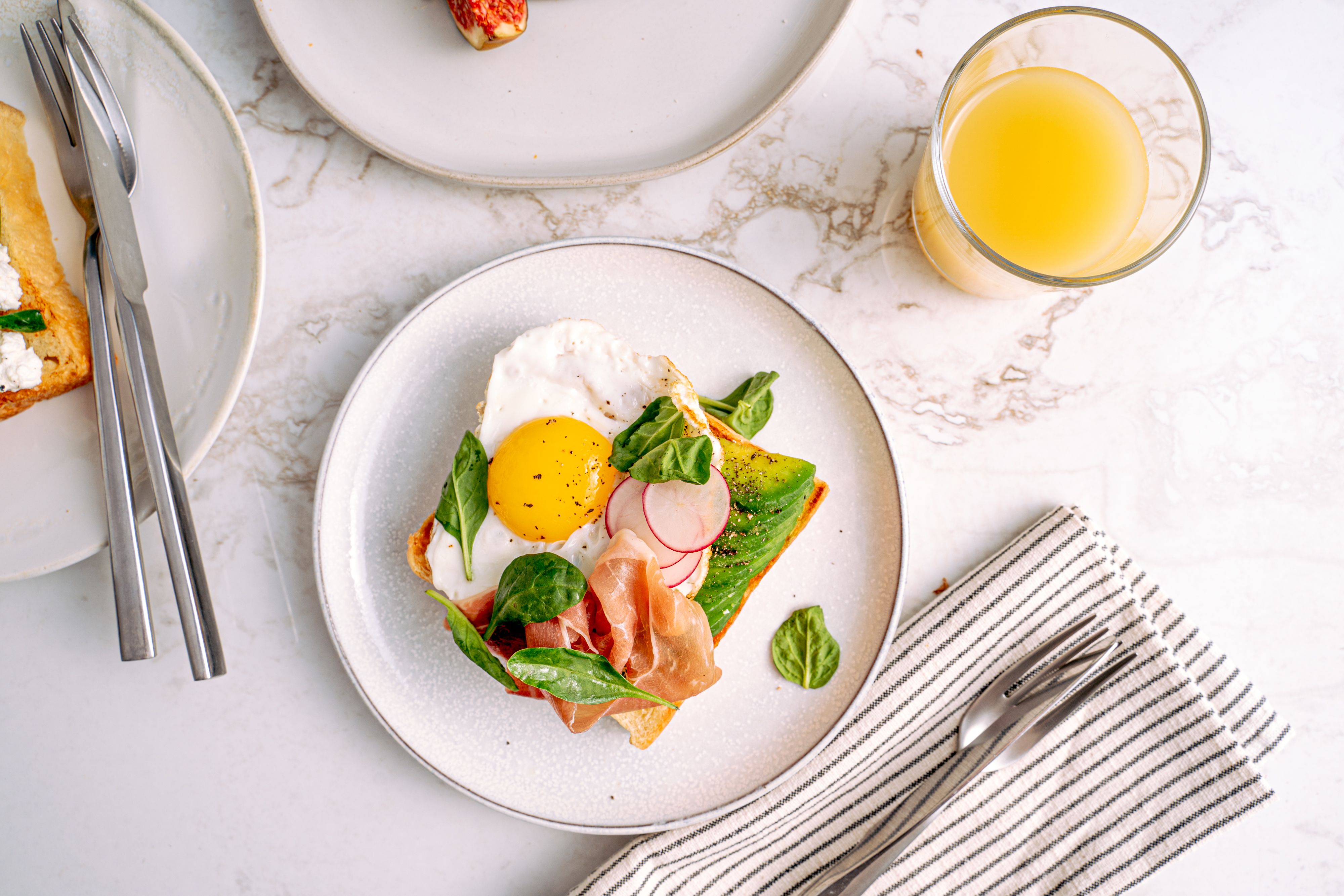
Skipping breakfast or eating a carb-only breakfast (bagel, cereal, granola bar) sets your blood sugar on a rollercoaster all day. Eating 25-30 grams of protein within an hour of waking stabilizes insulin and blunts cravings for the next 8+ hours.
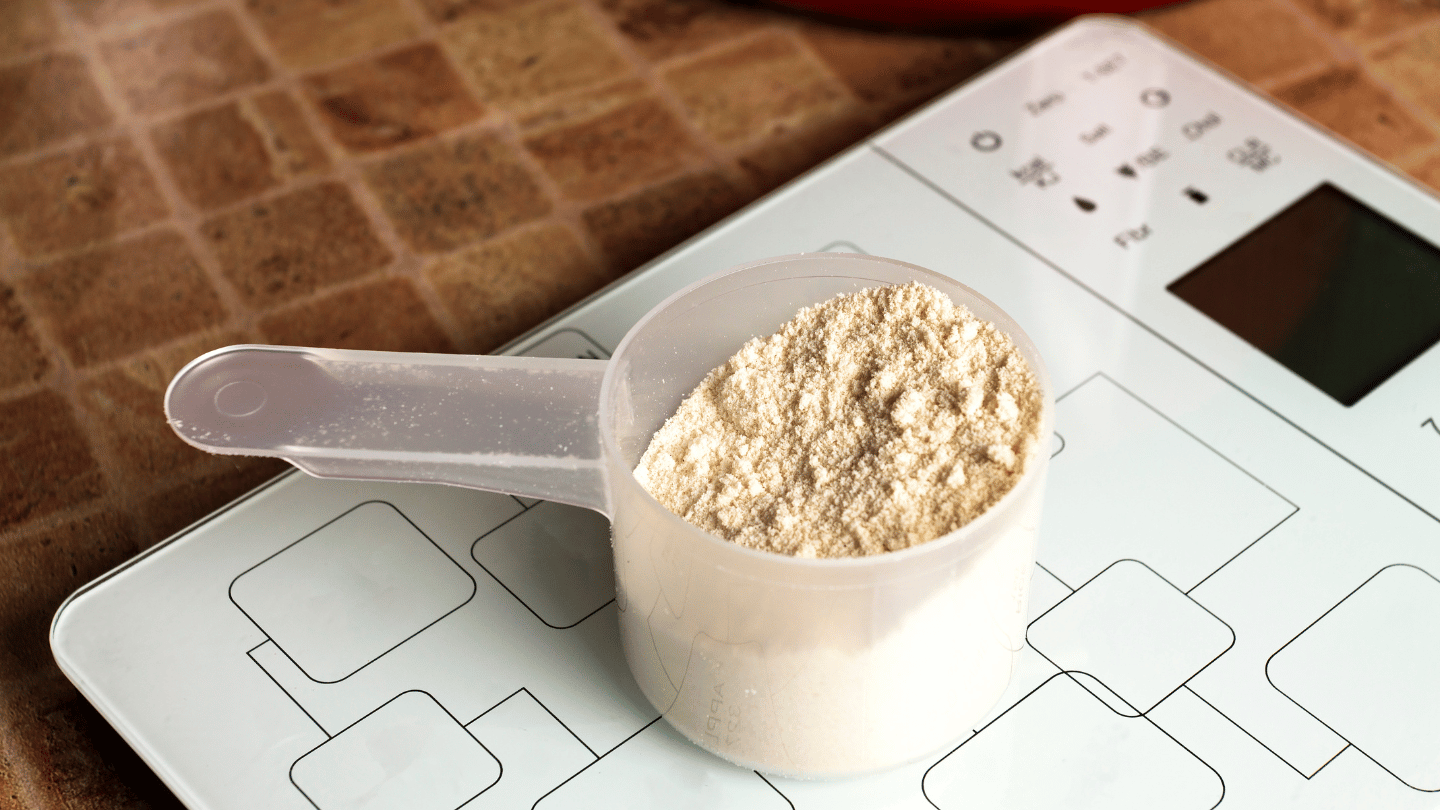
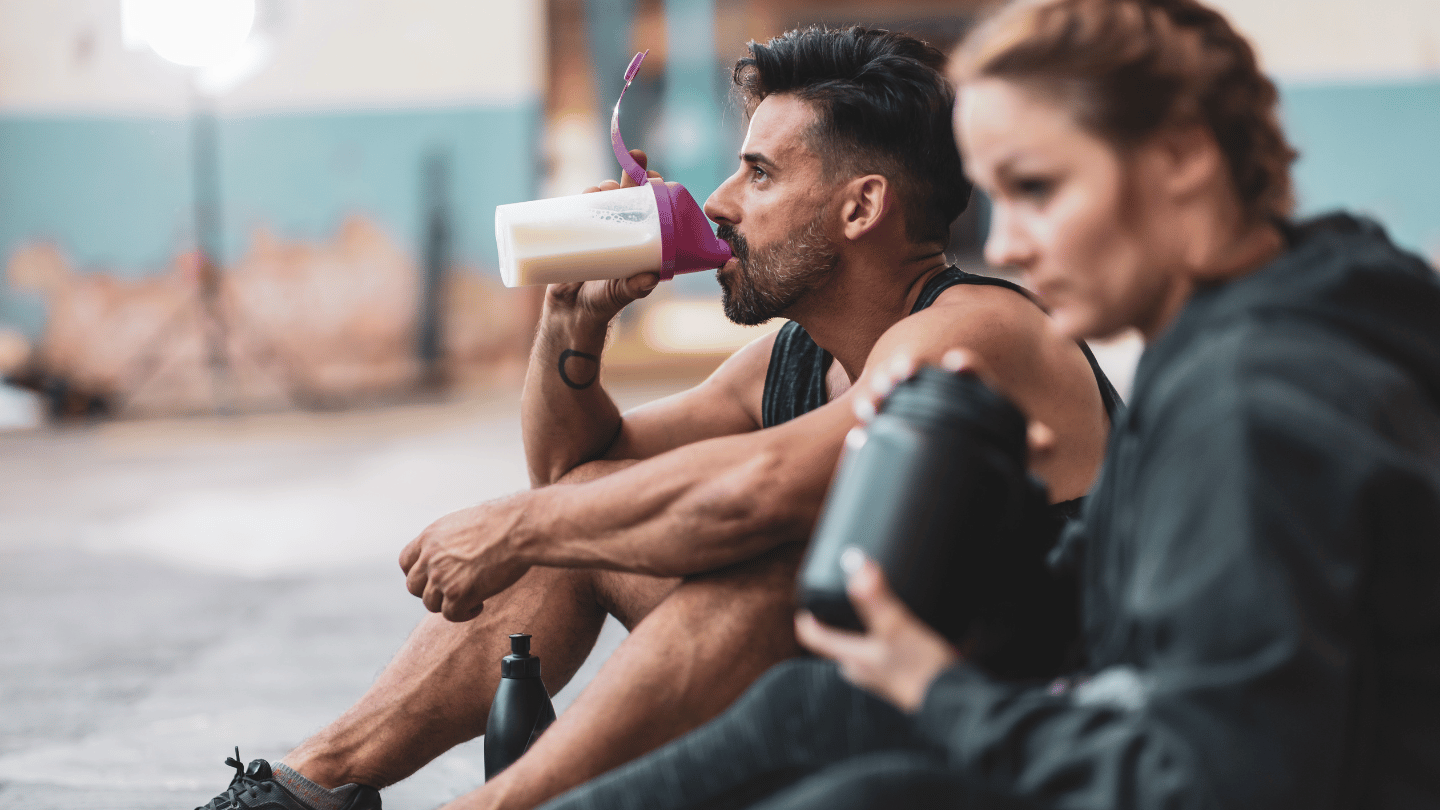
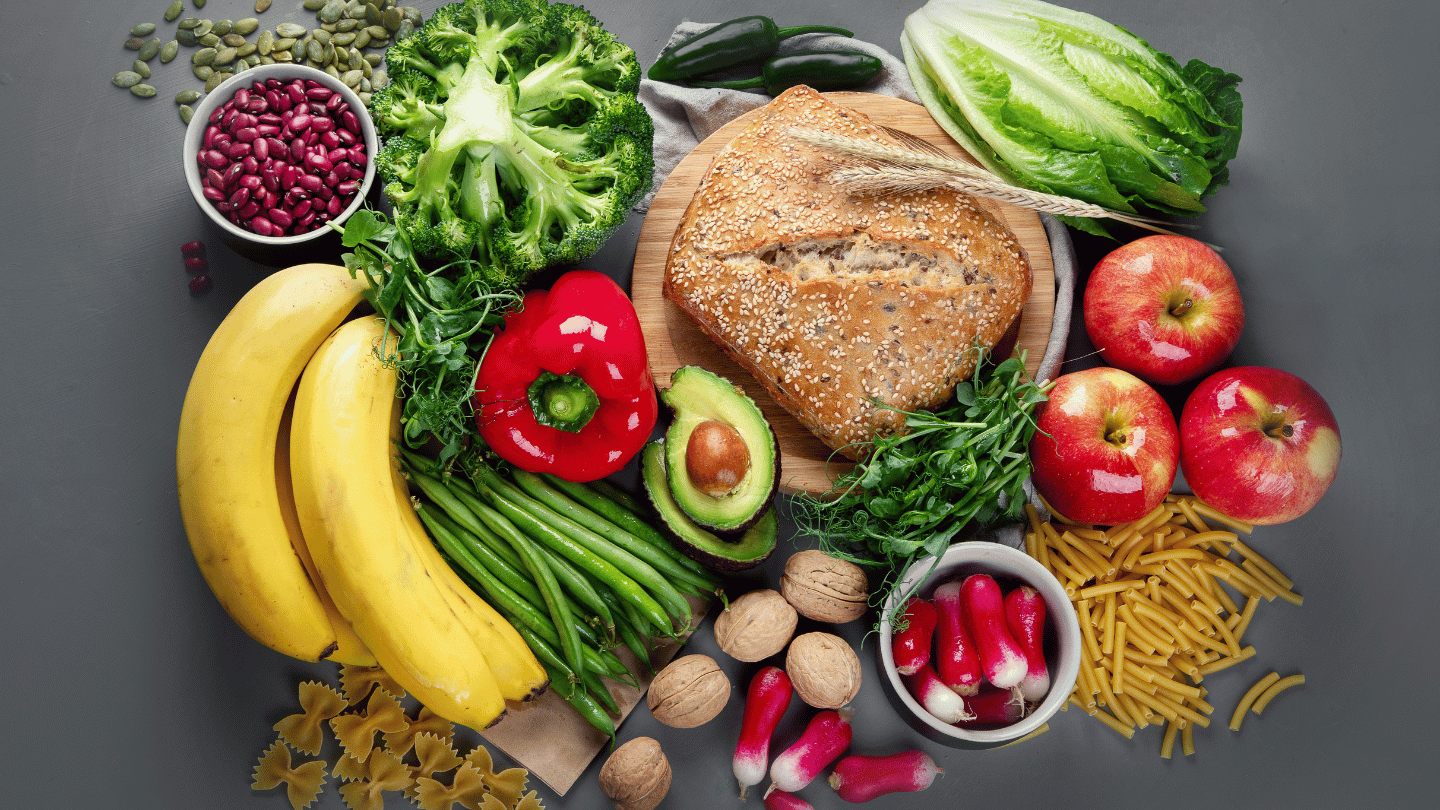
Easy options: Greek yogurt with berries, three eggs plus veggies, a protein shake with fruit and nut butter, cottage cheese with fruit.
3. Prioritize Fiber (Especially Soluble Fiber)
Fiber slows glucose absorption, stabilizes blood sugar, and feeds gut bacteria that improve metabolic health. Aim for 25-35 grams daily from vegetables, legumes, berries, oats, chia seeds, and flaxseed.
If you're eating enough protein but skipping vegetables, you're missing half the strategy.
4. Time Your Carbs Around Workouts
You don't need to cut carbs. You need to be strategic about them. Higher-carb meals work best in a small window before and after your strength training sessions, when your muscles are most insulin-sensitive.
Lower-carb, higher-protein meals work best on rest days or when you're sitting at a desk all day at your office in the John Wayne business district or the Irvine Spectrum.
5. Cut Refined Sugar and Highly Processed Carbs
This is the one restriction that actually helps. Refined sugar, white flour, sugary drinks, and ultra-processed snacks spike blood sugar disproportionately in perimenopausal women. Cutting them (not eliminating carbs entirely!) produces dramatic energy, sleep, and body composition improvements.
Swap the refined carbs for whole-food alternatives: oats, quinoa, sweet potatoes, legumes, berries, and vegetables.
Why Nutrition Alone Isn't Enough (And Why Strength Training Is the Missing Piece)
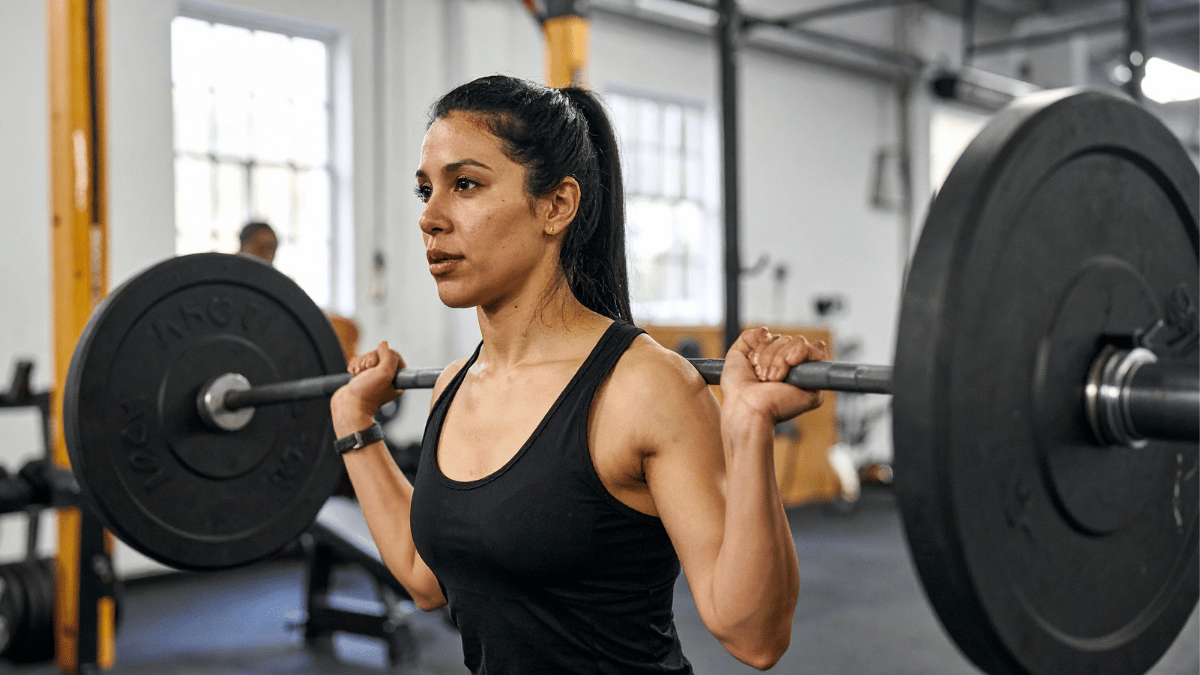
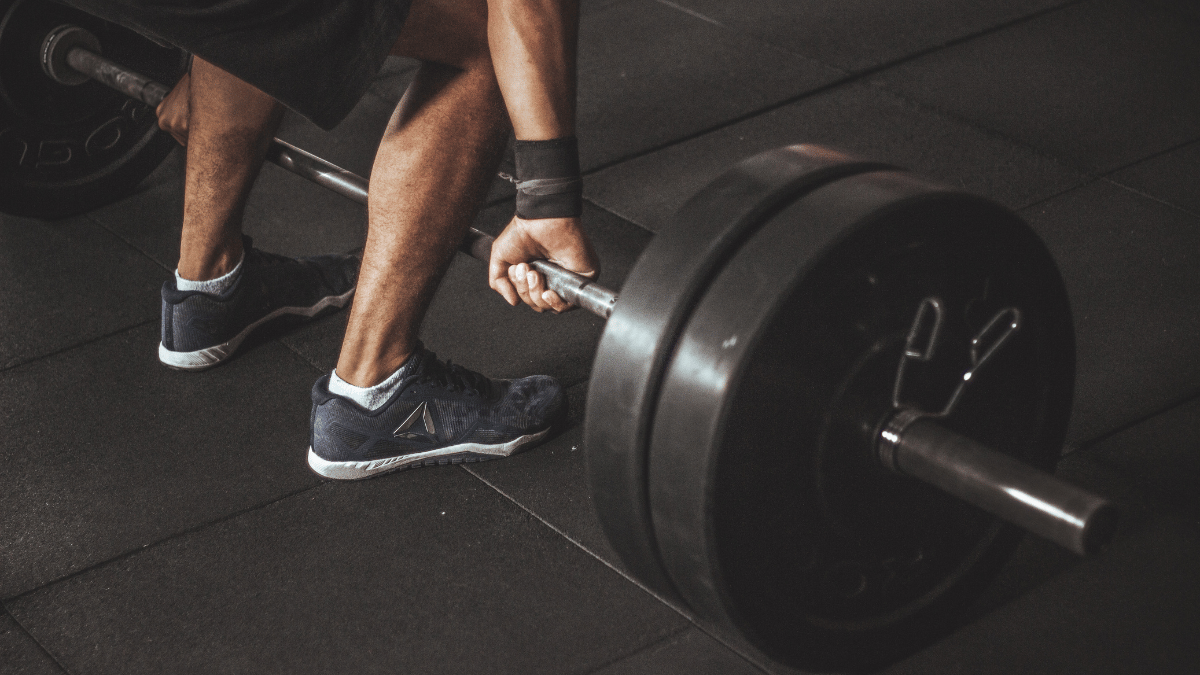
Here's a truth most nutrition articles skip: no diet will fully fix perimenopausal metabolic changes without strength training. Because muscle is the primary driver of insulin sensitivity, adding muscle mass is one of the most powerful metabolic interventions available.
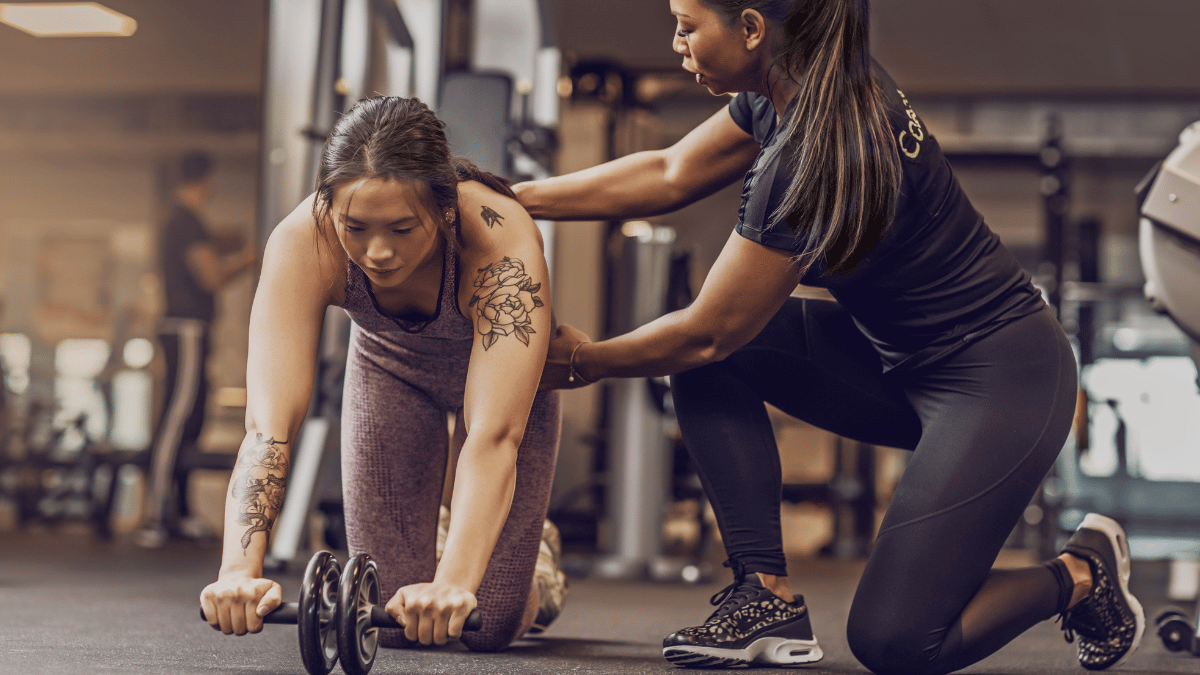
That's why the coaches at Hideout Fitness in Irvine always pair perimenopause nutrition with a structured strength training program. Together, they:
- Preserve and build muscle to counter the muscle loss of perimenopause
- Improve insulin sensitivity so your body handles food better
- Protect bone density as estrogen declines
- Stabilize energy, mood, and sleep
The fix isn't just "eat differently." It's "eat differently and train to support what your changing body needs."
How Personal Trainers at Hideout Fitness in Irvine Build Nutrition Plans for Perimenopausal Women
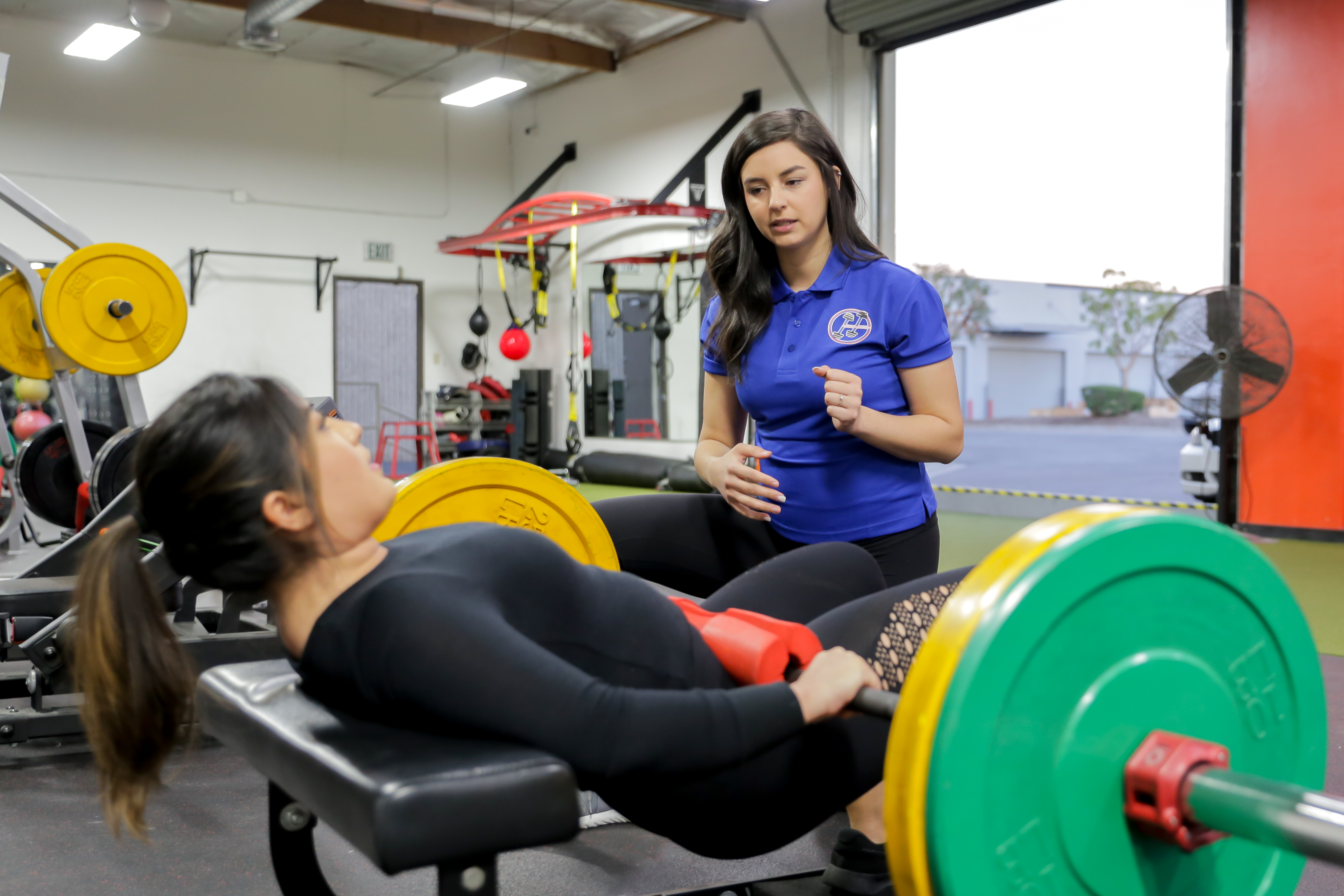
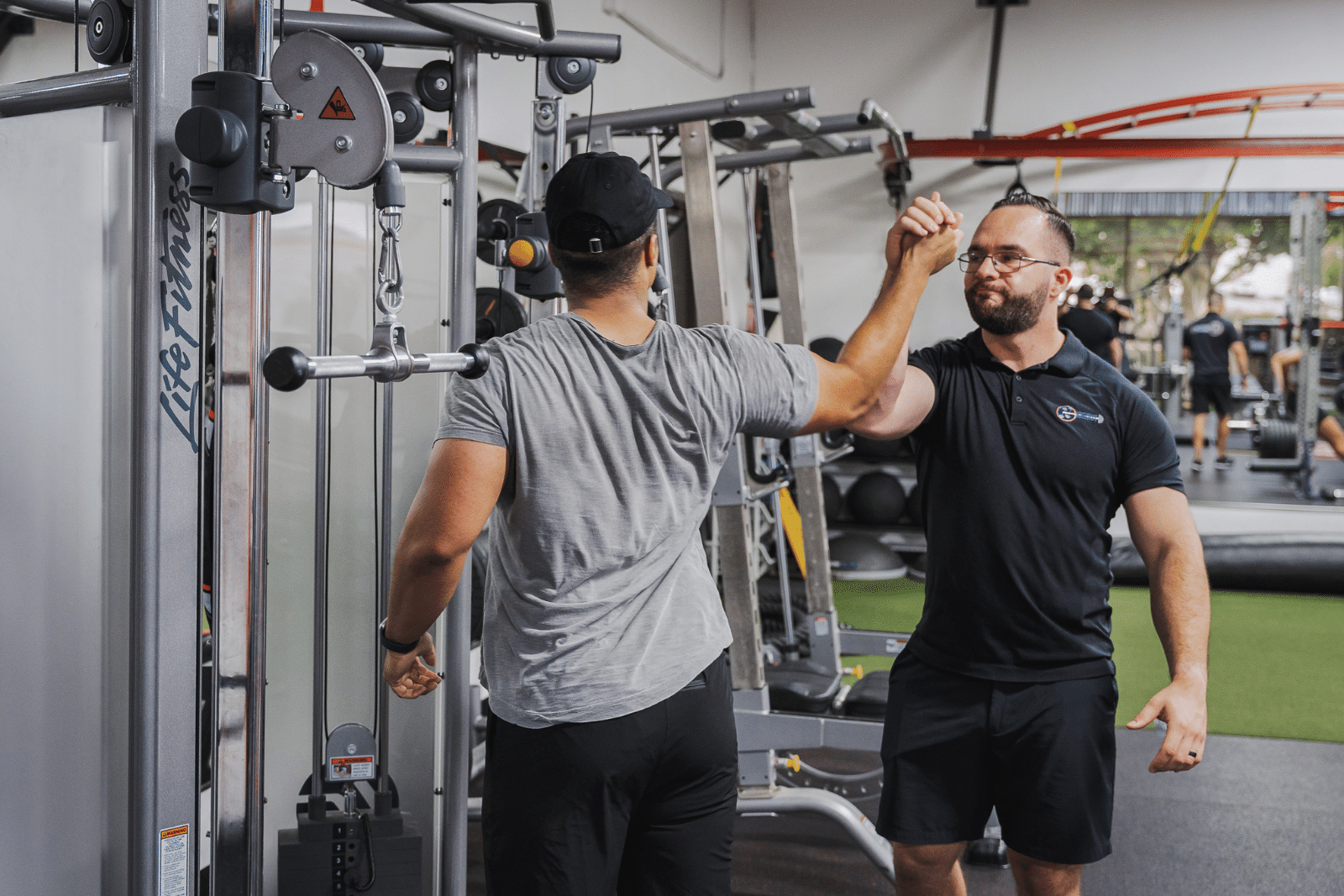
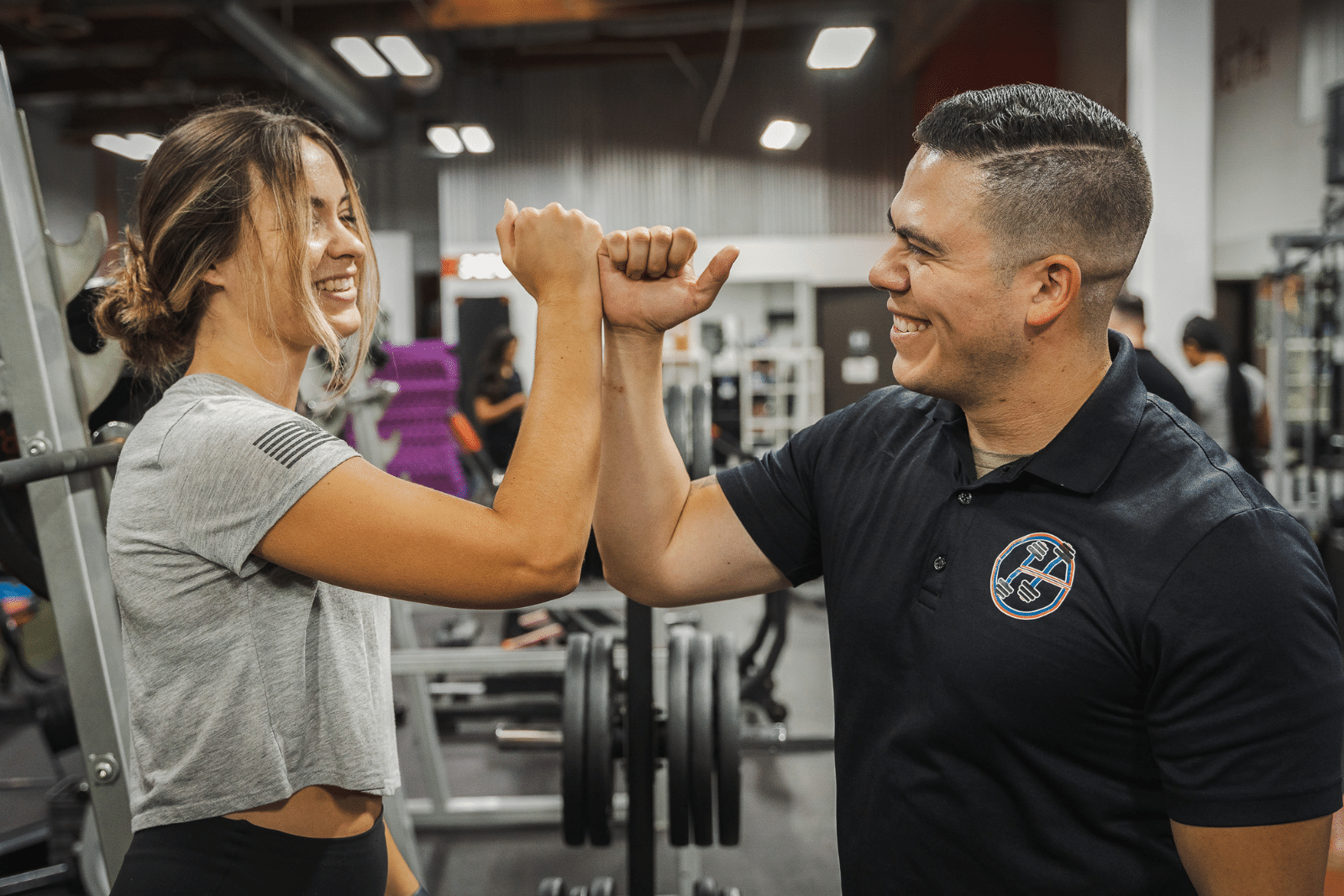
The coaches at Hideout Fitness, including Coach Chay (CSCS, women's fitness specialist) and Coach Emily (women's training specialist), build personalized meal plans specifically designed for women navigating perimenopause.
Every Hideout program for perimenopausal women includes:
- A structured strength program built around compound lifts
- A personalized meal plan calibrated to perimenopause-specific protein and fiber needs
- Smart cardio that supports fat loss without crushing recovery
- Progress tracking that includes body composition (not just weight)
- Coaches who understand hormonal transitions, not just calories in and out
Whether you prefer private training or the value and camaraderie of semi-private sessions (30% savings vs. private), we've got you.
We're Closer Than You Think: Serving Women Across Orange County
Located at 16510 Aston St in the Irvine Business Complex (just minutes from John Wayne Airport, UCI, and the Irvine Spectrum) we serve women from across Orange County:
- Costa Mesa: about 8 minutes (4 miles)
- Newport Beach: about 12 minutes (7 miles)
- Tustin: about 10 minutes (5 miles)
- Santa Ana: about 12 minutes (6 miles)
- UCI / University Park: about 8 minutes (4 miles)
- Lake Forest: about 15 minutes (10 miles)
- Most of Irvine (Woodbridge, Quail Hill, Turtle Rock, Northwood, Westpark, Woodbury): under 10 minutes
You don't have to white-knuckle your way through perimenopause. The right nutrition plan, paired with the right training, can make these years some of the strongest and healthiest of your life.

.jpg)
.jpg)






.png)

















.png)


.png)




.png)
.png)
.png)