
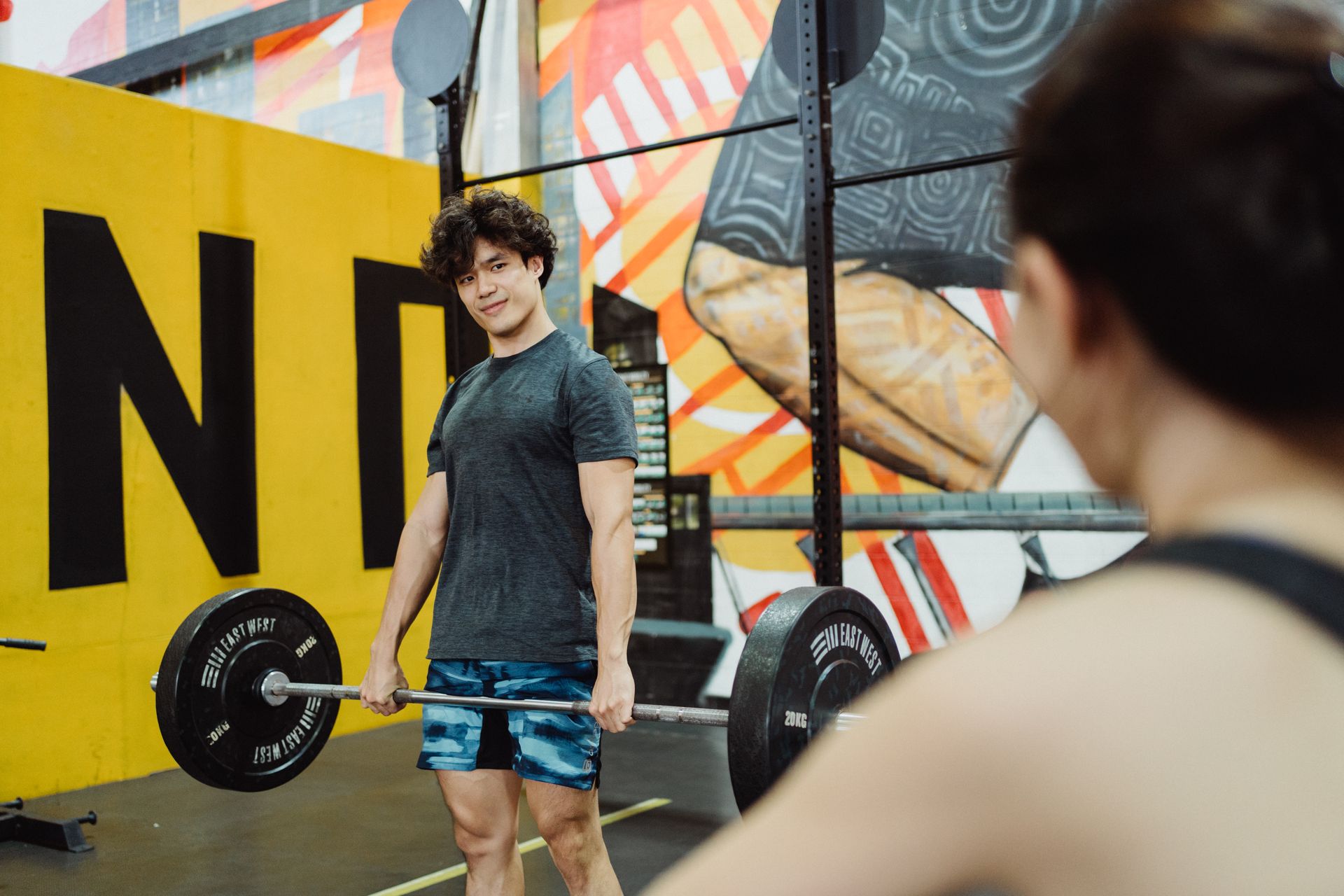
The stuff that kept you in shape in your 20s, staying busy, eating okay, the occasional gym phase, quietly stops working in your 30s. Work, family, a schedule that fills itself; the routines that used to keep you in shape start slipping, and your body begins changing in ways it didn't in your 20s. But staying fit in your 30s doesn't mean you have to start living in the gym part-time. It really comes down to two habits, done consistently. At Hideout Fitness in Irvine, these are the two we come back to with almost every client at this stage of life.
Here's what they are and how to build them.
Why Does Staying Fit in Your 30s Feel Harder?
It’s because a few things shift in this decade. First, your muscle mass. Your muscle mass naturally starts to decline if you're not actively training, which slowly lowers your metabolism and makes fat easier to gain.
In fact, Harvard Health reports that adults can lose as much as 3 to 5 percent of their muscle mass per decade after age 30. Recovery takes a little longer, so the crash workouts you got away with at 25 leave you more sore. And life simply gets busier, so time and energy are tighter than they used to be. And for men, these shifts, including a gradual decline in testosterone, tend to speed up heading into your 40s, something we dig into in personal training for men over 40.
None of that means getting fit is off the table. Your approach just has to be a little smarter and a lot more sustainable; random workouts and all-or-nothing motivation won't hold up against a full calendar. Two simple habits will.
Key #1: Lift Weights at Least 1 to 2 Times a Week
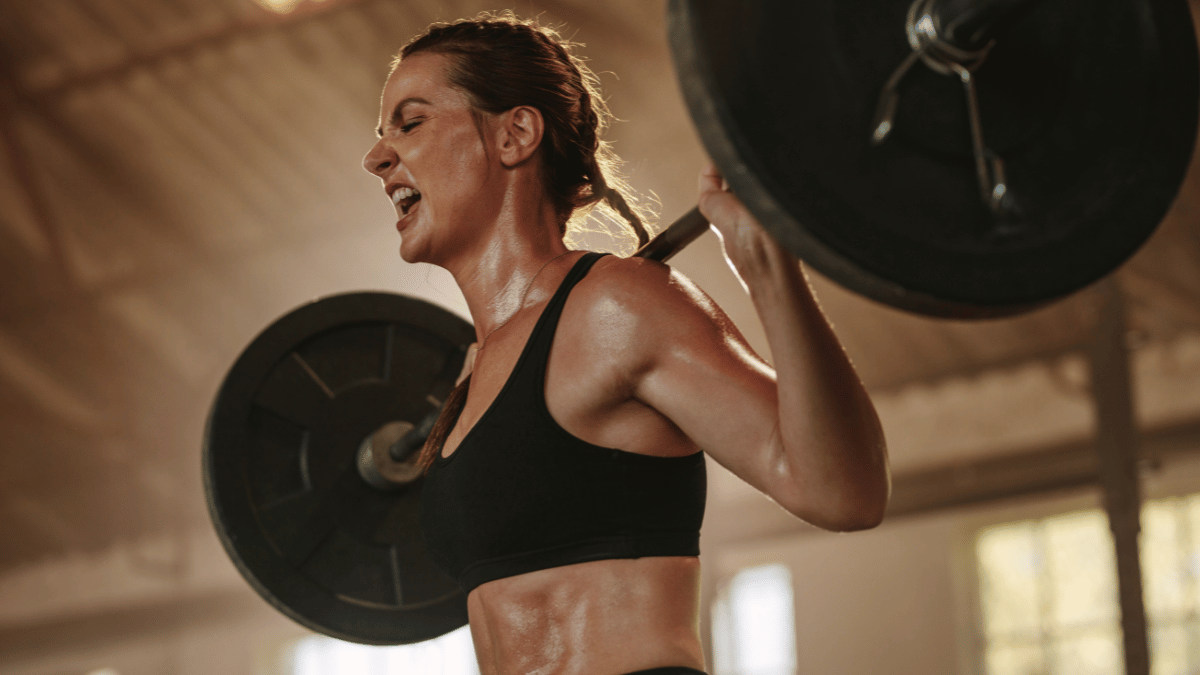
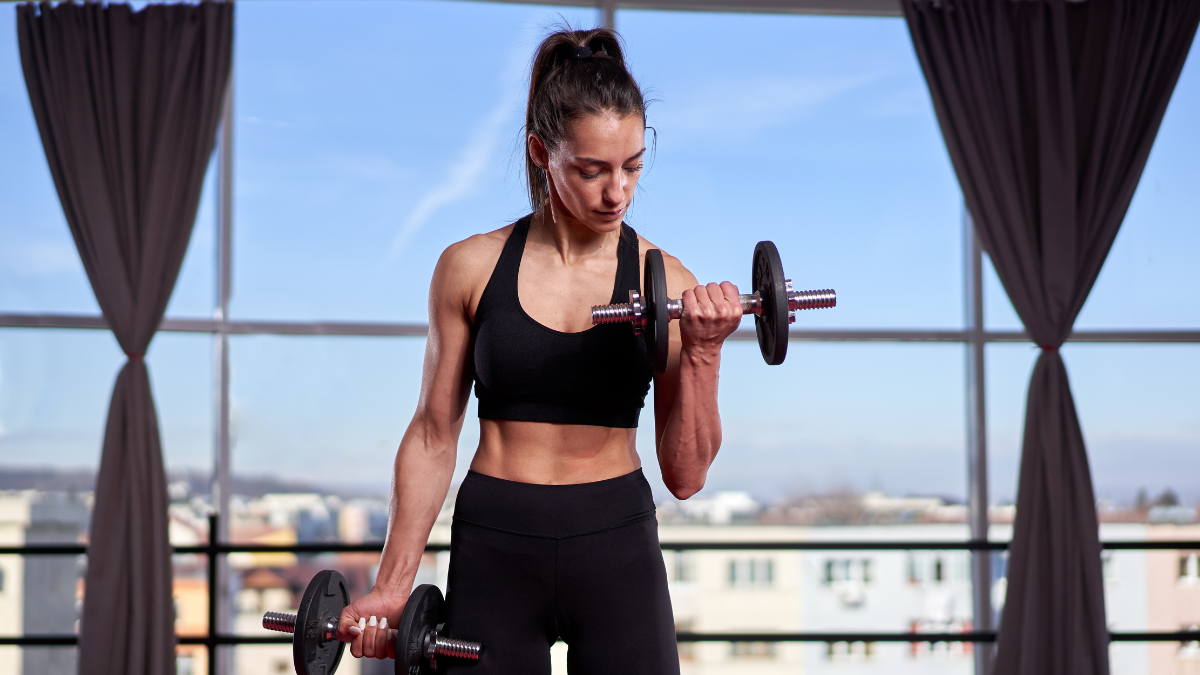
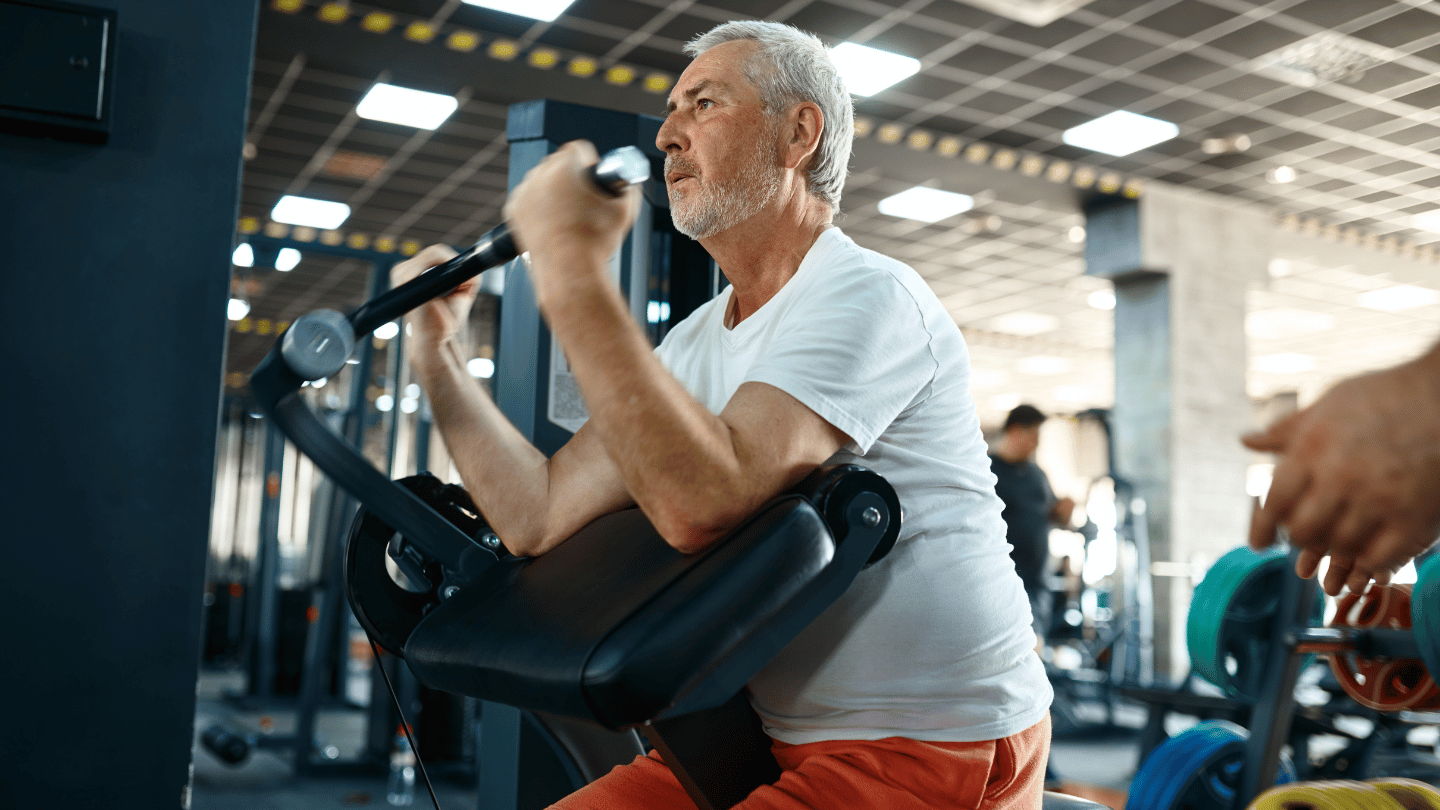
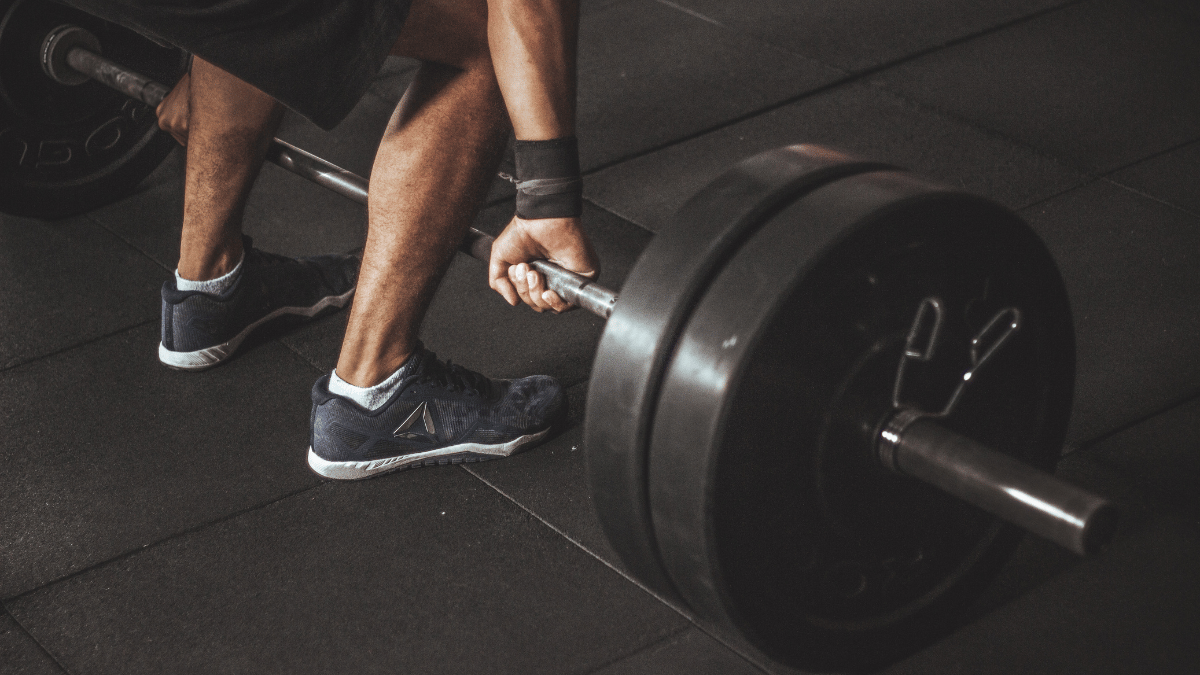
If you do one thing for your fitness in your 30s, make it strength training. Lifting is the single best way to hold onto muscle, keep your metabolism up, protect your bones and joints, and stay strong for everything else life asks of you. We break down the full case in why strength training changes everything.
Here's the part most people miss: the minimum works. You don't need to train five days a week. One or two focused full-body sessions is enough to make a real difference, and something is always better than nothing. An imperfect week still beats a skipped one.
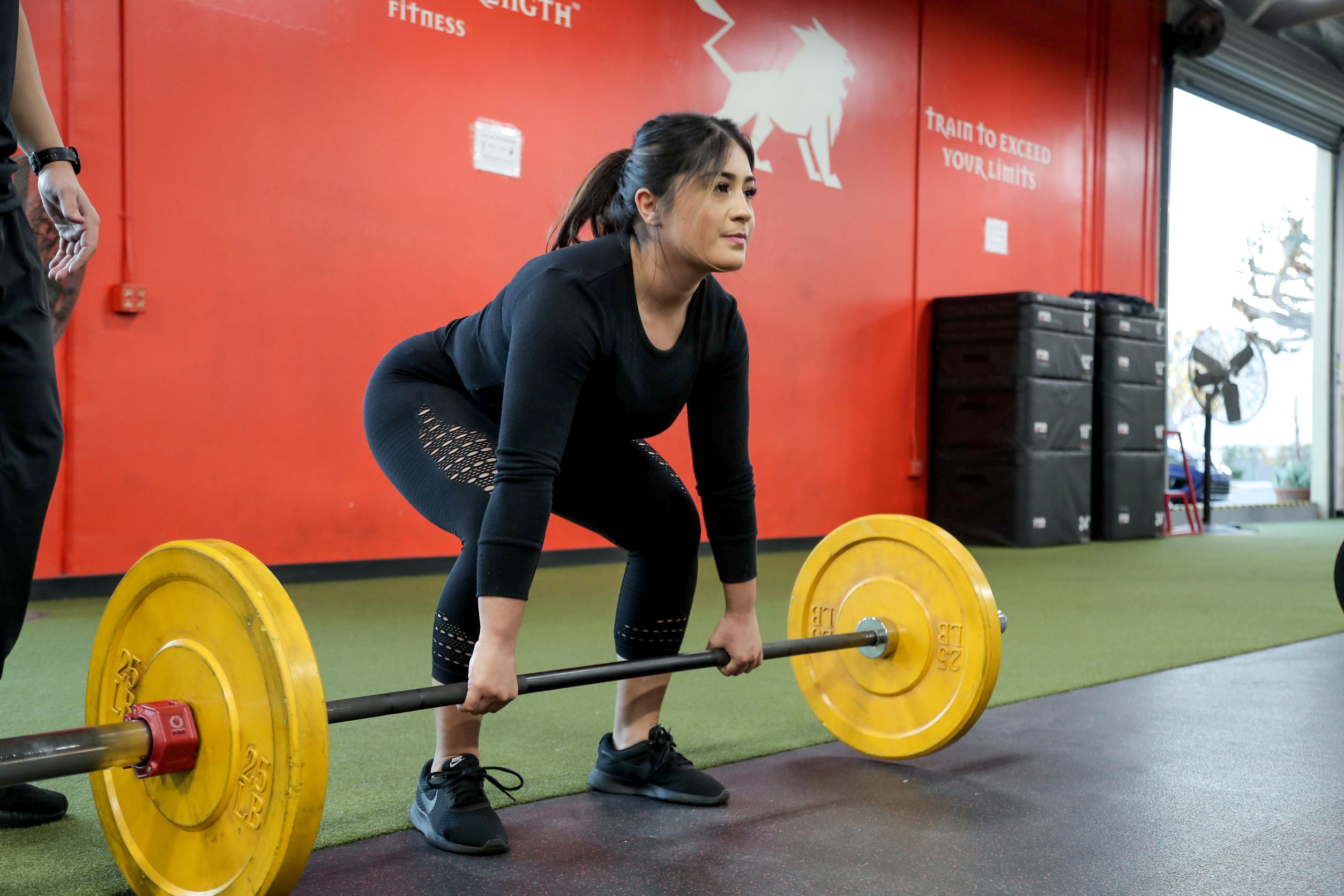
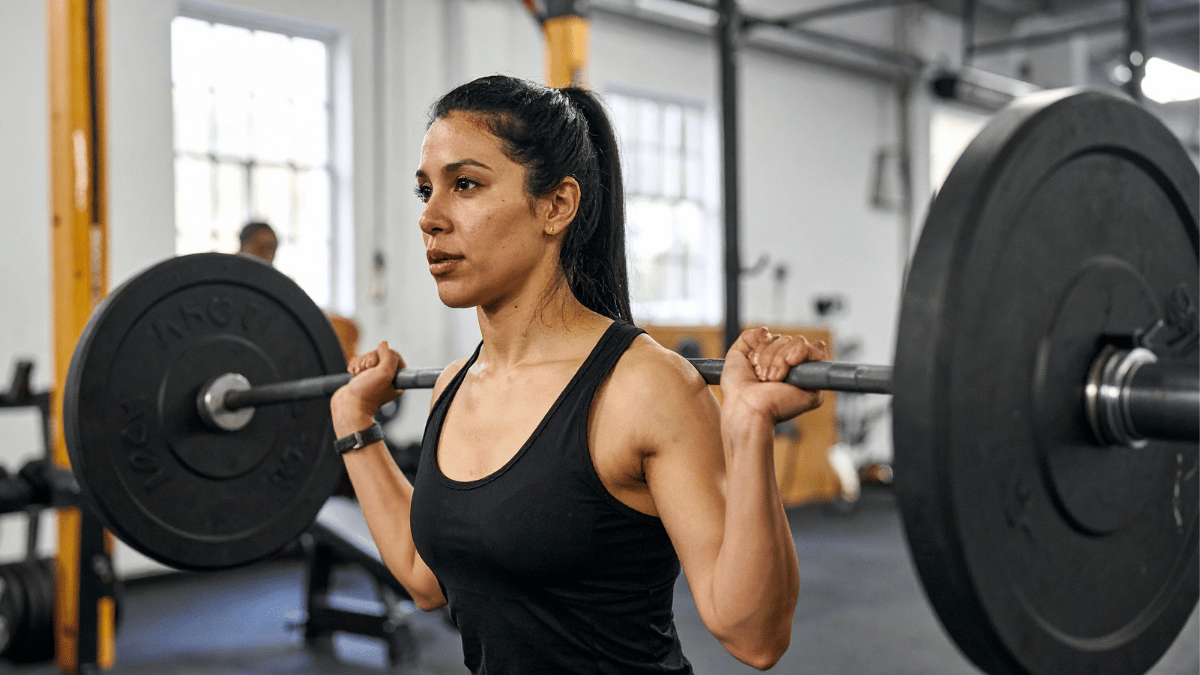
Keep those sessions simple. Build them around compound movements like squats, hinges, presses, and rows that train your whole body at once. If you're easing back in after time off, our guide to working out again after a break walks you through it, and if the lifts are new, the Big 3 lifts guide covers the foundations.
Key #2: Do Something You Enjoy That Challenges You
The best workout is the one you'll actually keep doing. That's truer in your 30s than ever, because great motivation alone won't carry you through a packed schedule. Enjoyment will.
So alongside your lifting, pick a form of movement you genuinely like, one that gets your heart rate up and challenges you physically. That might be hiking Orange County's trails, playing pickleball or basketball, taking a spin or boxing class, swimming, or joining a rec league. The specific activity matters a lot less than whether you look forward to it.
This is what makes fitness stick. When movement feels like something you get to do instead of something you have to do, showing up stops being a battle of willpower. Find your thing, and let it carry your consistency!
How to Eat to Stay Fit in Your 30s
Training is only 50%, though. As muscle naturally declines in your 30s, your metabolism dips with it too. That means what you eat matters more than it did a decade ago; you can't out-train a diet built on takeout and skipped meals.
Prioritize Protein and Whole Foods
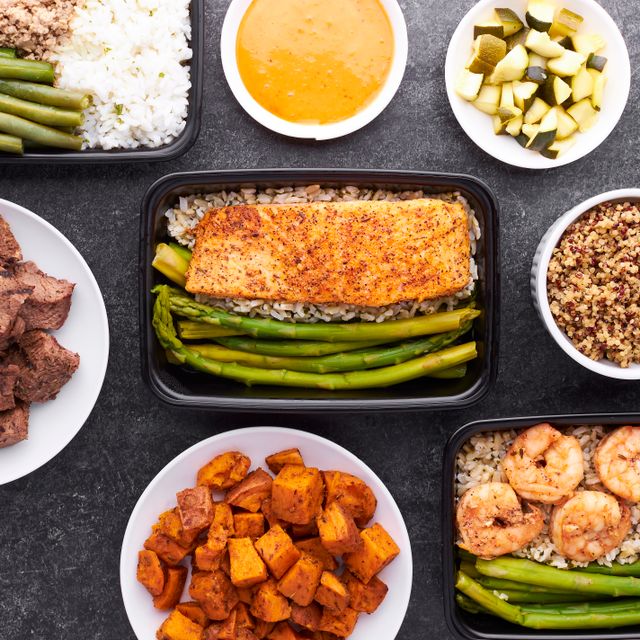
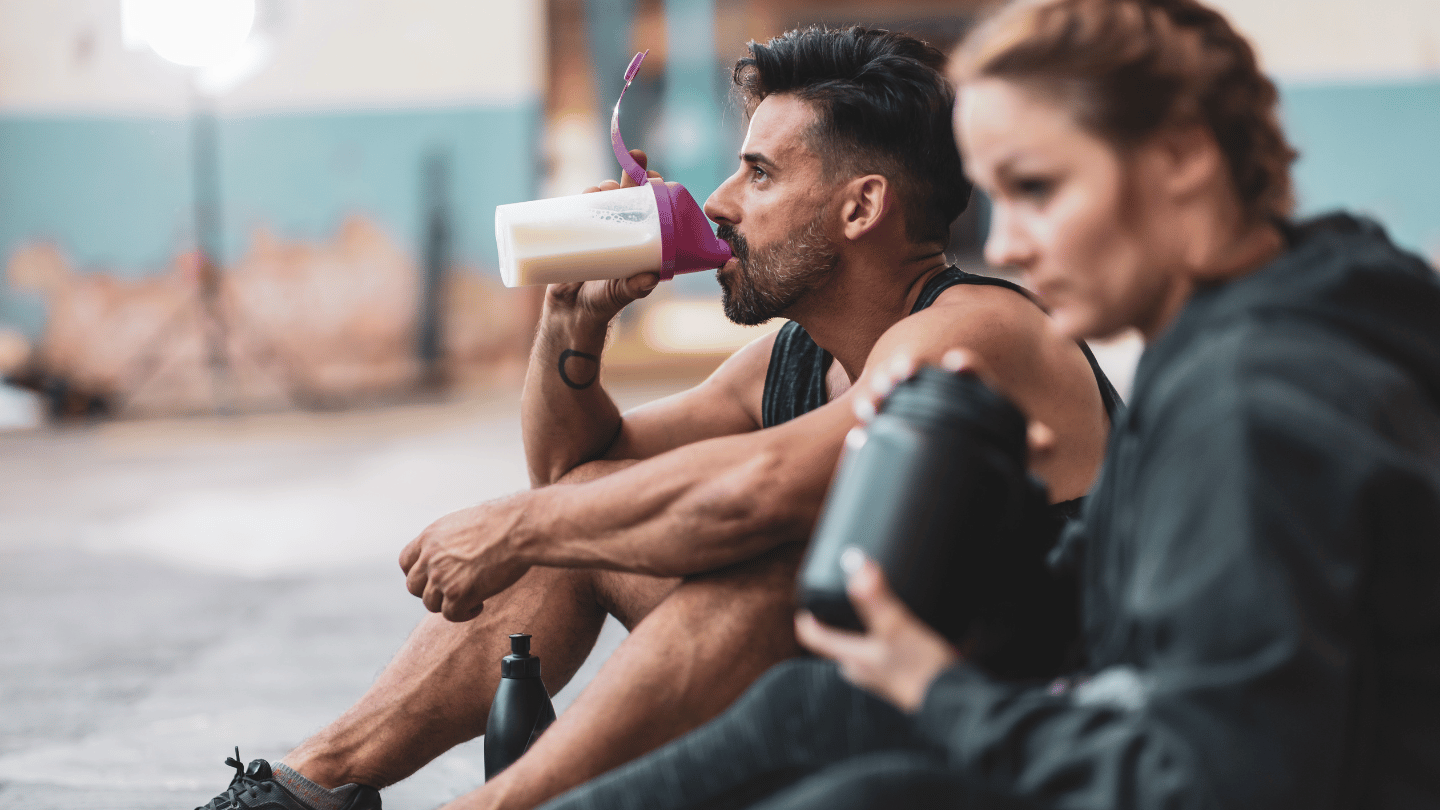
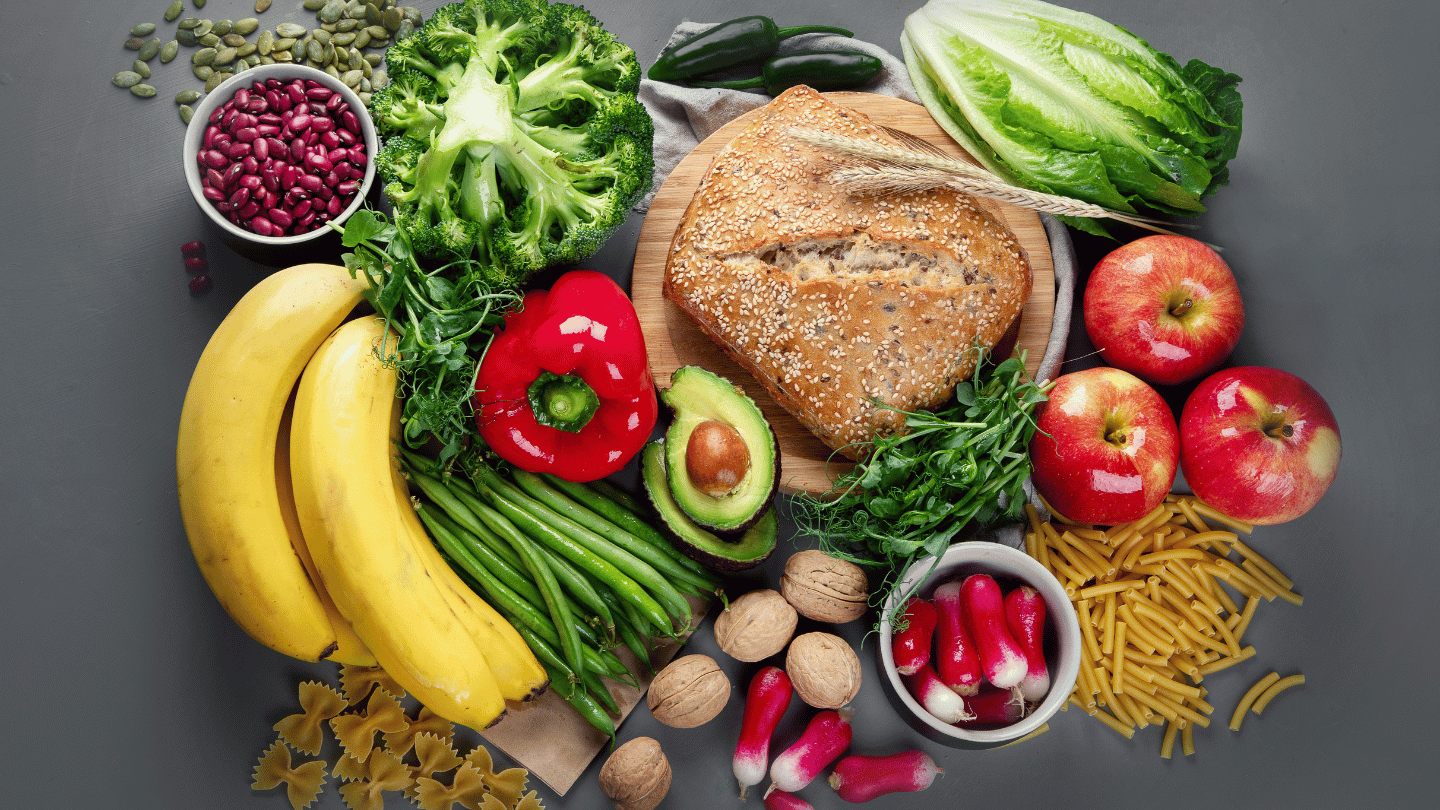
The single most important habit is protein. Getting enough at every meal protects the muscle you're working to keep, keeps you full, and supports recovery between sessions. Most people fall short without realizing it, which we break down in why so many people get protein wrong. Build the rest of your plate around whole foods, plenty of vegetables and fiber, and enough water to actually stay hydrated.
Skip the Crash Diets
Just as important is what not to do: don't crash diet. Extreme, low-calorie plans burn off the muscle you're trying to protect and almost always rebound. A steady, sustainable approach wins every time, which is exactly the case we make in caloric deficit without starvation. And if a busy schedule is what derails your eating, a little meal prep removes most of the guesswork.
Don't Skip Recovery! Sleep & Rest in Your 30s
If there's one thing that changes most in this decade, it's recovery. The workouts you bounced back from at 25 leave you sorer and slower to rebound at 35, and ignoring that is how nagging injuries start. Recovery isn't the opposite of training, it's part of it.
Sleep is the foundation. It's when your body repairs muscle and rebalances the hormones that drive fat loss and strength, and running on 5-6 hours silently undoes a lot of your hard work. We’re big on sleep here at Hideout. A lot of our clients love to be night owls, and we have to tell them to stick to a solid sleep schedule. It really fits in with one of our favorite sayings: failing to prepare is preparing to fail!
The CDC recommends adults get at least seven hours a night, yet nearly a third fall short. We cover exactly how much it affects your results in how sleep affects weight loss, muscle, and strength. Aim for seven to nine hours, and treat it as non-negotiable as your workouts.
Beyond sleep, build in one to two rest days a week to let your muscles rebuild, and don't ignore aches, since fixing your movement early prevents bigger problems later. Our guides on muscle recovery and reading the signs you need a rest day show you how to recover like it's part of the program.
Putting It Together: A Simple Weekly Rhythm
You can build a genuinely effective week without overhauling your life:
That's not a lot; only a few intentional sessions a week. But most of which you actually look forward to. It's realistic enough to sustain for decades, which is exactly the point.
How Hideout Fitness in Irvine Helps
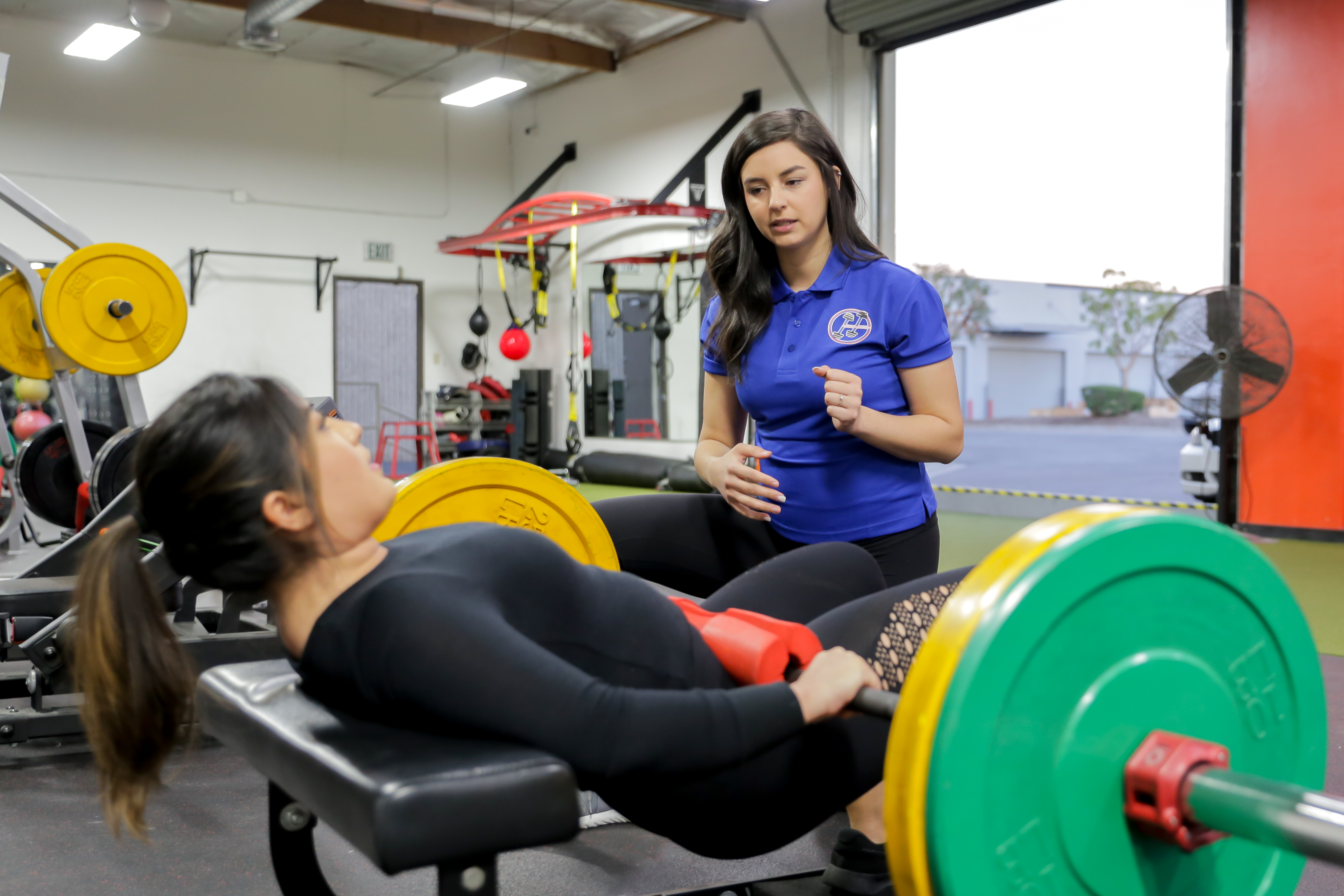
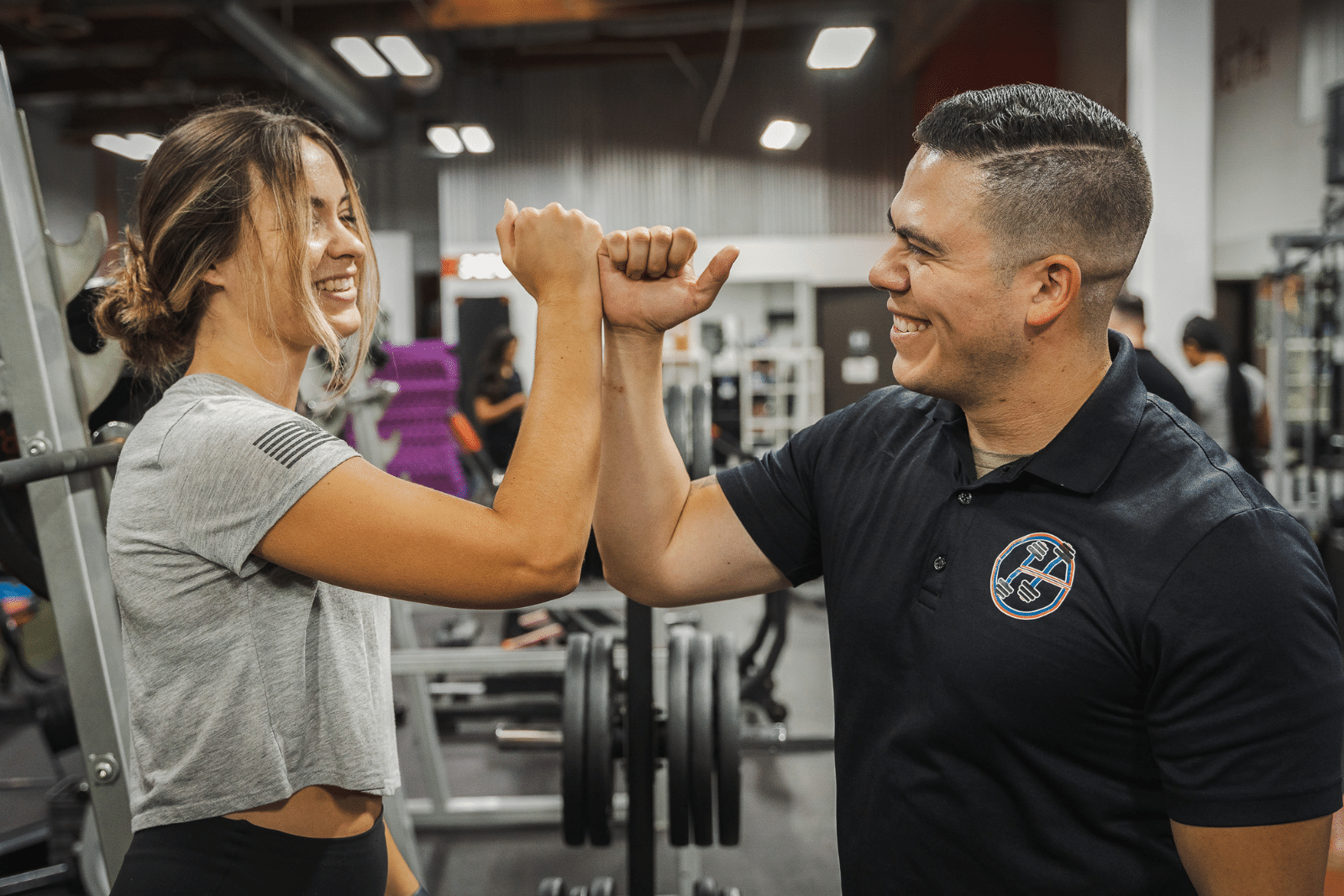
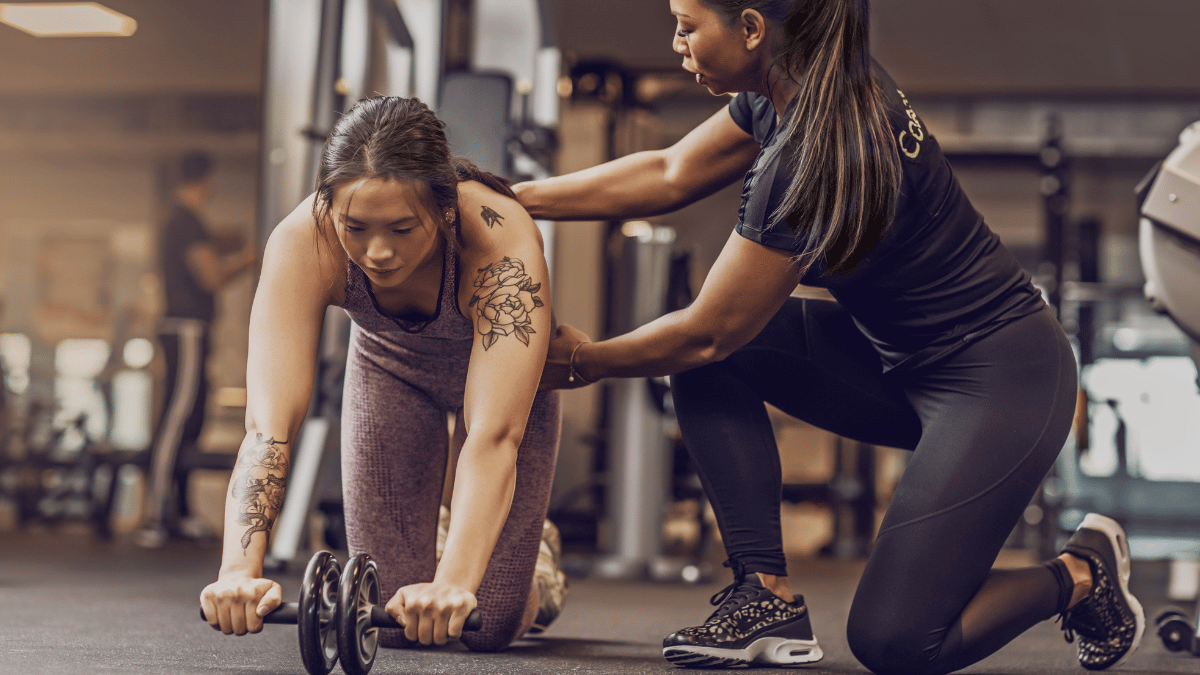
If you want that plan built around your schedule and done right, that's exactly what we do. Our coaches design efficient strength programs that fit a busy 30-something life, then keep you accountable so the habit actually holds. Whether you prefer private training, the community of semi-private training, or the flexibility of online coaching, we'll help you build fitness you can keep for the long haul.


.jpg)
.jpg)






.png)
















.png)


.png)




.png)
.png)