

You've probably heard it before: extreme diets, 1,200-calorie limits, cutting out entire food groups, 30-day challenges that promise impossible results. The fitness industry is saturated with pseudoscience designed to sell quick fixes. But here's what the research actually shows: you don't need to starve yourself to lose weight. In fact, starvation diets backfire.
A sustainable caloric deficit, combined with strength training, is how people actually lose fat without losing muscle, without constant hunger, and without yo-yo cycling back to where they started.
At Hideout Fitness in Irvine and across Orange County (Newport Beach, Costa Mesa, Tustin, Lake Forest), personal trainers and nutrition coaches have helped hundreds of people lose weight the right way. This article breaks down exactly how caloric deficit works, shows you the myths that fail, and gives you a real plan you can follow.
Walk into any bookstore or scroll through social media, and you'll see hundreds of different diet programs. Each one claims to be the solution:
- "Cut out carbs and lose weight fast"
- "Drink this special tea and burn fat"
- "Only eat during certain hours"
- "Eliminate sugar and the pounds melt off"
- "Try a 7-day cleanse and reset your body"
Here's the truth: none of these work better than simply eating fewer calories than you burn.
That's it. That's the entire secret. No magic drinks. No special timing. No foods that "activate fat burning."
The fitness industry sells complicated solutions because complicated is profitable. A $99 program with mysterious ingredients sells. The boring truth, "eat less, move more, especially with strength training," doesn't make money.
But here's what actually happens:
When people understand the basic mechanism (calories in vs. calories out) and build a realistic plan around it, they:
- Lose fat consistently
- Keep their muscle
- Don't feel constantly hungry
- Actually stick with it long-term
- Don't regain the weight
Because unlike crash diets that work for 30 days then fail, a moderate approach is something you can actually live with.
Caloric deficit might sound complicated, but it's simple:
Your body needs energy to work. That energy comes from food and is measured in calories. Every day, your body burns a certain number of calories just by existing (breathing, digesting, moving around).
A caloric deficit happens when you eat fewer calories than your body burns.
When you eat less energy than you need, your body uses its stored energy (fat) to make up the difference. Over time, that adds up to weight loss.
Think of it like a bank account:
- Calories in = Money you deposit (food you eat)
- Calories out = Money you spend (energy your body burns)
- Caloric deficit = Spending more than you deposit (your body uses savings/fat)
The key word is sustainable. A caloric deficit doesn't mean near-starvation. It means eating somewhat less than you need. Just enough to lose weight without making your body fight you.
What matters: Creating a small, steady deficit you can actually maintain. Not an extreme one you quit after 2 weeks.
What a caloric deficit is NOT:
- A specific diet (keto, paleo, vegan can all create a deficit)
- About eliminating favorite foods
- About exercising for hours
- About willpower (it's about having a smart plan)
- Permanent (you go back to normal eating once you hit your goal)
To know what deficit you need, start with one number: How many calories does your body burn daily just to stay alive? This is called your TDEE (Total Daily Energy Expenditure). It's the amount you need to eat to maintain your current weight.
Your TDEE is made up of three things:
1. Your Resting Metabolism (BMR): Calories burned just being alive (breathing, heartbeat, digestion). This is the biggest part.
2. Movement and Exercise: Calories burned from workouts and daily activity.
3. Digestion: Calories burned just processing food.
The Simple Estimation (Good Enough to Start)
Multiply your body weight in pounds by 15.
Example: A 180-pound person who exercises 3-4 times per week burns about 2,700 calories per day to maintain their weight.
(This is a rough estimate. For more accuracy, use an online TDEE calculator, but this gets you 80% of the way there.)
Then Set Your Calorie Deficit
Once you know your number, subtract 300-500 calories to create your deficit.
Example continued:
- Body weight: 180 pounds
- Daily burn: 2,700 calories
- Deficit: 2,700 - 400 = 2,300 calories per day
- Result: About 0.8 pounds of fat loss per week
That's it. You now know what to eat for sustainable weight loss.
Why 300-500 calories? Because that amount produces real fat loss (0.5-1 pound per week) without the negative side effects of starvation. Not too aggressive. Actually sustainable.
Here's where fad diets and crash diets do their damage:
"The fastest way to lose weight is to eat as little as possible."
This sounds logical. But it's wrong. And science proves it.
When you cut calories too drastically, eating way less than you need, your body fights back in ways that work against your weight loss goals:
1. Your Metabolism Slows Down
Your body senses starvation and protects itself by burning fewer calories. Studies show extreme calorie restriction can slow your metabolism by 15-25%. You hit a plateau where the scale stops moving, even though you're barely eating.
2. You Lose Muscle, Not Just Fat
Without enough calories and protein, your body breaks down muscle for energy. You lose weight, but you also lose strength and tone. You end up “skinny fat,” lighter on the scale, but still soft and weak.
3. Hunger Takes Over
Severe dieting increases hunger hormones (ghrelin) and decreases fullness hormones (leptin). You become obsessed with food. The diet becomes impossible to stick with, and you binge.
4. You Get Nutrient Deficiencies
Eating too little makes it nearly impossible to get enough vitamins, minerals, and protein. You experience fatigue, mood problems, and hormonal issues.
5. Weight Returns Fast
When you inevitably quit the extreme diet (because you're human), you return to normal eating. But your slowed metabolism means you gain the weight back quickly. You're now worse off than before.
This is why 90% of extreme diets fail. The approach itself is flawed.
What Research Actually Recommends for Sustainable Weight Loss
For most adults, a moderate calorie deficit (300-500 calories) is safe and sustainable.
Here's why this approach works:
- Preserves muscle: The gradual nature of this deficit allows your body to adapt without triggering extreme hunger responses or metabolic slowdown. Research shows moderate deficit with adequate protein preserves muscle during weight loss.
- Doesn't destroy hormones: Large calorie deficits trigger metabolic slowdown and hormone imbalance, while moderate deficits minimize these adaptive responses.
- Actually sustainable: This range allows the body to use stored fat for energy without triggering the compensatory mechanisms that make weight loss harder.
- Long-term results: Slow, steady weight loss prevents regain long-term
NIH recommends 500-1,000 calorie daily deficit for sustainable weight loss. The key finding: slower weight loss is more sustainable and helps preserve muscle mass.
Here's the critical piece most people miss:
Dieting alone causes you to lose both fat AND muscle.
When you create a caloric deficit without lifting weights, your body loses stored fat, yes. But it also breaks down muscle because muscle is energy-intensive and your body wants to minimize what it has to maintain.
So you lose weight. But you lose strength, tone, and definition too. You end up smaller and weaker.
Strength training sends a message to your body: "Keep this muscle. It's important."
When you lift weights while in a caloric deficit, your muscles are stressed and need protein to repair. Your body prioritizes rebuilding muscle over breaking it down for energy. You lose fat while keeping (or even building) muscle.
This is the difference between "losing weight" and "losing fat."
Here's the Real Difference:
Diet Only (500 calorie daily deficit):
- 10 pounds lost over 8 weeks
- 6 pounds of fat loss
- 4 pounds of muscle loss ← Not good
- End result: You're weaker and less toned
Diet + Strength Training (same 500 calorie deficit):
- 10 pounds lost over 8 weeks
- 10 pounds of fat loss (or more)
- 0 muscle loss (or slight muscle gain) ← Much better
- End result: You're stronger and more defined
Same calorie deficit. Completely different results.
This is why people who only diet often say: "I lost weight, but I don't look much better. I'm still soft." It's not that the diet failed, it's that lifting wasn't part of the plan.
The bonus: Muscle burns more calories at rest than fat. More muscle = higher metabolism = easier to maintain your weight loss long-term.
When you're eating less to lose weight, protein becomes your secret weapon.
Protein does three important things.
1. Protein Keeps Your Muscles From Breaking Down
Amino acids (the building blocks of protein) tell your body, "Keep this muscle." Without enough protein, your body has permission to break down muscle for energy. With enough protein, your muscles are protected.
2. Protein Keeps You Full Longer
Protein is the most satisfying macronutrient. It keeps you feeling full for hours. This makes it way easier to stick to your caloric deficit without constant hunger and cravings.
3. Your Body Burns Extra Calories Just Digesting Protein
Your body burns 20-30% of protein calories just digesting it. Compare that to carbs (5-10%) or fat (0-3%). So protein is metabolically efficient; your body works harder to process it.
How Much Protein Do You Actually Need?
For weight loss with strength training, aim for 0.8-1 gram per pound of body weight.
A 180-pound person? Aim for 144-180 grams daily.
This sounds like a lot until you break it down:
- 4 oz chicken breast = 35g protein
- 1 cup Greek yogurt = 15-20g protein
- 2 eggs = 12g protein
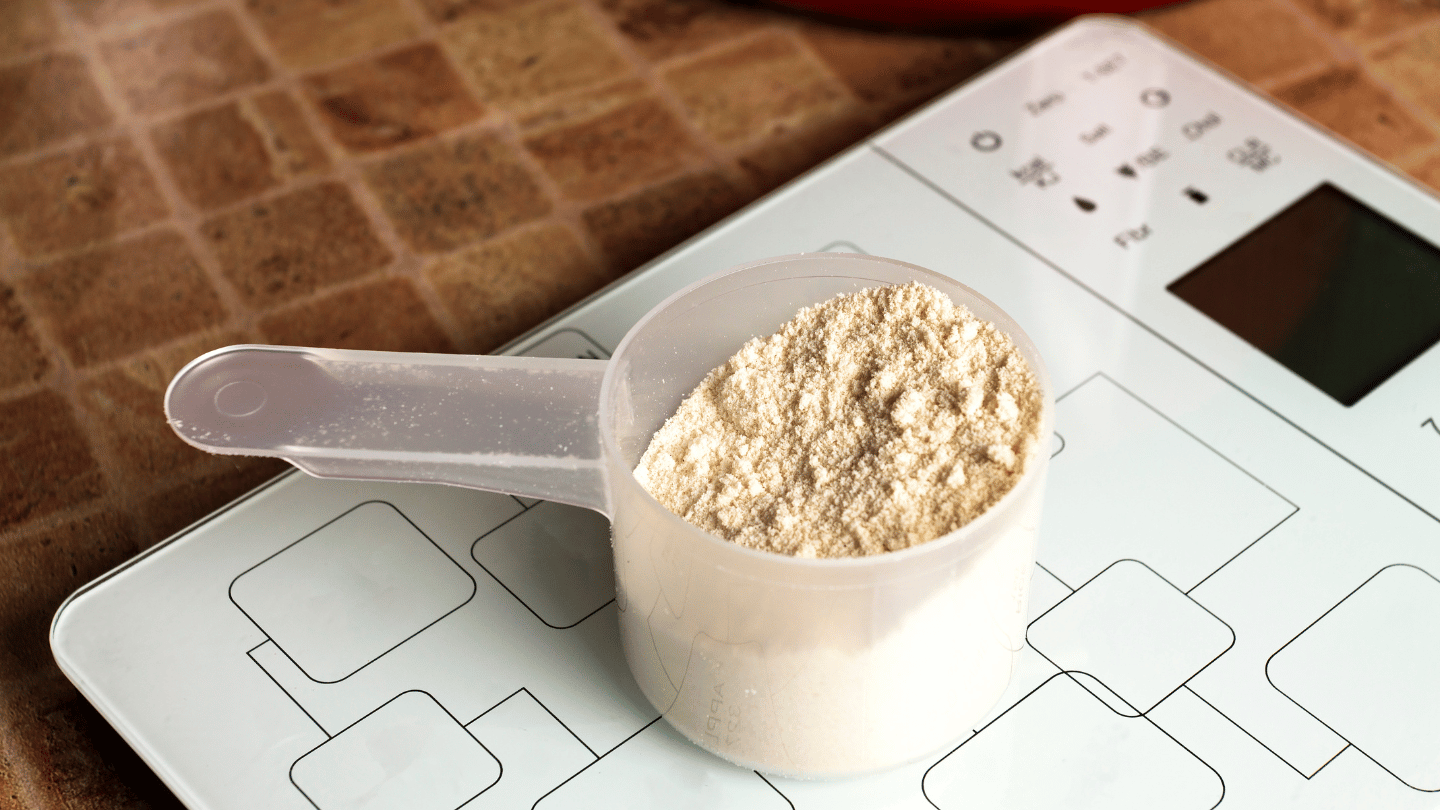
- 1 scoop protein powder = 20-25g protein
- 4 oz salmon = 25g protein
- 1 cup cottage cheese = 28g protein
Spread across 3-4 meals, you hit your target easily. And you stay satisfied, not hungry.
The Bottom Line: Don't obsess over fancy supplements or complicated nutrition. Just eat adequate protein and whole foods. That's 80% of the work.
If a flat daily deficit feels too rigid, a more flexible way to run your calorie deficit is to cycle your calories across the week. Why don't yo check out our zig zag diet calculator?
One more place where diet companies lie: the timeline.
"Lose 10 pounds in 30 days!" "6-week body transformation!" "30-day challenge with guaranteed results!"
These promises sell because they sound amazing. But they're not realistic, and they set you up for failure.
Here's the actual, realistic timeline:
- Weeks 1-2: Mostly water weight. You might feel lighter, but not much actual fat loss yet.
- Weeks 3-4: Fat loss starts. It's subtle. Your clothes fit a bit different. You've lost 2-3 actual pounds.
- Weeks 5-8: Real changes. If you're lifting, you might see muscle definition. You feel better. Sleep improves. Energy goes up.
- Weeks 8-12: Now the changes are obvious. People start noticing. You feel significantly better physically and mentally.
- Months 4-6: Transformation. You're noticeably leaner and stronger. More importantly, the habits are now automatic. This is sustainable.
Why the longer timeline?
- Fat loss is actually slow (0.5-1 lb per week is healthy and normal)
- Building muscle takes time
- Hormonal changes take weeks to show up
- Real habit formation takes 8-12 weeks, not 30 days
But here's the key difference:
- 30-day crash diet: Fast results that vanish the moment you stop. You regain everything + more.
- 6-month sustainable plan: Slower results that actually stick. You've built a lifestyle, not just followed a program.
Which would you rather have?
We see the same pattern at Hideout Fitness in Irvine every single week:
Someone walks in thinking they need to starve themselves or do 2-hour workouts. We sit down, explain the actual science, and they relax. It's a relief; they don't have to suffer.
Then we build a real plan:
- Step 1: Calculate Your Real Number: We determine your actual daily calorie burn. How many calories your specific body needs. Not a guess.
- Step 2: Set a Moderate Deficit: We create a 300-500 calorie daily deficit. Not extreme. Sustainable. This produces 0.5-1 pound of fat loss per week.
- Step 3: Design Strength Training: 3-4 workouts per week. Progressive. Designed to preserve muscle and keep you strong while losing fat.
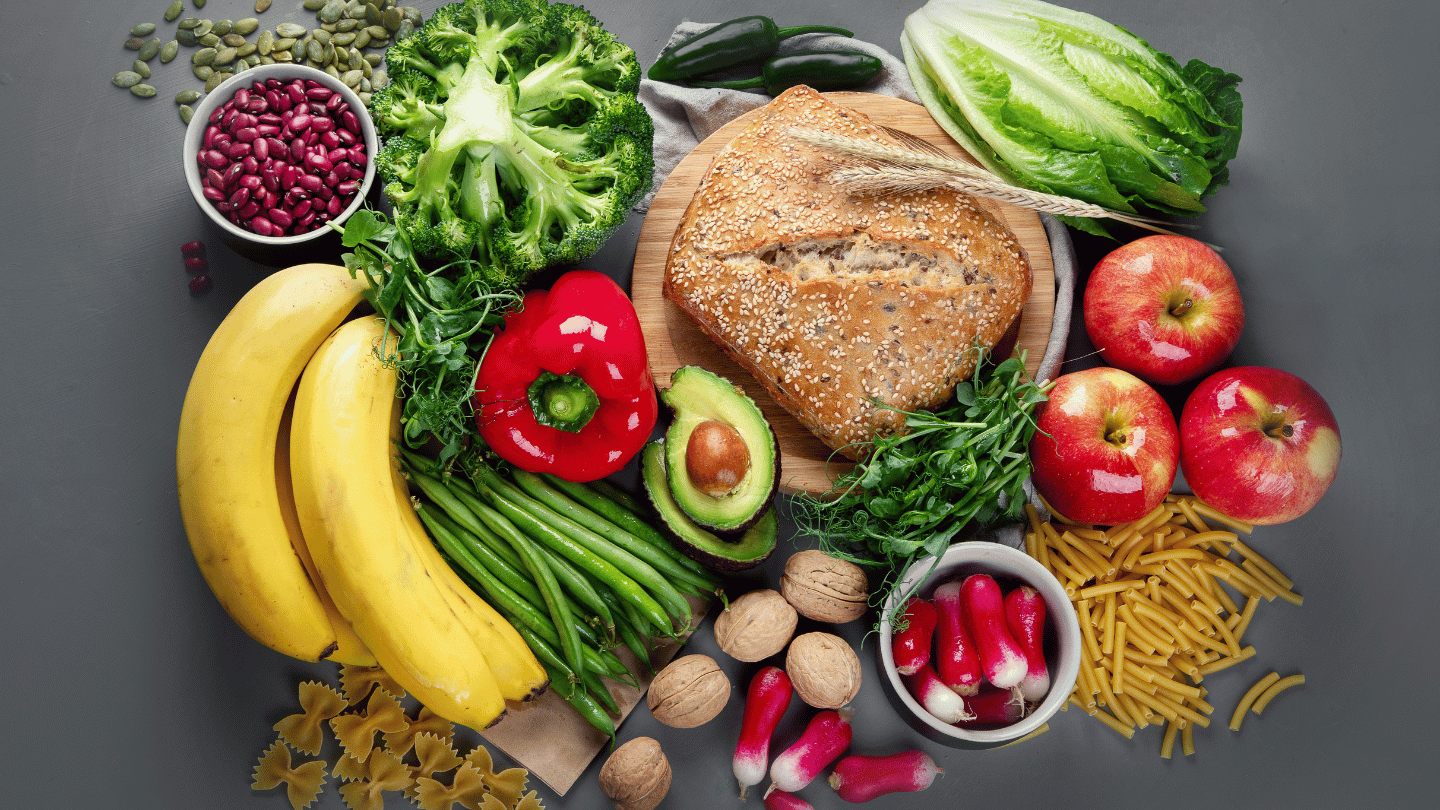
- Step 4: Dial in Protein: Simple nutrition plan. Not restrictive. Centered around protein + whole foods, with room for foods you actually enjoy.
- Step 5: Track What Matters: Weight fluctuates. We track measurements, photos, how your clothes fit, strength gains, energy, sleep, the real markers of progress.
- Step 6: Adjust Every Few Weeks: Every 3-4 weeks, we check progress. If fat loss stalls, we might slightly lower calories or add movement. Never crash. Always sustainable.
The Real Results:
People lose 1-2 pounds per week consistently. They stay strong. They have energy. Sleep improves. Mood gets better. And most importantly, they keep the weight off because this is a lifestyle rather than a temporary diet.
Hideout Fitness Serves All of Orange County
Based in Irvine, Hideout Fitness personal trainers work with people from Newport Beach, Costa Mesa, Tustin, and Lake Forest.
Three training options:
- Semi-Private Training: Train with 2-3 others, personalized coaching, includes meal planning, 30% cheaper than one-on-one
- Private One-on-One: Private training, with a complete focus on your goals and form with an Irvine personal trainer
- Online Coaching: Full remote training + nutrition coaching if you can't come to Irvine


.jpg)
.jpg)













.png)






















.png)



.png)





.png)
.png)
.png)


