
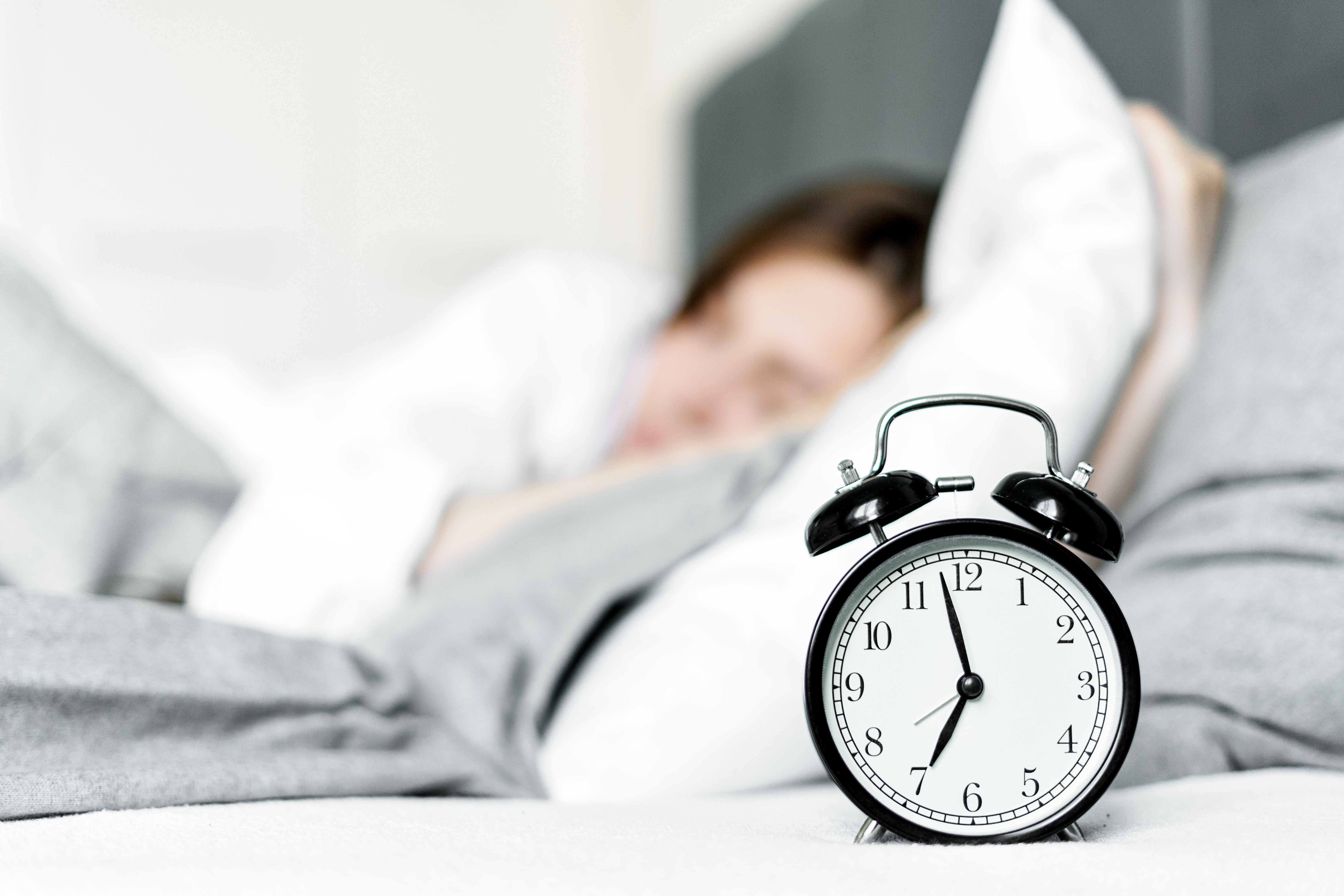
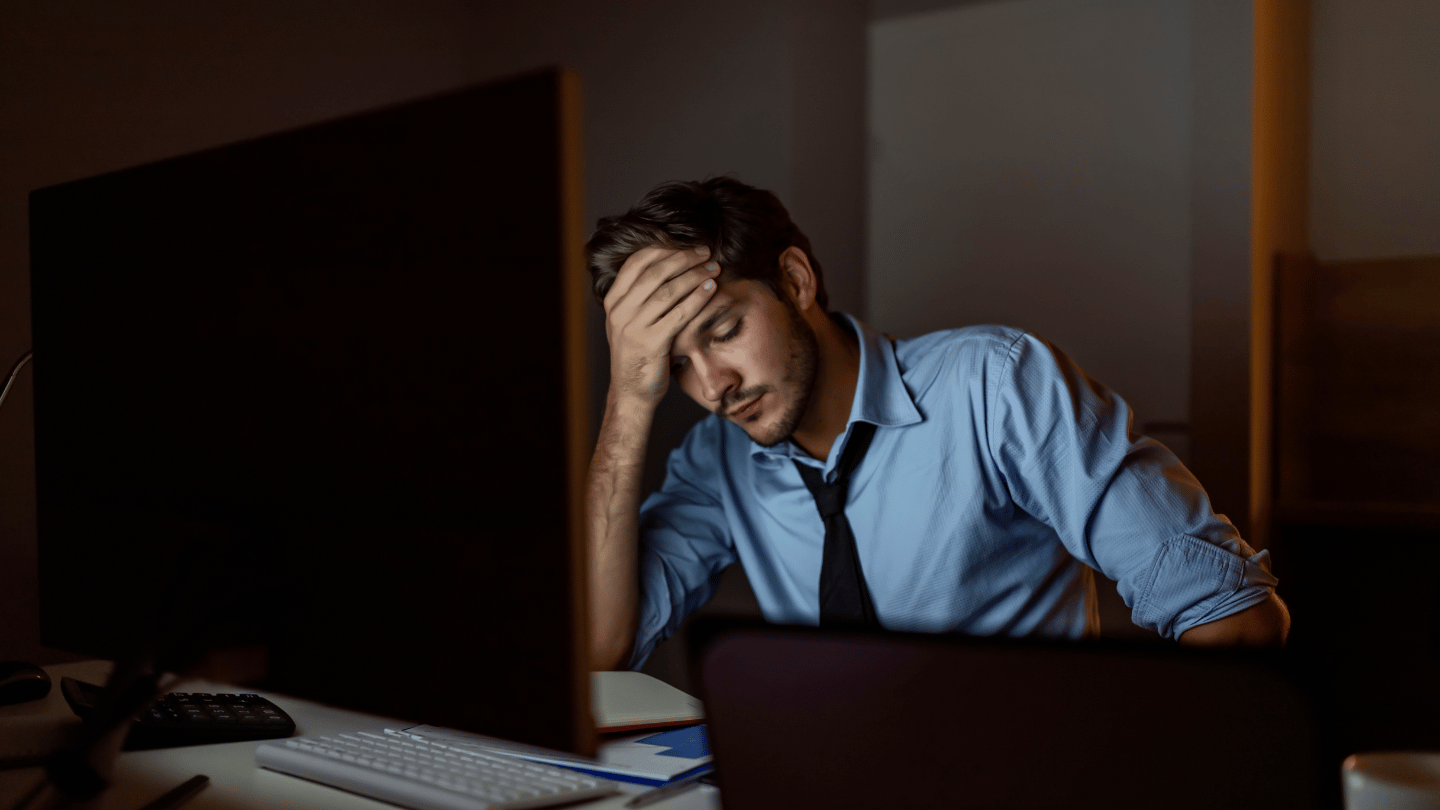
Poor sleep and weight loss don't mix. You can nail your diet and train hard five days a week, but if you're sleeping five or six hours a night, you're quietly sabotaging almost all of it.
Sleep is the most underrated tool in fitness. It's when your body burns fat, repairs muscle, and rebalances the hormones that control hunger and strength. Skimp on it, and your results stall no matter how disciplined you are in the kitchen and the gym.
At Hideout Fitness in Irvine, our coaches see it constantly: a client doing everything right who can't figure out why the scale won't move or their lifts won't climb. Usually the missing piece isn't more effort. It's more sleep. Here's what the research actually shows, and how to fix it.
What Does a Lack of Sleep Do to Your Body?
The short version: almost nothing good. When you cut sleep short, three things go wrong at once. Your hunger hormones shift, so you eat more. Your muscle-building and fat-burning hormones drop. And your recovery slows, so your workouts suffer.
Let's break down each one, because the hit to your fat loss, muscle, and strength is bigger than most people think.
How Sleep Affects Your Weight Loss and Fat Loss
This is the one that surprises people most. You'd think eating less is all that matters for fat loss. It isn't.
In a University of Chicago study, dieters who slept 5.5 hours a night lost 55 percent less fat than dieters who slept 8.5 hours, even though both groups ate the exact same reduced-calorie diet. Worse, the short-sleep group lost 60 percent more muscle. Same diet, but poor sleep flipped their results. They held onto fat and burned off the muscle they were trying to keep.
Two big reasons why:
- Hunger hormones. Too little sleep raises ghrelin (the "I'm hungry" hormone) and lowers leptin (the "I'm full" hormone). You feel hungrier, especially for sugary, high-calorie foods, and it's harder to stop eating.
- Cravings and willpower. A tired brain craves quick energy and has less self-control. That late-night snack you swore off is much harder to resist on five hours of sleep.
If the scale won't budge even though you're eating clean, sleep is one of the first places we look. We covered the other common culprits.
Does Lack of Sleep Affect Muscle Growth and Recovery?
Building muscle doesn't happen in the gym. It happens while you recover, and most of that repair happens while you sleep.
During deep sleep, your body releases the bulk of its growth hormone, which repairs muscle tissue and helps you get stronger. Cut your sleep short and you cut that repair window short too.
Sleep also protects testosterone, which is critical for building muscle and strength in both men and women. In another University of Chicago study, healthy young men who slept less than five hours a night for just one week saw their testosterone drop by 10 to 15 percent, a significant decline from a single week of bad sleep.
Less growth hormone and lower testosterone means slower gains, weaker recovery, and more soreness between sessions. You can train perfectly and still spin your wheels if you're not sleeping enough to rebuild. Recovery is a skill of its own, which we break down here.
How Sleep Affects Your Workout Performance and Strength
Even a single bad night hits your training. On too little sleep, you'll notice:
- Less strength and power. The same weight feels heavier and your top sets suffer.
- Lower endurance. You gas out sooner and your work capacity drops.
- Worse focus and coordination. That matters for hitting depth on a squat or holding form on a deadlift.
- Higher injury risk. Tired, poorly coordinated bodies get hurt more often.
- Higher perceived effort. Everything just feels harder, so you're more likely to cut the session short.
Add it up and poor sleep doesn't just slow your progress. It makes every workout less effective and less safe.
How Much Sleep Do You Need to Build Muscle and Lose Fat?
For most adults, the target is 7 to 9 hours of quality sleep per night. If you're training hard and trying to lose fat or build muscle, aim for the higher end.
Just as important as the number is consistency. Going to bed and waking up at similar times every day, weekends included, keeps your hormones and recovery on track. One or two late nights won't undo your progress, but a chronic five-hour habit will.
How to Sleep Better for Faster Fat Loss and Recovery
The good news: sleep is a skill you can improve. Here's what we tell our clients at Hideout:
- Keep a consistent schedule. Same bedtime and wake time (even on weekends).
- Cut caffeine after 2 p.m. It lingers for hours and wrecks your deep sleep.
- Get morning sunlight. Ten minutes outside early helps set your body clock.
- Make the room cool, dark, and quiet. Aim for around 65 to 68 degrees, blackout curtains, no TV.
- Power down screens. Put the phone away 30 to 60 minutes before bed.
- Watch late meals and alcohol. Both fragment your sleep, even if they help you fall asleep at first.
- Train earlier when you can. Hard workouts too close to bedtime can leave you wired.
Small changes here pay off fast. Most people feel the difference in their energy and their lifts within a week or two.
How Hideout Fitness in Irvine Helps You Train, Eat, and Recover Right
Diet, training, and sleep all work together. Miss one and the other two can't fully do their job. That's why our coaches build the whole picture into your plan, not just your workouts.
Every program at Hideout includes a custom training plan matched to your recovery and schedule, whether that's private training or semi-private training, a realistic nutrition plan that supports steady fat loss, and coaching on the daily habits, sleep included, that actually drive results. Weekly check-ins mean we can spot when poor recovery is holding you back and adjust before you stall.
Prefer to train on your own schedule? Our online coaching gives you the same structure and accountability from anywhere, and you can always meet the coaches who'll be in your corner.
Serving Irvine and All of Orange County
Located at 16510 Aston St in the Irvine Business Complex, minutes from John Wayne Airport, UCI, and the Irvine Spectrum, we serve clients from across Orange County:
- Costa Mesa: about 8 minutes (4 miles)
- Newport Beach: about 12 minutes (7 miles)
- Tustin: about 10 minutes (5 miles)
- Santa Ana: about 12 minutes (6 miles)
- UCI / University Park: about 8 minutes (4 miles)
- Lake Forest: about 15 minutes (10 miles)
- Most of Irvine (Woodbridge, Quail Hill, Turtle Rock, Northwood, Westpark): under 10 minutes

.jpg)
.jpg)






.png)
















.png)


.png)




.png)
.png)
.png)

