

You've been showing up. You're eating better, lifting more, maybe even squeezing in cardio on weekends. So why isn't the scale moving? If you're stuck in a weight loss plateau in Irvine, Newport Beach, Costa Mesa, or anywhere else in Orange County, you're not alone. Plateaus are one of the most common frustrations our coaches at Hideout Fitness see, and they're rarely caused by what people think.
What's Actually Causing Your Weight Loss Plateau in Orange County
Weight loss plateaus aren't random. They're usually caused by something specific: your inputs, your recovery, or your training. But once you find the gap, you can definitely fix it.
Here are the 9 most common reasons our coaches see, and what to do about each one.
1. You're Eating More Than You Think
It might not seem like it, but it's the number one reason. A landmark New England Journal of Medicine study found that people who claimed they couldn't lose weight despite eating "low calorie" diets were actually underreporting their food intake by an average of 47 percent and overreporting their physical activity by 51 percent.
If you haven't tracked your food honestly for two weeks, you don't actually know what you're eating. Try logging everything (yes, everything) for 14 days.
2. You're Losing Muscle, Not Just Fat
If you're cutting calories hard and only doing cardio, your body will gladly burn muscle for fuel. That's a problem, because muscle is what keeps your metabolism running and gives you the lean, strong look most people actually want.
Lift heavy things. Our Irvine fitness coaches strength training into every fat loss program at Hideout precisely because of this.
3. Your Sleep Is Wrecked
Sleep less than 6 hours a night, and your hunger hormones go haywire. Ghrelin (which makes you hungry) spikes, leptin (which signals fullness) tanks, and cortisol stays elevated. Your body actively fights fat loss when you're underslept.
Before changing one more thing about your diet, ask yourself how many hours you actually slept this week. Aim for 7 to 9 hours, consistently.
4. Stress Is Keeping Cortisol High
Living in OC isn't always relaxing. Long commutes on the 405, demanding jobs, it stacks up. Chronic stress keeps cortisol elevated, which encourages your body to hold onto belly fat and crave sugar.
You can't always lower the stress, but you can manage it. Daily walks (the bluffs at Crystal Cove are perfect), 10 minutes of breathing or meditation, and not training to absolute failure every session all help bring cortisol back to baseline.
5. You Haven't Changed Your Workouts in Months
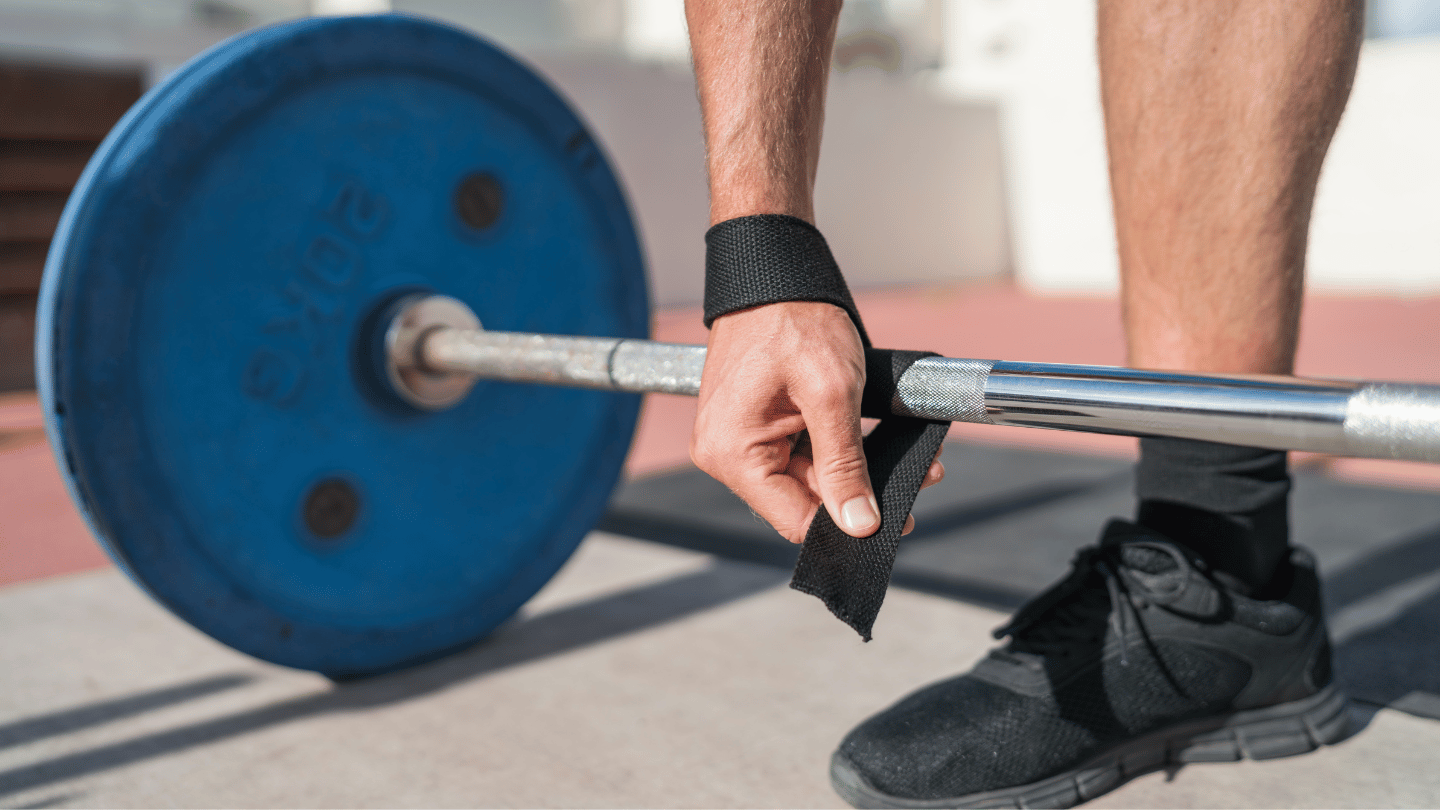
Your body adapts fast. The program that gave you results six months ago is now your baseline. If you're doing the same lifts at the same weights and reps, you're maintaining but not progressing.
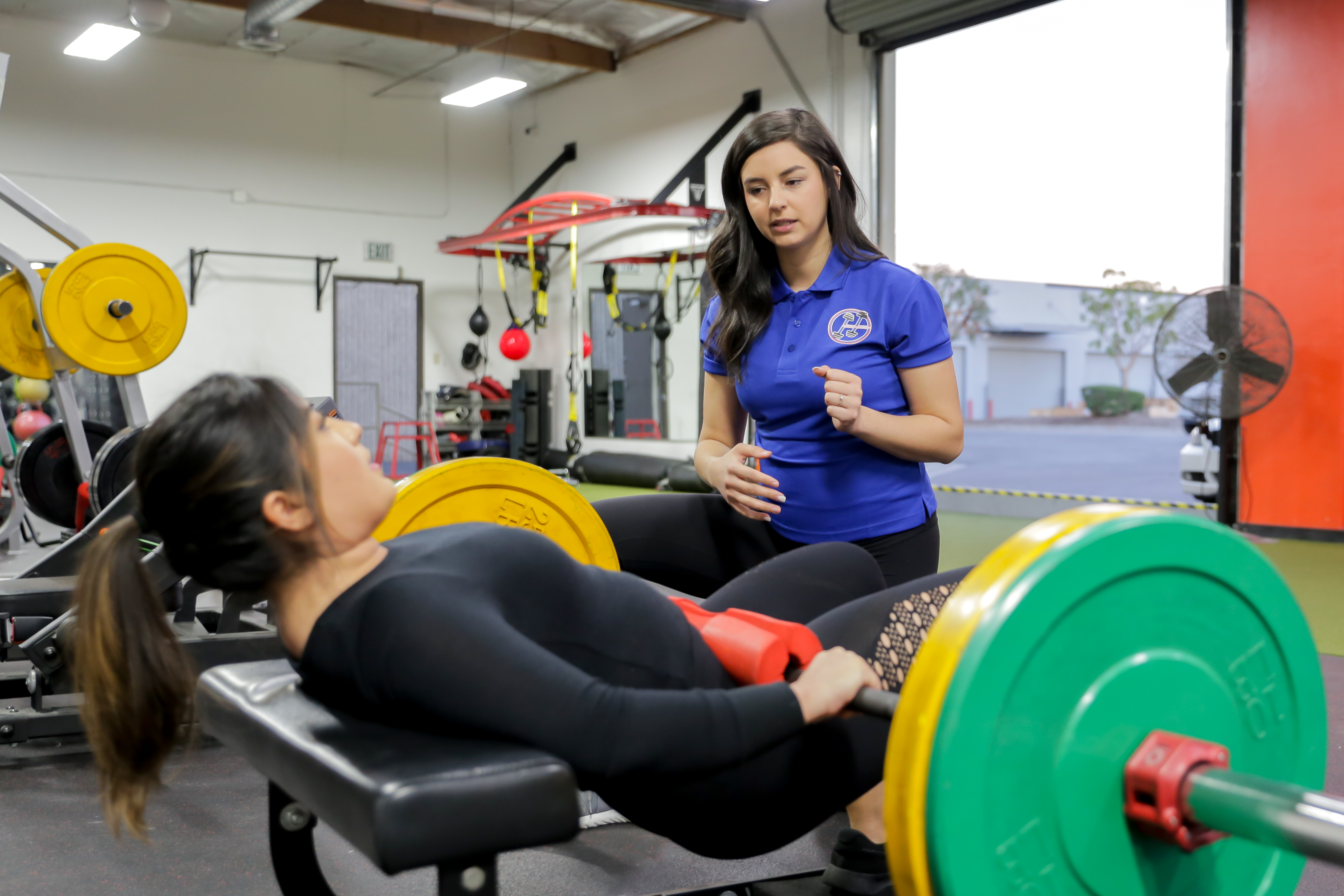
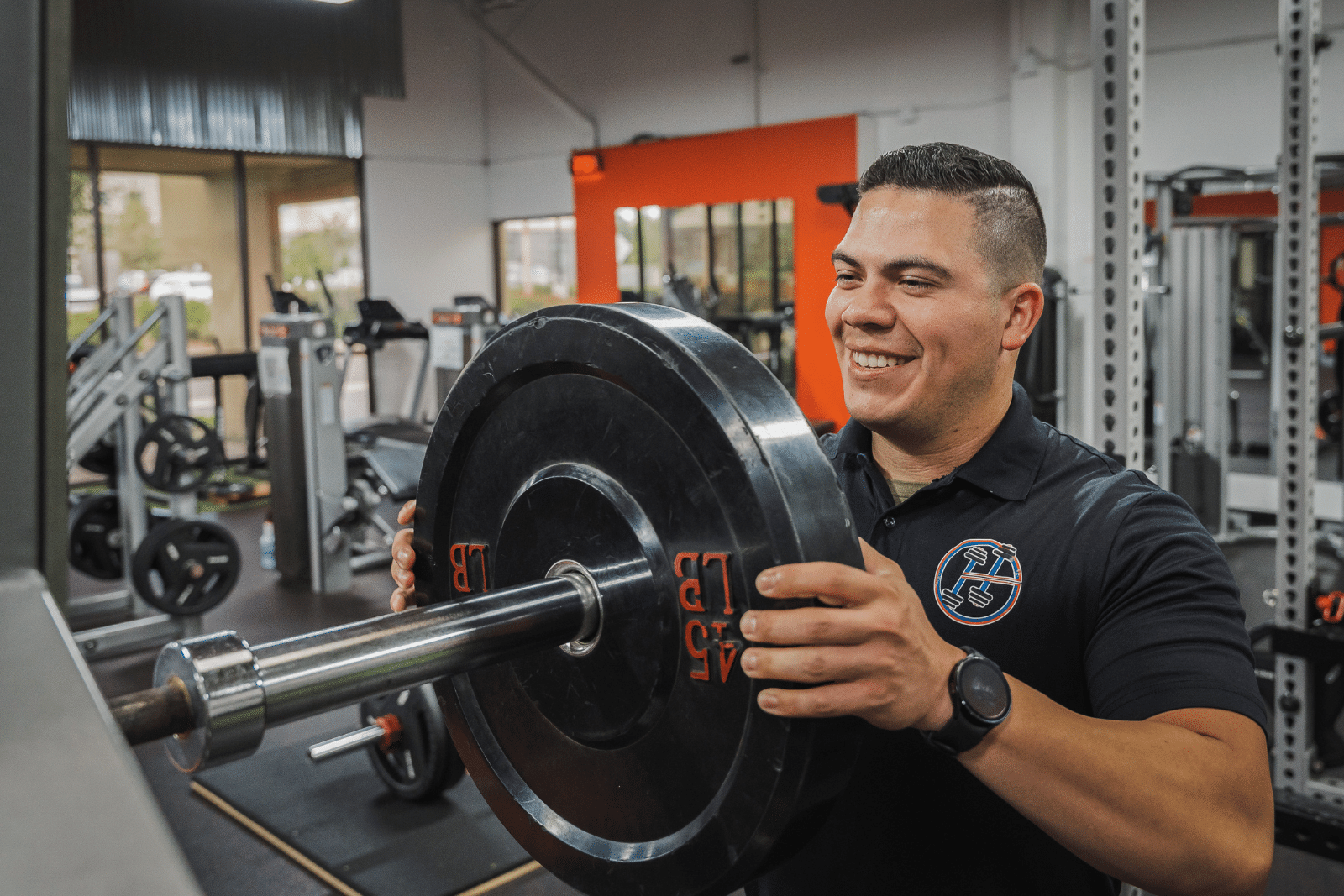
Progressive overload (adding weight, reps, or sets over time) is non-negotiable for ongoing results. This is where having a coach makes a real difference. At Hideout, our trainers, like Captain Hideout (alias, Coach Jacob), build periodized programs so your body never gets too comfortable. Comfort is the killer here.
6. You're Not Eating Enough Protein
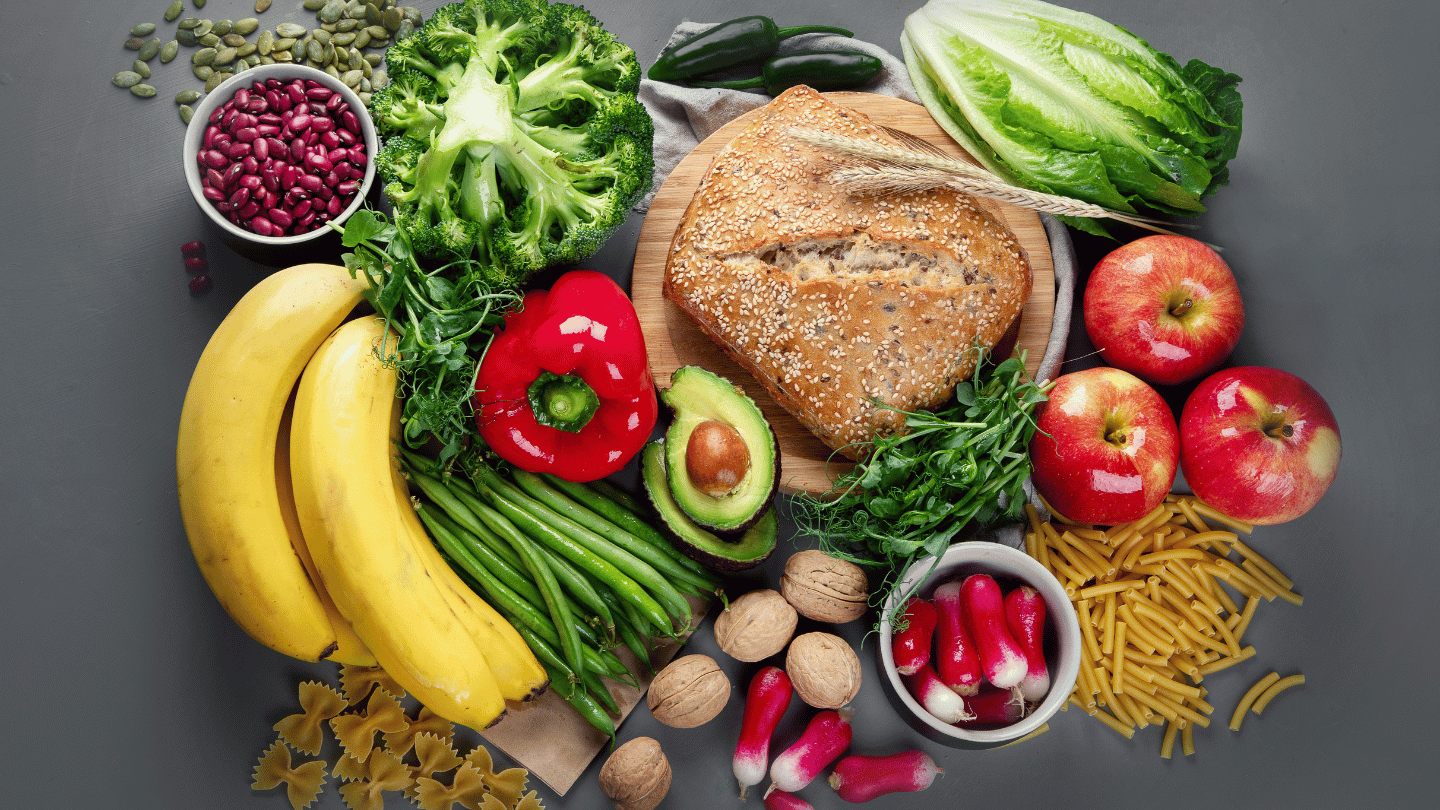
Protein keeps you full, protects muscle during a cut, and has the highest thermic effect of any macronutrient (your body burns more calories just digesting it). Most people trying to lose weight eat way too little.
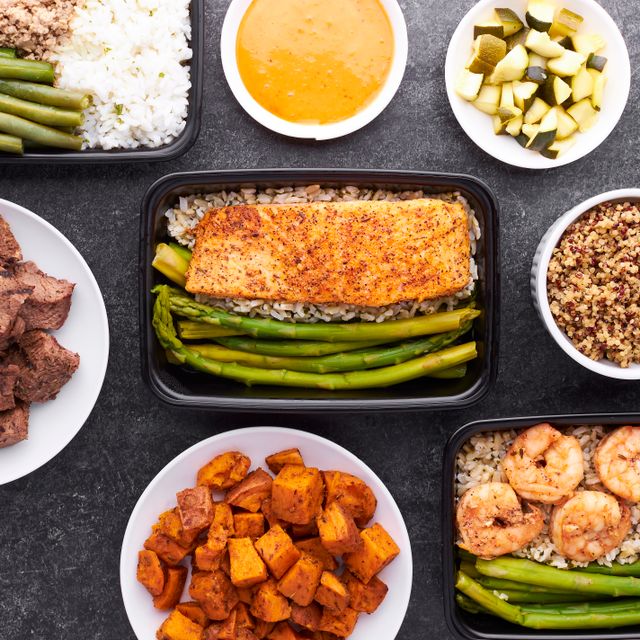
A solid target: 0.8 to 1 gram of protein per pound of goal body weight. If you weigh 180 and want to be 160, aim for around 130 to 160 grams a day. Spread it across meals.
7. You're Doing Too Much Cardio
Cardio has its place, but hammering the treadmill 6 days a week tanks recovery, drives up hunger, and can actually stall fat loss when paired with low calories. More isn't better. Smarter is better.
Two to three strength sessions plus 2 short cardio sessions (think 20 minutes of intervals or a 30-minute incline walk) outperform 6 days of grinding for most people.
8. The Scale Is Lying to You (Sort Of)
Your weight can swing 3 to 5 pounds in a single day from water, sodium, glycogen, and digestion. If you weigh yourself once a week and pick the wrong day, you'll think nothing's working.
Weigh in daily at the same time and under the same conditions, and look at the 7-day average. Better yet, take progress photos every two weeks and measure your waist.
9. Your Goal Weight Might Not Match Your Goal Body
If you're lifting consistently and your clothes fit better but the scale isn't moving, you might be recomping (gaining muscle while losing fat). That's a win, even if it doesn't feel like one.
The scale is one data point. How you look, how you perform, and how your clothes fit matter more.
How a Personal Trainer in Orange County Helps You Break a Plateau
You can troubleshoot a lot of this on your own. But sometimes you've genuinely done the work, and the scale still won't move. That's where a coach earns their keep.
At Hideout Fitness, here's how we approach plateaus:
- Full audit before changing anything: We look at your training, nutrition, sleep, stress, and step count. Most plateaus break with one or two specific changes, not a full overhaul.
- Honest food tracking review: We help you actually see what you're eating, without judgment. The gaps are almost always in places you didn't expect.
- Programming that progresses: Our coaches build periodized programs, so you're never stuck doing the same workouts on autopilot.
- Recovery-focused approach: Sleep, stress, and recovery get treated as non-negotiables, not afterthoughts. They're often where the real bottleneck lives.
- Realistic timelines: Sustainable fat loss is slow. We set expectations honestly and celebrate the wins that aren't on the scale.
Get Unstuck With Fitness Coaches Who See the Whole Picture
If you've been grinding away and the scale won't budge, you don't need to cut more calories or add more cardio. You need someone to look at the full picture and tell you what's actually missing.
At Hideout Fitness in Irvine, our coaches help Orange County clients break through plateaus every single day. Whether you're in Newport Beach, Costa Mesa, Tustin, or anywhere across the OC, we'll build a plan that actually moves the needle for you!






.jpg)
.jpg)












.png)






















.png)



.png)





.png)