
.jpg)
GLP-1 medications like Ozempic, Wegovy, Mounjaro, and Zepbound are helping a lot of people lose weight fast. But here's what most people aren't told: a big chunk of that weight can come from muscle, not just fat. And what you eat is the single biggest factor in whether you keep your strength or lose it.
The problem is that these medications kill your appetite, which is exactly what makes eating right so hard. When you're barely hungry, it's easy to skip meals, miss your protein, and quietly lose the muscle that keeps you strong, lean, and healthy.
At Hideout Fitness in Irvine, we coach clients through this every day. Here's exactly what to eat on GLP-1 medications to protect your muscle, stay strong, and make the fat loss actually last.
Why Is Muscle Loss a Real Risk on GLP-1 Medications?
When you lose weight, you always lose some mix of fat and muscle. On GLP-1s, the muscle share can be surprisingly high. Research presented by the Endocrine Society found that roughly 40 percent of the weight lost on semaglutide (that’s the drug in Ozempic and Wegovy) can come from lean mass, including muscle.
Why does that matter so much?
- Muscle drives your metabolism. The more muscle you have, the more calories you burn at rest. Lose muscle and your metabolism slows, which makes the weight easier to regain later.
- Muscle keeps you strong and independent. It's what lets you carry groceries, climb stairs, and stay capable as you age.
- Muscle protects your bones and blood sugar. Lean mass plays a real role in bone strength and in managing blood sugar after meals.
Losing fat is the goal, but losing muscle is the tax, and the right nutrition is how you avoid paying it.
How Much Protein Should You Eat on GLP-1 Medications?
Protein is the most important nutrient for protecting muscle during weight loss, and on a GLP-1 it becomes your number one priority at every meal.
A good target is roughly 0.7 to 1 gram of protein per pound of your goal body weight per day. For a lot of people that lands around 100 to 140 grams a day. If tracking grams feels like too much, use a simpler rule: aim for a palm-sized portion of protein (about 25 to 40 grams) at every meal, and hit it first before anything else on your plate.
The challenge is real. When your appetite is gone, eating that much protein takes intention. That's why the strategy below is built around getting protein in even when you're not hungry. (If you've struggled with protein before the meds, our guide on why so many people in Irvine get protein wrong is worth a read.)
What to Eat on GLP-1 Medications: A Simple Framework
You don't need a complicated meal plan. You need a simple order of priorities for every meal:
- Protein first. Always start with your protein. If you fill up fast, at least you fill up on what protects your muscle.
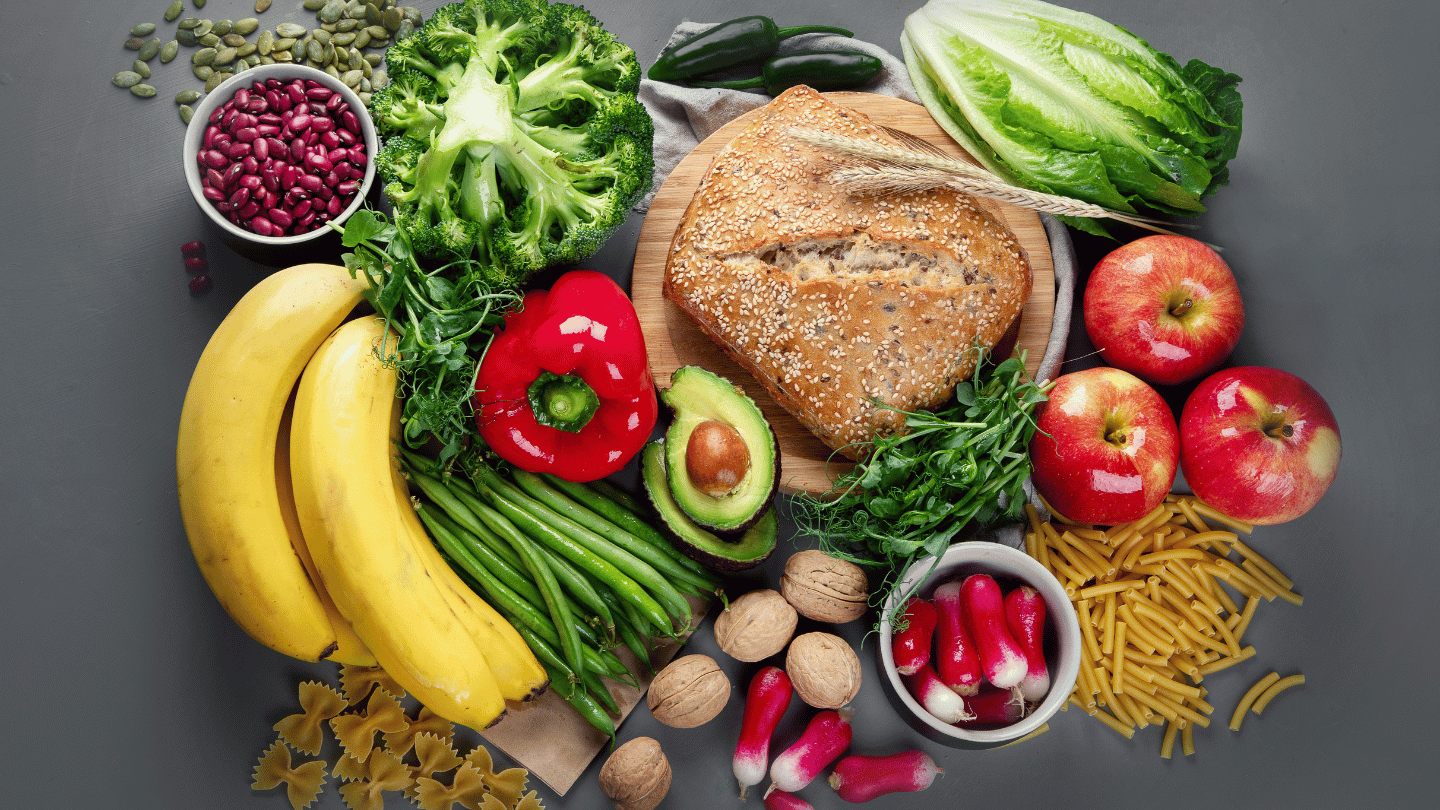
- Fruits and vegetables next. Fiber-rich produce keeps you full, supports digestion, and delivers the nutrients your body needs on fewer total calories.
- Smart carbs and healthy fats last. Whole grains, beans, avocado, olive oil, and nuts round out the meal and keep your energy steady for workouts.
Two more habits that make a big difference:
- Eat smaller meals more often. If big plates feel impossible, spread your food across four or five small meals so you can still hit your protein.
- Stay hydrated. GLP-1s can cause nausea and constipation. Water and fiber help you feel better and eat more consistently.
Best High-Protein Foods When You Have No Appetite
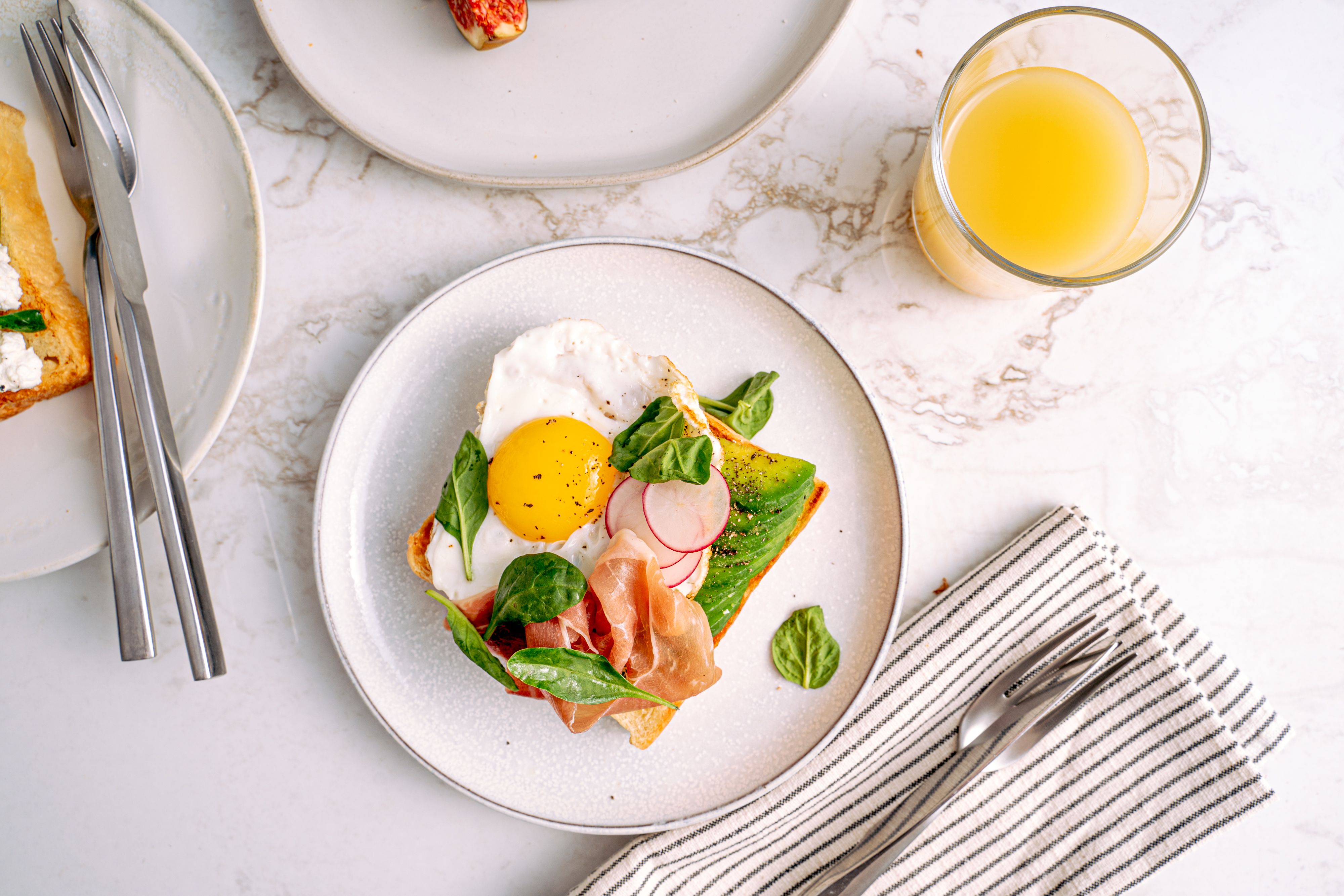
When you can barely eat, dense and easy-to-eat protein wins. Keep these on hand:
- Greek yogurt and cottage cheese (high protein, easy to eat, gentle on the stomach)
- Eggs and egg whites
- Chicken, turkey, and lean beef (cook ahead so it's ready when hunger hits)
- Fish and shrimp
- Protein shakes or smoothies (often the easiest way to get 30+ grams when solid food feels like too much)
- Tofu, tempeh, edamame, and lentils (great plant-based options)
- Low-fat string cheese and turkey slices (simple grab-and-go snacks)
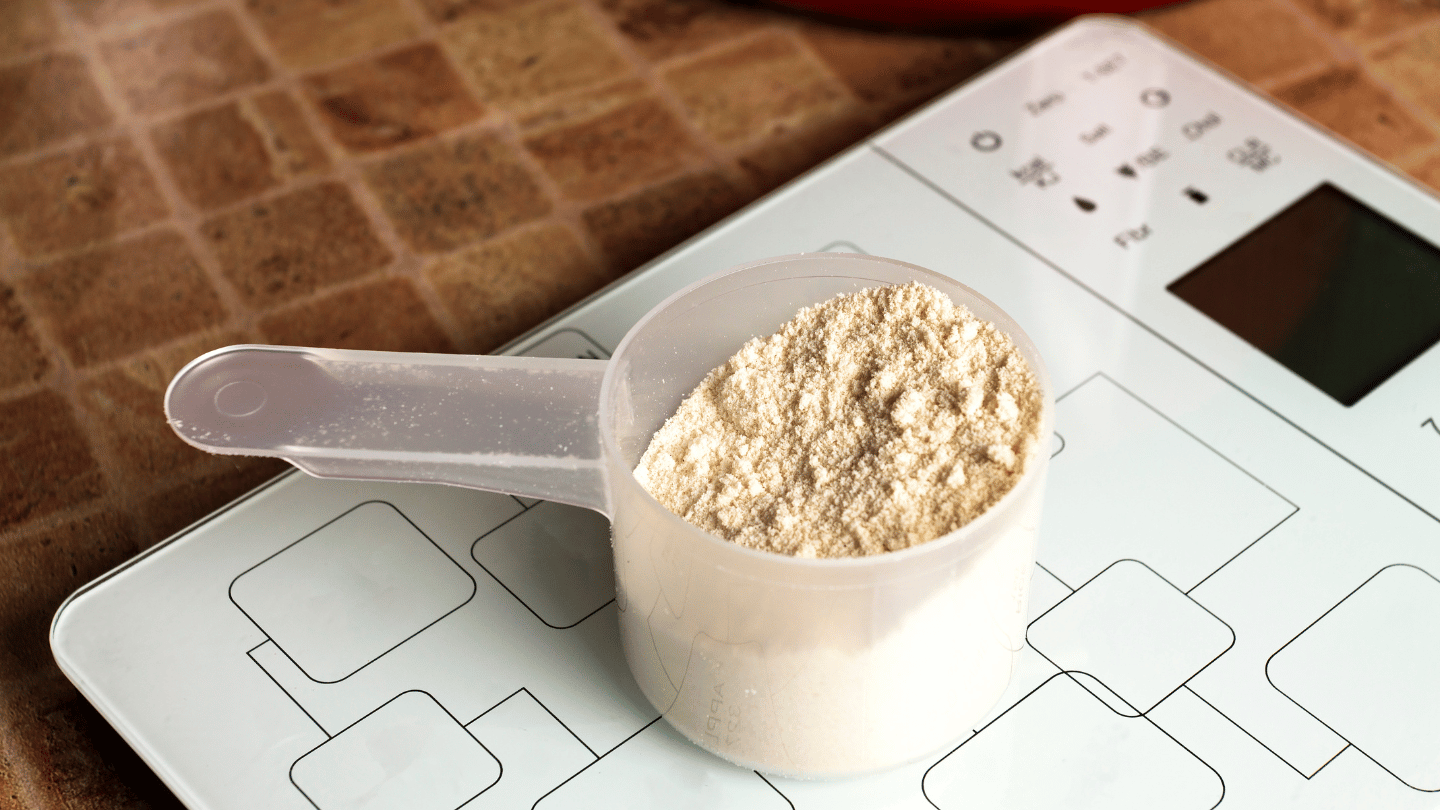
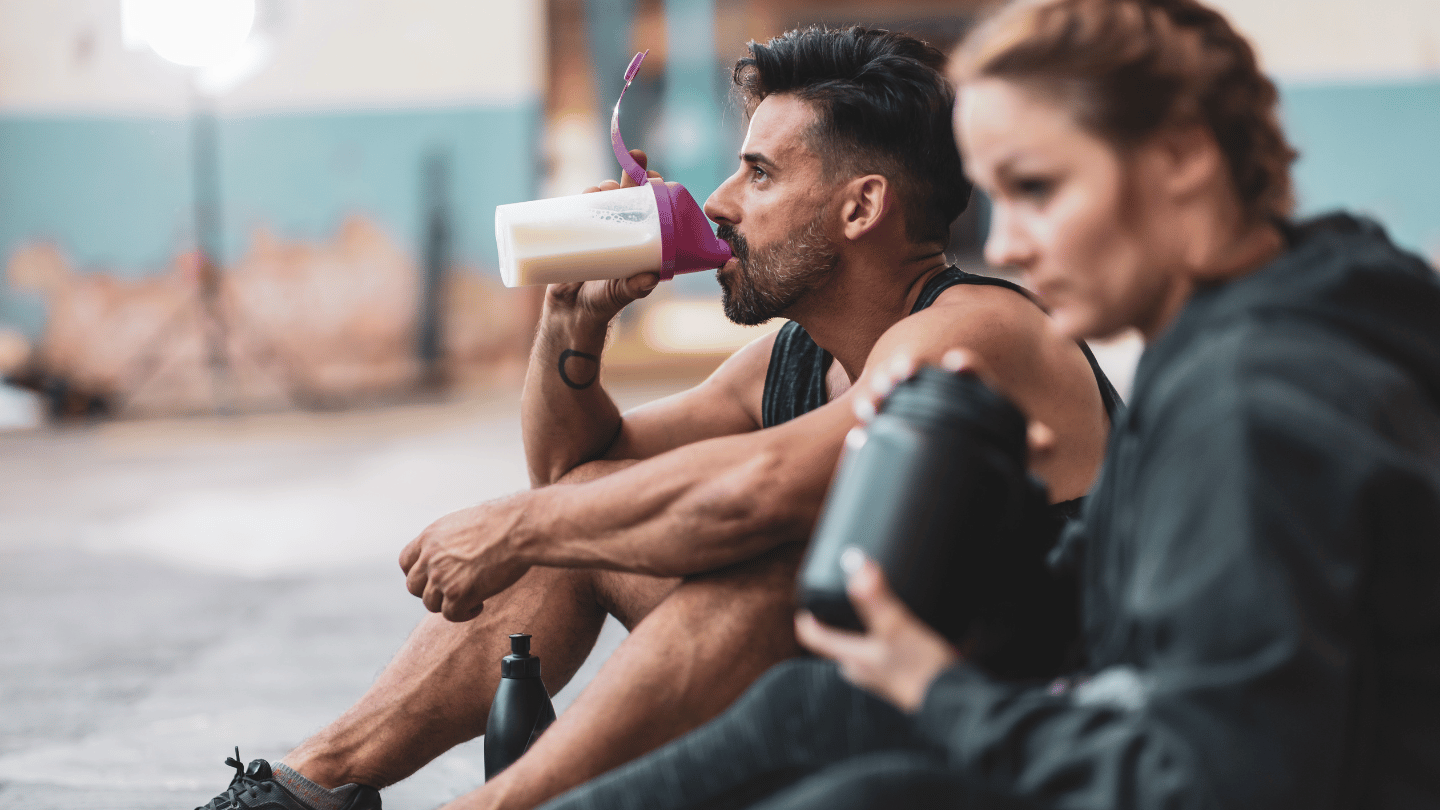
A protein shake between meals is one of the most reliable tools on a GLP-1. It's easy to drink even with low appetite and can close the gap when your solid meals fall short.
Foods and Habits to Avoid on GLP-1 Medications
A few things make the side effects worse or crowd out the nutrition you need:
Greasy, fried, and very fatty foods
Highly fatty foods are a double-whammy on GLP-1s. They're the #1 culprit for lingering nausea and acid reflux, but they also force your gallbladder to squeeze hard to process the fat. Since GLP-1s already increase the risk of silent gallstones, a heavy meal can easily trigger a painful gallbladder flare-up.
Alcohol
It packs empty calories and fuels dehydration, but on GLP-1s, it’s a triple risk. Alcohol interferes with your blood sugar levels, amplifies underlying nausea, and often hits much harder than usual due to altered tolerance
Sugary drinks and snacks
When your appetite is small, every bite counts. Sugary foods spike your blood sugar and crowd out the protein and nutrients required to protect muscle. Worse, concentrated sugar sitting in a slow-moving stomach is a fast track to bloating, gas, and sudden energy crashes.
Skipping meals entirely
It might be tempting when you're not hungry, but starving your body destroys lean muscle and triggers your metabolism to slow down. An empty stomach also makes acid reflux and nausea on GLP-1s significantly worse. Even if your appetite’s low, even a tiny meal with some protein is better than nothing ten times out of ten.
You Can't Just Eat Your Way to Keeping Muscle
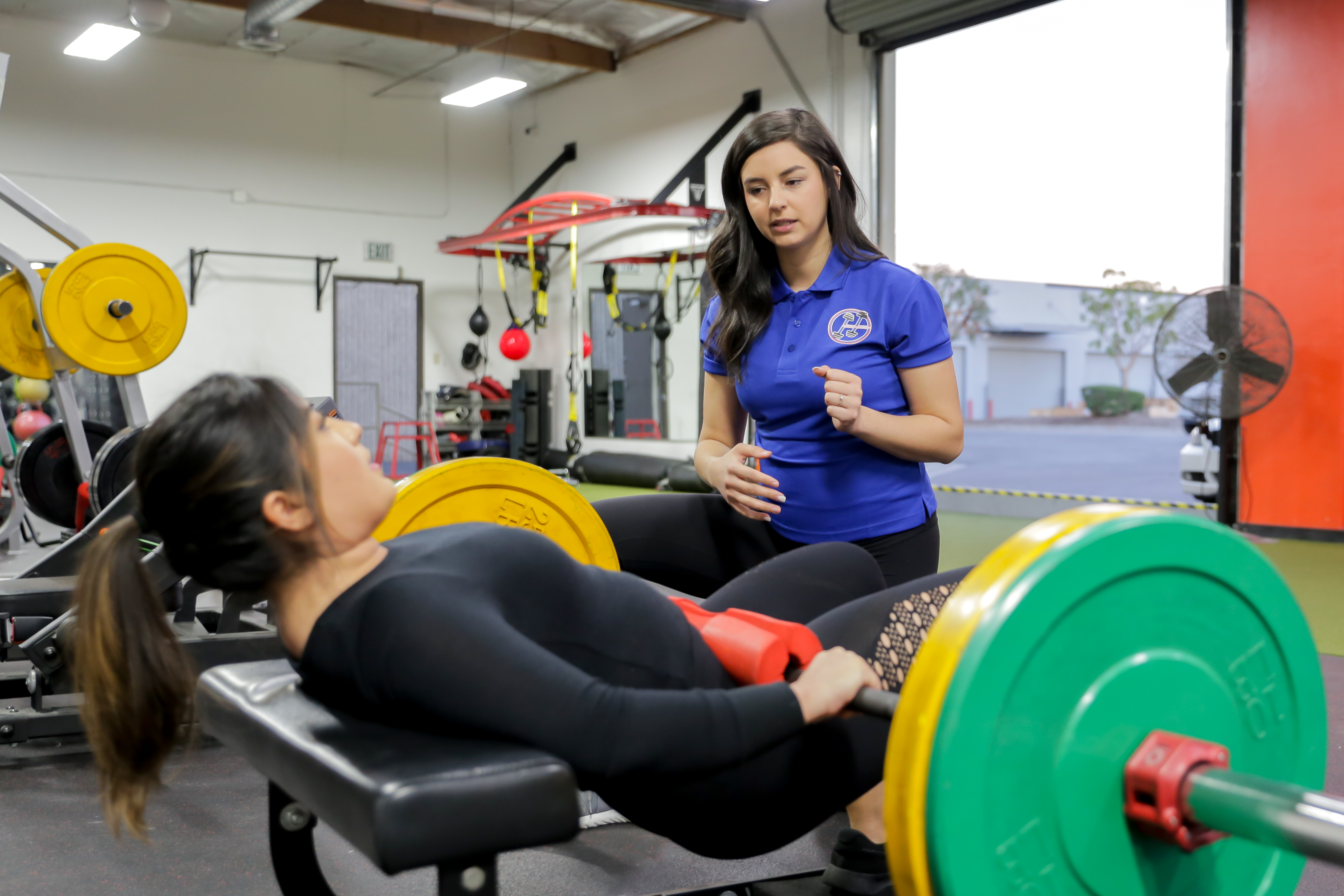
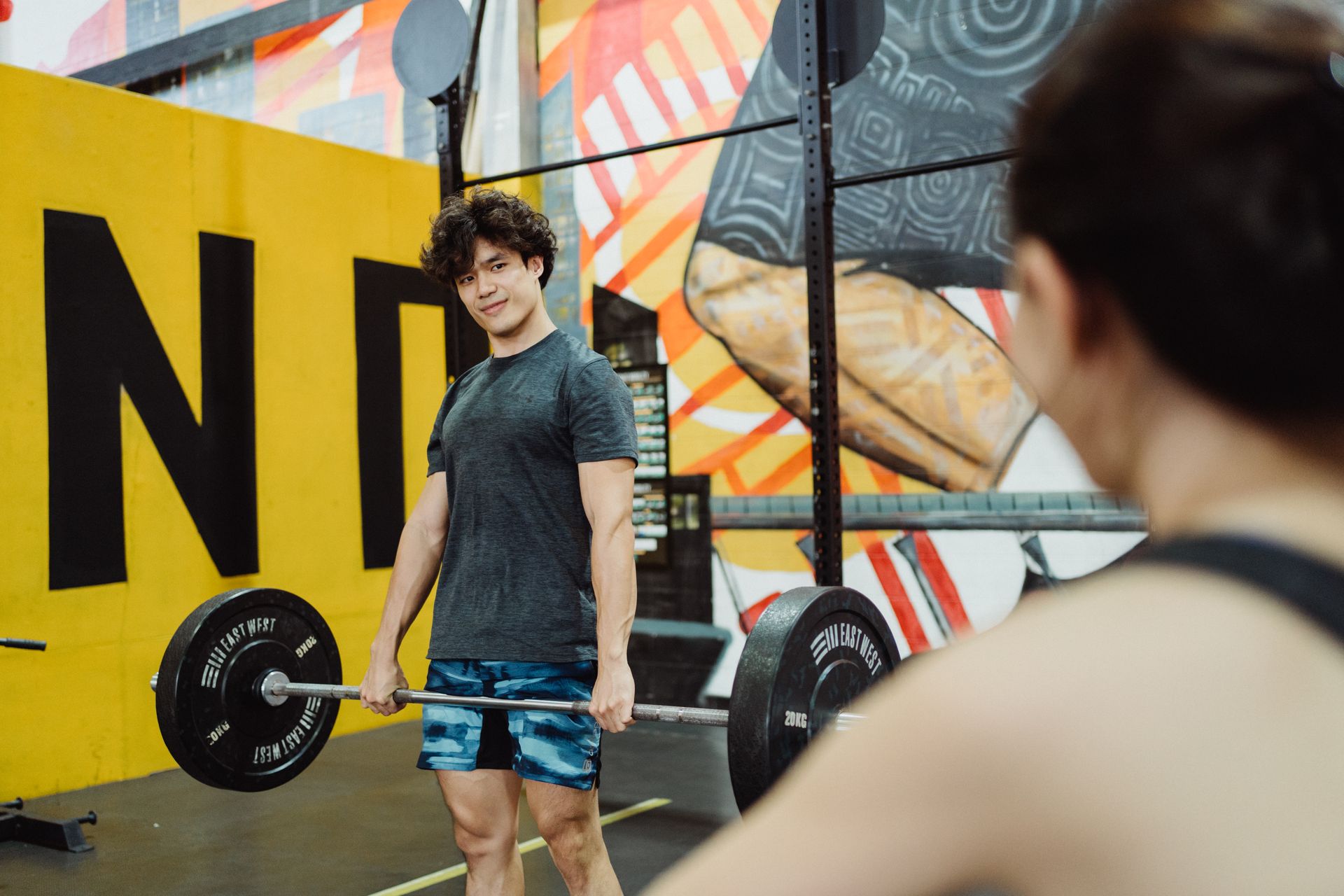
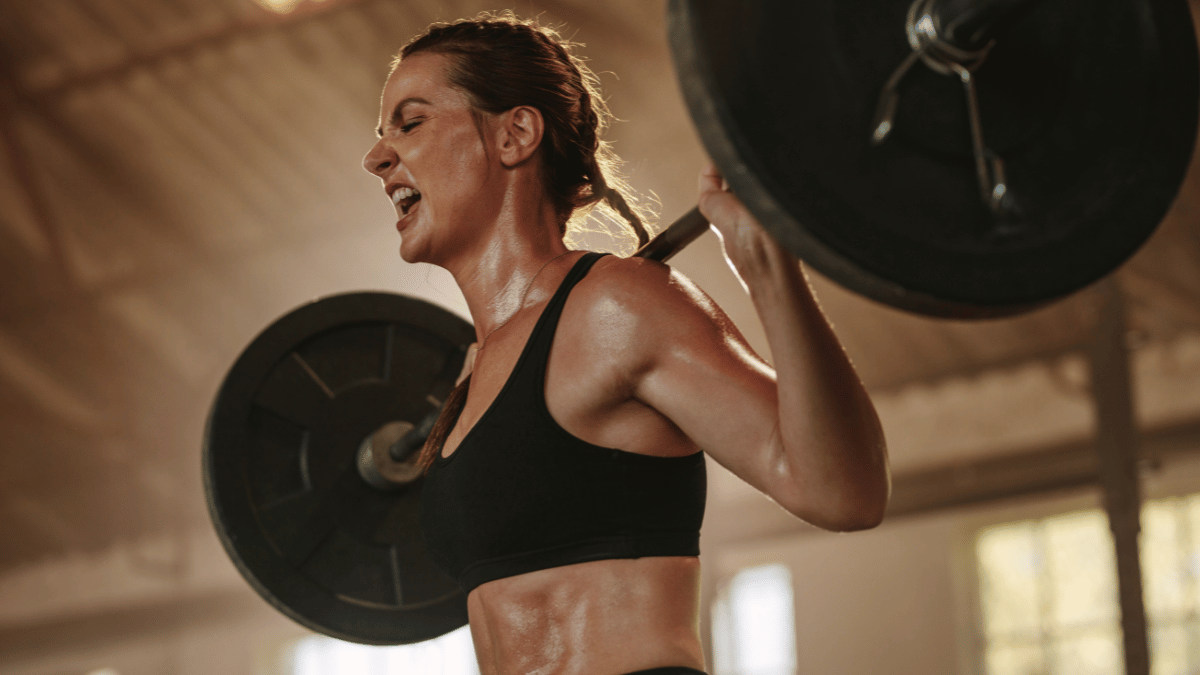
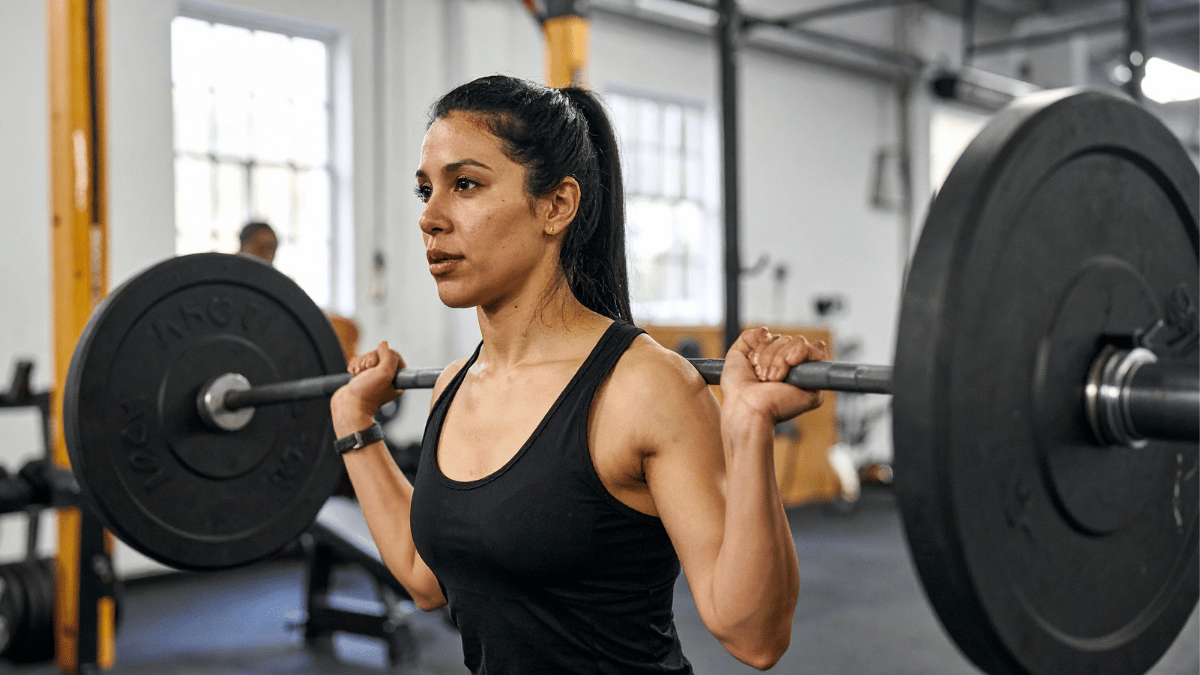
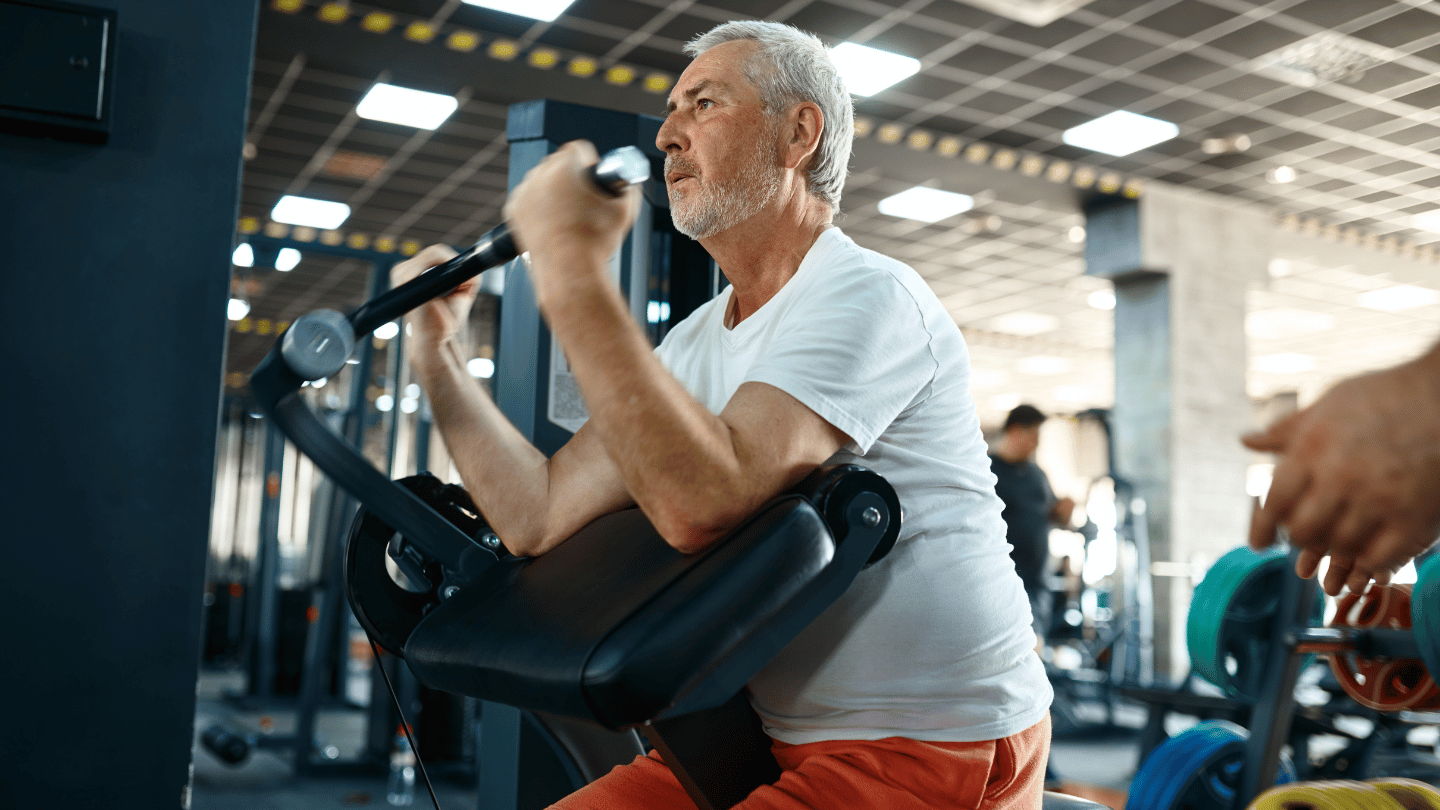
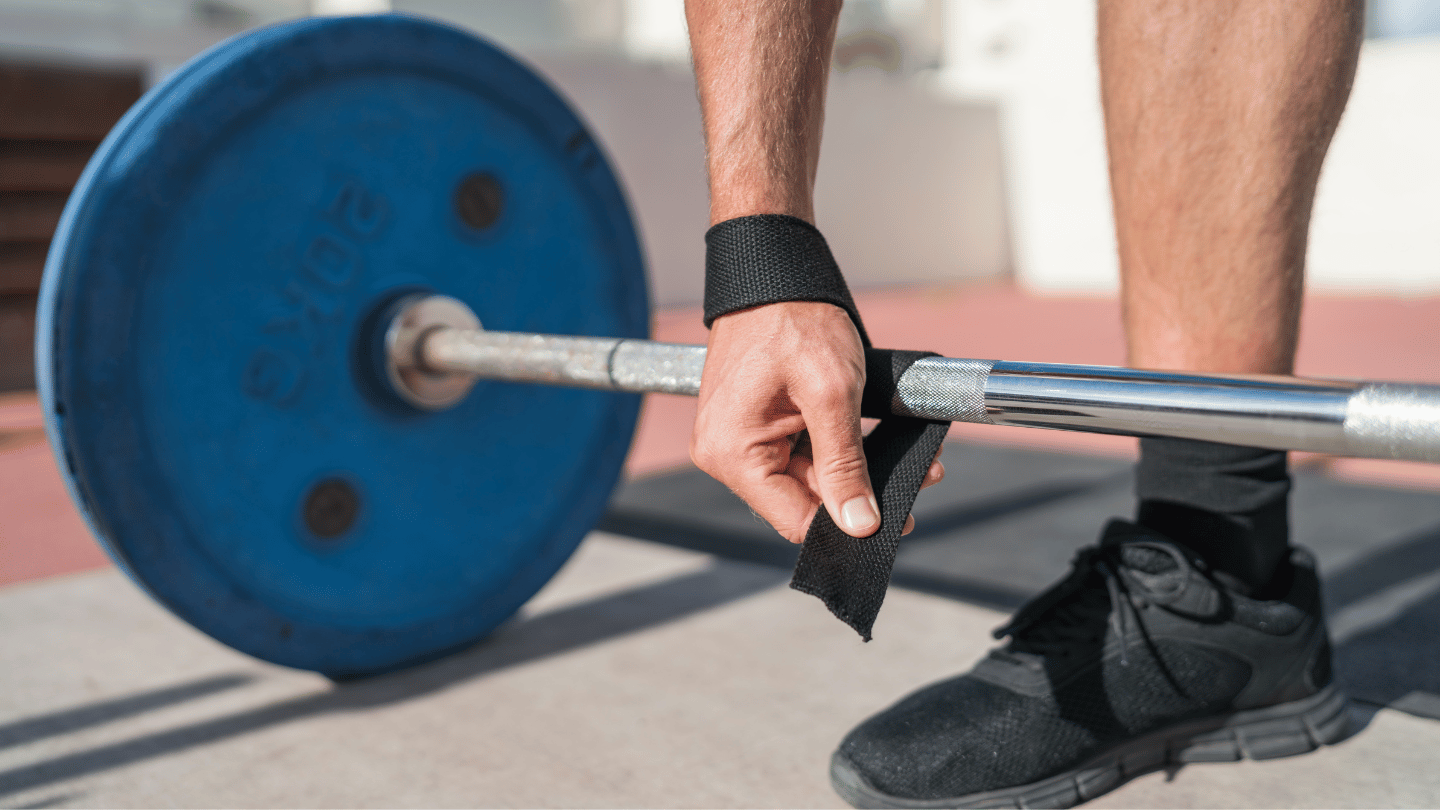
Nutrition’s half the equation, though. The other half is strength training. Protein gives your body the raw material to hold onto muscle, but resistance training is the signal that tells your body to keep it.
The research backs this up. A case series on GLP-1 users who prioritized higher protein intake alongside regular resistance training showed they largely preserved, and in some cases even gained, lean tissue while losing significant fat. Diet and training together are what turn a GLP-1 into a body-recomposition tool instead of just a scale-lowering one.
We go deep on the training side in GLP-1 Meds and Strength Training and Ozempic and Working Out. Pair those with the nutrition here and you've got the full playbook.
How Hideout Fitness in Irvine Helps GLP-1 Users Keep Their Muscle
Losing weight on a GLP-1 is the easy part. Losing fat while keeping your strength is where coaching makes the difference, and it's exactly what we do at Hideout Fitness in Irvine.
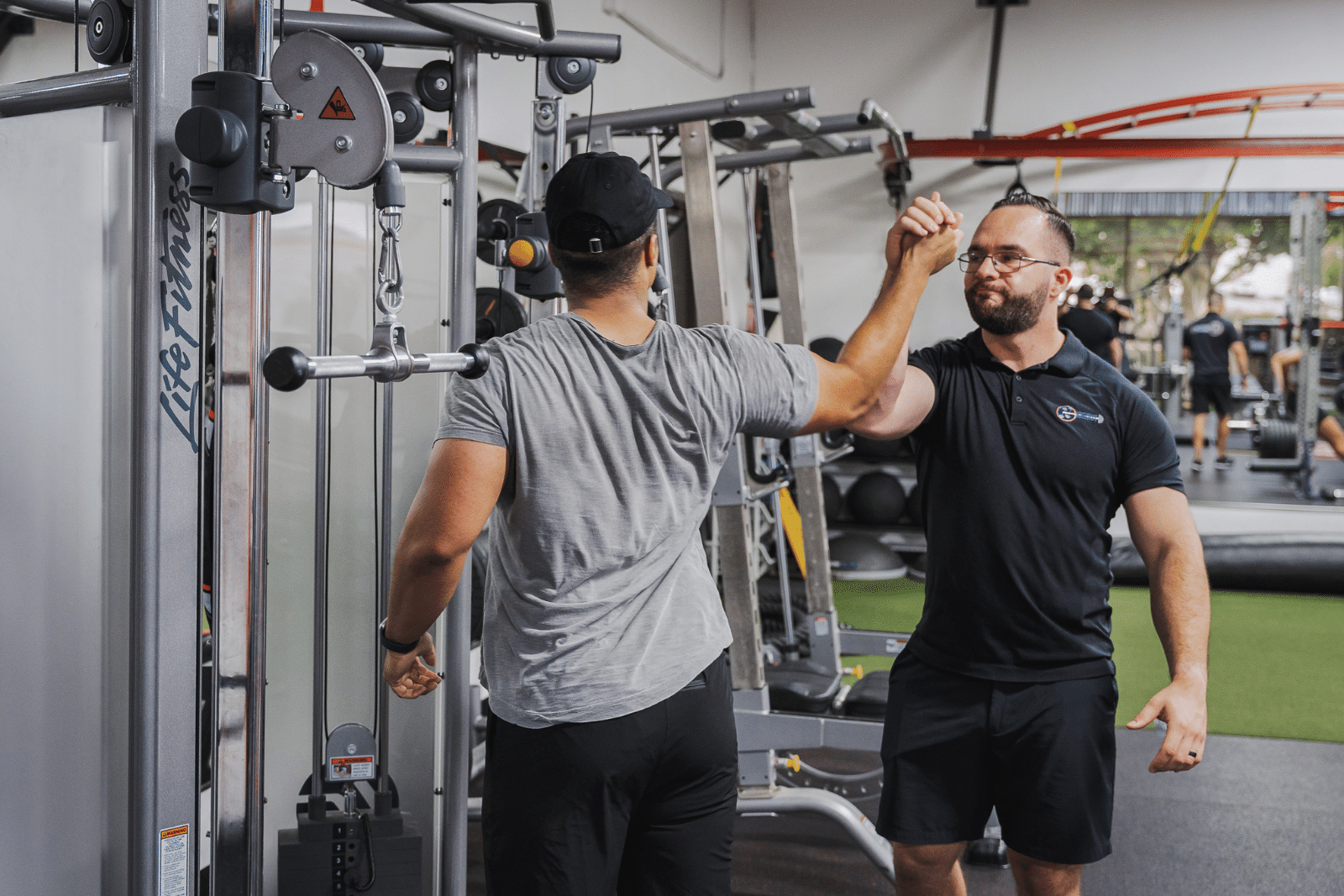
Our coaches build a plan around your medication, your appetite, and your goals: a realistic nutrition plan that hits your protein even on low-appetite days, a strength program that protects and builds muscle, and weekly check-ins so we catch problems before they cost you your progress. Whether you train with us in private training, semi-private training, or online coaching, you'll have a coach making sure the weight you lose is the weight you want to lose.
And if hitting your protein is the hard part, meal prep takes the guesswork out entirely, with high-protein meals built to fit right into your plan.
Serving Irvine and All of Orange County
Located at 16510 Aston St in the Irvine Business Complex, minutes from John Wayne Airport, UCI, and the Irvine Spectrum, we serve clients from across Orange County:
- Costa Mesa: about 8 minutes (4 miles)
- Newport Beach: about 12 minutes (7 miles)
- Tustin: about 10 minutes (5 miles)
- Santa Ana: about 12 minutes (6 miles)
- UCI / University Park: about 8 minutes (4 miles)
- Lake Forest: about 15 minutes (10 miles)
- Most of Irvine (Woodbridge, Quail Hill, Turtle Rock, Northwood, Westpark): under 10 minutes

.jpg)





.png)














.png)


.png)




.png)
.png)
.png)
