
There's a reason you stop getting stronger when every workout looks the same. Your body adapts to what you ask of it, and once it's comfortable, it has no reason to change. The fix is a principle called progressive overload, and as Hideout Fitness Coach Jacob points out, it doesn't just build muscle. It's how you grow, period.
Here's what progressive overload actually is, how to use it in your training, and why the same rule applies far beyond the gym.
What Is Progressive Overload?
Progressive overload means gradually increasing the demand on your body over time so it's forced to keep adapting. Lift the same weight for the same reps forever and your body settles in. Ask a little more of it, and it responds by getting stronger, building muscle, improving.
The mechanism is simple: stress, then adapt. You apply a challenge slightly beyond what you're used to, your body recovers, and it rebuilds a little stronger to handle it next time. Remove the challenge and progress stops. That's why progressive overload is the foundation of every effective strength program, a point we make in why strength training changes everything.
How to Apply Progressive Overload in the Gym
Adding weight to the bar is the most obvious way to overload, but it's far from the only one. Here are the levers you can pull:
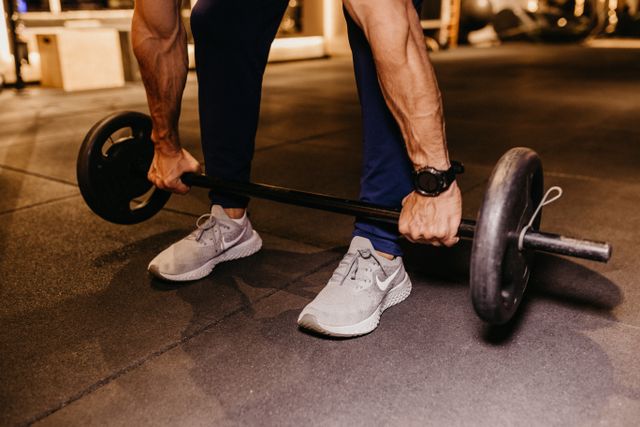
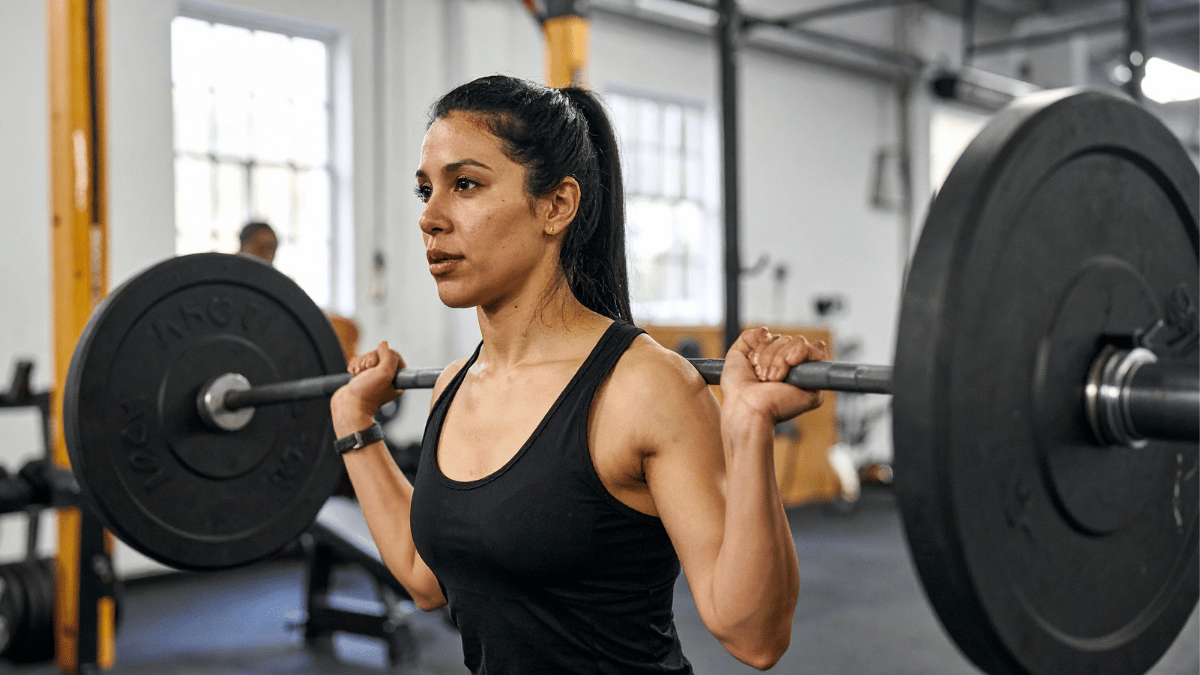
- Add weight. The classic approach. When a weight starts feeling easy, nudge it up. Our guide on how much weight you should lift helps you judge the jump.
- Add reps or sets. Can't add weight yet? Do one or two more reps, or an extra set, at the same load. More total work is still more stress.
- Slow the tempo. Controlling the lowering phase or pausing at the bottom makes the same weight far harder and safer than piling on plates.
- Improve your range or form. Squatting deeper or pressing through a fuller range increases the demand without touching the weight.
- Shorten your rest. Doing the same work in less time raises the challenge and builds work capacity.
The key word is progressive. Small, steady increases win. Jump too far too fast and your form breaks down or you stall out, which is often the real reason your lifts stop climbing.
How Progressive Overload Applies to Life
Here's what makes this principle bigger than fitness. Growth of any kind follows the same rule: you have to stretch beyond what's comfortable to expand what you're capable of.
In your career, your relationships, and your goals, staying inside what's easy keeps you exactly where you are. Taking on a little more than you're used to, a harder project, a bigger commitment, a new skill, is uncomfortable by design. That discomfort is the stress that forces you to adapt. Handle it, recover, and your capacity, your "bandwidth," grows to meet it. Then you can take on more.
Every so often, you max out on purpose. You push to your limit to find out where you actually stand and to prove you can rise to the occasion. It's uncomfortable, but that's the point. As Jacob puts it, nothing grows in comfort.
The Catch: Too Much Load Breaks You
Progressive overload has a hard limit, and ignoring it is how people get hurt or burned out. Too much stress with too little recovery doesn't build you up, it breaks you down. That's true of your muscles and your mind alike.
In the gym, that means you can't add load every single session forever. You need rest days, sleep, and the occasional lighter week to let your body absorb the work and come back stronger. Recovery isn't the opposite of progress, it's when progress actually happens, which we cover in muscle recovery and the signs you need a rest day. The goal is enough stress to grow, followed by enough recovery to adapt. That balance, in training and in life, is the whole game.
How Hideout Fitness in Irvine Helps You Overload the Right Way
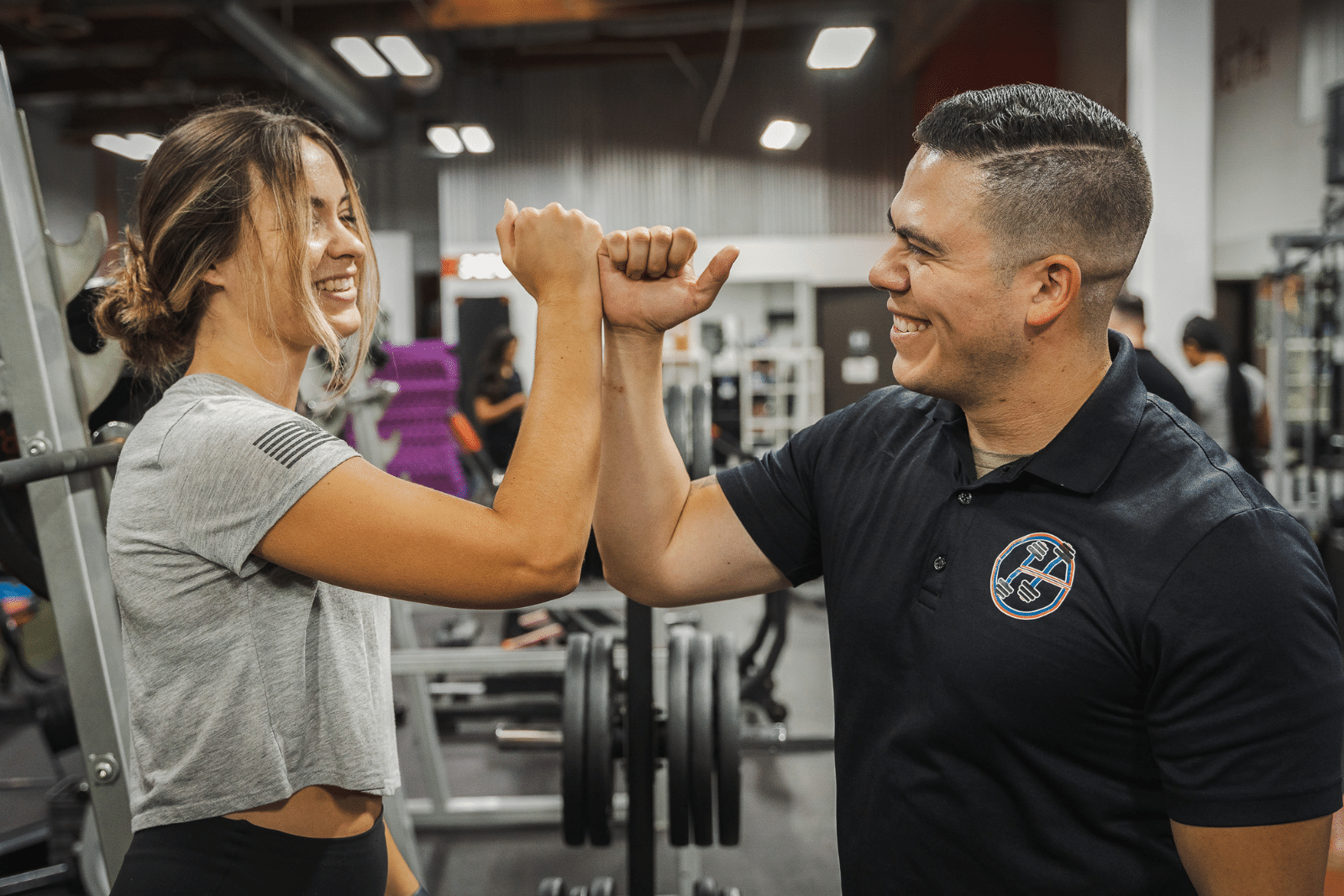
Knowing you should add load is easy. Knowing exactly how much, how often, and when to back off is where a coach earns their keep. At Hideout Fitness in Irvine, our coaches program progressive overload into your training so you keep getting stronger without stalling or getting hurt, and they build in the recovery that makes it work. Whether you train with us in private training, semi-private training, or online coaching, you'll always know your next step forward.

.jpg)
.jpg)









.png)




















.png)




.png)




.png)
.png)
.png)


