
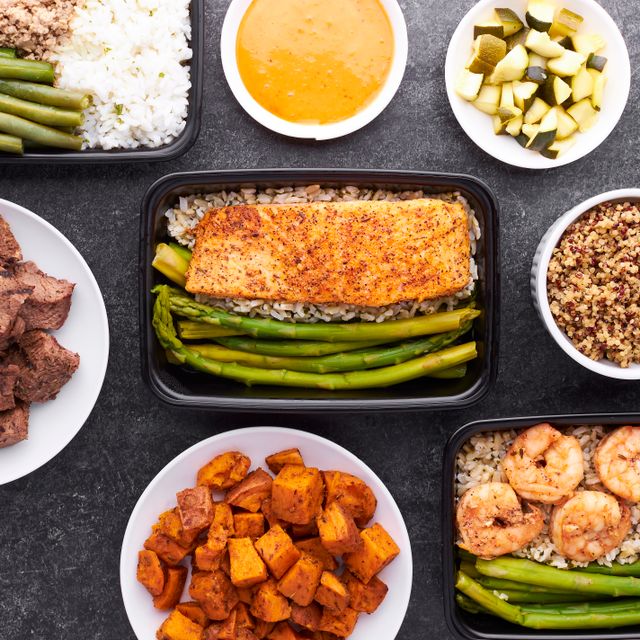
Carbs aren't evil. Sugar isn't poison. Fat doesn't automatically make you fat. And eating a slice of pizza doesn't make you unhealthy. Yet a ton of people live in fear of food, splitting everything into "good" and "bad" and feeling guilty the moment they eat something off the approved list. At Hideout Fitness in Irvine, we see it constantly, and that mindset usually makes things worse, not better. Here's how to fix it.
Are There Really No “Good” or “Bad” Foods?
The moment you start labeling foods as “good” or “bad,” you start to turn eating into a moral issue, where you're a "good" person for eating a salad and a "bad" one for eating a cookie. That framing sounds harmless, but it's where the real trouble starts.
The reality is more freeing: no single food makes or breaks your health. Eating a donut doesn't automatically make you unhealthy, and eating a salad doesn't automatically make you healthy.
Are some foods more nutrient-dense than others? Totally. Does your overall eating pattern matter for your long-term health? 100%. But one meal or one treat has almost no bearing on your results. It's the pattern over weeks, months, years that counts in the end, which is the same reason no single "diet" is magic, as we cover in weight loss vs. fat loss.
Why Food Guilt and Restriction Backfire
Here's the cycle almost everyone knows: you eat something you've labeled "bad," feel guilty, and decide you've ruined your whole diet. So you either restrict harder to make up for it, skip your next meal, or figure you've already blown it and might as well keep going. But that's not discipline. Instead, that's an unhealthy relationship with food. We want to avoid that.
And it tends to feed on itself. Research reviews have found that overly rigid, restrictive eating is linked to more cravings and episodes of out-of-control eating, (especially when stress and difficult emotions are in the mix), while flexible, the more moderate approaches hold up far better in the long run for you.
In other words, the stricter and more fear-based your rules, the more they’re likely to break, and take your confidence right along with them.
Your Overall Eating Habits Matter More Than One Meal
If you zoom out, healthy eating is simply what you do most of the time. Someone who eats mostly whole, nutrient-dense foods and enjoys a treat now and then is in a far better spot, physically and mentally, than someone who eats "perfectly" five days a week and binges the other two out of guilt.
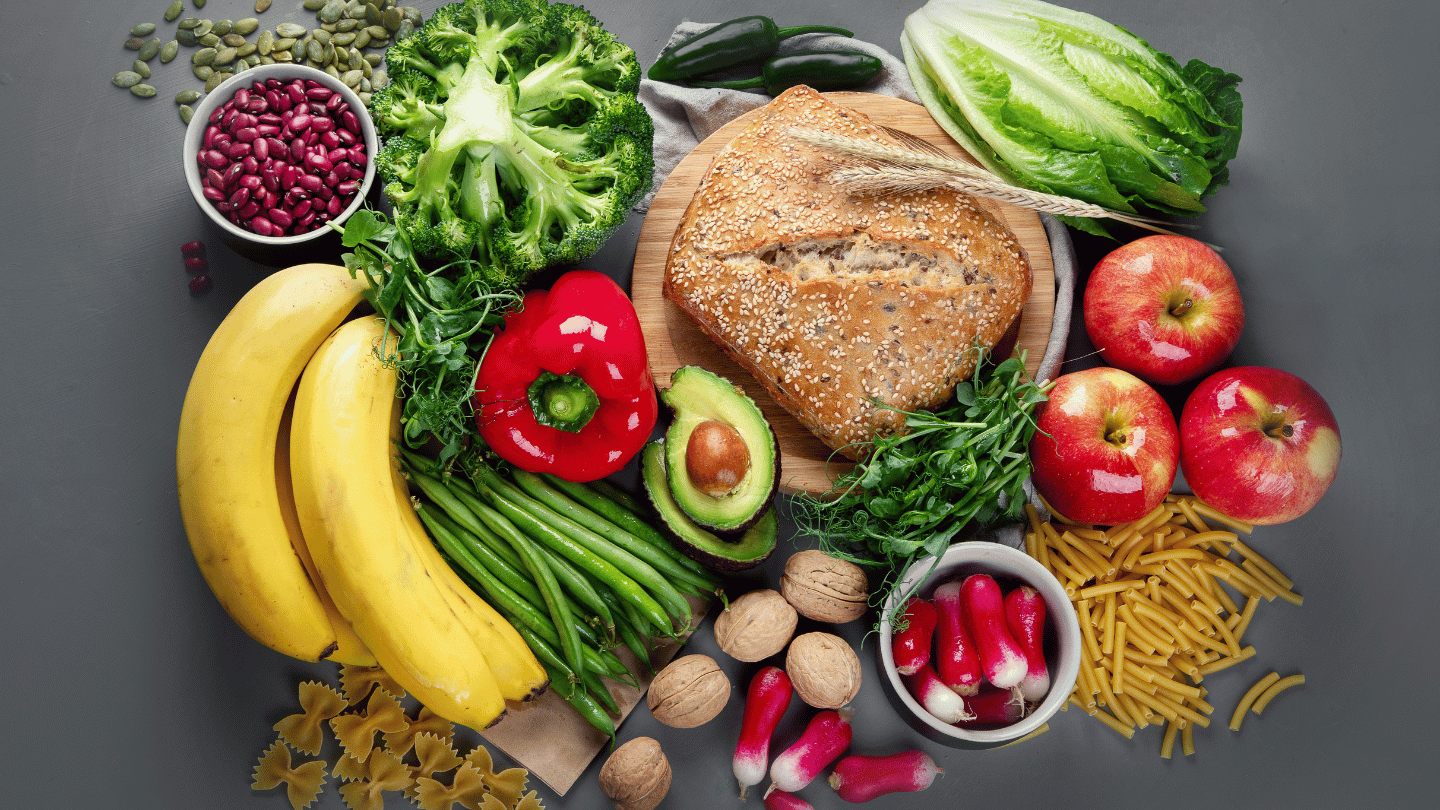
So instead of chasing perfection, build a pattern you can actually live with. A few anchors make it simple: prioritize protein, which keeps you full and protects your muscle (most people fall short, as we explain in getting protein right), get enough fiber from fruits and vegetables, and understand that total calories still drive your weight, which we cover in caloric deficit without starvation. Nail those most of the time, and the occasional slice of pizza is a non-issue.
How to Build a Healthy Relationship With Food: 5 Steps
You don't fix food guilt overnight, but you can make a few shifts make a real difference:
- Drop the "good" and "bad" labels. Think in terms of "more nutrient-dense" and "less nutrient-dense" instead of moral categories. It takes the shame out of eating.
- Practice moderation, not elimination. You don't have to cut out the foods you love. Fitting them into your overall pattern in reasonable amounts is what makes healthy eating sustainable.
- Don't "make up" for eating. Skipping meals or punishing yourself with extra restriction after a treat just restarts the guilt cycle. One meal needs no compensation.
- Eat enough to feel satisfied. Plenty of protein, fiber, and whole foods keep you full, which naturally quiets the cravings that extreme restriction creates. A little meal prep makes this easy.
- Judge yourself by the week, (not the bite). Progress comes from your overall habits over time rather than from any single food choice.
This article is general education, not medical advice. If you’re struggling with food or eating, please reach out to a qualified professional for support.
When to Get Help for Food Guilt or Disordered Eating
For most people, this is simply a mindset shift. But if food guilt, restriction, or eating ever feels genuinely out of your control, or it's affecting your daily life and wellbeing, that's worth taking seriously, and there's no shame in asking for help. A doctor or a registered dietitian is a great starting point, and support is also available through the National Alliance for Eating Disorders helpline.
How Hideout Fitness in Irvine Helps You Eat Without Guilt
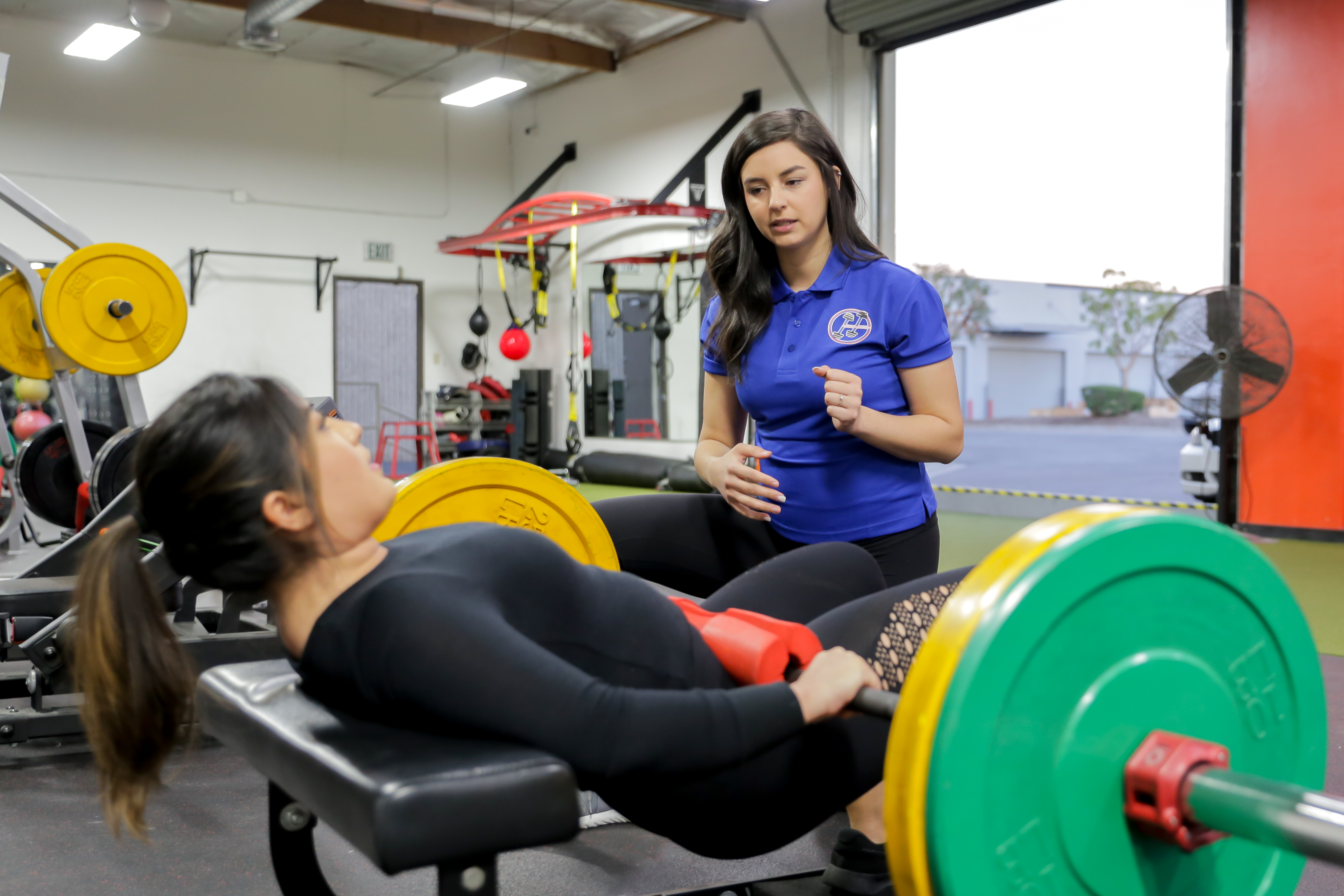
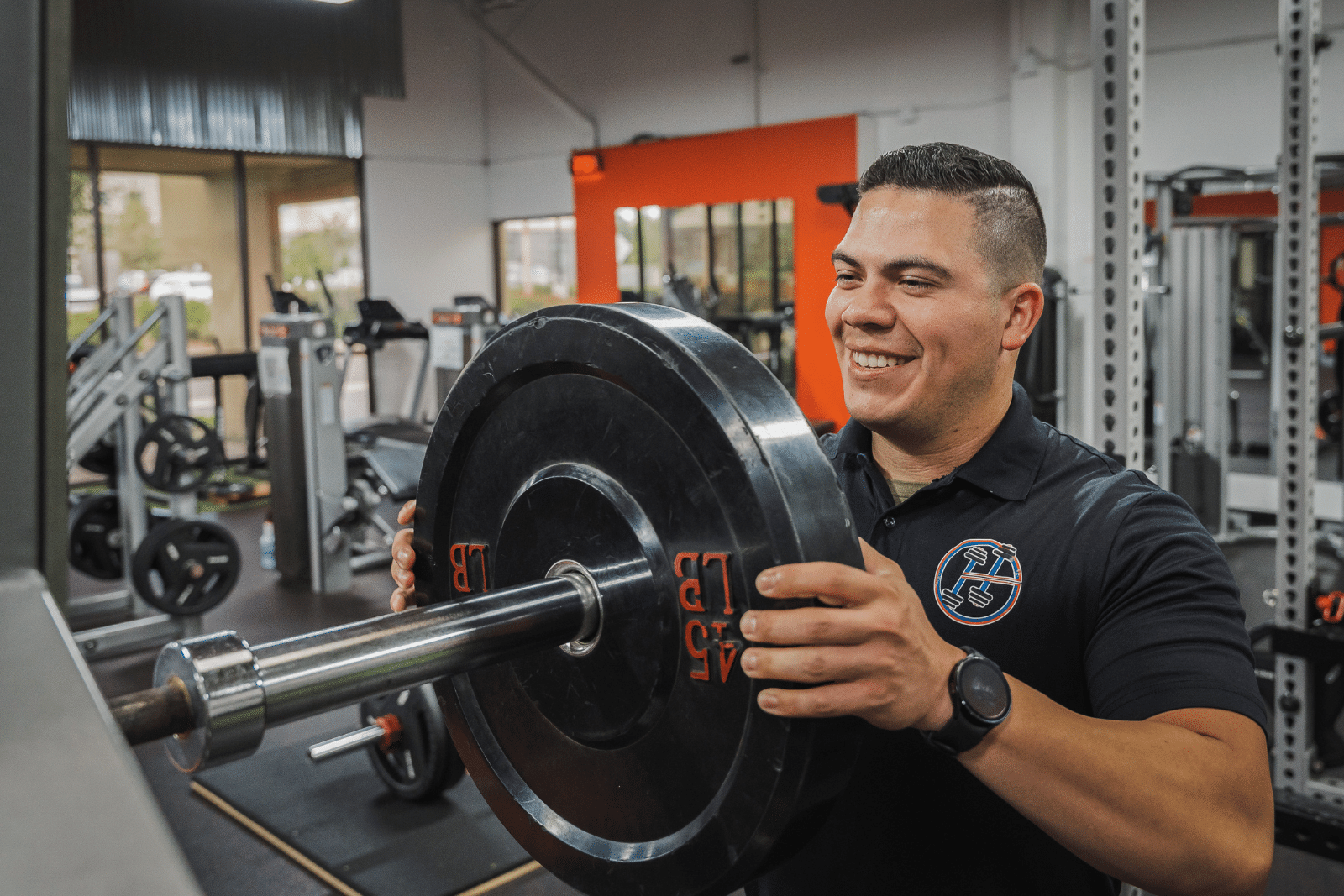
A good coach doesn't hand you a list of forbidden foods, they help you build habits you can actually keep. At Hideout Fitness in Irvine, our coaches focus on sustainable nutrition and a healthy relationship with food, no fear, no crash diets, no guilt. We'll help you prioritize the right things, enjoy the foods you love in balance, and stay consistent, whether you train with us in private training, semi-private training, or online coaching.
Serving Irvine and All of Orange County
Located at 16510 Aston St in the Irvine Business Complex, minutes from John Wayne Airport, UCI, and the Irvine Spectrum, we help clients build a healthier relationship with food across Orange County:
- Costa Mesa: about 8 minutes (4 miles)
- Newport Beach: about 12 minutes (7 miles)
- Tustin: about 10 minutes (5 miles)
- Santa Ana: about 12 minutes (6 miles)
- UCI / University Park: about 8 minutes (4 miles)
- Lake Forest: about 15 minutes (10 miles)
- Most of Irvine (Woodbridge, Quail Hill, Turtle Rock, Northwood, Westpark): under 10 minutes



.jpg)
.jpg)












.png)






















.png)



.png)





.png)
.png)
.png)