

You're doing the workout correctly. The weight feels manageable. But something hurts. Maybe it’s your knee, your lower back, or your shoulder. So you stop, or you push through, and the pain gets worse.
Here's what most people think: the exercise is wrong for your body. You're not built for it. You should try something else.
Here's what's actually happening: your body is compensating. A muscle somewhere is tight, another is weak, and your movement pattern is off. You're doing the exercise, but not with the right muscles doing the work. That's where pain comes from.
But this is totally fixable. Not by changing the exercise, but by fixing how you move.
Pain during exercise isn't a sign that exercise is bad for you, but rather a clear sign that your body is working inefficiently.
When you squat and your knee hurts, your hip muscles are probably tight, your glutes aren't activating fully, and your body is compensating by putting extra stress on your knee.
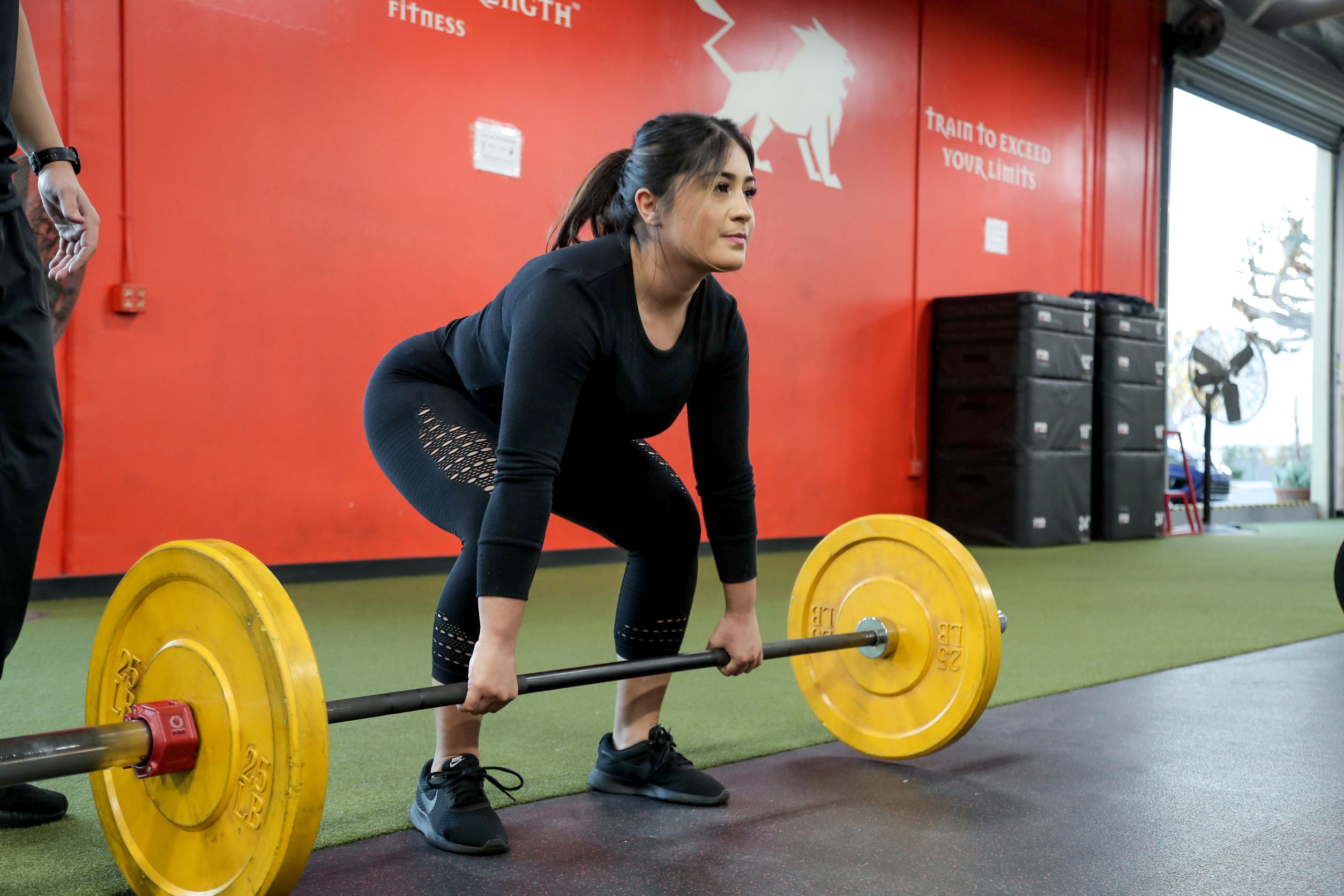
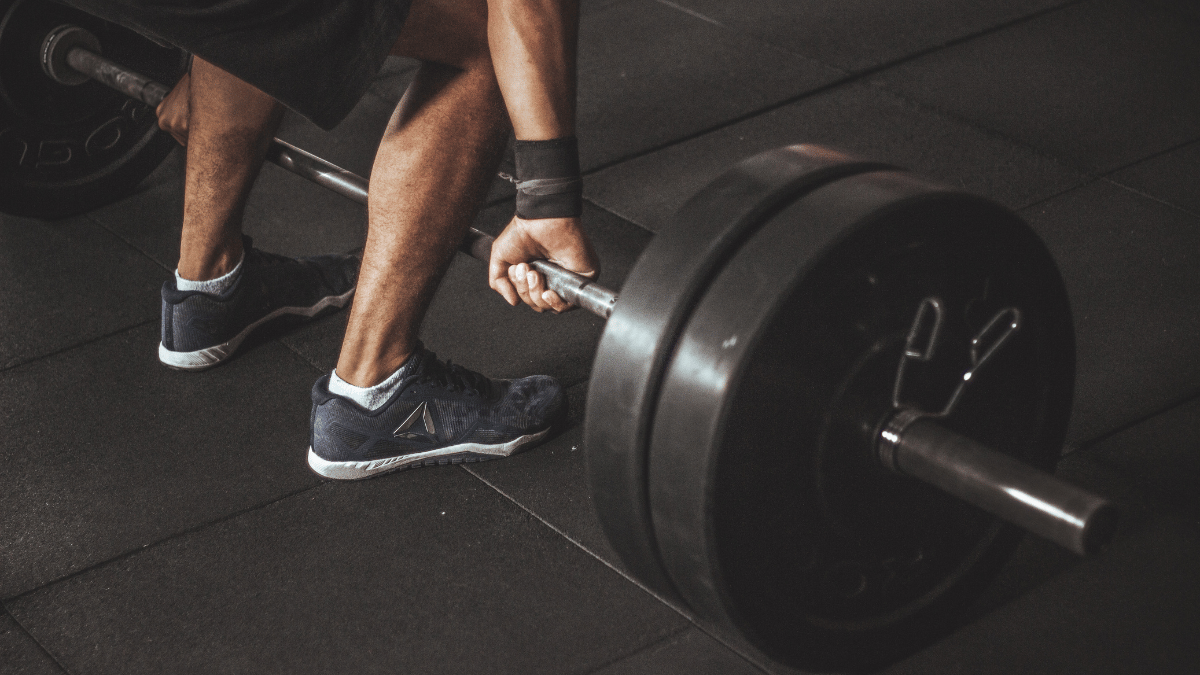
Same with a bench press that irritates your shoulder, or a deadlift that tweaks your lower back.
The exercise itself is fine. Your movement pattern isn't.
This distinction matters because it changes everything. You don't need a different exercise; you just need to move better. And moving better means three things:
- Release muscles that are too tight
- Restore range of motion where it's restricted
- Activate muscles that aren't doing their job
Fix those three things, and the pain usually disappears.
Your body is smart. Too smart, sometimes. When one muscle is tight and can't do its job, another muscle steps in to help. That's compensation.
For example: Your hip flexors are tight from sitting all day. When you squat, your hip flexors can't extend fully. So your lower back arches extra to make up for it. Now your lower back is doing work it wasn't designed for, and it hurts.
Or: Your chest muscles are tight and your upper back is weak. When you do a push-up, your shoulders roll forward to compensate. This creates poor shoulder positioning, and suddenly you have shoulder pain that has nothing to do with push-ups themselves.
Posture amplifies this. If you sit with rounded shoulders and a forward head position, your chest stays tight, your upper back stays weak, and every pulling exercise becomes difficult and painful. Your body has to compensate, and pain follows.
The pattern repeats:
Tight muscle → Compensation → Poor movement → Pain → Less movement → Tighter muscle
The longer you let it go, the worse it gets.
Fixing compensatory movement isn't complicated, but it's specific. It requires three phases, in order.
Phase 1: Inhibit (Release Tight Muscles)
Tight muscles are the starting point of compensation. If your hip flexors are locked up, your body can't move the way it's designed to. You have to release that tightness first.
This is done through soft tissue work: foam rolling, massage, trigger point release. You're manually releasing the tension so your muscles can lengthen again. This takes 2-3 minutes per muscle group, done consistently.
Without this phase, everything else fails. You can't mobilize a muscle that's too tight, and you can't activate a muscle that's being pulled short by its neighbor.
Phase 2: Mobilize (Restore Range of Motion)
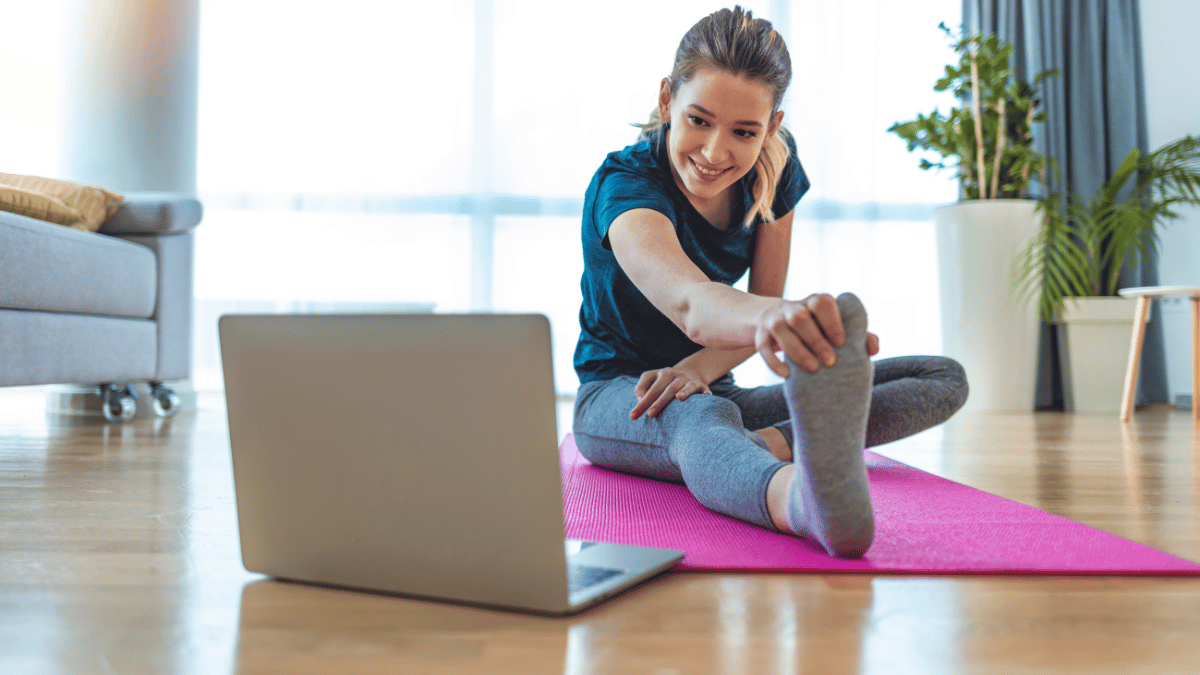
Once tight muscles are released, you restore the range of motion they lost. Mobility work is active stretching combined with movement: dynamic stretches, controlled movements through full range, mobility drills.
Your hip flexors are looser now. You need to actively work through their full range of motion. You move through positions that challenge your current range and gradually expand it. This is different from static stretching; you're teaching your joints to move through space safely.
Phase 3: Activate (Strengthen Weak Muscles)
Now the tight muscles are loose and you have the range of motion to move. But some muscles still aren't firing. Your glutes aren't activating. Your upper back is still weak. You need to strengthen these muscles with targeted exercises.
This is where activation drills come in: band pull-aparts for your upper back, glute bridges for your glutes, core work for stability. You're teaching these muscles to wake up and do their job.
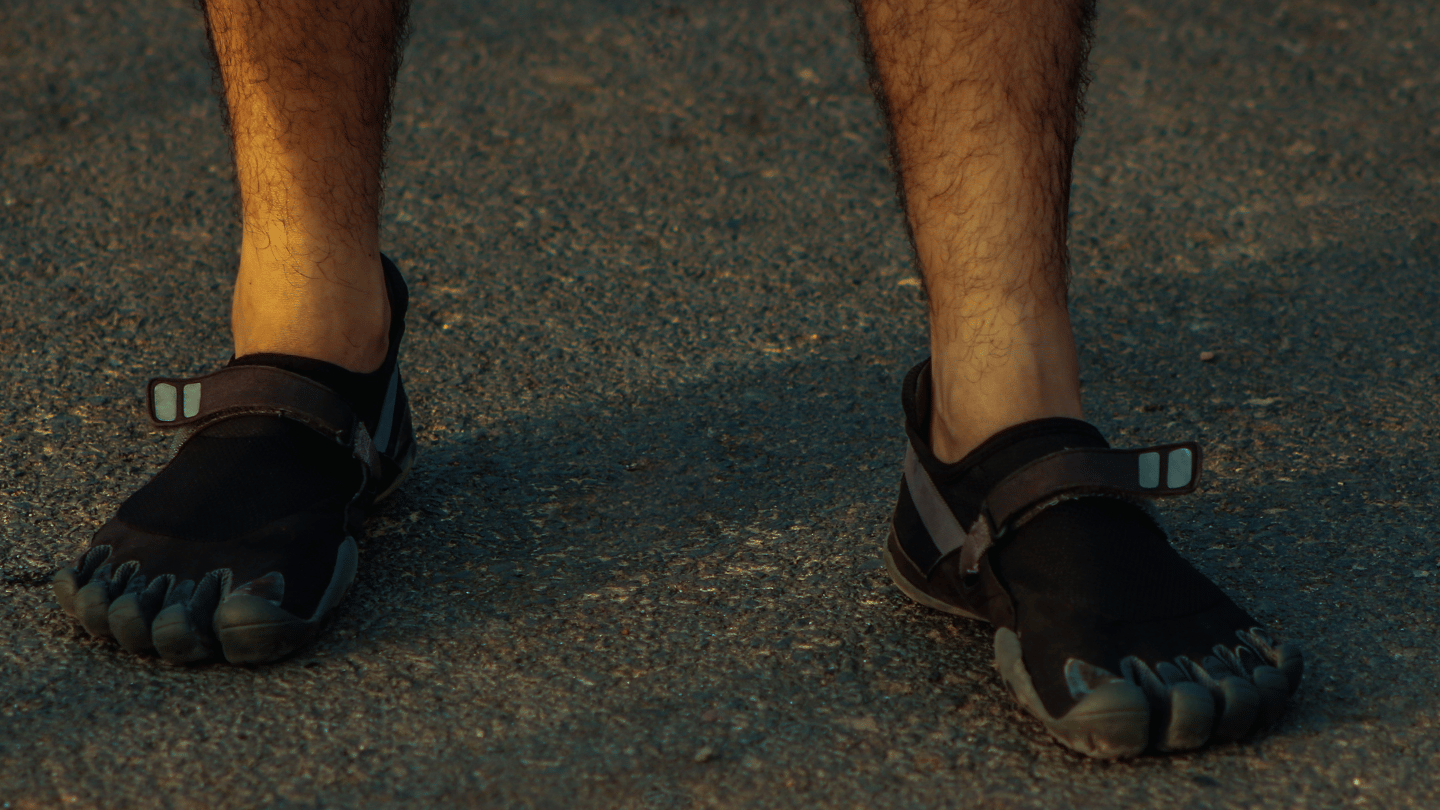
Proper footwear during this phase matters too; wearing barefoot shoes helps you feel the ground and activate stabilizer muscles you wouldn't otherwise engage.
Once all three phases are done, your movement pattern is restored. Your body moves the way it's supposed to, and the pain goes away because the right muscles are doing the work.
Here's the problem: you can't see your own compensations. You feel pain, but you don't know why. You think the exercise is wrong, so you modify it or stop. But you never fix the actual problem.
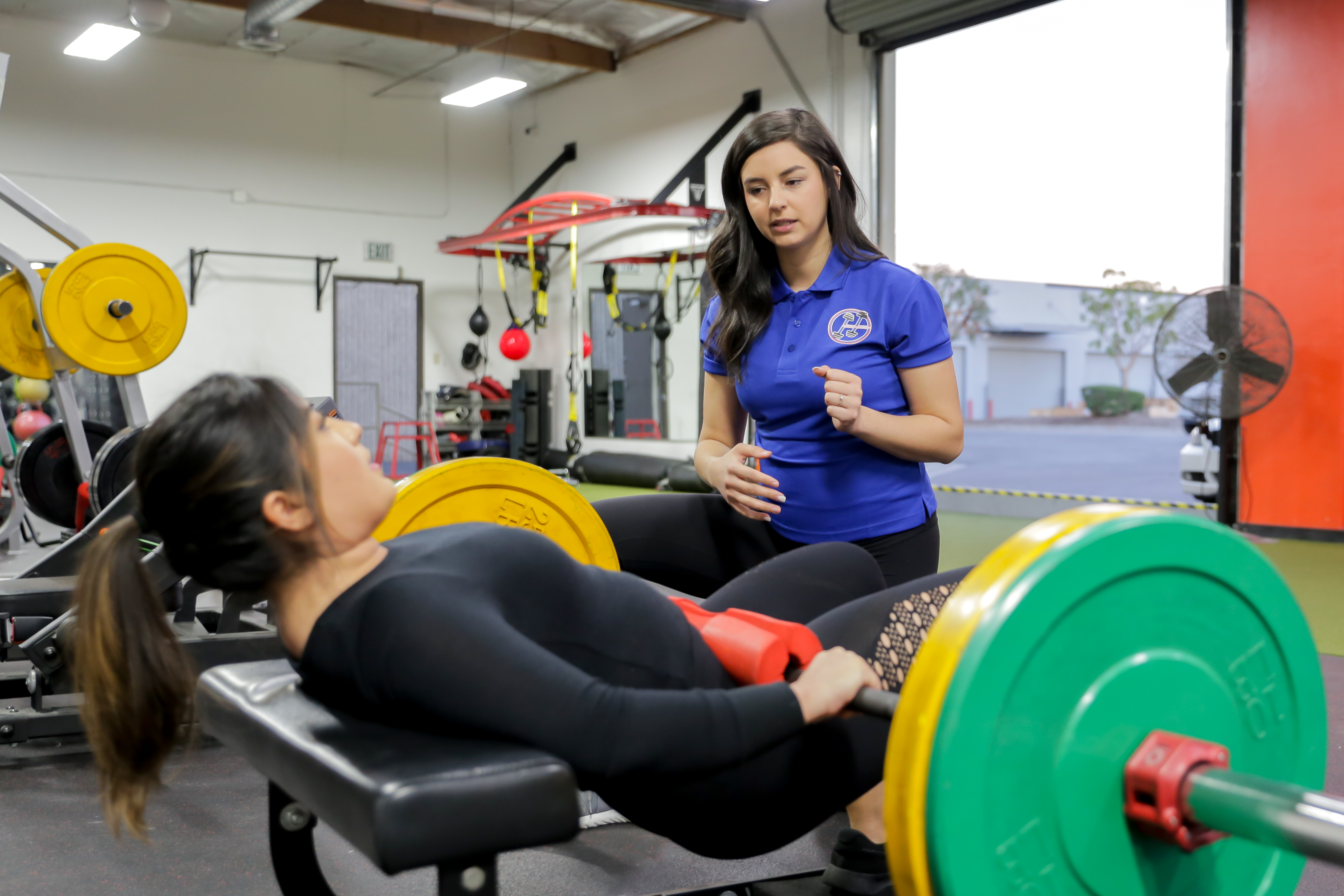
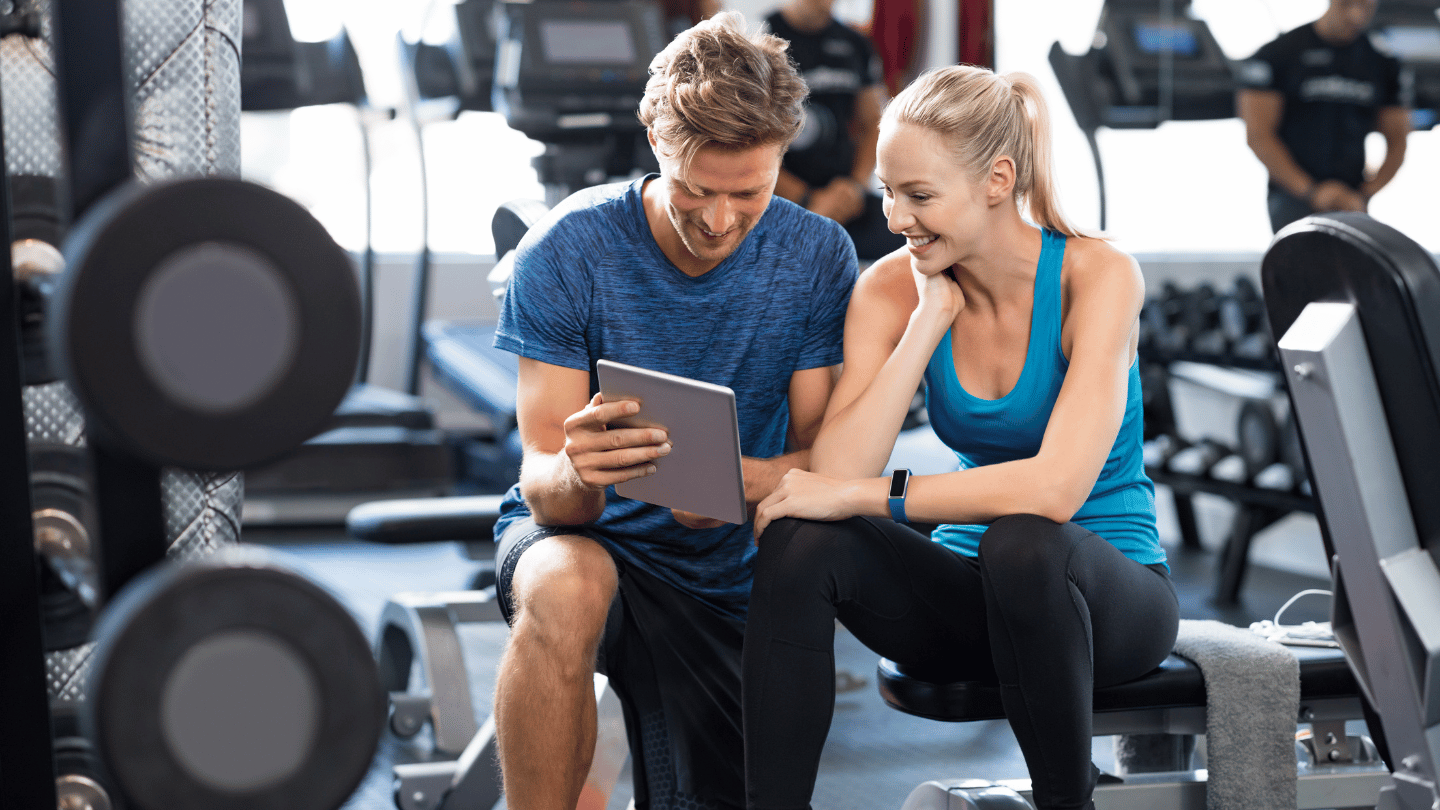
A professional posture analysis catches what you can't see. A trained eye looks at how you stand, how you move through exercises, where you're compensating, which muscles are tight, and which muscles aren't firing.
At Hideout Fitness in Irvine, Newport Beach, Costa Mesa, and Tustin, we do this analysis as part of our coaching process. We watch how you move. We identify the compensation patterns.
We spot the tight muscles and weak muscles. Then we build a program that addresses all three phases: inhibit, mobilize, and activate, all within evidence-based strength training guidelines designed for sustainable, injury-free progress, all within evidence-based strength training guidelines designed for sustainable, injury-free progress.
Without this analysis, you're guessing. With it, you know exactly what to fix.
That changes everything because:
- You stop doing exercises that feel wrong and start fixing why they feel wrong
- Your workouts become pain-free faster
- The right muscles actually do the work
- Your results improve because your body is working efficiently
- Injuries become preventable instead of inevitable
When you go through the three phases and fix your movement pattern, three things happen simultaneously:
Pain Decreases
The pain was coming from compensation. Once compensation stops, pain stops. Not gradually, often pretty quickly. Your lower back doesn't hurt during deadlifts anymore. Your shoulder settles down during presses. Your knee feels good during squats.
Performance Improves
Now that the right muscles are doing the work, you're stronger in the movements that matter. Your squat goes deeper without discomfort. Your deadlift feels more solid. You can move with better form, which means you can load more weight safely.
Results Accelerate
This is the big one. When your body moves efficiently, every rep counts more. This is why strength training changes everything; proper movement unlocks the science-backed benefits that most people never experience because they're compensating.
You build muscle faster, lose fat faster, and get stronger faster because your body isn't fighting against itself.



.jpg)
.jpg)







.png)














.png)




.png)




.png)
.png)