Knee pain when squatting is one of the most common complaints we hear at Hideout Fitness in Irvine, and it sends a lot of people running from leg day for good. Here's the good news: aching knees rarely mean squats are "bad for you," and the cause is almost always something fixable. Let's break down why your knees hurt when you squat, and exactly what to do about it.
Are Squats Actually Bad for Your Knees?
Let's kill this myth first, because it actually scares quite a few people off one of the best exercises there is. No, squats are not inherently bad for your knees.
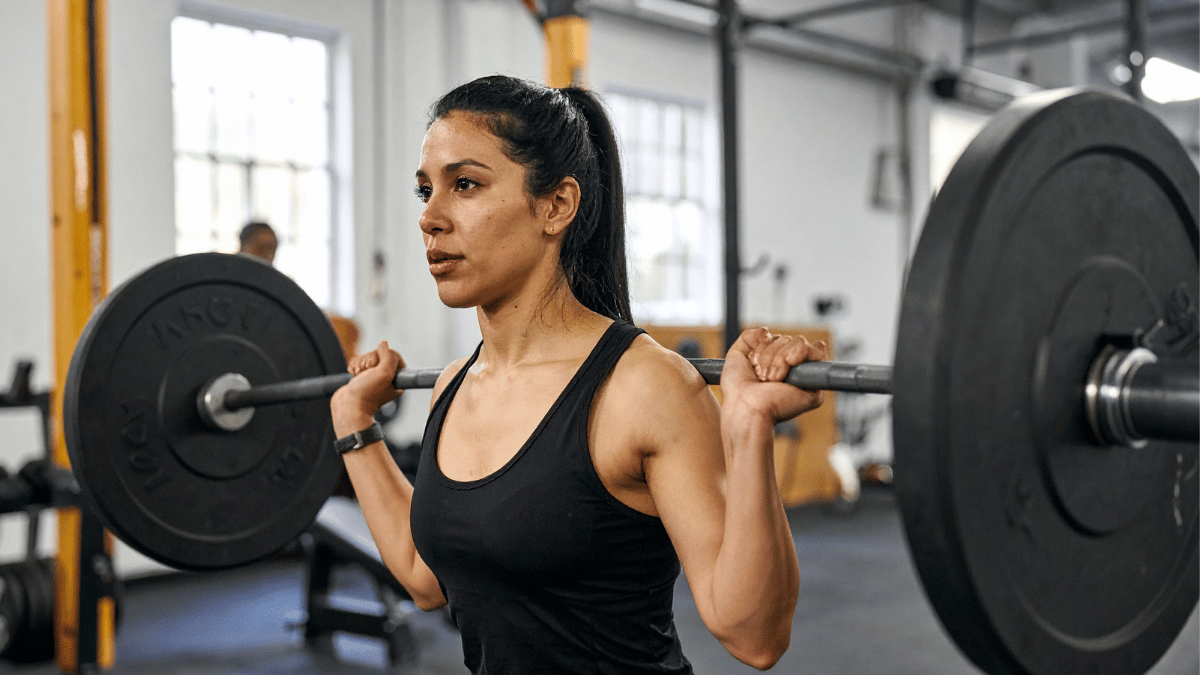
A 2024 research review looked at 15 studies on deep squats and knee health, and 14 of them found no negative impact on the knee joint. Some even suggested that squatting through a full range of motion can build stronger, more resilient knees over time. The fear comes from outdated research with flawed methods. The real risk isn't the squat itself, but rather it's poor form and too much load. Fix those, and squats turn into one of the best things for your knees.
Why Do Your Knees Hurt When You Squat? Common Causes
If your knees hurt, one of these is usually behind it:
- Form breakdown. If your knees cave inward, your heels lift off the floor, or your knees don't track in line with your feet, you put uneven stress on the joint.
- Too much, too soon. Adding weight or volume faster than your body can adapt overloads the knee before it's ready.
- Weak supporting muscles. Weak glutes, quads, and hamstrings force your knees to absorb load they shouldn't have to.
- Limited mobility. Stiff ankles or hips make it hard to squat properly, so your knees compensate and take the brunt.
- Skipping your warm-up. Cold joints and muscles don't move or absorb load as well.
- An existing issue. Sometimes it's something like patellofemoral pain (AKA "runner's knee"), a common cause of aching around or under the kneecap.
In an active area like Irvine and Orange County, where people are hiking the Quail Hill and Turtle Rock trails, running at Bommer Canyon, playing pickleball, and chasing beach workouts, knee pain is something we see constantly, and it doesn’t have to sideline you.
How to Fix Knee Pain When Squatting
Most knee pain responds well to a few smart adjustments:
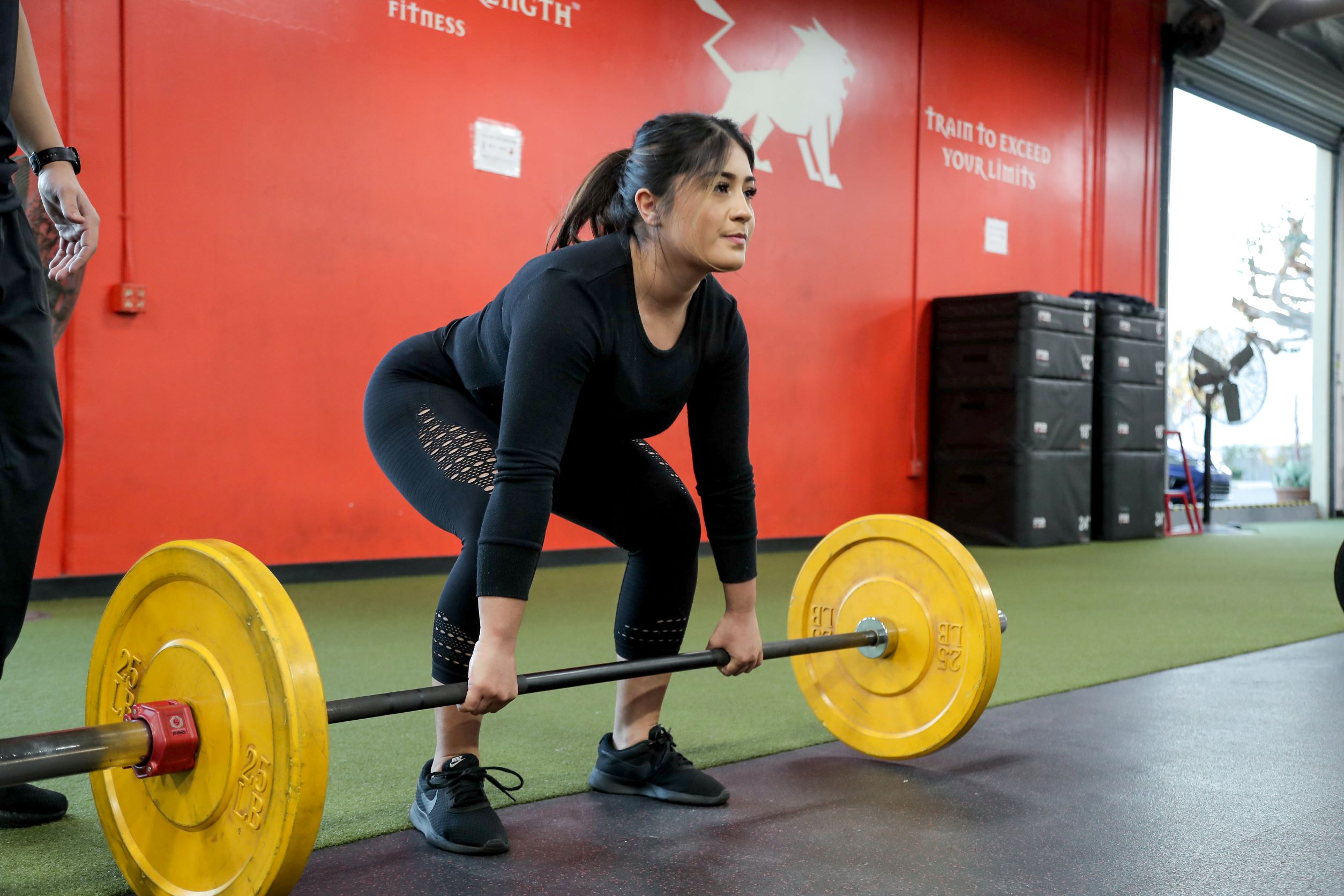
- Clean up your form. Keep your knees tracking in line with your feet (not caving in), keep your heels planted, and sit your hips back as you descend. Our Big 3 lifts guide walks through proper squat mechanics step by step.
- Warm up and mobilize. Spend a few minutes on a dynamic warm-up and some ankle and hip mobility before you load up. It makes a bigger difference than people expect.
- Strengthen the support system. Building your glutes, quads, and hamstrings takes pressure off the knee. Strong legs are stable legs, which we cover in what it really takes to get toned legs.
- Manage your load. Drop the weight, nail your technique, then build back up gradually the right way, which is the whole point of progressive overload.
- Try knee-friendly variations. While you dial things in, box squats, goblet squats, or reducing your depth slightly can let you keep training with less discomfort.
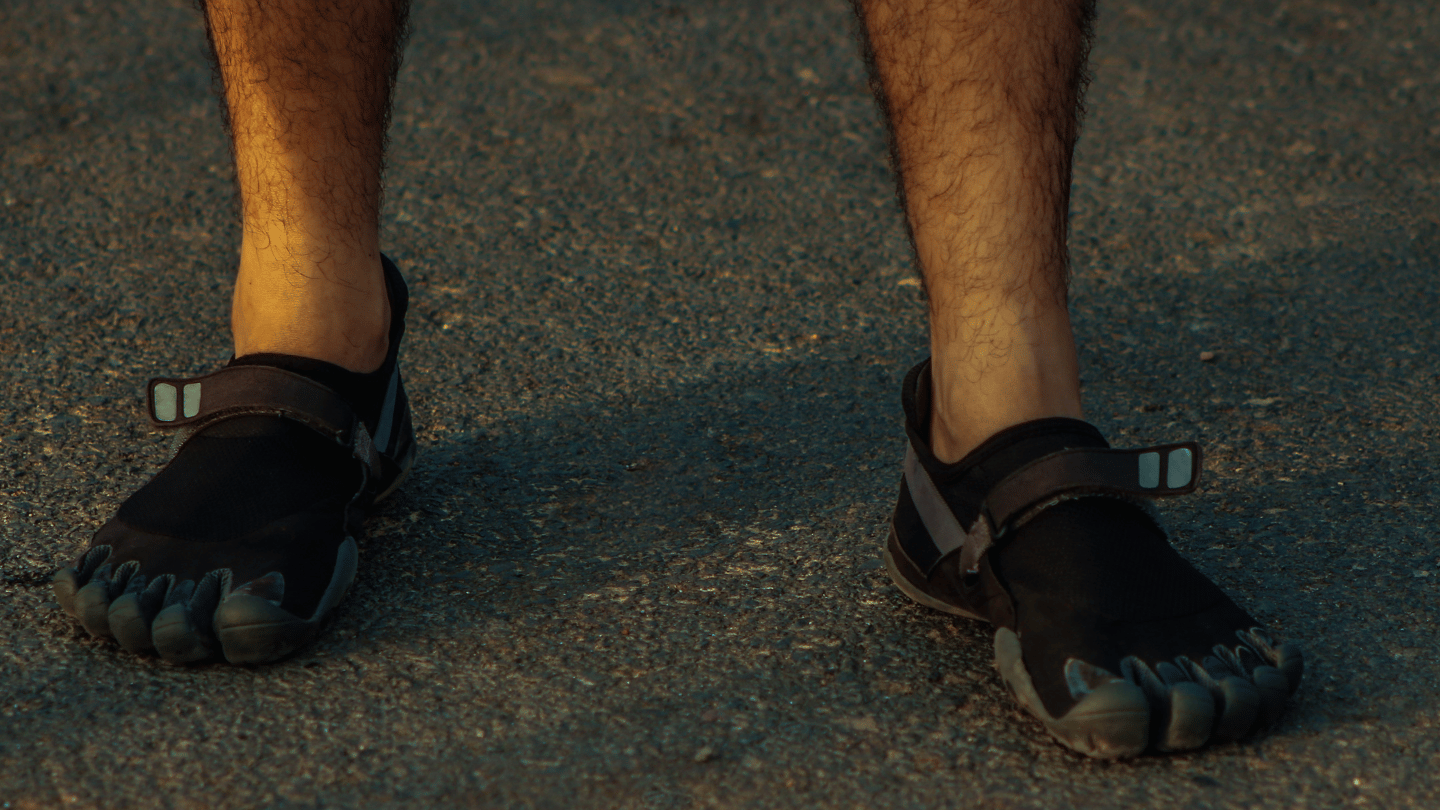
- Check your shoes. Unstable, cushioned shoes can throw off your mechanics. A flat, stable base helps, which is part of why we're fans of training in barefoot-style shoes.
If pain shows up in other movements too, the fix is often about how you move, not the exercise itself, something we dig into in why your body hurts when you work out.
When to See a Doctor or Physical Therapist
Most squat-related knee aches are a training problem, not a medical one, but some signals mean you should get it checked out.
See a doctor or physical therapist if you have sharp or sudden pain, swelling, a knee that locks, catches, or feels like it's giving out, pain that lingers or gets worse over time, or knee pain that shows up outside the gym. Pushing through genuine pain is never the move. Getting it assessed early is what keeps a small issue from becoming a big one.
How Hideout Fitness in Irvine Helps
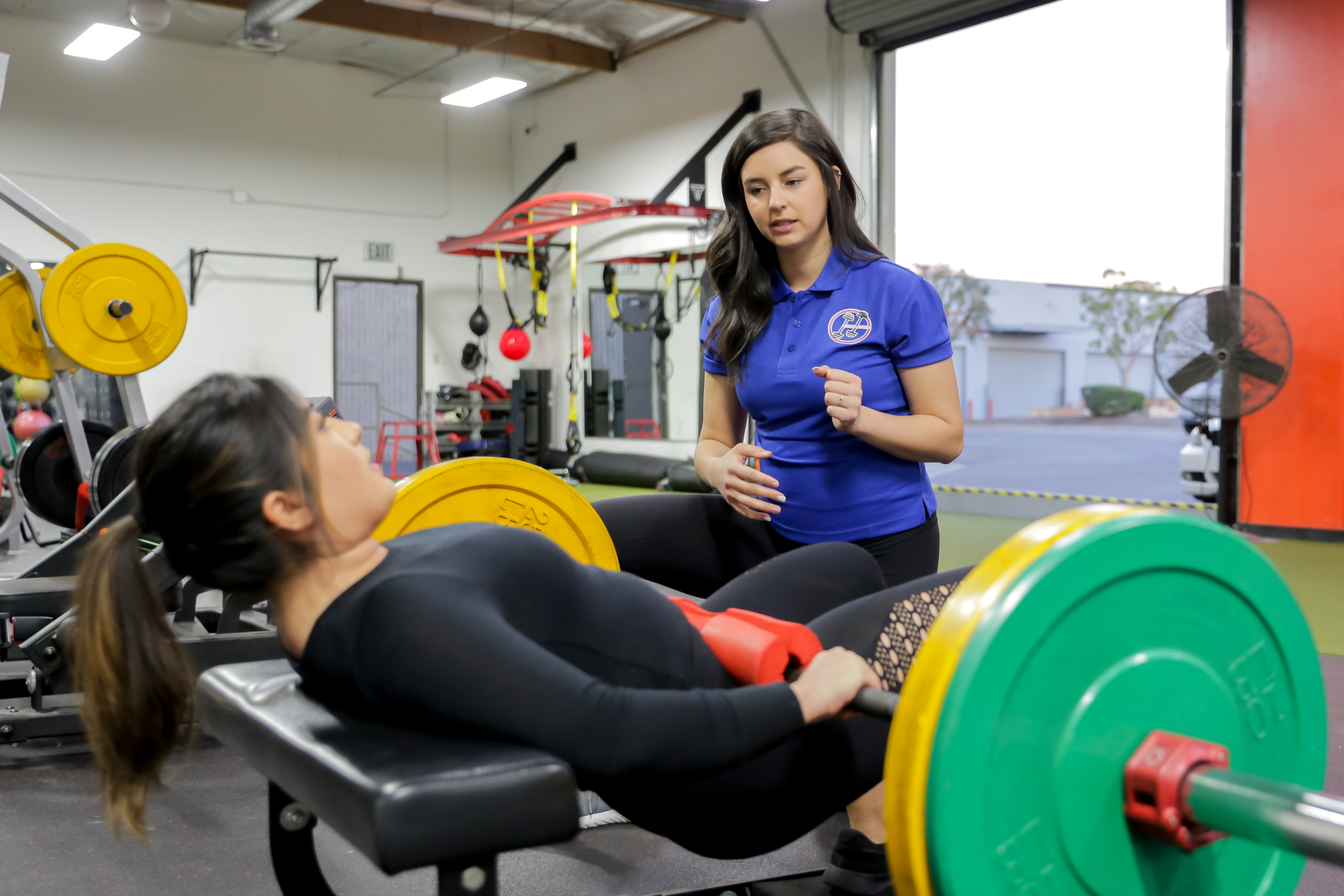
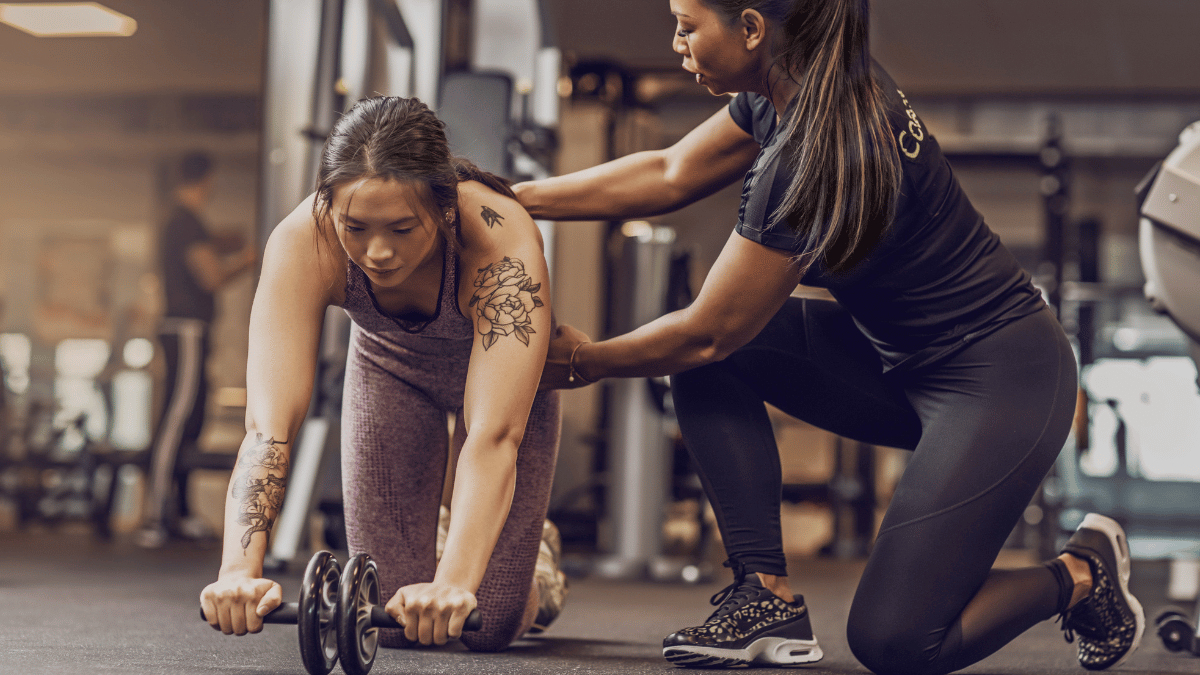
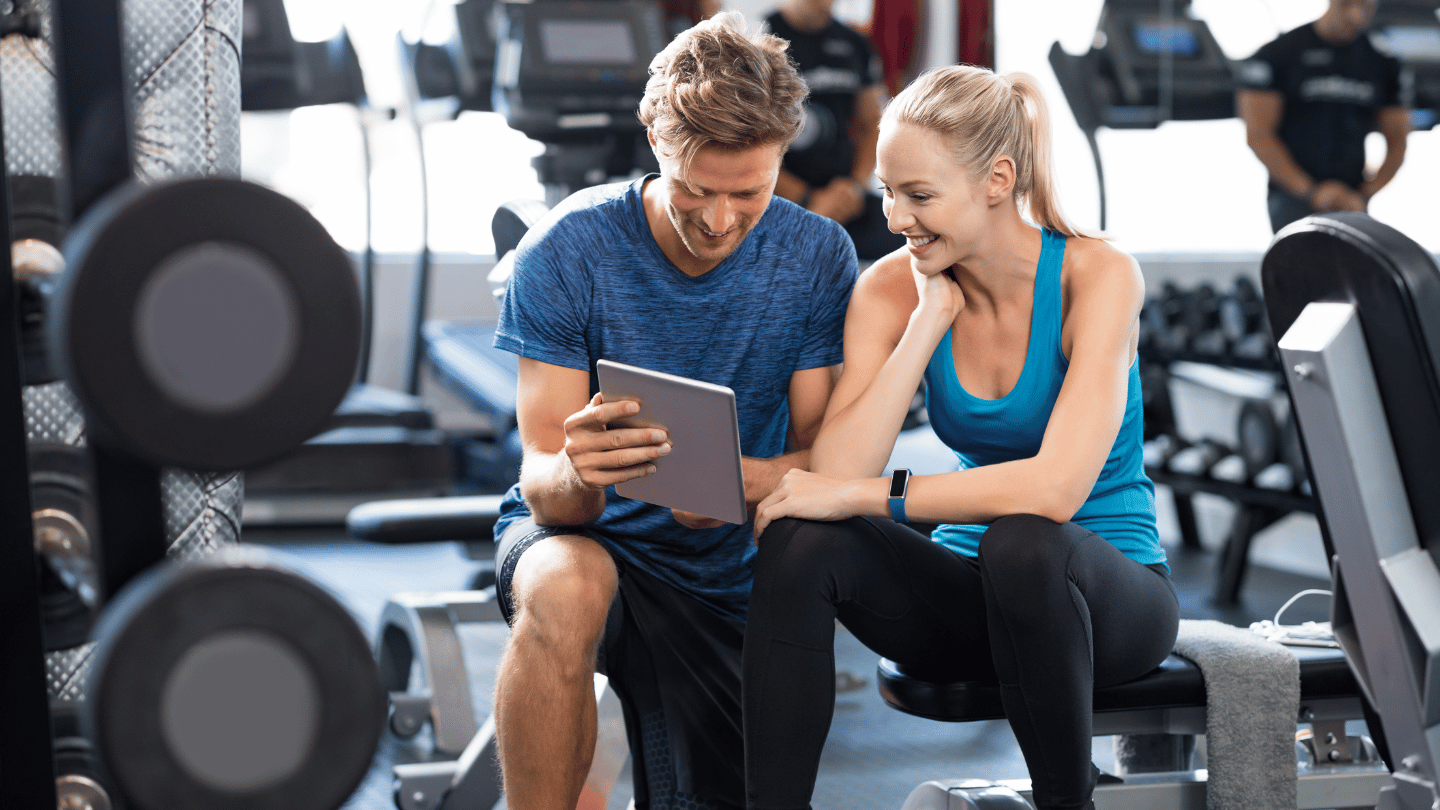
Knee pain is exactly the kind of thing our coaches are built to solve. At our gym in the Irvine Business Complex, (just off the 405 near John Wayne Airport), corrective exercise is one of our specialties, so we assess how you actually move, fix the form and mobility issues causing your pain, and build a program that strengthens the muscles around your knee while working around any discomfort. You get to keep training and getting stronger, safely. Whether you prefer private training, semi-private training, or online coaching, we'll help you squat pain-free.
Serving Irvine and All of Orange County
Located at 16510 Aston St in the Irvine Business Complex, minutes from John Wayne Airport, UCI, and the Irvine Spectrum, we help clients train pain-free across Orange County:
- Costa Mesa: about 8 minutes (4 miles)
- Newport Beach: about 12 minutes (7 miles)
- Tustin: about 10 minutes (5 miles)
- Santa Ana: about 12 minutes (6 miles)
- UCI / University Park: about 8 minutes (4 miles)
- Lake Forest: about 15 minutes (10 miles)
- Most of Irvine (Woodbridge, Quail Hill, Turtle Rock, Northwood, Westpark): under 10 minutes