

You're pregnant. You want to stay active and feel strong, but everywhere you turn, someone's giving you different advice. Your mom says rest. Your friend says keep running. Your doctor says "moderate exercise" without much detail on what that actually means.
Here's what we tell every pregnant woman who walks into Hideout Fitness: pregnancy isn't a reason to stop moving, but a reason to move smarter. The right exercises prepare your body for one of the most physically demanding experiences of your life, make labor easier, and set you up for a faster recovery. The wrong exercises (or skipping exercise altogether) leave you unprepared when it matters most.
Let's break down exactly what helps, what to avoid, and how we help pregnant women across Irvine, Newport Beach, Costa Mesa, and Tustin stay strong through every stage.
Why Prenatal Strength Training Matters for Labor and Recovery in Orange County
Pregnancy isn't a reason to stop moving. It's one of the best reasons to start. Research shows that strength training during pregnancy reduces excessive weight gain, alleviates low back and sciatic pain, improves mood, and enhances overall quality of life. But the benefits go way beyond that.
You'll have an easier labor
The muscles you build during pregnancy (your legs, hips, glutes, and core) are the exact muscles doing the heavy lifting during labor. When those muscles are strong, they handle the physical demands better. That translates to shorter labors, fewer interventions, and a smoother delivery overall.
You'll bounce back faster postpartum
Women who strength train during pregnancy come back stronger after delivery. Their bodies are conditioned, their metabolism is higher, and they already have a solid foundation to build on. We see this every day with our clients at Hideout Fitness: the moms who trained through pregnancy are the ones who feel like themselves again within weeks, not months. We cover this in depth in our guide on postnatal personal training.
Your back pain improves or doesn't start at all
Prenatal resistance training alleviates common pregnancy symptoms like fatigue, back pain, and poor mental health. As your belly grows and your center of gravity shifts forward, the muscles in your back, glutes, and core work overtime. Keeping them strong prevents that chronic ache most pregnant women accept as inevitable.
Here's what the research consistently shows about prenatal strength training:
- Lower risk of gestational diabetes
- Reduce the likelihood of gaining excessive weight during pregnancy
- Better mood and lower rates of prenatal anxiety and depression
- Improved sleep quality despite the physical discomfort of late pregnancy
- Faster return to pre-pregnancy fitness levels after delivery
This is part of why strength training changes everything. Not just for how you look, but for how your body functions during one of the most demanding seasons of your life.
The Best Prenatal Exercises for Preparing Your Body for Labor
Not all exercises are created equal when you're pregnant. The movements that help you most are the ones that build functional strength. The kind of strength that actually prepares your body for labor and makes daily life easier as your belly grows.
Squats (All Variations)
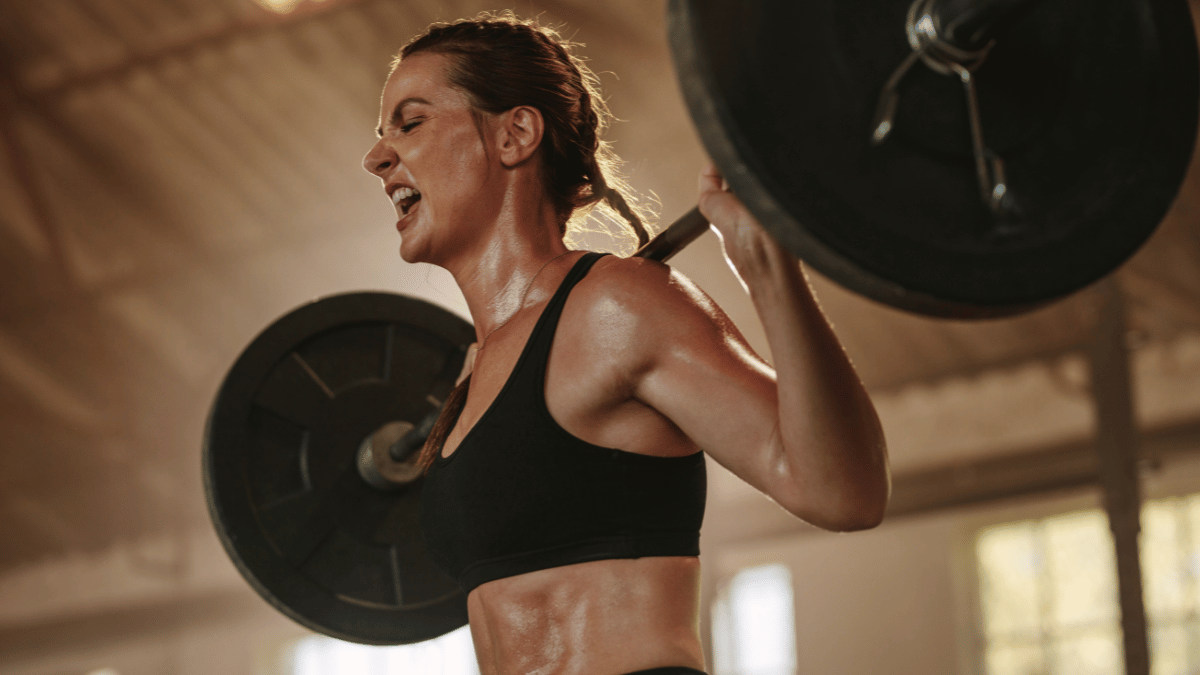
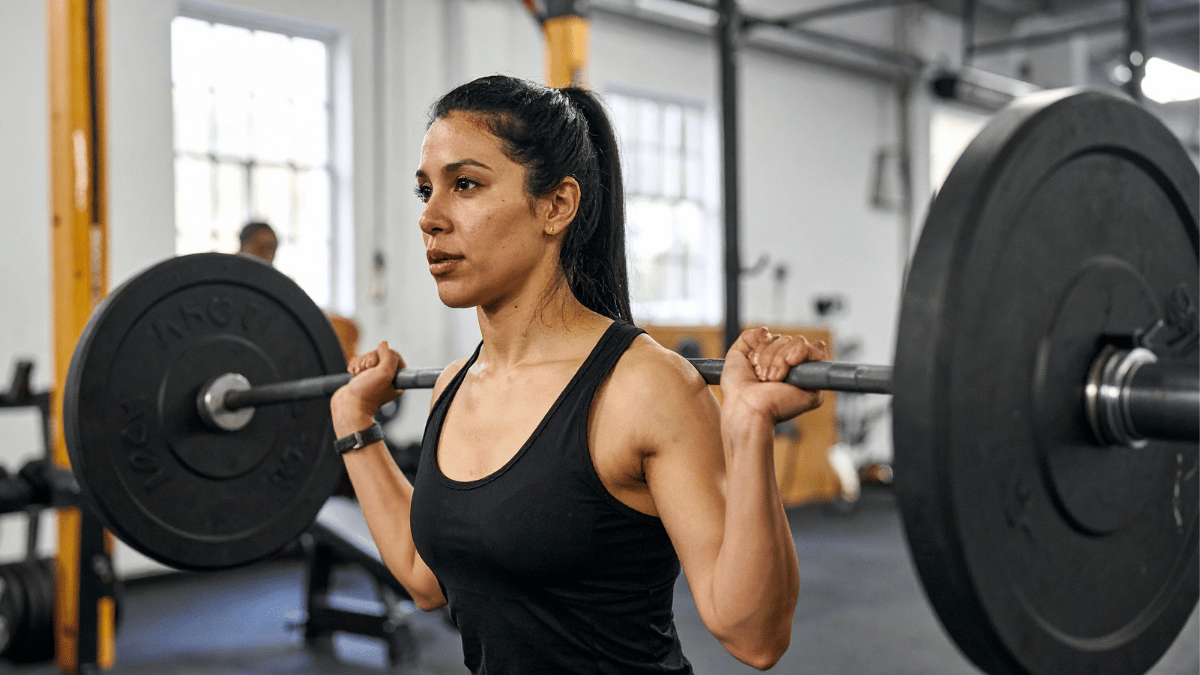
Squats are hands-down the most important exercise for pregnancy. They build strength in your quads, glutes, and hips, all of which are heavily involved in labor. Box squats, goblet squats, sumo squats, and bodyweight squats are all excellent choices depending on where you are in your pregnancy.
Why they matter: The squat position mimics laboring positions. Having the leg and hip strength to hold those positions for extended periods makes delivery significantly easier. We program squats for every single pregnant client at Hideout Fitness for exactly this reason.
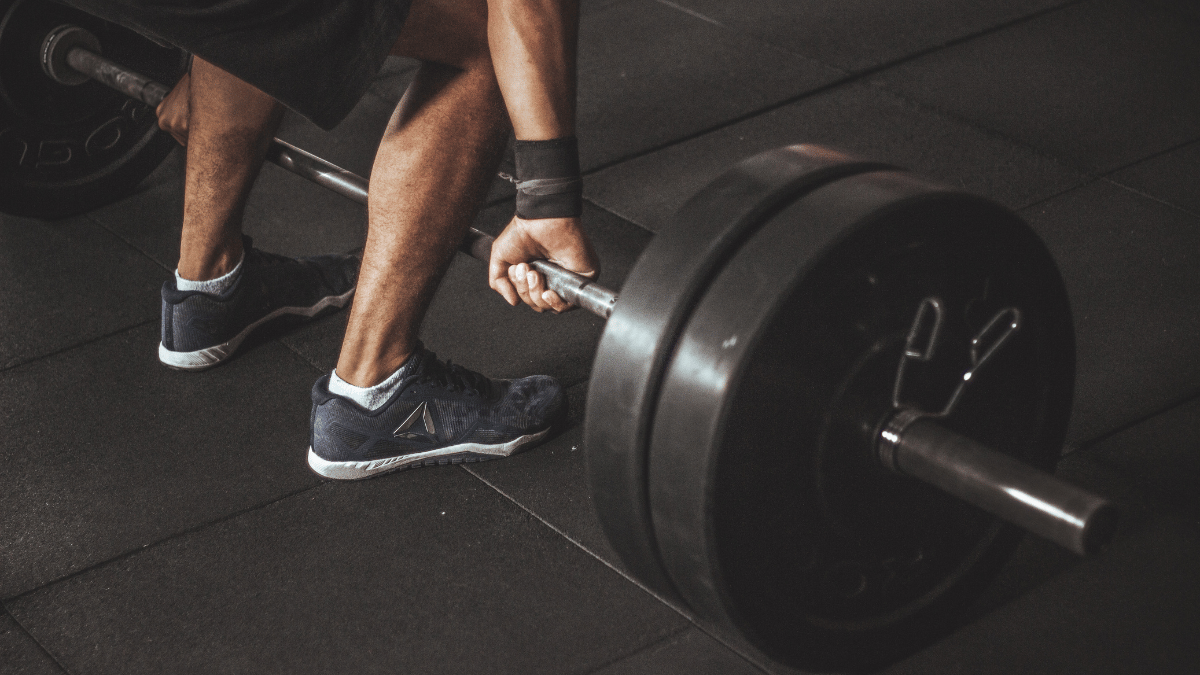
Deadlifts (With Smart Modifications)
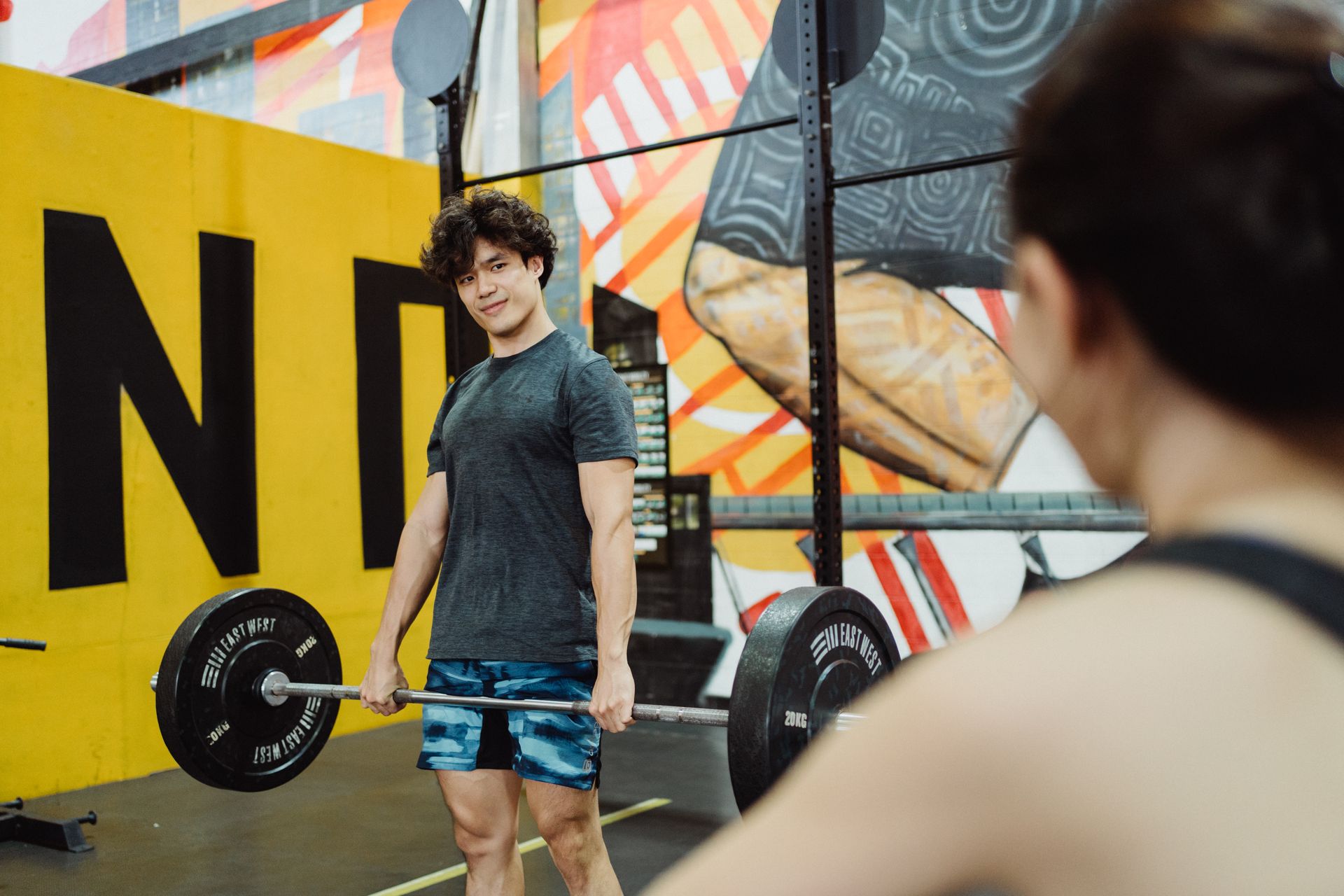
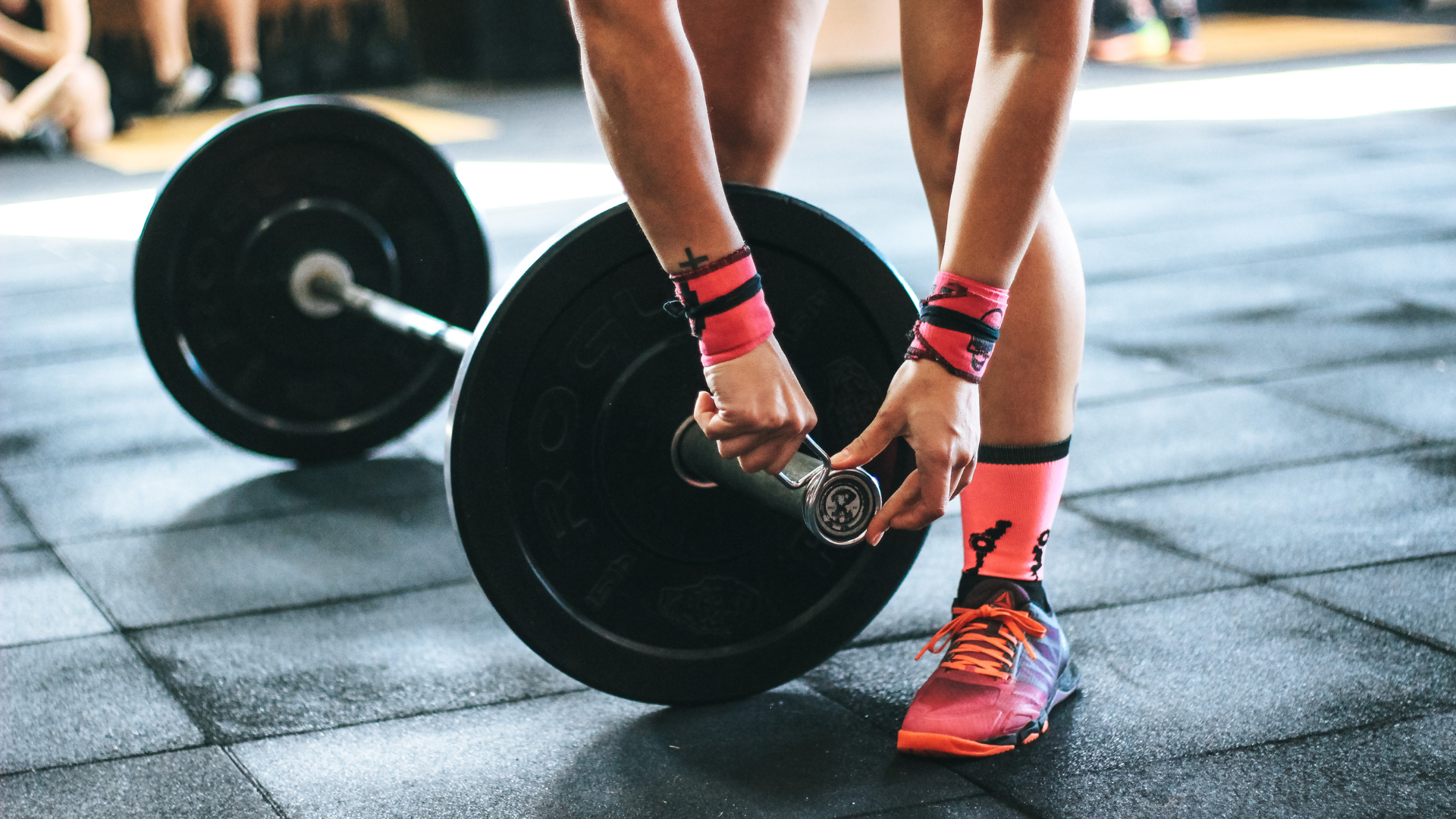
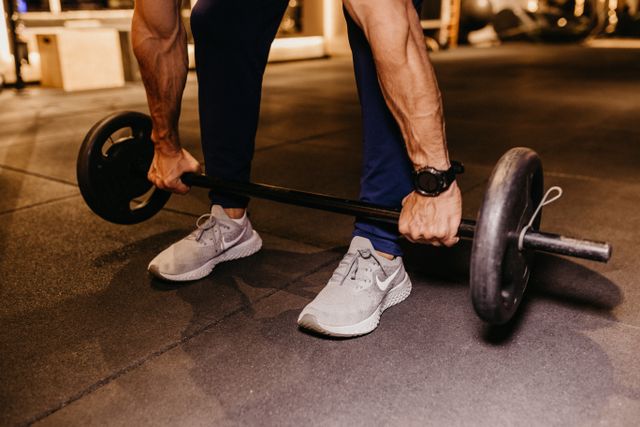
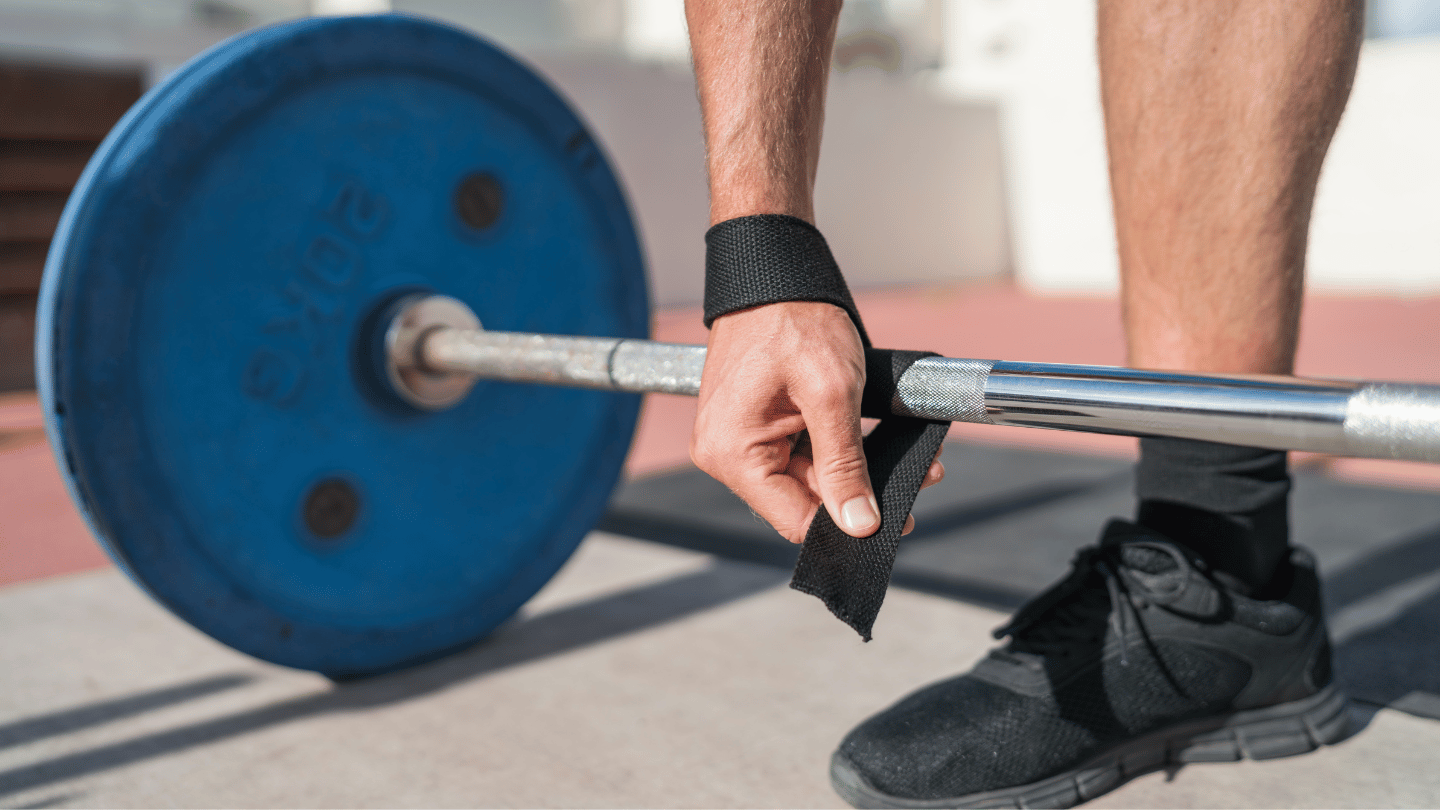
Deadlifts strengthen your entire posterior chain: your back, glutes, and hamstrings. As your belly grows and pulls you forward, these muscles work overtime to keep you upright and stable. Keeping them strong prevents the chronic lower back pain that plagues so many pregnant women.
Modifications we use: We switch our pregnant clients to Romanian deadlifts or sumo deadlifts in the second and third trimesters to accommodate the growing belly. Same benefits, easier execution.
Rows and Upper Back Work
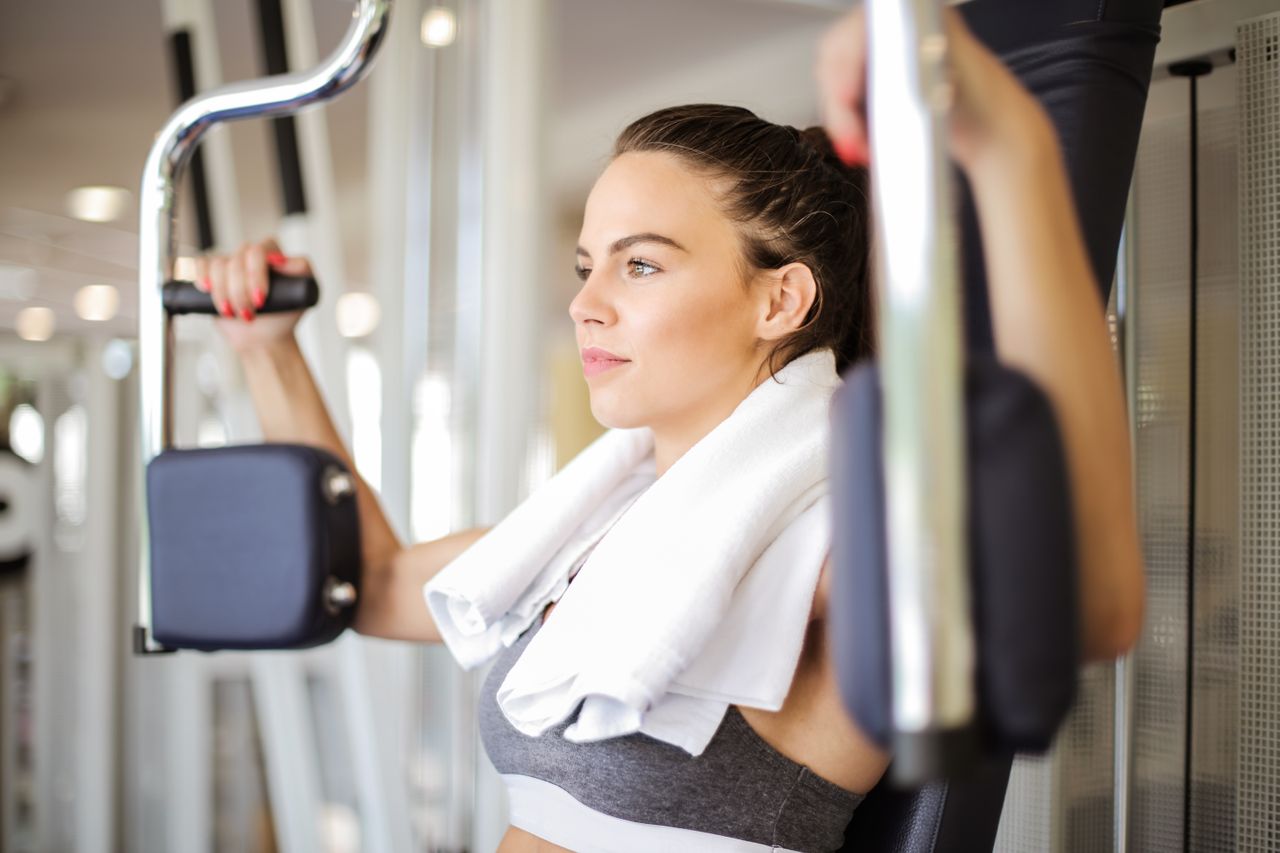
Your upper back takes a beating during pregnancy. Between your growing chest and your forward-shifting belly, your shoulders want to round forward constantly. Rows, whether with dumbbells, cables, or resistance bands, counteract that pull and keep your posture strong. They also prepare you for all the lifting, carrying, and holding you'll do once the baby arrives.
Pelvic Floor Strengthening
Your pelvic floor is the group of muscles at the base of your pelvis that support your bladder, bowel, and uterus. Pregnancy puts enormous pressure on these muscles, and strengthening them reduces your risk of incontinence and pelvic organ prolapse after delivery. Kegels and diaphragmatic breathing exercises are your best tools here. And yes, we teach both at Hideout Fitness.
Core Stabilization (Not Crunches)
Traditional ab exercises like crunches and sit-ups are out during pregnancy. Instead, we focus on exercises that stabilize your core without putting pressure on your abdominal wall. Modified planks, bird dogs, dead bugs, and pallof presses all work beautifully and keep your core strong without risking diastasis recti.
What to Avoid During Pregnancy and Why
Some movements become risky as your pregnancy progresses. Not because they're inherently dangerous, but because your body changes in ways that make certain exercises problematic.
After the first trimester, we avoid:
- Lying flat on your back for extended periods. After about 12 weeks, lying flat can compress a major blood vessel and reduce blood flow to your baby. Any exercise that requires you to lie on your back, like bench press, certain core work, gets modified or replaced.
- Deep twisting movements. Your abdominal muscles are already stretching to accommodate your baby. Deep twists put additional strain on that connective tissue and increase the risk of diastasis recti, the separation of your abdominal muscles that causes postpartum belly issues.
- High-impact or contact activities. Running, jumping, and any sport with a risk of falling or abdominal trauma should be approached cautiously or avoided entirely, especially in the second and third trimesters.
- Heavy overhead pressing in late pregnancy. As your belly grows, overhead movements can strain your lower back. We switch our clients to lighter weights or alternative pressing angles to protect the spine.
If you're dealing with postpartum belly concerns after delivery, our guide on postpartum belly fat and strength training walks you through exactly how to address diastasis recti and rebuild your core safely.
Why Pregnant Women in Orange County Train With Coach Chay and Coach Emily
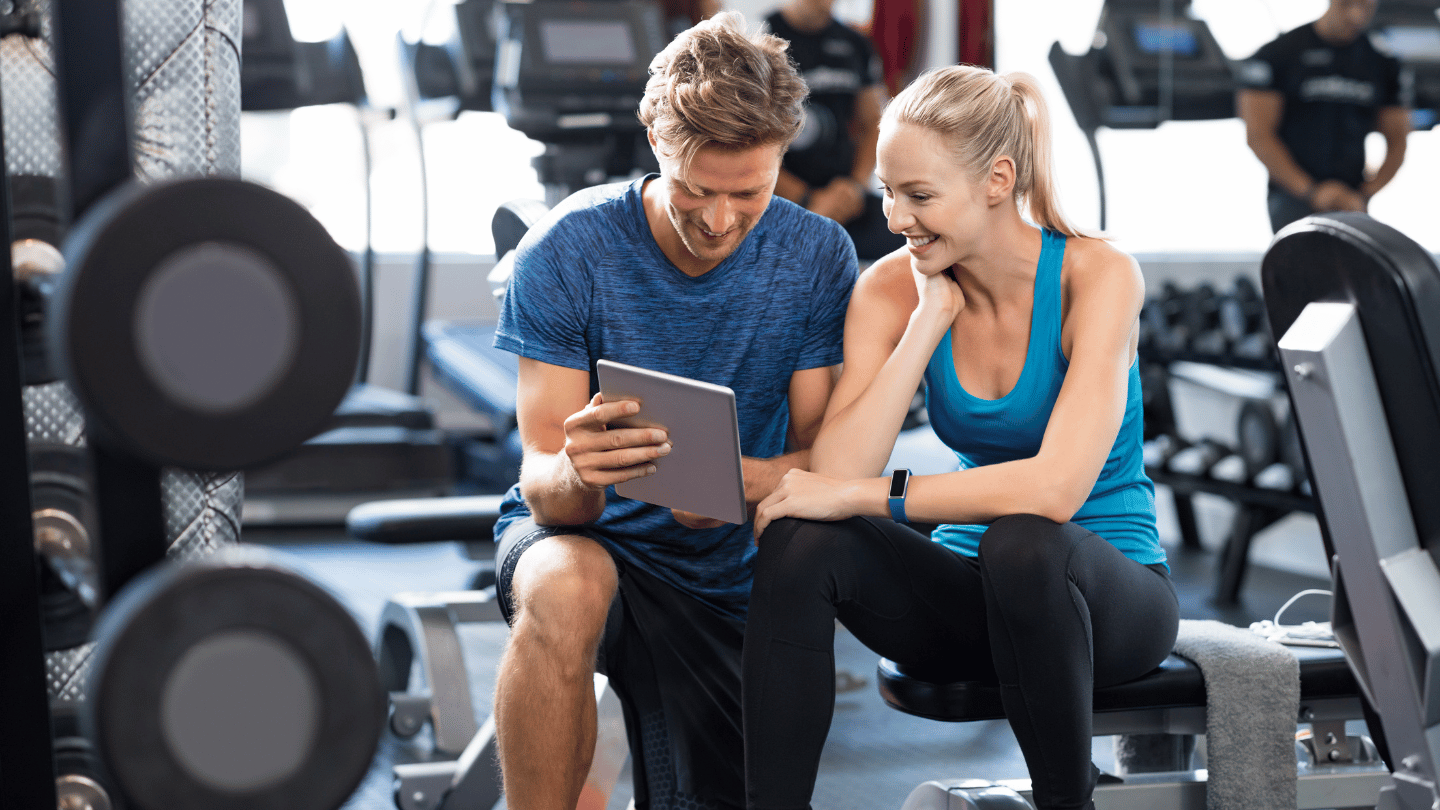
Here's the honest truth: pregnancy changes your body in ways you can't always feel or see. Your center of gravity shifts weekly. Your joints loosen from hormonal changes. Your core weakens as your belly expands. A prenatal-certified trainer knows how to adjust your program for these changes, week by week, trimester by trimester, so you're always training safely and effectively.
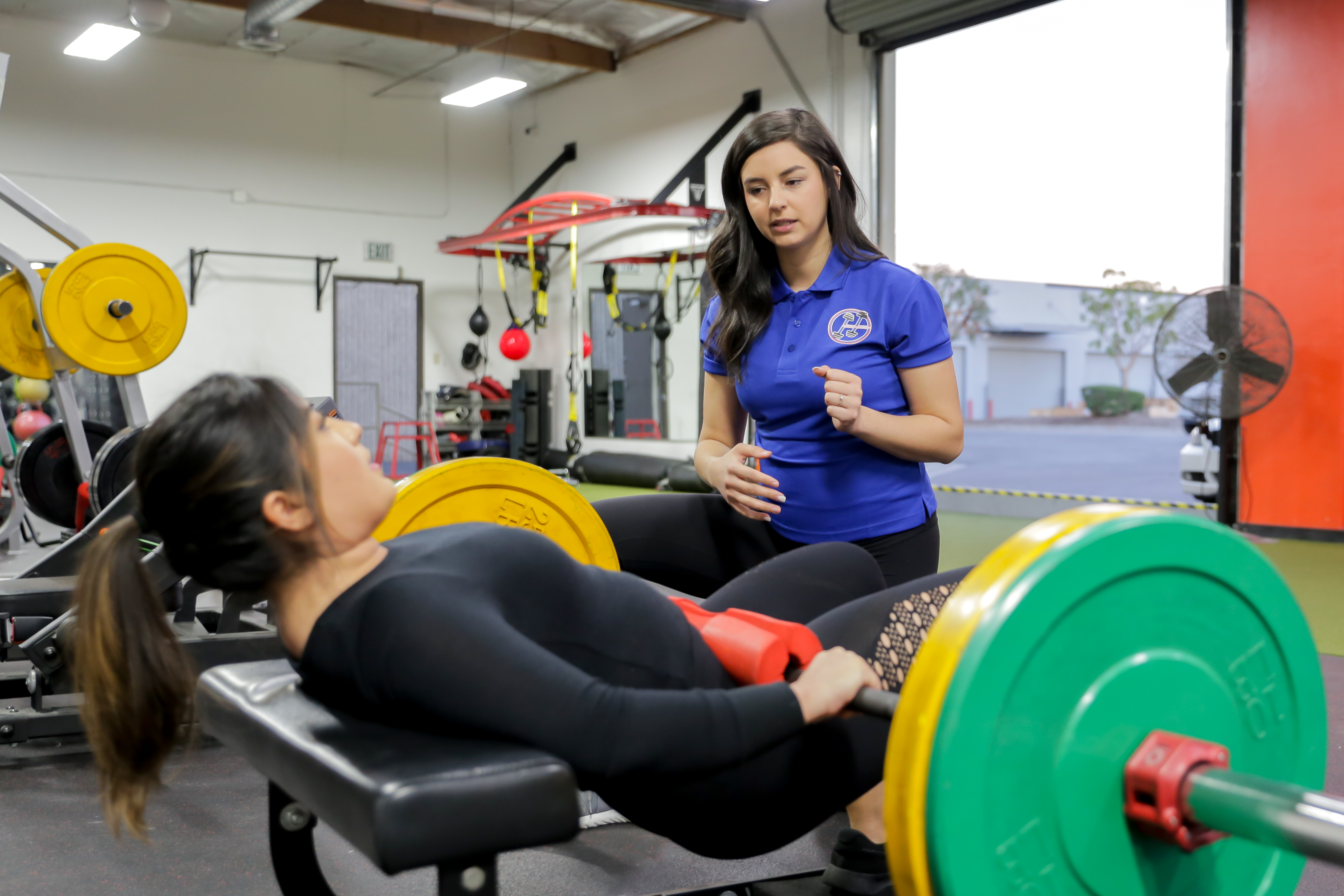
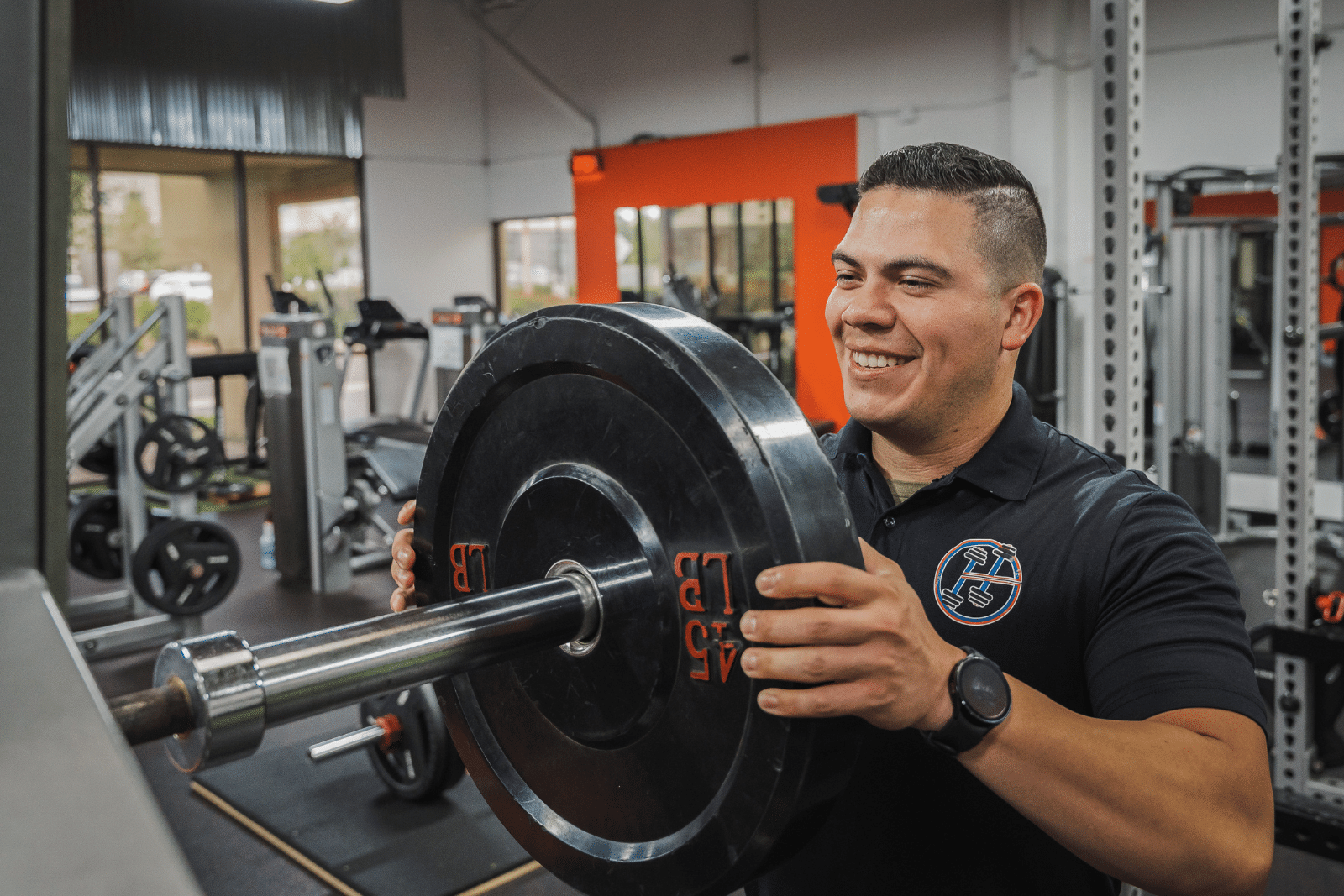
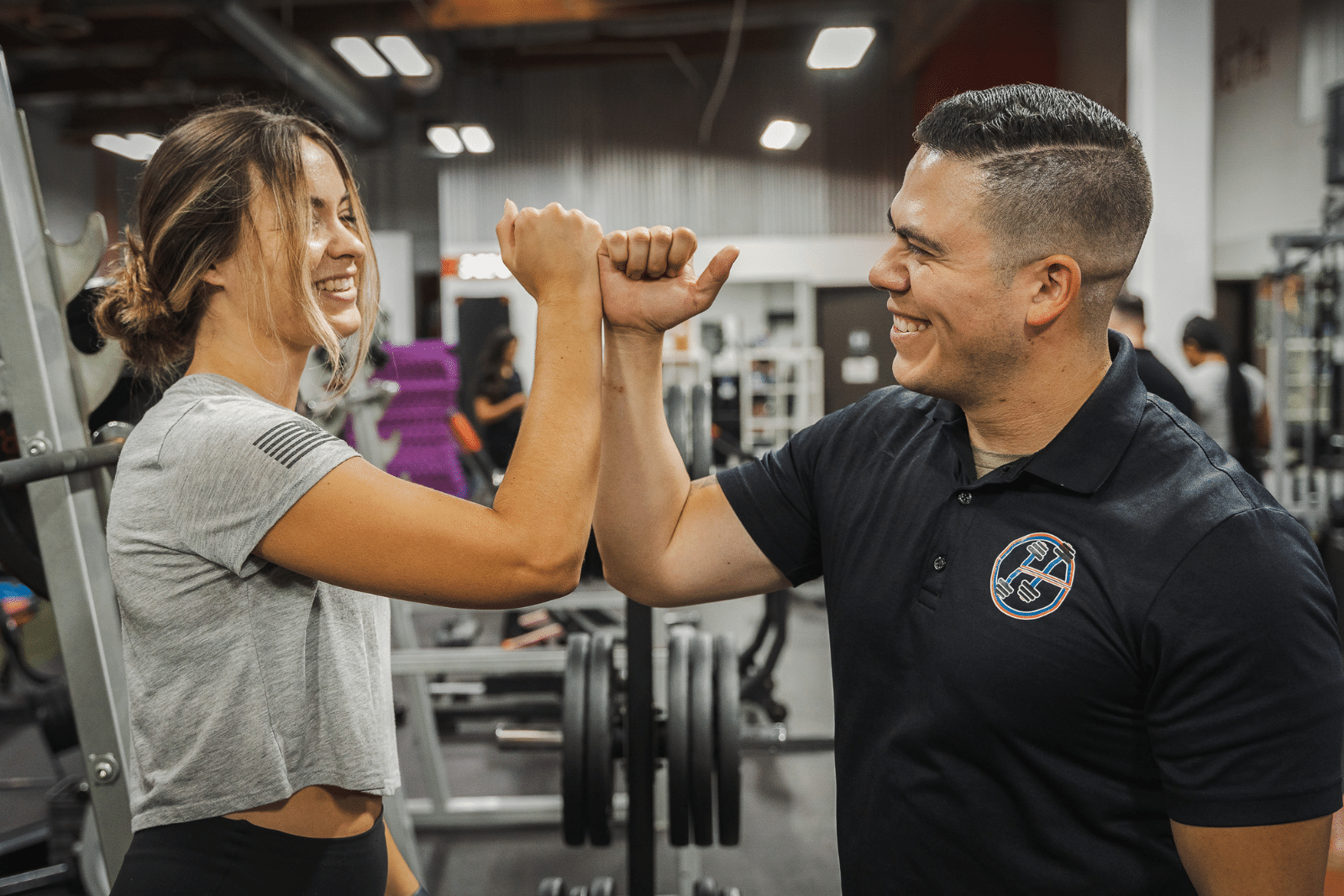
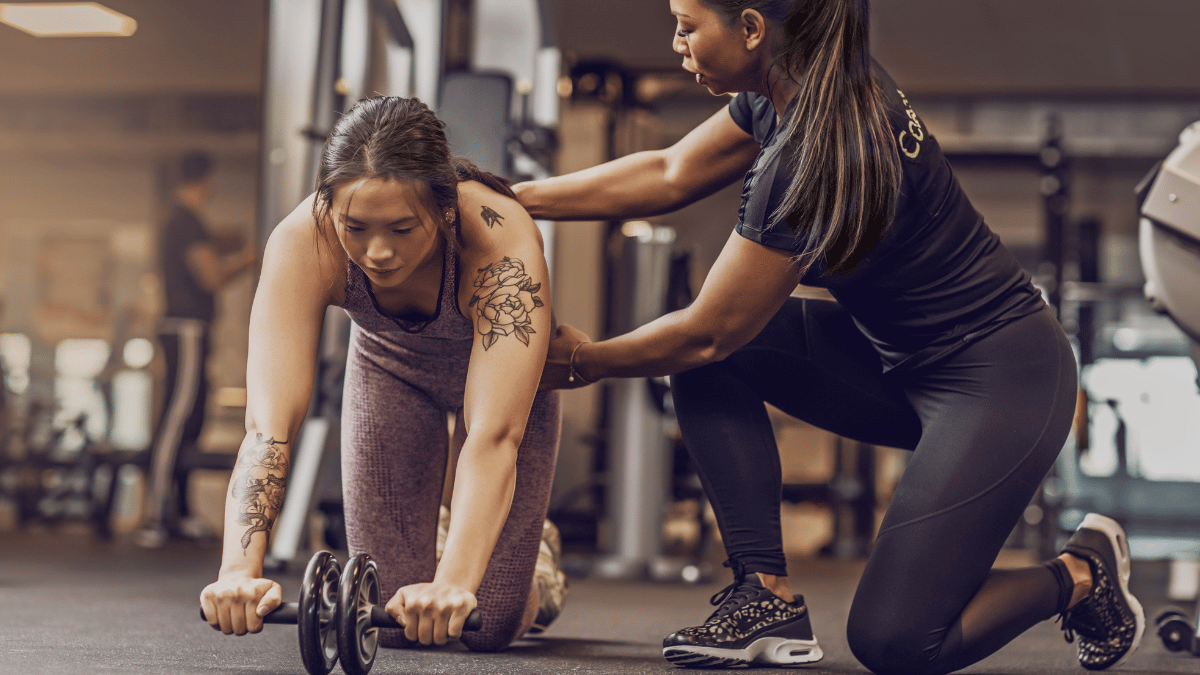
At Hideout Fitness in Irvine, Newport Beach, Costa Mesa, and Tustin, Coach Chay and Coach Emily specialize in prenatal and postnatal training.
Coach Chay holds a degree in Kinesiology (the science of human movement) and certifications in strength conditioning, nutrition, and women's fitness. He's worked with dozens of pregnant women across Orange County, building programs that keep them strong, mobile, and pain-free through every stage of pregnancy.
"Pregnancy is one of the most physically demanding experiences you'll ever go through. The right training prepares your body for that, and makes everything afterward easier too." - Coach Chay
Coach Emily is Prenatal/Postpartum Certified with seven years of weightlifting experience. She knows exactly how to modify exercises as pregnancy progresses, when to scale back intensity, and how to prepare your body for the physical demands of labor and recovery.
"Your body is capable of way more than you think, even pregnant. We just have to train it the right way. Every pregnant woman I've worked with who sticks with strength training has easier labors and faster recoveries." - Coach Emily
Here's what working with a prenatal-certified trainer at Hideout Fitness looks like:
- We assess your current fitness level and pregnancy stage before building your program
- We modify exercises in real time as your body changes week to week
- We teach you how to engage your core and pelvic floor properly, skills that matter during labor and postpartum
- We keep you accountable and motivated during a season when staying consistent with fitness feels impossible
- We prepare you for postpartum recovery so you're not starting from scratch after delivery
When to Stop or Modify Your Training During Pregnancy
Most women can train safely throughout pregnancy, but there are warning signs that mean you need to stop immediately and check in with your doctor.
Stop exercising and call your doctor if you experience:
- Vaginal bleeding or fluid leaking
- Dizziness, shortness of breath, or chest pain
- Persistent headache or visual disturbances
- Calf pain or swelling (could indicate a blood clot)
- Contractions that don't stop when you rest
- Reduced fetal movement
Always get medical clearance from your OB-GYN before starting or continuing any exercise program during pregnancy.
If you have a high-risk pregnancy or complications, your doctor may recommend modified activity or complete rest, and that guidance overrides everything else. We work closely with our pregnant clients' doctors to make sure everyone's on the same page.
Come Train With Us at Hideout Fitness in Orange County
Pregnancy is not the time to wing it with your training. The right exercises prepare your body for labor, speed up your recovery, and keep you feeling strong when everything else feels exhausting. The wrong exercises, or avoiding exercise altogether, leave you unprepared for one of the most physically demanding experiences of your life.
We're here for you. Coach Chay and Coach Emily at Hideout Fitness in Irvine, Newport Beach, Costa Mesa, and Tustin have guided dozens of pregnant women through every stage, from the first trimester to delivery day and beyond. Whether you're newly pregnant or in your third trimester, we'll build a program that keeps you strong, safe, and ready for what's ahead.
Come see us. Let's get you ready.


.jpg)
.jpg)






.png)













.png)


.png)




.png)
.png)
.png)