
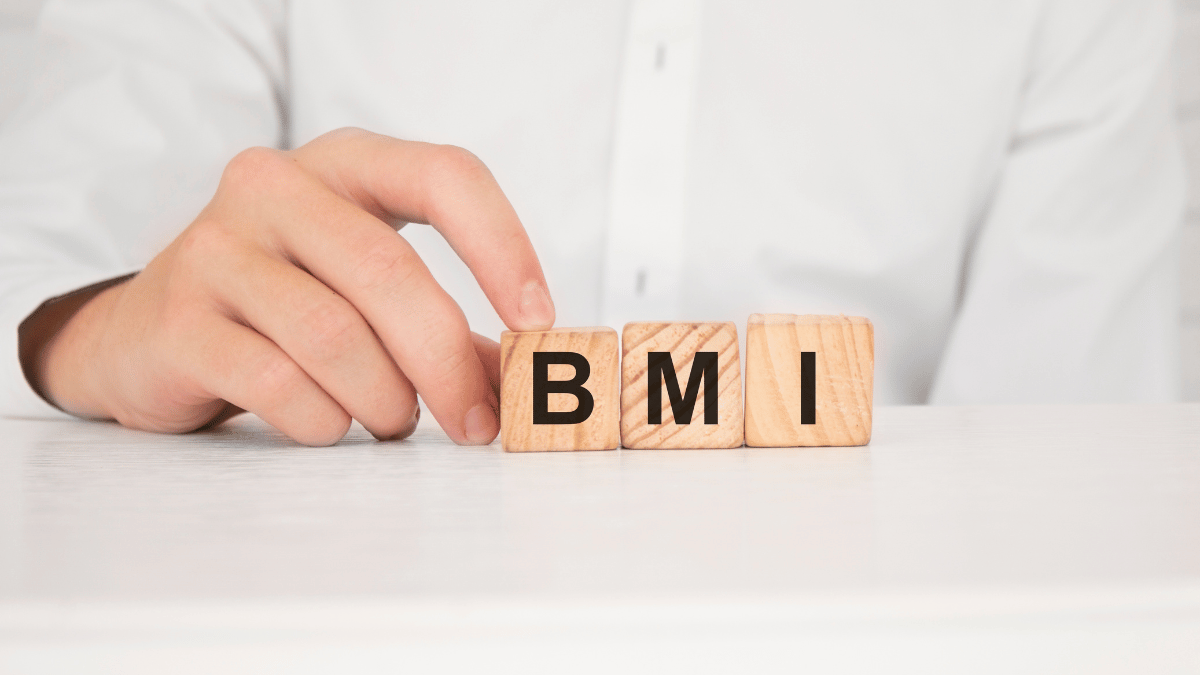
You stepped on the scale at your annual physical, maybe at a doctor's office somewhere around Irvine or Orange County, and they punched your height and weight into a calculator. Suddenly you're "overweight." Never mind that you lift four days a week, your clothes fit better than they have in years, and you feel strong. According to BMI, you've got a problem.
Here's the truth: BMI is one of the most overused and least useful health metrics out there. It was never designed to measure your health, and for anyone who strength trains, it's almost laughably inaccurate.
At Hideout Fitness in Irvine, we see this constantly. Clients get hung up on a number that tells them almost nothing real. Let's break down why BMI is flawed and what you should actually pay attention to.
What BMI Actually Measures (Spoiler: Not Much)
BMI stands for Body Mass Index. The formula is dead simple: your weight divided by your height squared. That's it.
It doesn't measure body fat, muscle, bone density, or where you carry your weight. It just looks at how heavy you are relative to your height.
BMI was developed in the 1830s by a Belgian mathematician (not a doctor) who wanted to study the "average man" across large populations. He never intended it to be used on individuals, and he definitely never meant it to be a measure of health.
Almost two centuries later, people are still using it as if it tells us something meaningful about a single person standing on a scale. Even the CDC notes that BMI is a screening tool, not a diagnostic measure of health or body fatness.
Why BMI Fails Anyone Who Strength Trains
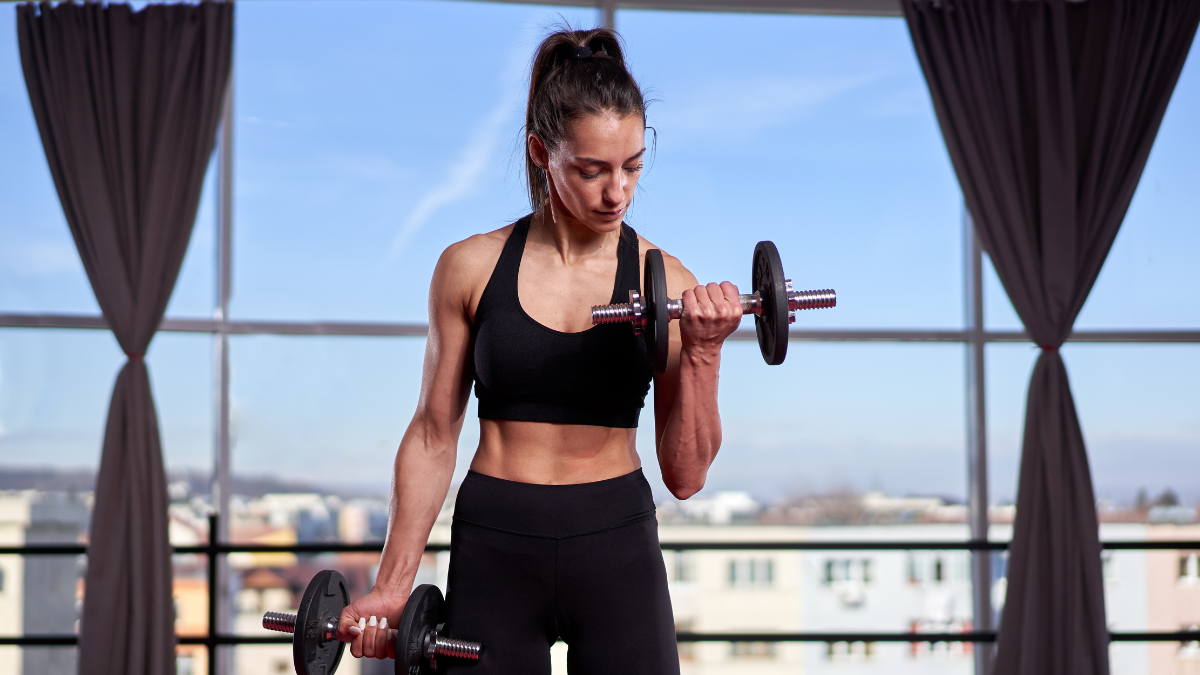
The biggest flaw in BMI is simple: it can't tell the difference between a pound of muscle and a pound of fat. Since muscle is denser and heavier than fat, anyone with a decent amount of muscle gets penalized.
Consider two people who are both 6 feet tall and weigh 220 pounds. One is a competitive bodybuilder with 8% body fat. The other is sedentary with 35% body fat. Both have a BMI of about 29.8, which lands them both in the "overweight" category, nearly "obese." Their actual health couldn't be more different, but BMI sees them as identical.
This isn't a rare edge case. The National Strength and Conditioning Association points out that nearly 70% of NFL players would be classified as obese by BMI alone. These are some of the fittest humans on the planet, flagged as unhealthy by a 19th-century formula. The same thing happens to everyday people who strength train consistently: you build muscle, your weight climbs, and BMI wrongly calls it fat.
A "Normal" BMI Doesn't Mean You're Healthy
The flaw runs both directions. Just as BMI wrongly flags muscular people as unhealthy, it also gives plenty of unhealthy people a clean bill of health. There's a term for this: "skinny fat." You can have a totally normal BMI while carrying high body fat, low muscle mass, and poor metabolic health.
A 2016 UCLA study of more than 40,000 adults found that nearly half of the people the BMI scale called "overweight" (and about 29% of those it called "obese")were actually healthy based on real measures like blood pressure, cholesterol, and blood sugar. Meanwhile, more than 30% of people with a "normal" BMI were metabolically unhealthy. All told, the researchers estimated BMI misclassifies the health of about 75 million American adults.
Translation: the number tells you almost nothing about what's happening inside your body.
What You Should Actually Track Instead
If BMI is a bad measure, what's a good one? Here's what actually matters:
Body fat percentage
This tells you how much of your weight is fat versus lean mass. You can measure it with calipers, a DEXA scan, or a smart scale (the first two are far more accurate). This is one of the most useful numbers you can track.
Waist-to-height ratio
Your waist circumference divided by your height. Research shows it's a better predictor of cardiovascular risk than BMI because it captures dangerous belly fat. A simple rule: keep your waist under half your height.
Progress photos
Take them every two to four weeks in the same lighting and clothing. Photos catch changes the scale completely misses, especially when you're building muscle and losing fat at the same time.
Strength and performance
Are your lifts going up? Can you do things now you couldn't three months ago; keep up on a hike at Quail Hill, carry all the groceries up in one trip, hit a new PR? Getting stronger is one of the clearest signs your body is improving, and it directly predicts long-term health and longevity.
How you feel
Energy, sleep quality, mood, confidence, how your clothes fit. These aren't "soft" metrics. They're often the most honest signals of whether your training and nutrition are working.
At Hideout Fitness, we track your body composition and measurements as part of your program, so you get real data on your progress without needing to chase down a separate appointment.
Why the Scale and BMI Mess With Your Head
The real damage BMI does is psychological. When you anchor your self-worth to a flawed number, you set yourself up for frustration. You might be making incredible progress, building muscle, getting stronger, dropping body fat, and still feel like a failure because BMI says "overweight."
It doesn't help that your weight fluctuates daily from water, sodium, and food, which makes both the scale and your BMI bounce around for reasons that have nothing to do with fat. That frustration leads people to quit, crash diet, or chase the wrong goals entirely (like losing weight when they should be building muscle). We've seen it derail otherwise great progress more times than we can count.
The fix is to stop measuring the wrong thing. Track body composition and performance, not a single bathroom-scale number filtered through a 200-year-old equation.
How Hideout Fitness Tracks Real Progress in Irvine
At Hideout Fitness in Irvine, we don't program around BMI. We track the things that actually reflect your health and progress: body composition, strength gains, measurements, progress photos, and how you're feeling week to week.
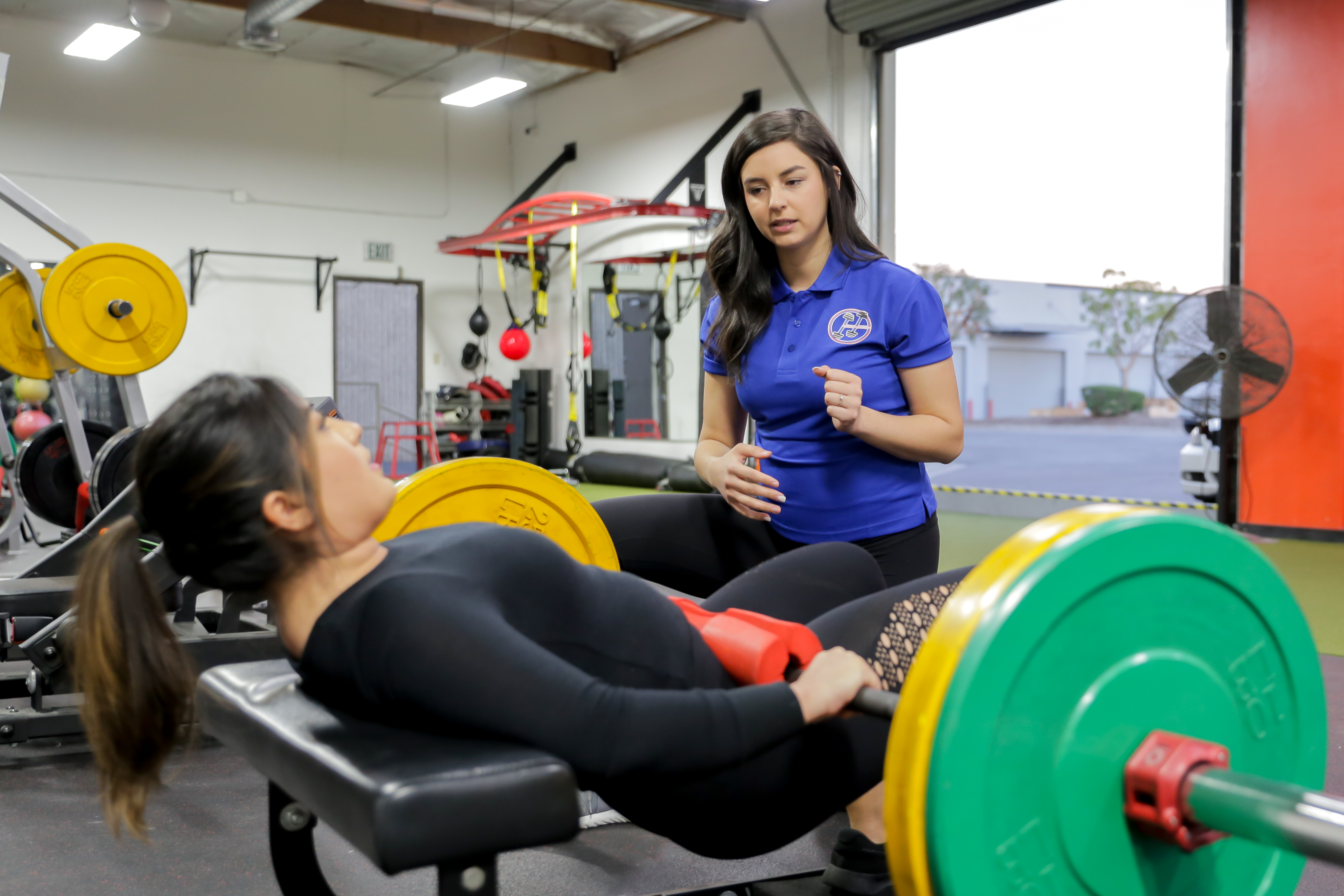
Every client gets a custom program and a personalized meal plan built around real goals, not arbitrary weight targets. Our coaches log your measurements, weight trends, and workouts in our app so you can see the full picture, not just one misleading number. Whether your goal is fat loss, building muscle, or body recomposition, we measure what matters and adjust as you go.
Stop letting a flawed formula tell you how you're doing. Let's track the real thing.



.jpg)
.jpg)








.png)




















.png)




.png)




.png)
.png)
.png)
