

You've been showing up to the same gym in Irvine, doing the same lifts on the same days of the week. Maybe you're driving in from Woodbridge before work, sneaking in a session after a long day at the John Wayne business district, or grinding through a lunch-break workout near the Irvine Spectrum. Whatever your routine, your bench is stuck at 185. Your squat hasn't moved in two months. The weight that used to feel manageable now feels like a personal vendetta from the iron gods.
Welcome to a strength plateau; every lifter hits them. The frustrating part isn't that they happen, it's that most people respond to plateaus by doing exactly the wrong things, which keeps them stuck for months or pushes them into injury.
At Hideout Fitness in Irvine (located at 16510 Aston St, just minutes from John Wayne Airport, UCI, and the Irvine Spectrum) we see plateau-busters and plateau-prolongers walk through our doors every week. The difference between them isn't motivation or genetics. It's understanding why plateaus happen and what actually breaks them.
Why Strength Plateaus Happen (The Science of Adaptation)
Your body is brilliant at adapting. The first time you bench 135 lbs, it's a real stimulus; your nervous system, muscles, and connective tissues all have to work to handle the load. Six months later, your body has built the strength to handle that weight efficiently, so it stops responding. The same workout that built strength a year ago now just maintains it.
Strength progression follows what researchers call a logarithmic curve. Beginners can add weight to the bar almost every session ("newbie gains"). Intermediates progress every week or two. Advanced lifters often need months of strategic programming for relatively small gains. This is actually what success looks like in a long-term lifting career.
The problem is when lifters interpret slower progress as "the program stopped working" and either give up, hop to a new random workout, or push harder on the same routine that's no longer driving adaptation. None of those fixes the actual issue.
The 7 Most Common Reasons Your Lifts Are Stalling
1. You're Not Actually Progressing Your Program
Progressive overload is the foundation of every strength program. If you've been doing the same 3 sets of 5 at the same weight for three months, your body has zero reason to get stronger. Adding weight, reps, sets, or even adjusting tempo are all forms of progression.
The fix: track every workout. If the numbers aren't moving up over 4-6 week cycles, something needs to change.
2. Your Program Has No Periodization
Two major meta-analyses (one in Research Quarterly for Exercise and Sport and another in Sports Medicine) both concluded periodization is more effective, though the actual size of the advantage is modest. The takeaway: structured variation matters more than grinding the same scheme indefinitely.
The fix: structure your training in cycles. Push hard for 3-5 weeks, deload for one, repeat.
3. You're Under-Recovering
If you're training 5-6 days a week with no breaks, your body never fully recovers. Your nervous system gets fried (which is why a lift that should feel easy suddenly feels heavy). Your joints, tendons, and ligaments stay sore. Your sleep suffers. And strength gains come to a halt.
The fix: program in at least one full rest day per week, plan a deload every 4-6 weeks, and prioritize 7-9 hours of sleep.
4. You're Under-Eating
You can't build strength on a perpetual calorie deficit. Many lifters trying to "stay lean" accidentally sabotage their strength because their body doesn't have the fuel it needs to recover and build.
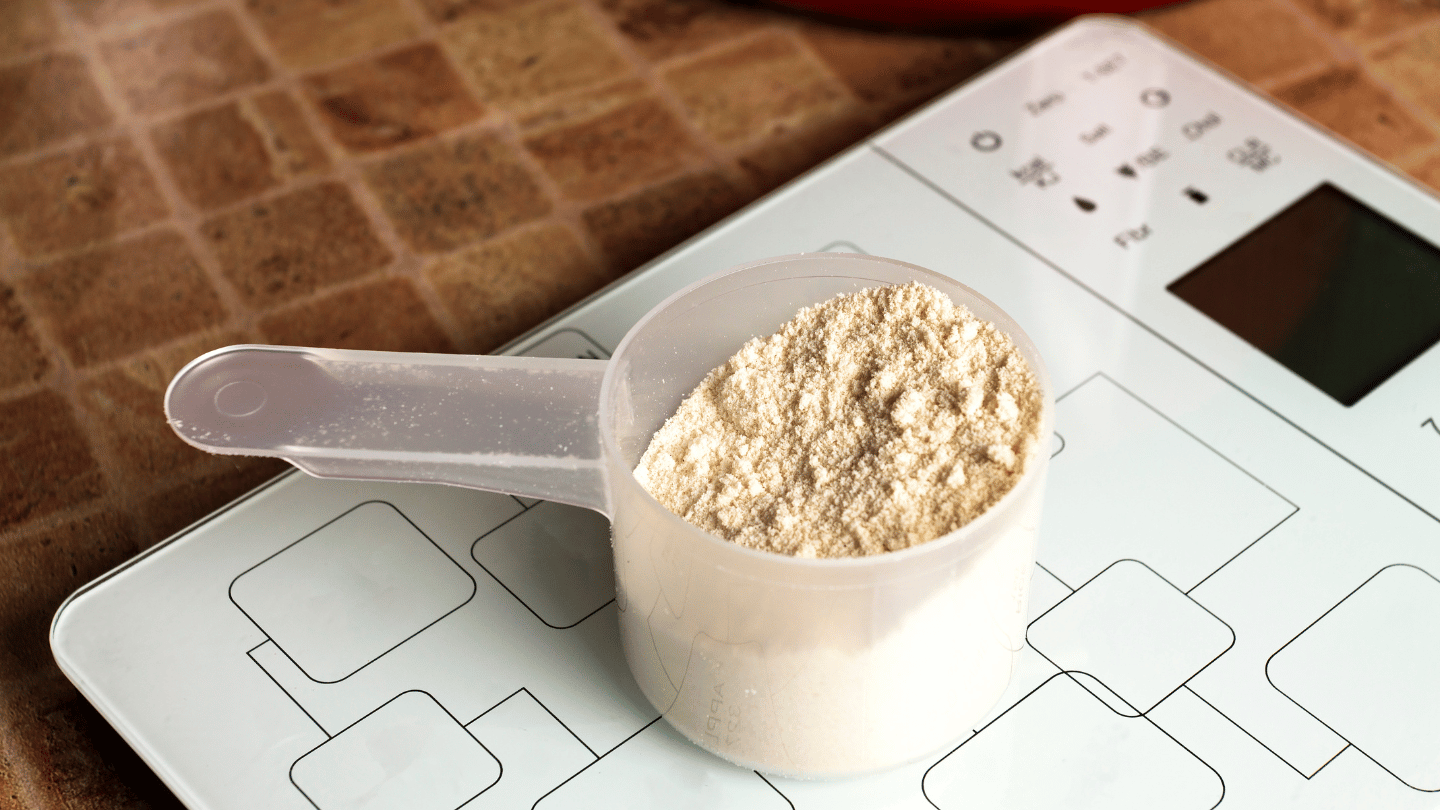
The fix: Eat at maintenance (the calories your body burns each day) or slightly above when chasing strength. And get your protein in, roughly 1 gram per pound of bodyweight you want to be. If you weigh 180, aim for around 150-180 grams a day. Spread it across meals. Consider building a personalized meal plan around your training.
5. You're Doing Too Much Cardio
This one surprises people. There's a real thing called the interference effect, basically, your body can't fully optimize for both cardio and strength at the same time. Push too hard on the running and your strength work suffers. A 2012 research review by Wilson and colleagues found this hits hardest when cardio is running-based, high-volume, or done close to your lifting sessions.
The fix: cap cardio at 2-3 short sessions per week (under 30-45 minutes each), and separate cardio from lifting by at least 6 hours when possible.
6. Your Form Is the Problem (Not Your Strength)
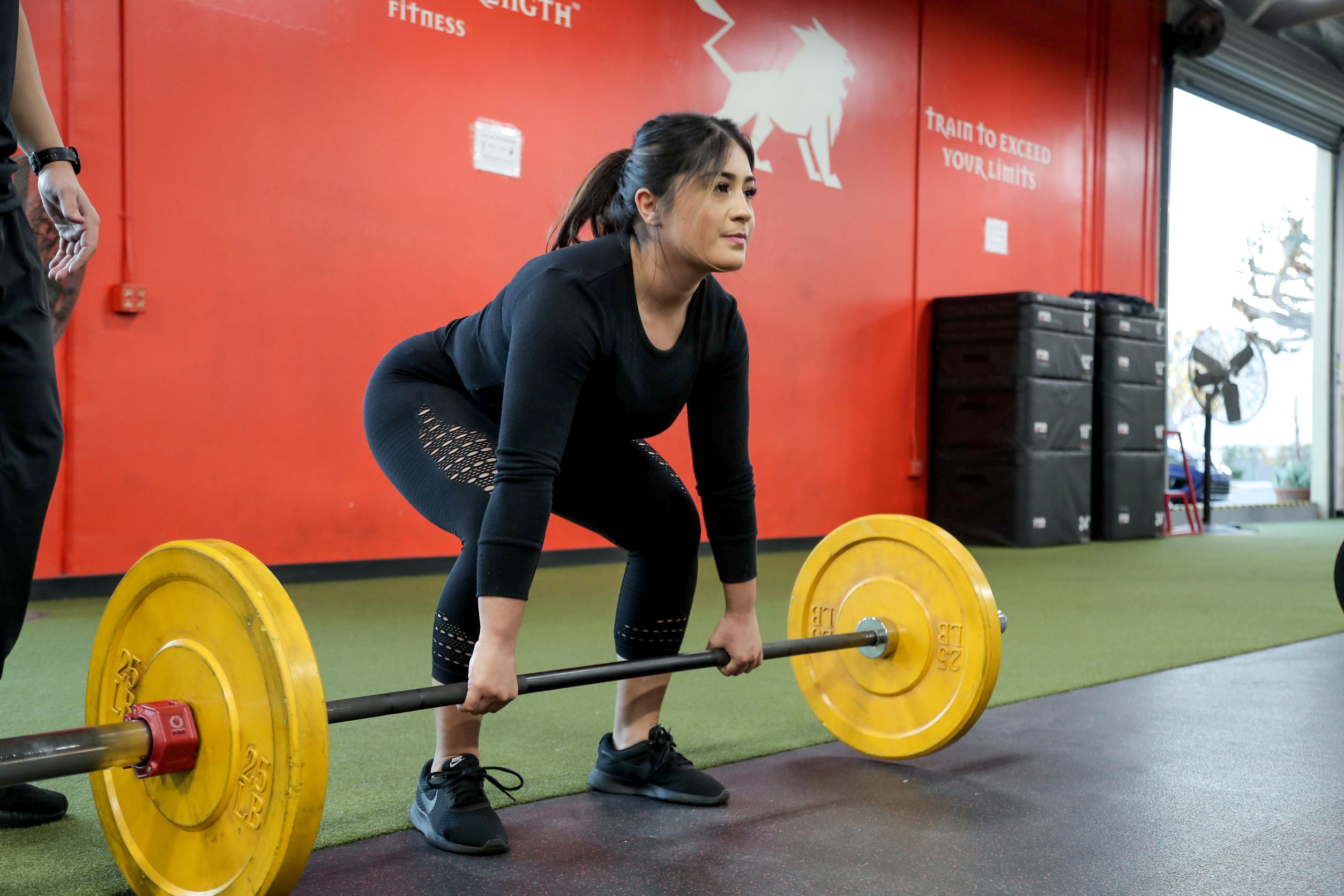
Sometimes a plateau is mechanical, not physiological. The bar drifting too far forward on a squat, a loose, sloppy setup on the bench, standing too narrow or too wide on a deadlift. Small technical mistakes cap your strength long before your muscles do.
The fix: film your lifts from the side. Compare to good technical models. Even one small adjustment (a tighter bench setup, a better squat walkout) can unlock immediate gains.
7. Stress and Sleep Are Wrecking You
When you're chronically stressed, your body pumps out cortisol, a stress hormone that, when it stays high, blocks muscle recovery and growth. Poor sleep tanks every recovery process in your body. Living in Orange County isn't always relaxing: long commutes on the 405, demanding jobs, family stuff. It stacks up. If your work or personal life is in crisis mode, your lifts will reflect it.
The fix: treat sleep and stress management as part of your program. Always aim for 7-8 hours each night.
How to Actually Break Through a Strength Plateau
Now that you know why plateaus happen, here's what actually works:
1. Add Periodization
Stop training the same way every week. Cycle through phases: a hypertrophy block (higher reps, moderate weight), a strength block (lower reps, heavier weight), and a peaking block if you're chasing a one-rep max. Research consistently shows this approach beats grinding the same scheme indefinitely.
2. Take a Deload Week
Reduce your weight to 60-70% of normal for a week. Cut your volume in half. Sleep more. Eat well. When you come back, you'll often hit numbers you couldn't touch before.
3. Slow Down and Focus on Bar Speed
Counterintuitively, sometimes the fix is to go lighter. Drop the weight to 80-85% of your one-rep max and focus on moving the bar as fast as you possibly can on every rep. This is called velocity-based training, and it can do some amazing things if you give it a shot.
4. Fix the Mechanical Issues First
Before changing your whole program, audit your form. Film your main lifts. Are you actually using your back on rows? Bracing properly on squats? Pausing at the chest on bench? Small technical fixes often unlock plateaus that no amount of "trying harder" will.
5. Sleep More, Eat More
Boring but true. Most lifters who plateau aren't training wrong, they're recovering wrong. Add 30-45 minutes of sleep per night, bump your calories by 200-300, and watch what happens over 4-6 weeks.
6. Get a Real Program
If you've been winging it or following random YouTube workouts, that's probably your real problem. A structured program with built-in progression, deloads, and exercise variation will get you further than any plateau-busting trick. This is where coaches earn their keep.
How Personal Trainers at Hideout Fitness in Irvine Break Plateaus for Orange County Lifters
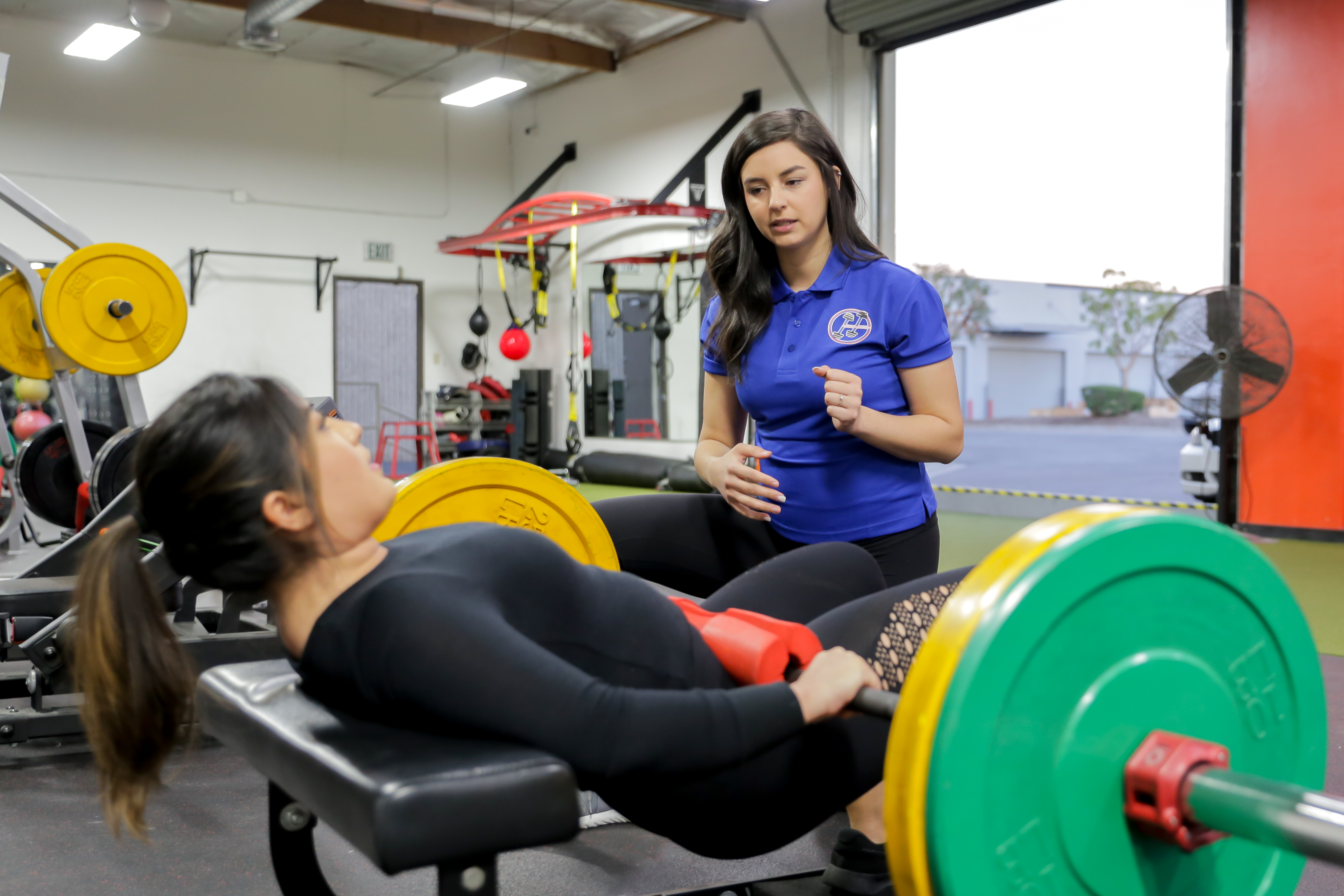
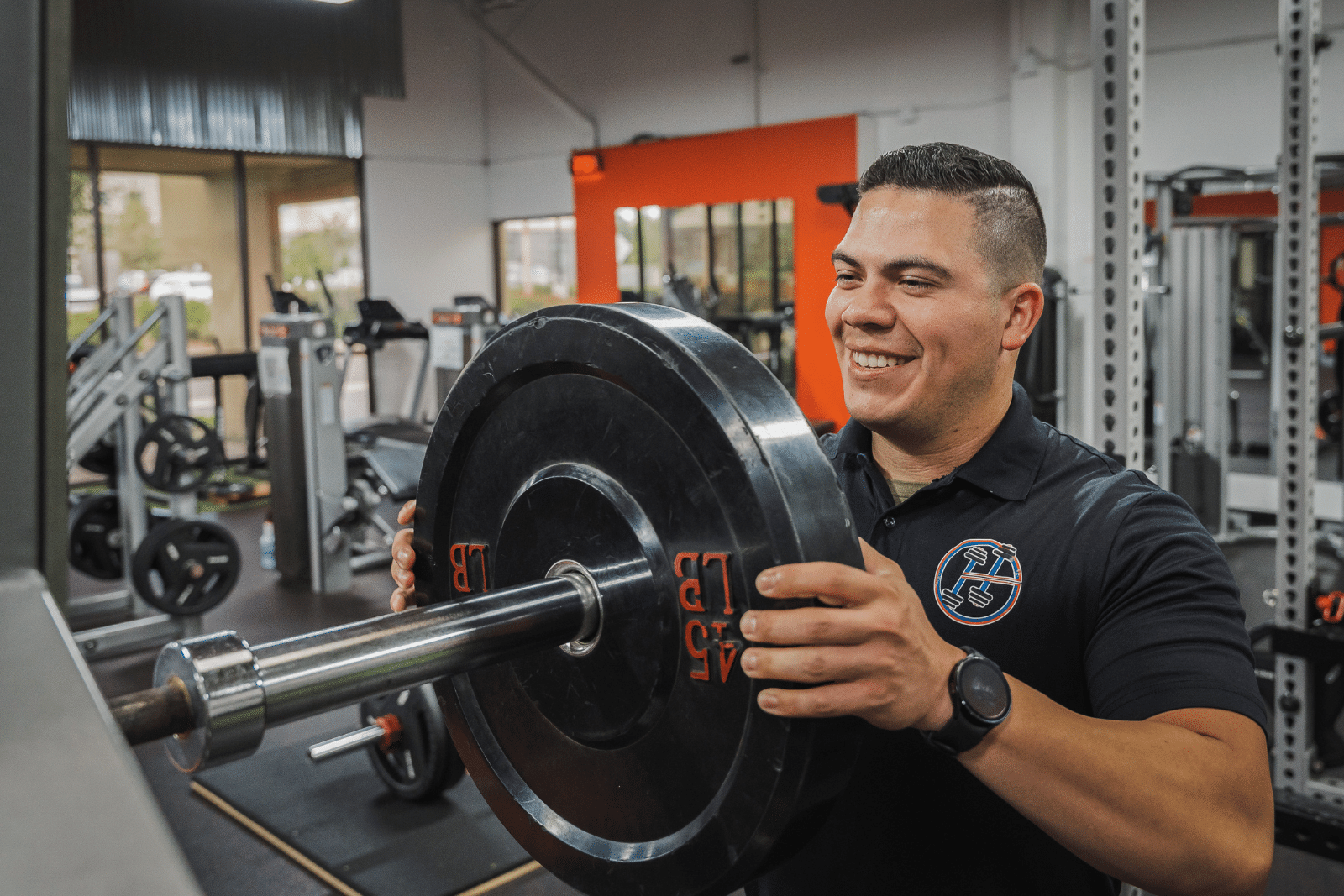
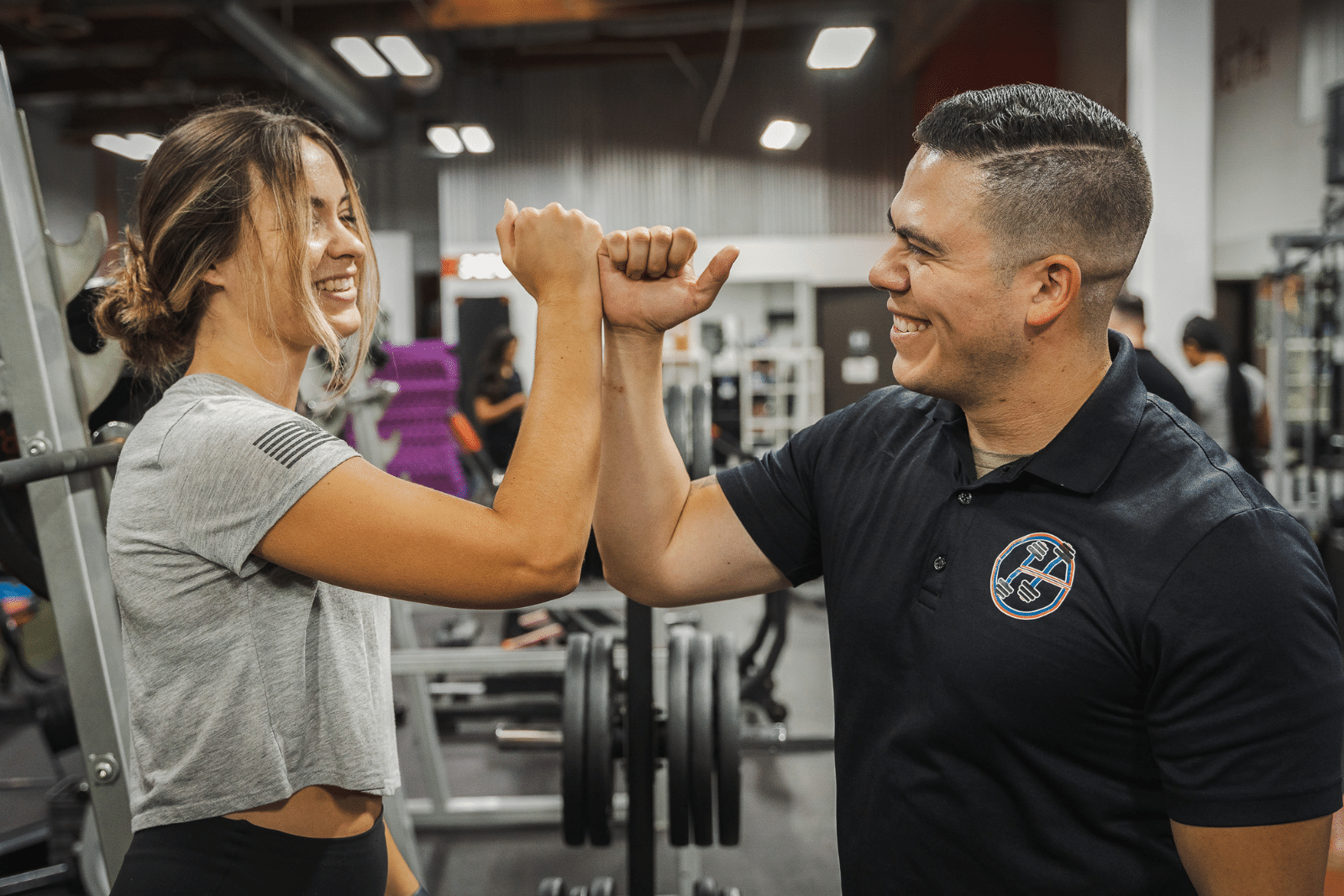
The coaches at Hideout Fitness in Irvine don't just hand you a workout and hope you progress. We audit the full picture: your programming, recovery, nutrition, sleep, stress, and form. Most plateaus break with two or three specific adjustments, not a complete overhaul.
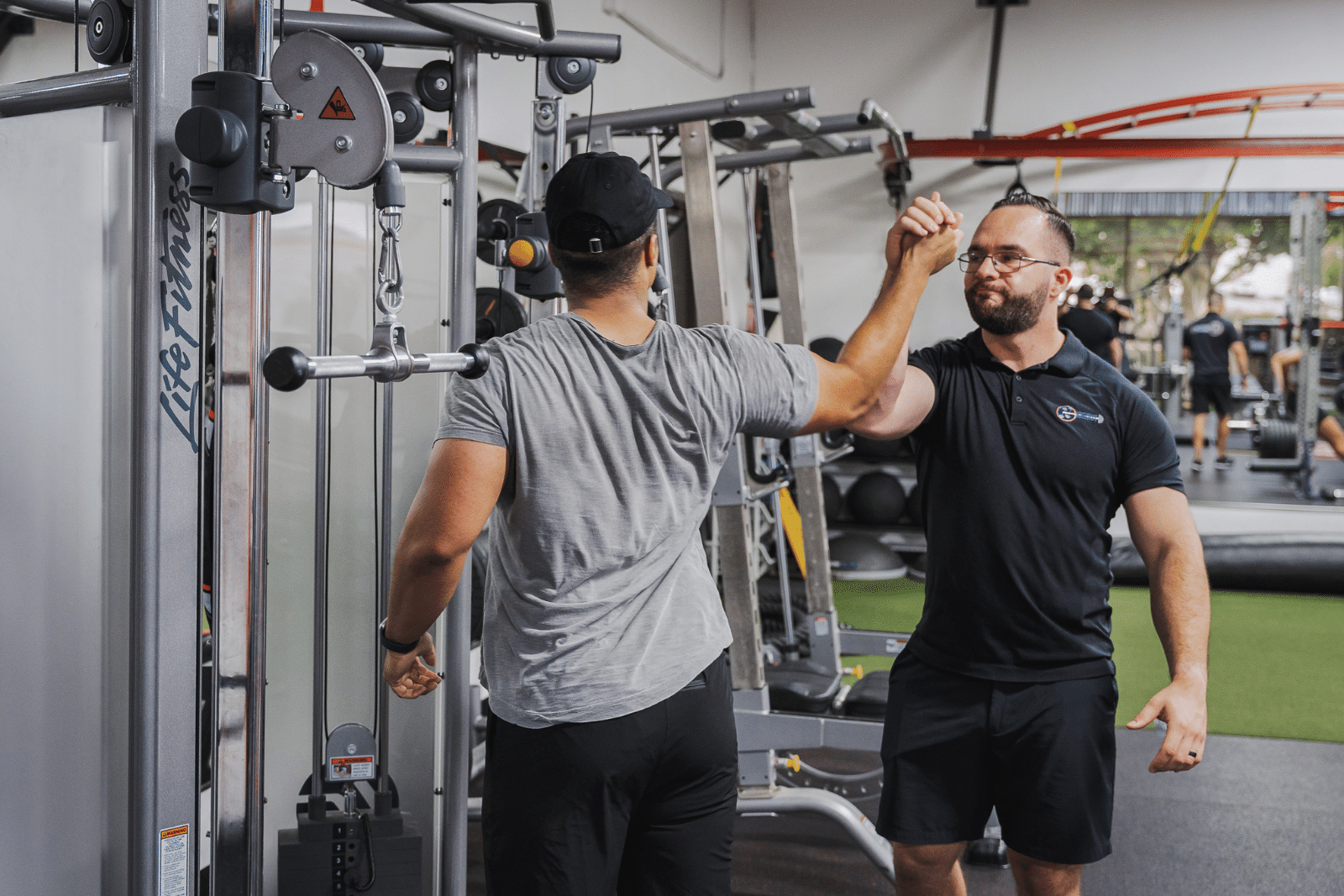
Every Hideout client gets custom programming built around progressive overload and periodization, plus a personalized meal plan to make sure nutrition isn't quietly sabotaging your strength. Our coaches, including head trainer Coach Jacob Rodriguez and Coach Hunter Osgood (B.S. Kinesiology, NCAA athlete background), have spent years getting lifters unstuck across Orange County.
Located at 16510 Aston St in the Irvine Business Complex, just minutes from John Wayne Airport and easily accessible from the 405 and 55 freeways, we serve lifters from across Orange County.



.jpg)
.jpg)










.png)




















.png)




.png)





.png)
.png)