
.png)
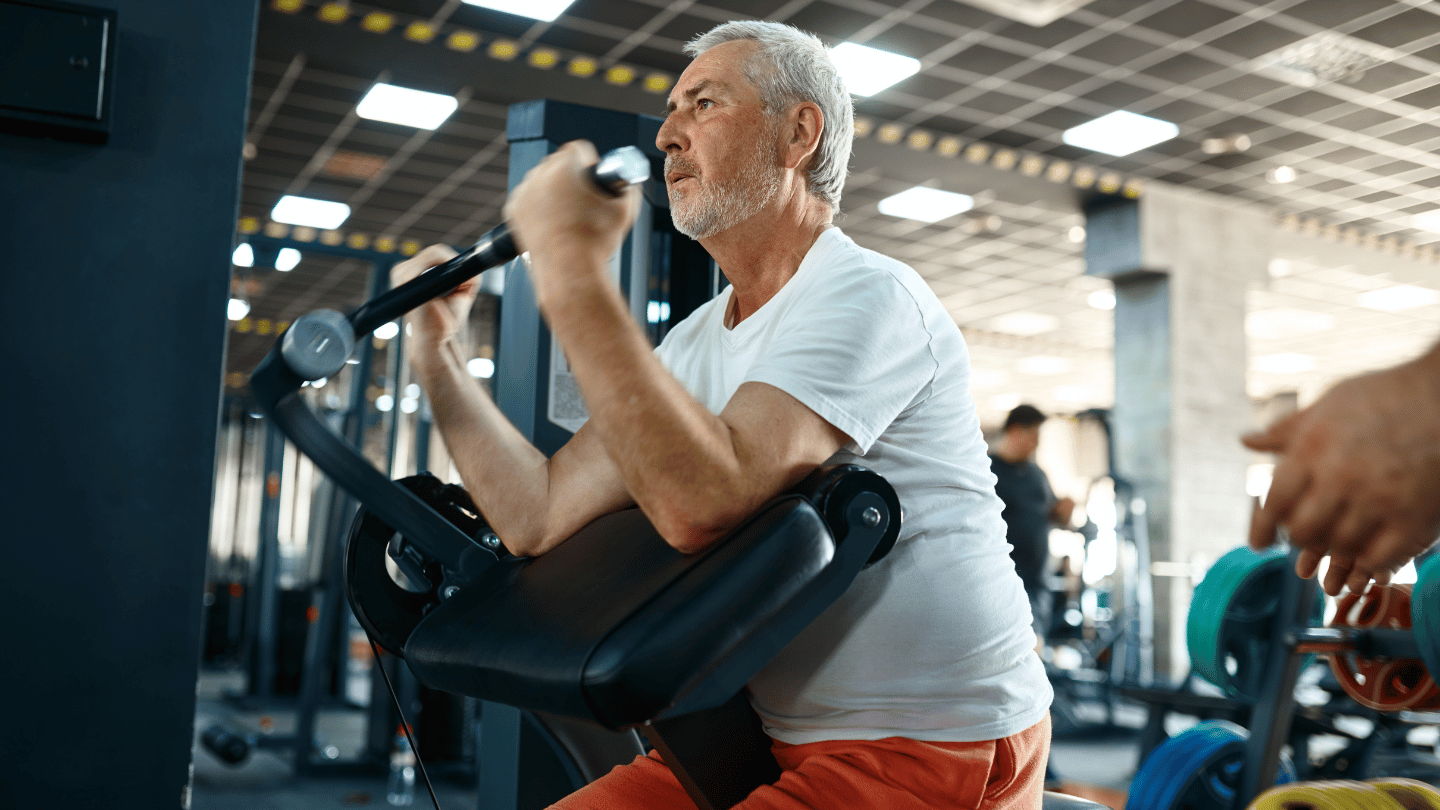
You used to be in great shape. You lifted weights, ran, played sports; whatever it was, you were active and strong. Then life happened. Work got busy. You had kids. You got injured. Years went by. Now you're looking in the mirror, wondering how to get back to where you were.
Here's what you need to know: getting back in shape after years off is different than starting from scratch. Your body remembers more than you think, but you can't just pick up where you left off. At Hideout Fitness in Orange County, we work with people in this exact situation all the time. Here's how to actually make your comeback.
Why Getting Back in Shape Is Harder Than Starting Fresh (And What to Expect)
Let's be honest: returning to fitness after years off is harder than starting fresh, and here's why.
- Your body has changed since you last worked out: You're older. Your metabolism is different. You might have gained weight, lost muscle, or developed aches and pains that weren't there before. Your recovery takes longer. What used to be easy now feels hard.
- Muscle memory: How fast can you regain lost fitness? Research shows it generally takes about half as long to regain lost muscle and strength as it did to lose them.
- Mental barriers to restarting exercise after years off: The physical part is only half the battle. The mental side is harder. You remember what you used to be capable of, and comparing your current self to your former self feels terrible. You're embarrassed to go back to the gym. You're afraid people will judge you.
Those feelings are normal. Everyone at Hideout Fitness who's been in this situation has felt exactly the same way. The key is accepting where you are right now and moving forward from there.
Step 1: Assess Your Current Fitness Level After Years Off
Before you do anything else, you need to figure out where you actually are. Not where you were, not where you want to be, but where you are right now. Don't compare yourself to your former athletic self This is the hardest part for most people. You remember benching 225 or running a 6-minute mile, and now you can barely do 20 pushups. That comparison will kill your motivation if you let it.
Here’s a simple fitness test to gauge where you're starting. Try these basic assessments to establish your baseline:
- How many pushups can you do with good form?
- Can you hold a plank for 30 seconds?
- Can you do 10 bodyweight squats with a full range of motion?
- Can you walk a mile without getting winded?
These aren't tests you pass or fail, but more like information about where you're starting.
Step 2: Start Small When Returning to Exercise After a Long Break
The single biggest mistake people make when getting back in shape is doing too much too soon. You feel motivated, you want results fast, so you try to train like you used to. Then you get hurt or burned out and quit. Or possibly even injured.
- Begin with bodyweight exercises and low-impact movement Start with movements your body can handle right now. Bodyweight squats, pushups (or knee pushups), planks, walking, light resistance bands. Build your foundation before you add heavy weight or high intensity.
- How many days per week should you work out when restarting? Three days per week is perfect when you're coming back. This gives you recovery time between sessions, which your body needs more than it used to. As you build back your fitness, you can add more days.
- Progressive overload: The key to getting stronger is doing slightly more over time; more reps, more weight, more sets. But the increases should be small and gradual. If you jumped from 10 pushups to 50 pushups in one week, you did too much.
Step 3: Build Consistency Before Intensity When Getting Back in Shape
Results don't come from one perfect workout. They come from showing up consistently over weeks and months.
- The 80% rule: Show up even when you don't feel like it. You don't need to crush every workout. You just need to show up. Even a mediocre workout is better than skipping. Aim to hit 80% of your planned workouts, and you'll make real progress.
- Creating a sustainable workout schedule for busy professionals: If you're working full-time in Orange County, raising kids, or managing a packed schedule, you can't train like a college athlete. Pick a schedule you can actually stick to. Three 45-minute sessions per week beats a plan for six 90-minute workouts that you'll never complete.
- How long does it take to build a workout habit? It takes about 6 to 8 weeks of consistent training for exercise to feel like a normal part of your routine instead of something you have to force yourself to do. Push through those first two months, and it gets easier.
5 Common Mistakes People Make When Restarting Their Fitness Journey
We see these patterns constantly at Hideout Fitness with people returning to training.
Mistake #1: Doing too much too soon after a layoff
You're excited and motivated, so you train six days a week right out of the gate. Within two weeks, you're exhausted, sore, and injured. Start small. Build gradually.
Mistake #2: Following your old workout program
The program that worked when you were 25 won't work now. Your recovery is slower. Your joints need more care. Your schedule is different. You need a program built for where you are now.
Mistake #3: Skipping warm-ups and mobility work
When you were younger, you could jump straight into heavy squats. Now you need to warm up properly and work on mobility. Skipping this leads to injury.
Mistake #4: Not adjusting your diet and nutrition
You can't out-train a bad diet, especially as you get older. If you're eating the same way you did in college but training less, you won't see results. Check out whether hiring a personal trainer makes sense; most include nutrition guidance.
Mistake #5: Trying to do it alone without professional guidance
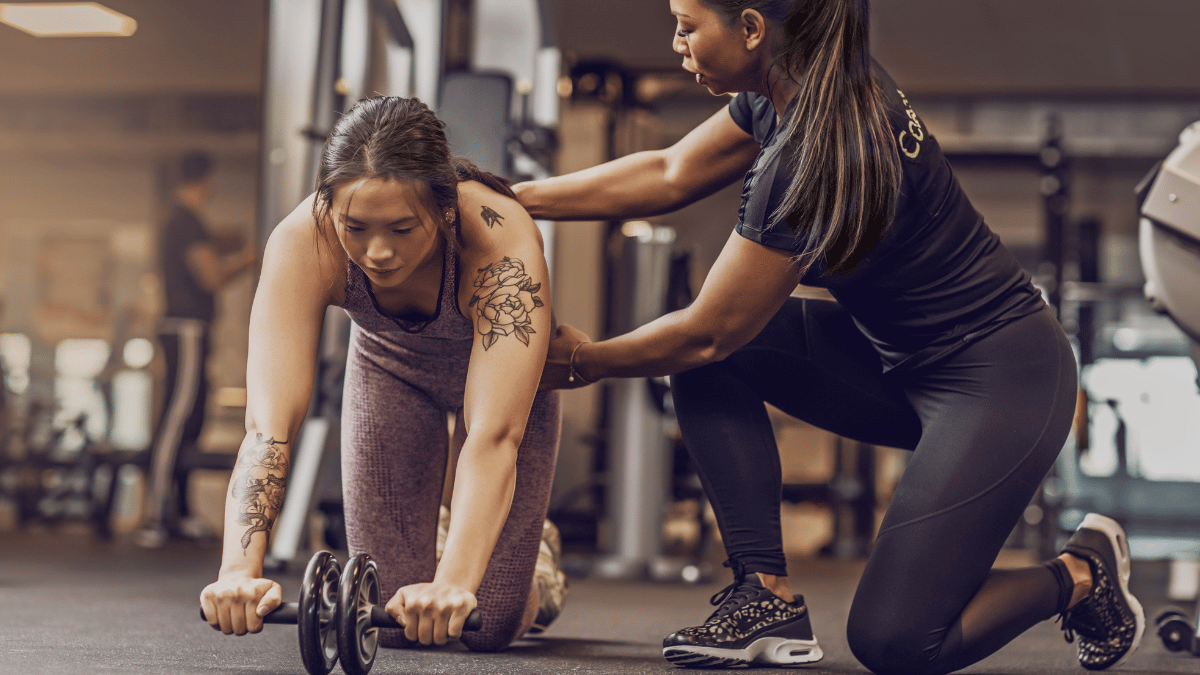
Trying to figure everything out yourself wastes time and often leads to frustration or injury. A good trainer builds a program for your current fitness level, keeps you accountable, and adjusts as you progress.
Why Hiring a Personal Trainer Helps You Get Back in Shape Faster in Orange County
Here's why working with a trainer accelerates your comeback:
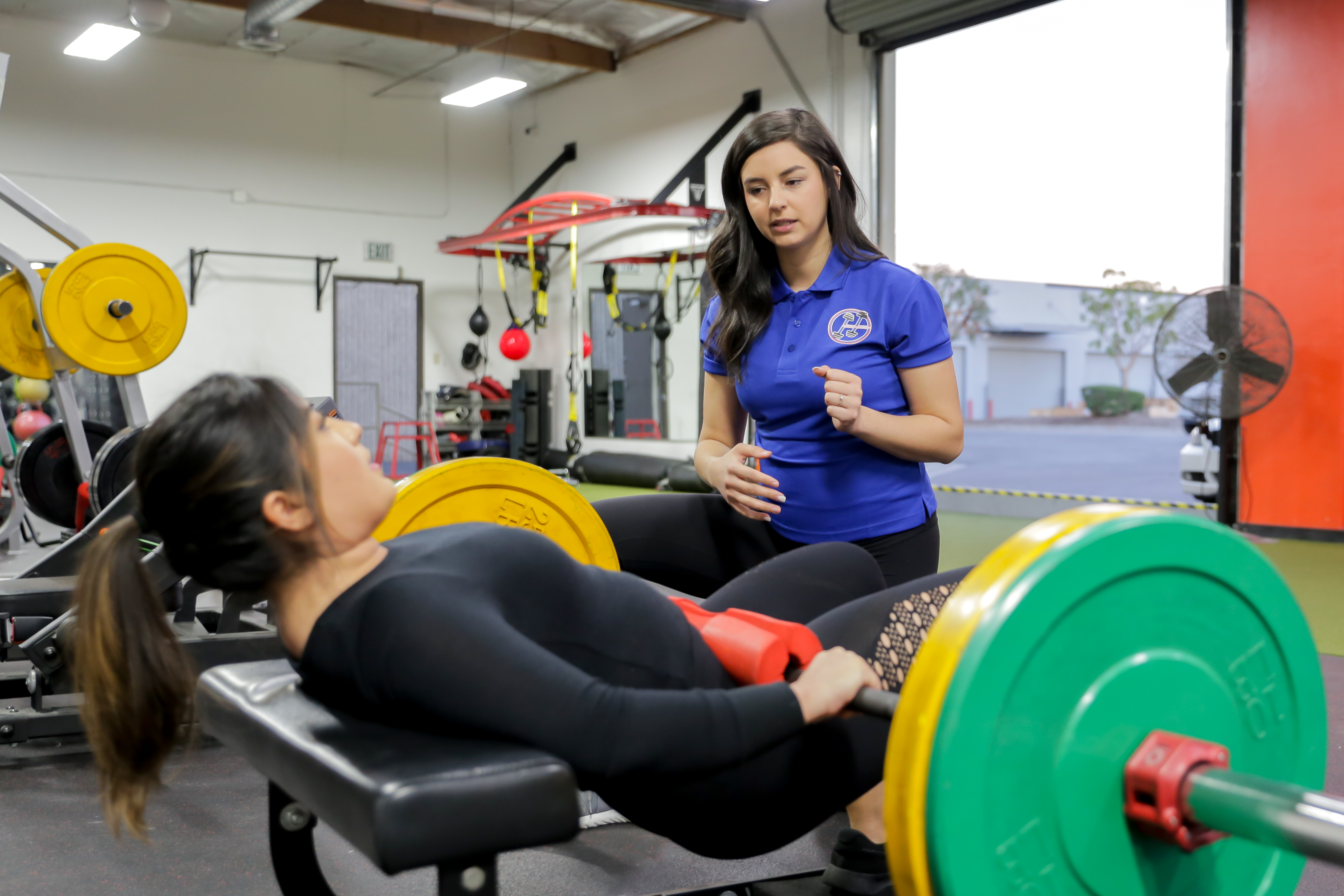
Personal trainers create safe, customized comeback plans
A trainer assesses where you are, builds a program that matches your current abilities, and progresses you safely. You're not guessing what to do or risking injury by doing too much.
Accountability: The missing piece when working out alone
It's easy to skip a workout when you're training alone. It's much harder to skip when a trainer is expecting you. That accountability keeps you consistent, which is what gets results.
Expert guidance prevents injury when returning to exercise
Muscle size typically returns within 6 to 12 weeks of resumed training, depending on the length of your break and previous training level. A trainer makes sure you're using proper form, managing intensity correctly, and avoiding movements that could hurt you.
How much faster can you get results with a personal trainer?
People working with trainers typically see results 50% faster than people training alone. That's because trainers eliminate wasted effort, keep you consistent, and adjust your program based on how you're responding.
How Hideout Fitness in Irvine Helps Orange County Residents Return to Fitness
At Hideout Fitness, we specialize in working with people who are getting back in shape after years off. Here's how we help:
Assessment-based training for people returning to fitness
We start with a real assessment of where you are, not where you were, not where you think you should be. Then we build your program from there.
Expert coaches who understand the psychology of comebacks
Our coaches are Marine Corps veterans and NCAA athletes who've been through their own comebacks. They understand the mental side of returning to training after time off.
Private and semi-private training options in Irvine
We offer both private one-on-one training and semi-private small group sessions. Pick what fits your budget and your goals. Both give you expert coaching and real accountability. If you can;t swing by the gym for a bit, consider our online training, too.
Success stories: Orange County residents who got back in shape at Hideout
We've worked with former college athletes, busy professionals, parents who took years off, and people who haven't trained since high school. All of them came back stronger than they expected. You can read about some of their transformations, including women who rebuilt their strength after life got in the way.
If you're ready to get back in shape, book a free consultation. We'll figure out where you are, where you want to go, and exactly how to get there.


.jpg)
.jpg)
























.png)



.png)




.png)
.png)
.png)
