
The scale jumps three pounds overnight, and you swear you did everything right. One week your workouts feel unstoppable, and the next you're gassed halfway through the same session. Sound familiar? Your menstrual cycle is very likely part of the story. The hormones that rise and fall across your cycle affect your water weight, your appetite, your energy, and how fast you recover. Here's the good news: once you can see the pattern, you can stop stressing over normal fluctuations and start working with your body. At Hideout Fitness in Irvine, it's one of the most freeing things we help our female clients figure out.
The 4 Phases of Your Menstrual Cycle
Your cycle runs about 28 days on average, though anywhere from 21 to 35 is totally normal, and it moves through four phases driven by shifting hormones, per the Cleveland Clinic:
- Menstrual phase (your period): Hormones bottom out. Some women feel wiped or crampy, others feel perfectly fine.
- Follicular phase (the first half, before you release an egg): Estrogen (the hormone that dominates the first half of your cycle) climbs. Energy and mood often climb with it.
- Ovulation (mid-cycle, when an egg is released): Estrogen peaks, usually around the middle of your cycle. This is when a lot of women feel their strongest.
- Luteal phase (the back half, after ovulation and before your period): Progesterone (the hormone that rises in the second half) takes over. This is the PMS stretch where cravings and fatigue tend to creep in.
Cycles vary a ton from woman to woman, and even month to month for the same person. These are general patterns, so don't stress if yours looks a little (or a lot) different.
How Your Menstrual Cycle Affects Your Weight (Water Weight Explained)
The weight swings around your cycle are almost always water, not fat.
In the luteal phase (that back half before your period), rising progesterone makes your body hold onto more water. That can bump the scale up a few pounds and leave you feeling puffy and bloated, and it has absolutely nothing to do with fat gain. It clears out on its own once your period starts. Cravings and appetite usually ramp up here too, which is normal biology, not a lack of willpower, so go easy on yourself.
Now the part that matters most for your sanity: a weigh-in in your late luteal phase or during your period will read higher than your true trend, purely from water. That's exactly why obsessing over the daily number will drive you up a wall, something we get into in why does my weight fluctuate.
If you like weighing in, compare the same point in your cycle month to month. Better yet, judge progress by how your clothes fit, your measurements, and your progress photos, the case we make in why BMI is a terrible way to measure your health.
Can Your Period Affect Your Workout Performance?
Here's where you have to watch out for the hype. A ton of "cycle syncing" content online promises exact rules for when to train hard, but the real research is more modest, and a lot more honest.
A large systematic review in Sports Medicine found that performance might dip a tiny bit early in your cycle, during your period, but the effect was small, varied hugely from woman to woman, and wasn't strong enough to build one-size-fits-all rules around.
Translation: yes, your cycle can absolutely influence how you feel and perform, but how much is deeply personal to you.
That said, many women do notice a pattern: more energy and strength in the follicular phase and around ovulation, and more fatigue, higher perceived effort, and worse sleep in the luteal phase before their period. Both experiences are valid. The smart move isn't to follow a rigid chart, it's to learn your own.
How to Work Out Based on Your Cycle Phase
Instead of forcing yourself through every workout at the same intensity, work with where you are:
Working Out in Your Follicular Phase and Ovulation
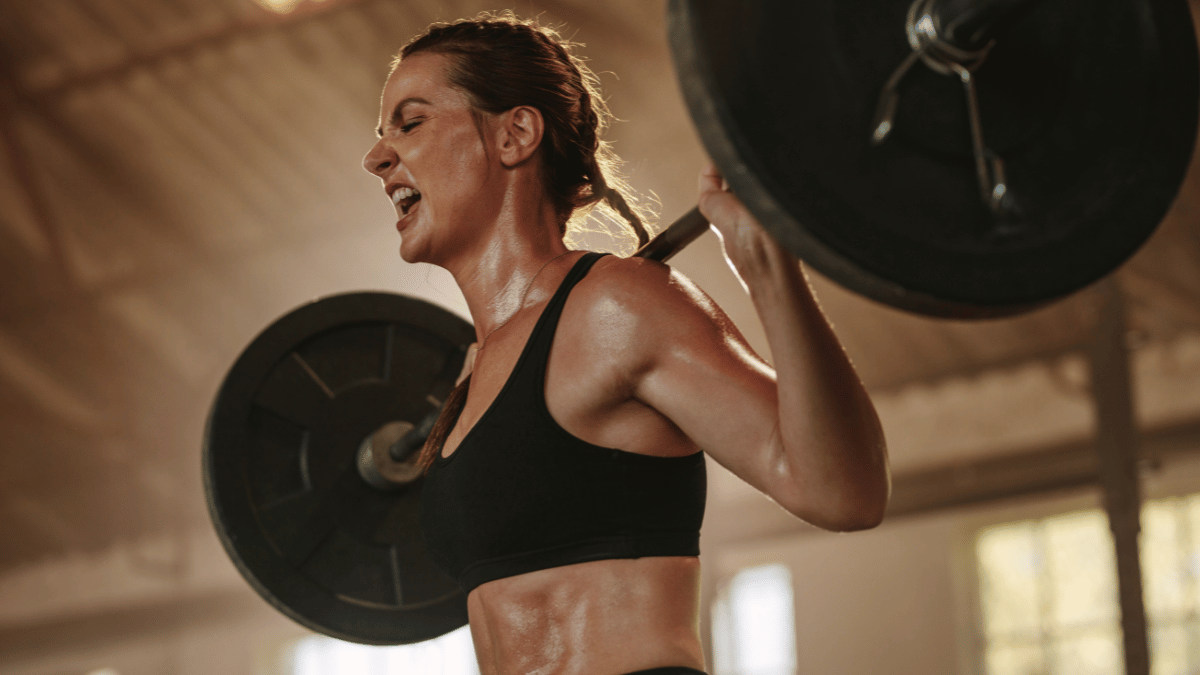
This is often the best time to push. Chase progressive overload, go for personal records, and program your hardest strength sessions here.
Working Out in Your Luteal Phase
Keep training, but give yourself permission to dial back the intensity if you need to. This is a natural spot for a lighter or deload week, and prioritizing sleep and recovery matters more than ever. Our guide on the signs you need a rest day helps you read your body.
Working Out During Your Period
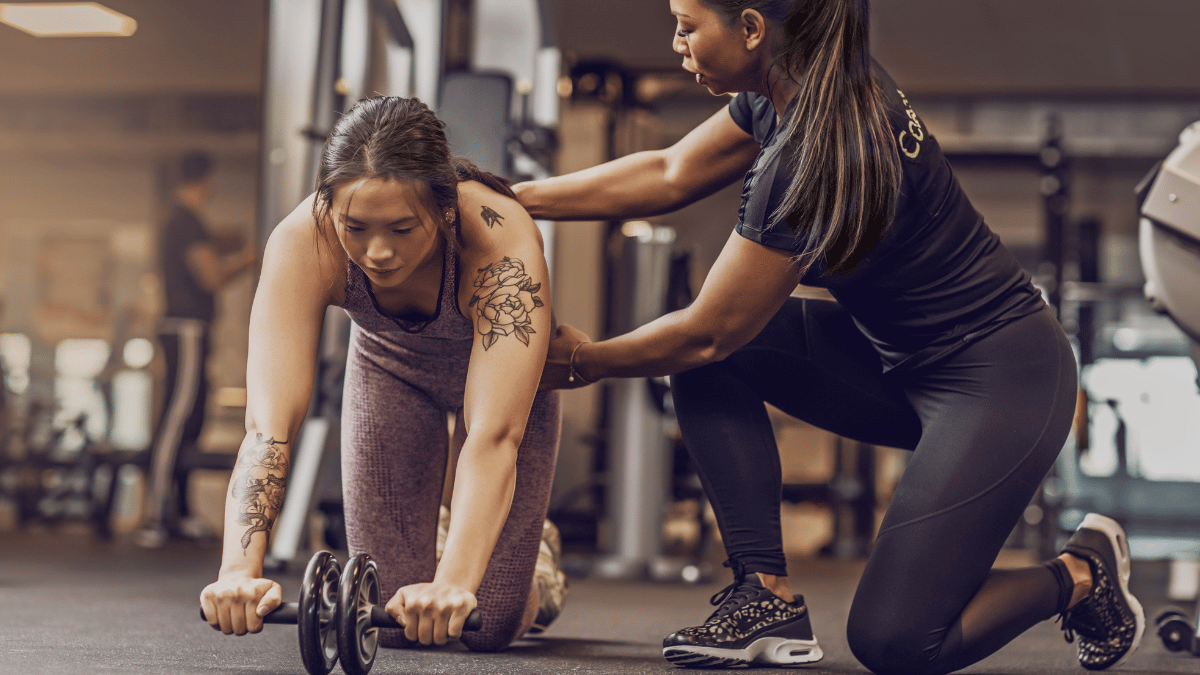
Do what feels right. Some women train normally; others prefer gentle movement like walking or lighter lifting. Movement can actually ease cramps, so you don't have to skip the gym unless you want to.
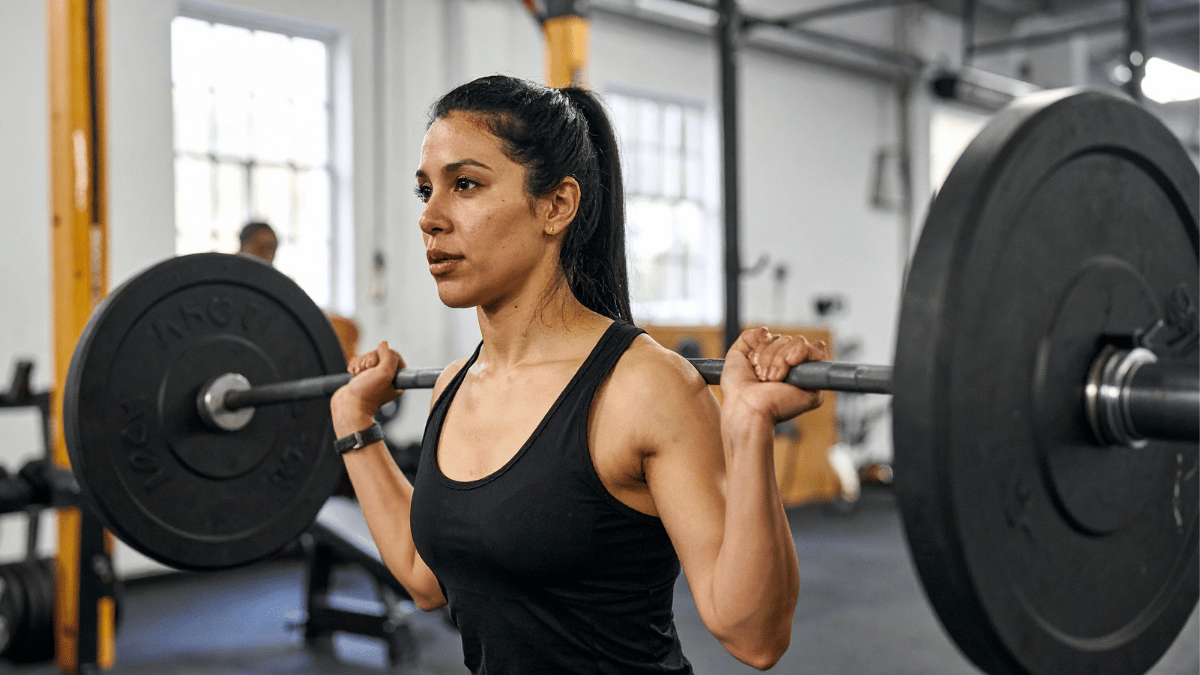
The real key is consistency across the whole cycle. Strength is built over months, so a slightly lighter luteal week won't set you back, and it's covered in our guide to strength training for women. Track how you feel over a few cycles, and you'll spot your own rhythm.
Period Symptoms That Warrant a Doctor's Visit
You know your body, so trust it when something feels off. A few things are worth a conversation with your doctor: very heavy bleeding, severe pain, cycles that are all over the place, or PMS bad enough to disrupt your life (which can point to PMDD, a more severe form of PMS). It's also worth flagging if your period disappears completely (called amenorrhea), since that can be a sign of under-eating or overtraining. Your fitness should build your health up, never chip away at it.
How Hideout Fitness in Irvine Helps
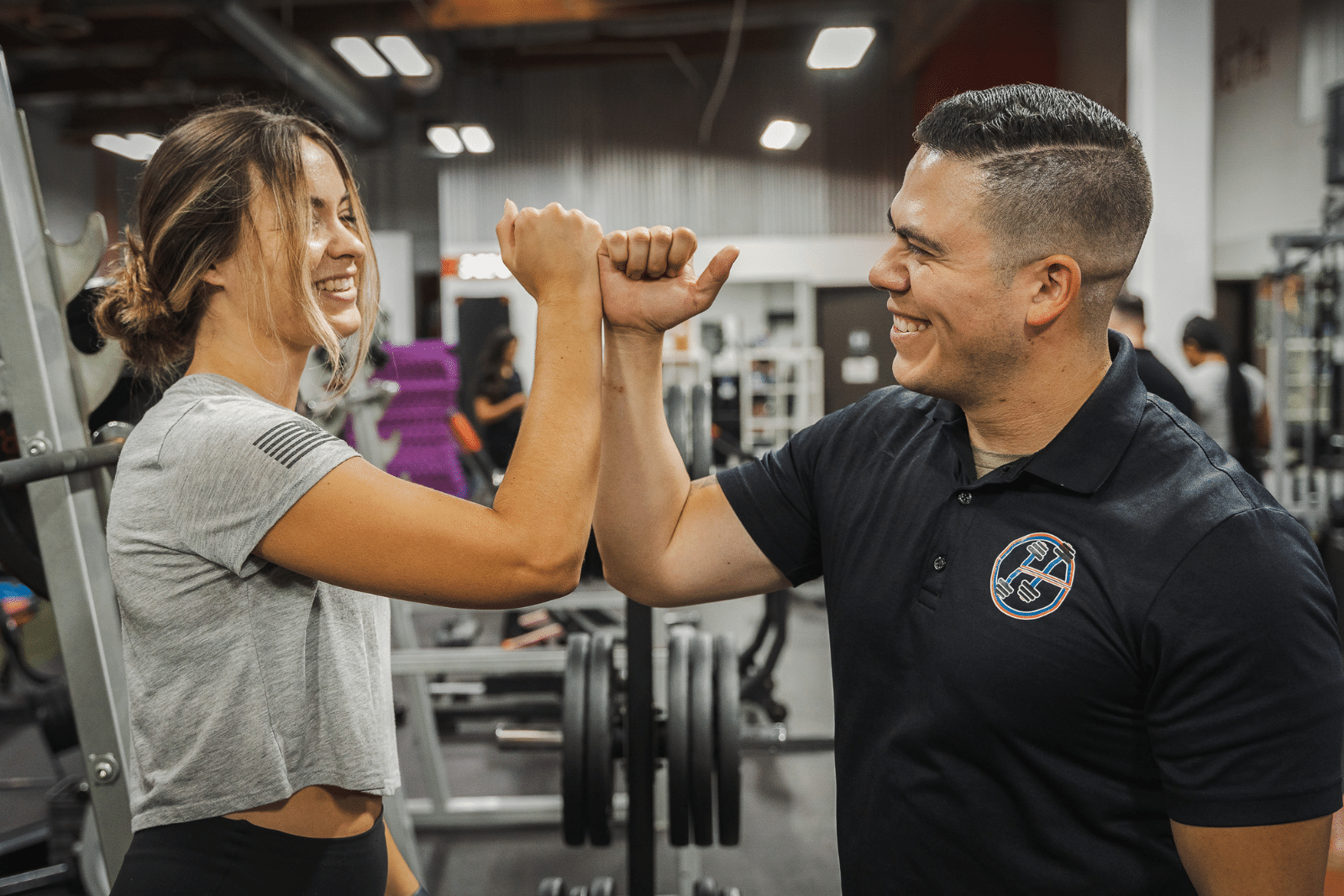
Every woman's cycle is different, which is exactly why a personalized approach beats a generic program. At Hideout Fitness in Irvine, our coaches build training and nutrition around your body, your energy, and your goals, then adjust as needed so you keep progressing without burning out. We also track progress the right way, beyond the scale, so a normal water-weight week never derails your motivation. Learn more about personal training for women in Orange County, or train with us in private, semi-private, or online coaching.

.jpg)
.jpg)





.png)












.png)


.png)




.png)
.png)
.png)

