
For decades, creatine was seen as a "guys' supplement." Something bodybuilders took to bulk up. Something women were warned to avoid because it would make them "bloated," "bulky," or damage their kidneys.
Every one of those warnings was wrong.
Creatine’s one of the most researched supplements in the world, and the science now clearly shows women benefit at least as much as men, and possibly more. In 2025, the International Society of Sports Nutrition published a comprehensive review of creatine for women's health, and the message was clear: women have been left out of the conversation for too long, and it's time to catch up.
At Hideout Fitness in Irvine, our coaches recommend creatine to female clients across Orange County who are strength training, navigating perimenopause, or just trying to build lean muscle. Here's what the research actually says, and how to use it safely.
What Is Creatine?
Creatine is a small molecule your body already makes. Your liver and kidneys produce about a gram of it every day, and you get another small amount from foods like beef and fish. Your muscles store it, and so does your brain.
Its job is simple: when your muscles need a quick burst of energy (like a heavy lift, a sprint, or a jump) creatine helps recycle the fuel your cells use to fire. More stored creatine means more available energy for high-intensity work.
Supplementing with creatine just tops off the stores your body already uses. That's it. There's no dark magic. No hormonal manipulation. No synthetic drug. It's a naturally occurring compound your body relies on every day.
Why Women Have Been Told to Avoid Creatine (And Why It's All Wrong)
For years, women were warned off creatine for reasons that either weren't true or were based on outdated science:
Myth #1: "Creatine will make you bulky."
Women physiologically can't get "bulky" from creatine. Building visible muscle mass requires high testosterone, tons of calories, and years of specific training. Creatine just helps you recover better and get stronger, which usually shows up as a leaner, more sculpted look, not a bigger one.
Myth #2: "Creatine damages your kidneys."
This came from a few case reports decades ago that never held up under scrutiny. The ISSN's official position stand states clearly that creatine has no signal of kidney damage in healthy adults at recommended doses.
The exception: people with pre-existing kidney disease should check with their doctor, but that's true for any supplement.
Myth #3: "Creatine causes hair loss."
This traces back to a single 2009 rugby study that showed a small hormone shift and never actually measured hair loss. No follow-up study has ever confirmed a link, in women or men.
Myth #4: "Creatine makes you bloated and gain weight."
Research on women specifically doesn't find lasting weight gain. Some women notice small water retention in muscle cells (not under the skin) in the first couple weeks, but it doesn't lead to bloating or long-term scale changes.
The bottom line: every major creatine myth aimed at women has been debunked. The people warning you away were repeating outdated warnings, not sharing current science.
Why Women May Actually Benefit From Creatine More Than Men
Here's the interesting twist: emerging research suggests women may be even more responsive to creatine than men.
Women start with lower stores
On average, women have 70-80% lower baseline creatine levels in their muscles than men. They also tend to eat less red meat and fish (the main dietary sources), so their bodies are running with less creatine to work with. Adding some through supplementation may deliver bigger noticeable benefits than the same dose would for a man.
Women lose muscle faster after 40
During and after perimenopause, muscle loss accelerates. Creatine paired with strength training is one of the few interventions with real evidence for preserving muscle and bone during this transition.
Women often need more brain support
New research shows creatine benefits extend to the brain: improving cognition, mood, and sleep-deprived thinking. Women are more likely to experience depression, sleep disruption, and brain fog during hormonal shifts, so this matters.
The 6 Real Benefits of Creatine for Women
1. More Strength and Muscle Preservation
The best-documented benefit. Combined with resistance training, creatine helps you lift heavier, recover faster, and preserve or build lean muscle. This matters especially for women dealing with the muscle loss that comes with aging or perimenopause.
2. Better Recovery Between Workouts
Creatine helps your muscles bounce back faster between sessions. That means fewer days feeling wrecked and more days you can actually train hard.
3. Improved Bone Density
Emerging research suggests creatine, paired with strength training, may help protect bone density, which is critical for women approaching perimenopause and menopause.
4. Cognitive Benefits
Creatine helps fuel your brain the same way it fuels your muscles. Studies show it improves memory, reasoning, and thinking under sleep deprivation. Especially helpful during stressful, poor-sleep phases of life.
5. Support During Perimenopause and Menopause
Because creatine supports muscle preservation, bone health, brain function, and mood (the exact systems most affected by declining estrogen) it's become one of the most recommended supplements for women in their 40s, 50s, and beyond.
6. Better High-Intensity Performance
If you do HIIT, sprints, or explosive lifts, creatine measurably improves your ability to push hard in short bursts. That means more productive workouts in less time.
How to Actually Take Creatine (The Simple Version)
You don't need to overcomplicate this.
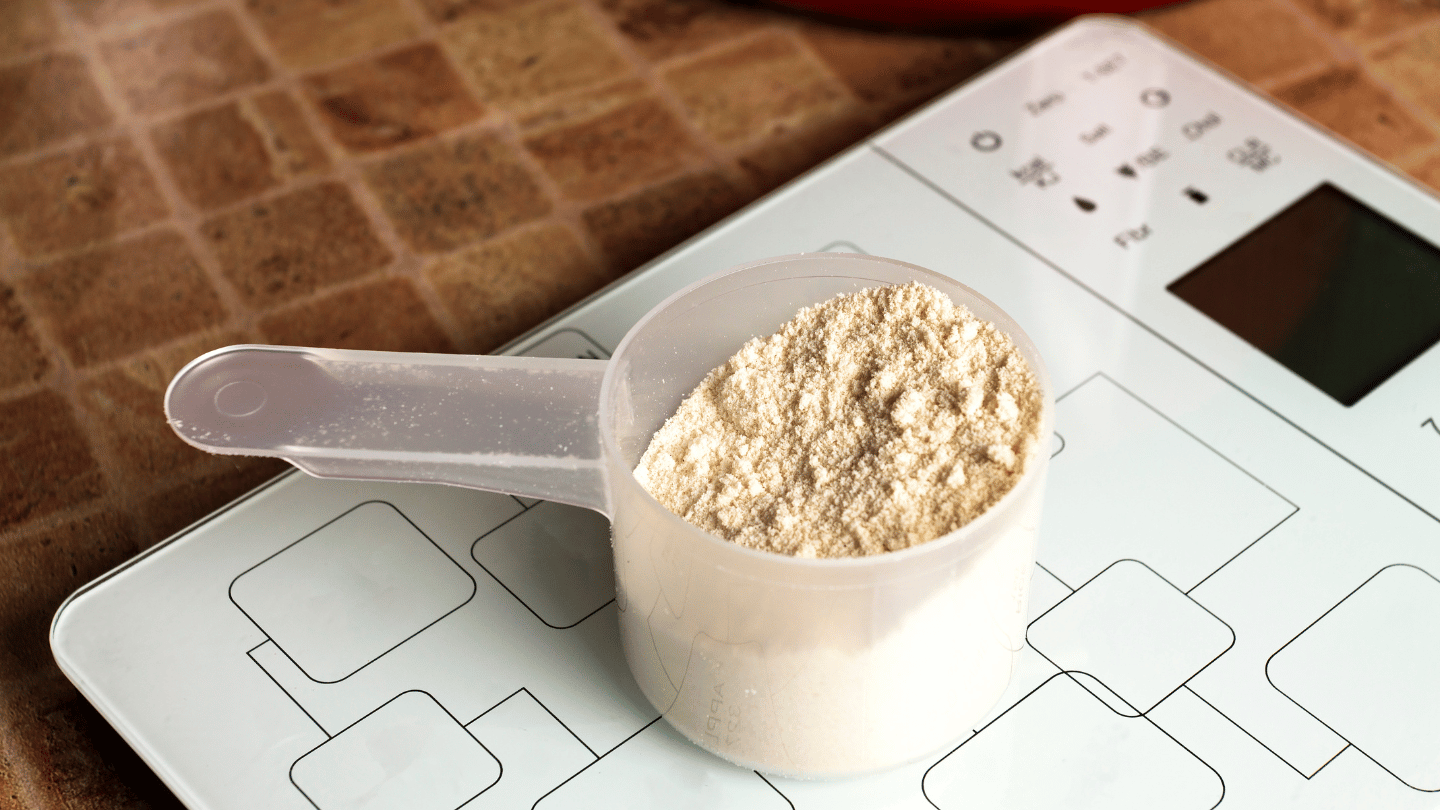
- Type: Creatine monohydrate. That's it. Ignore fancy blends, "advanced" formulas, or anything marketed as a special female version. Basic creatine monohydrate has all the research behind it. And it's the cheapest.
- Dose: 3-5 grams per day, every day. No loading phase required. Just take it daily and let it build up in your muscles over 3-4 weeks.
- When: Any time of day works. Some studies suggest slightly better results post-workout, but consistency matters far more than timing.
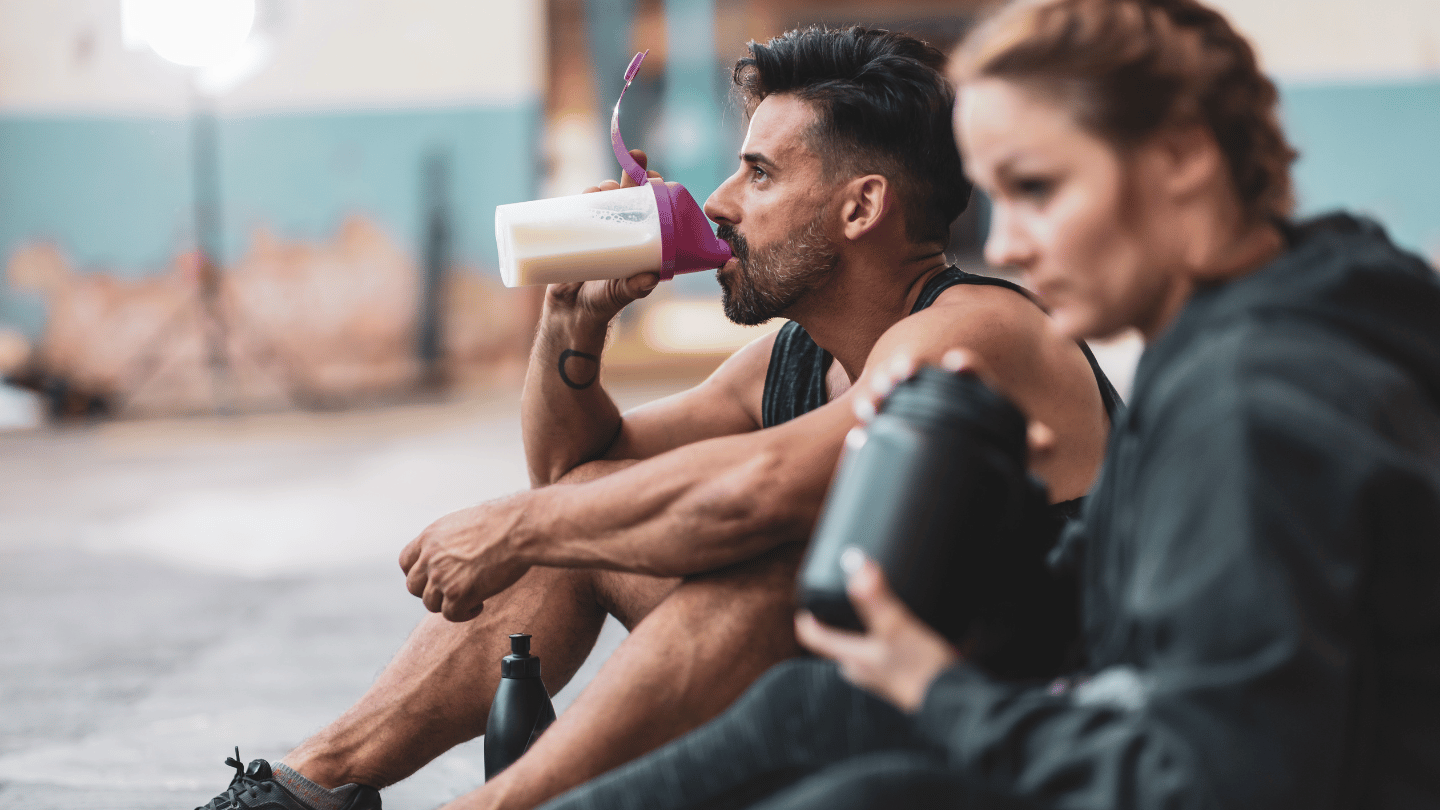
- How: Mix it into water, coffee, or a protein shake. Take it with food if it upsets your stomach on an empty stomach.
- What to look for on the label: Look for "Creapure" branded creatine if you want the gold standard for purity. Otherwise, a third-party tested product from a reputable brand is fine.
- Cost: A 6-month supply usually runs $20-40. It's one of the cheapest supplements you can buy, and one of the few worth taking.
The Nutrition and Training That Actually Matter More Than Creatine
Creatine is a helper, not a hero. Here's what needs to be in place first:
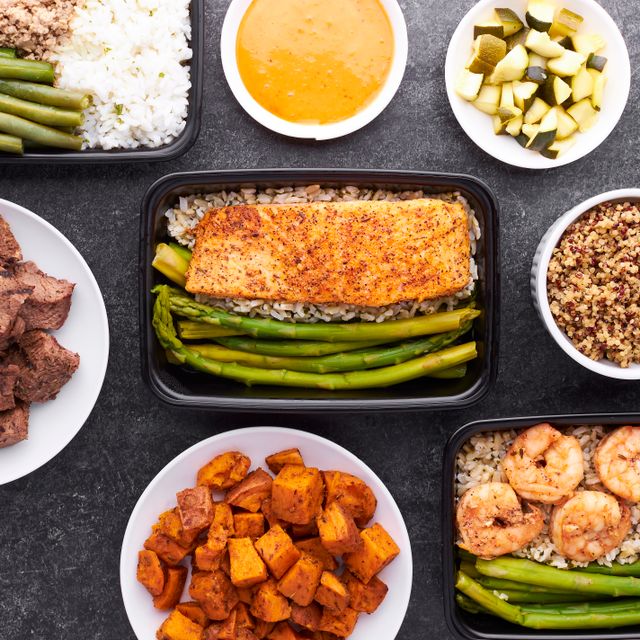
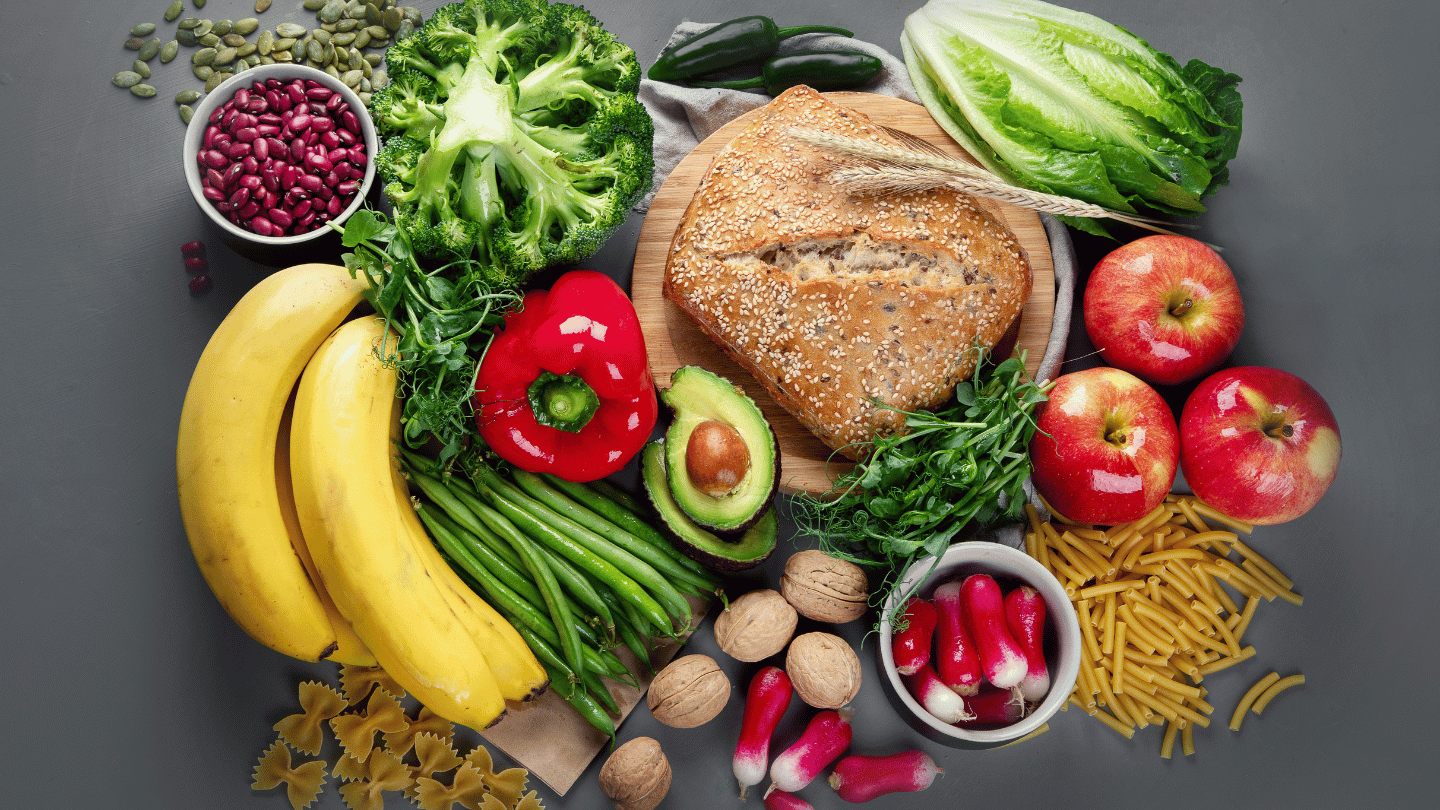
- Enough protein. Aim for 0.8-1 gram per pound of goal bodyweight daily. Most women eat far too little. A personalized meal plan makes this much easier to hit consistently.
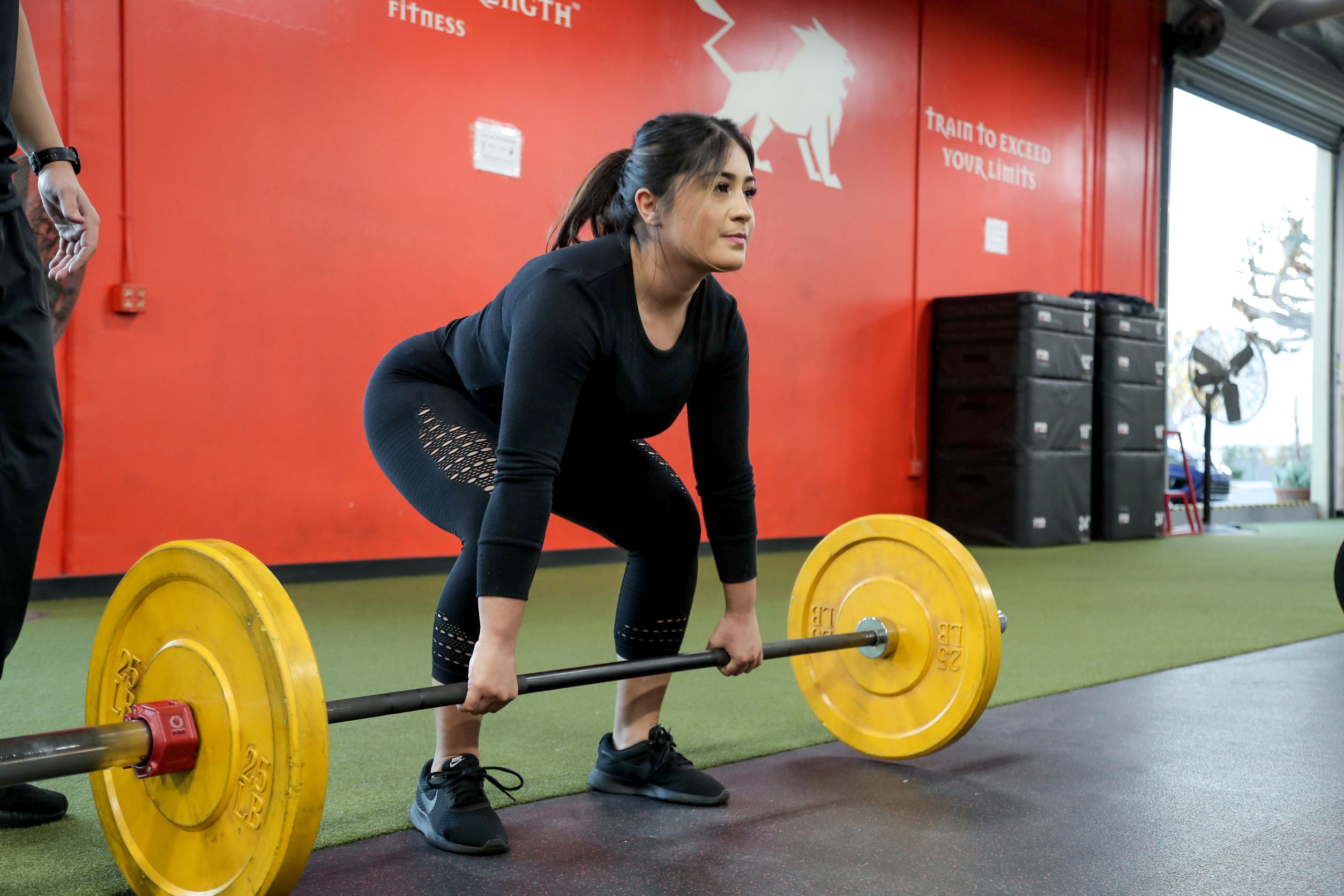
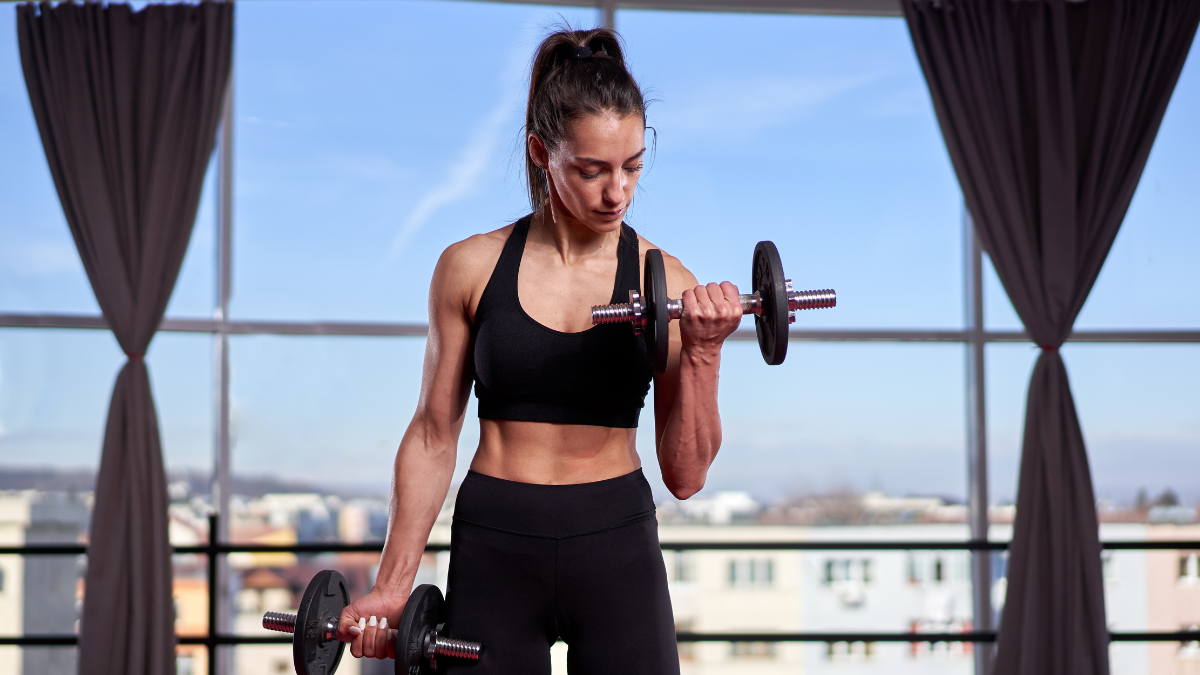
- Strength training 2-3 times per week. Compound lifts (squats, deadlifts, presses, rows) drive the vast majority of your results. Creatine amplifies those adaptations; it doesn't replace them.
- Consistent sleep. 7-9 hours nightly. This is where most recovery happens.
- Enough calories. Chronic under-eating undoes almost every strength adaptation, creatine or no creatine.
If those four are dialed in, creatine adds meaningful value. If they're not, no supplement will save you.
How Personal Trainers at Hideout Fitness in Irvine Build Programs for Women
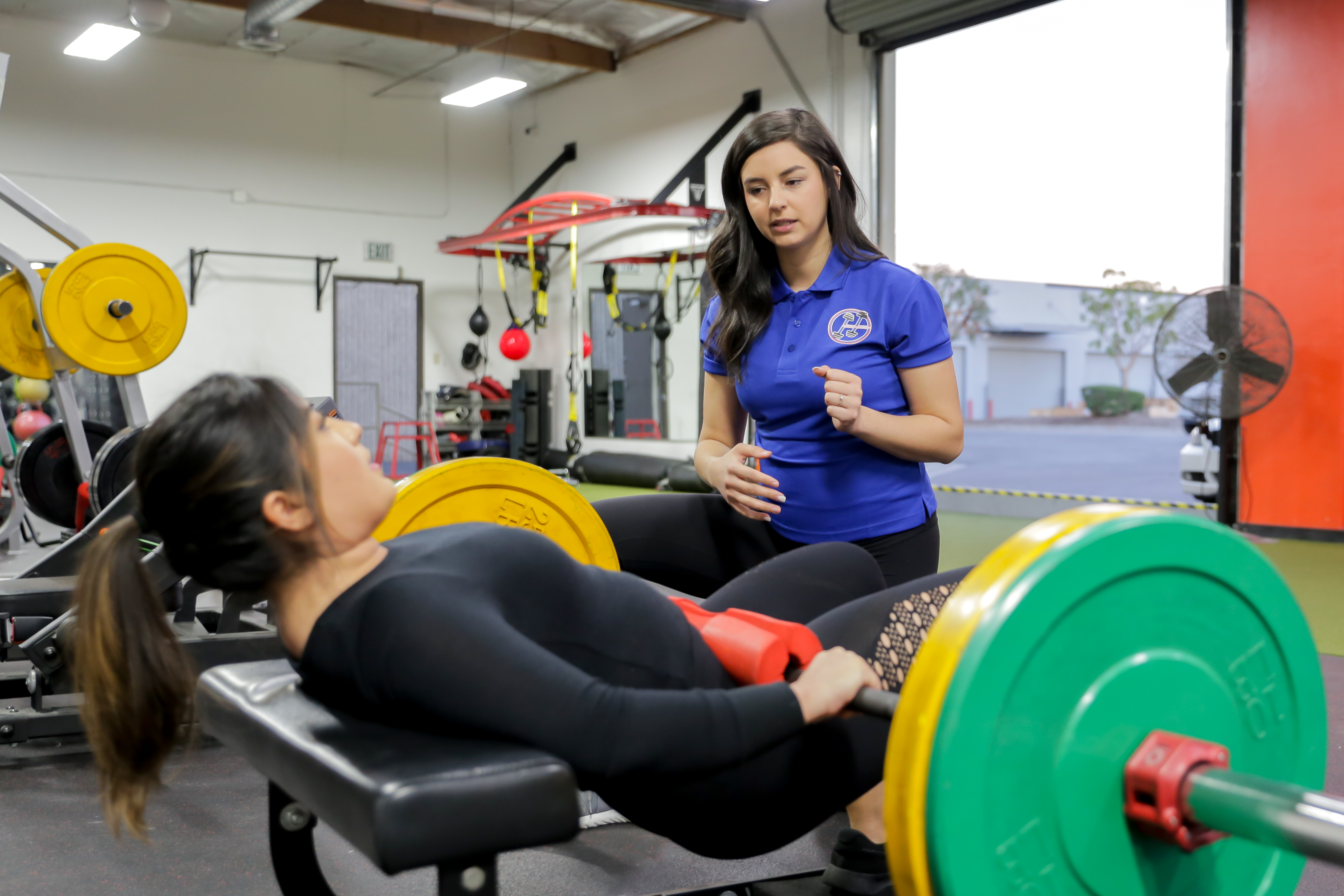
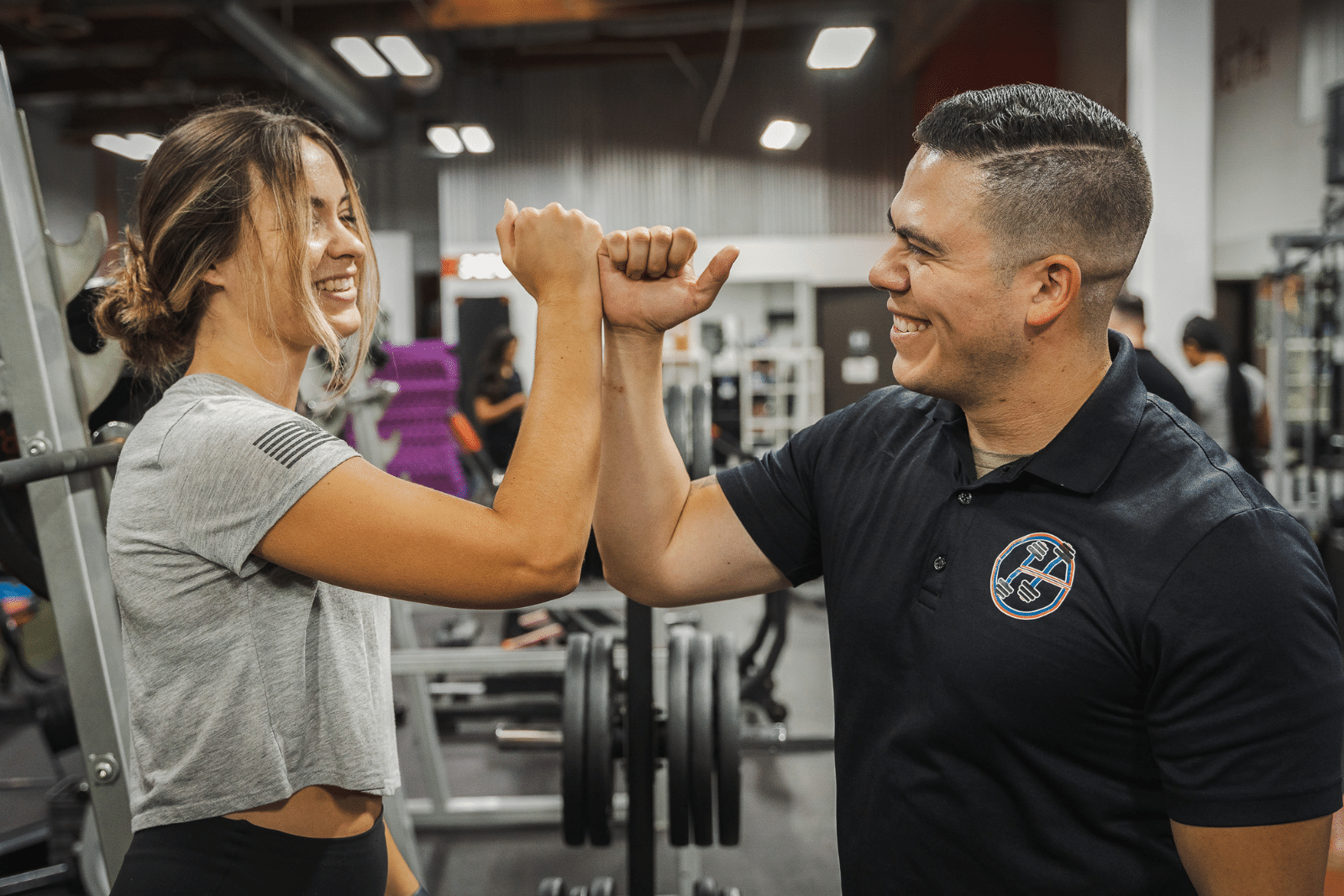
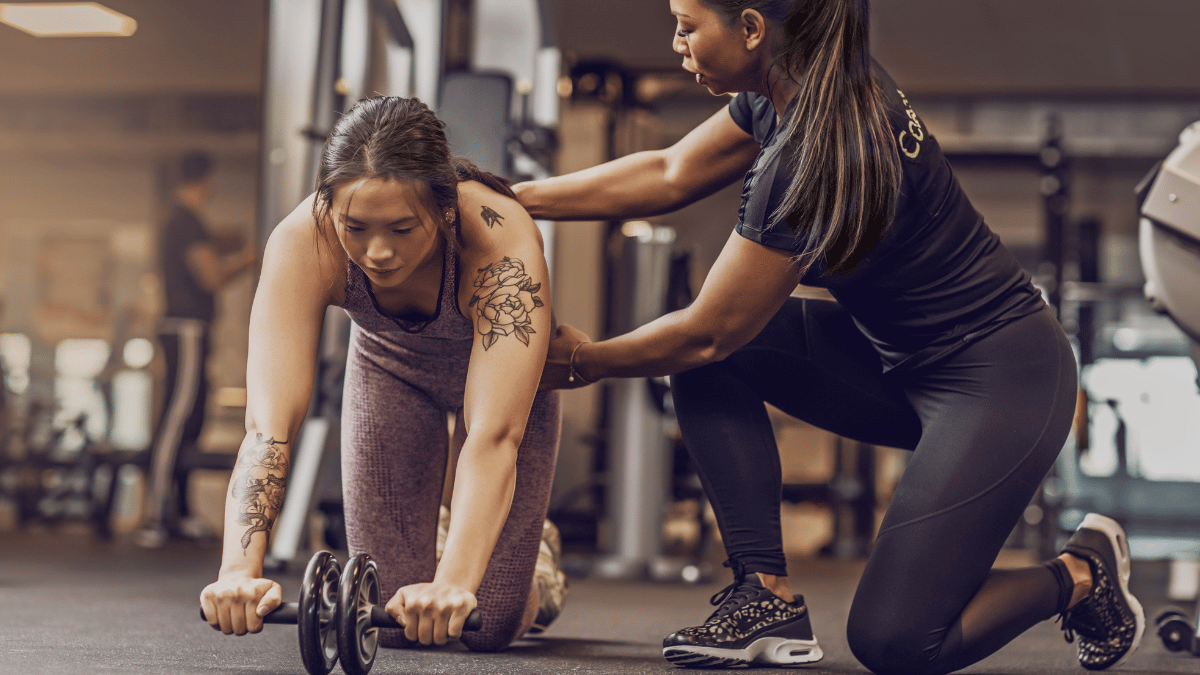
The coaches at Hideout Fitness, including Coach Chay (CSCS, women's fitness specialist) and Coach Emily (women's training specialist), build strength and nutrition programs specifically for women across Orange County, whether you're new to lifting, navigating perimenopause, or trying to preserve muscle while losing fat.
Every Hideout program for women includes:
- A structured strength training plan built around compound lifts and progressive overload
- A personalized meal plan calibrated to your protein and calorie needs
- Body composition tracking so you can see whether you're losing fat, building muscle, or both
- Coaches who know what works for women's bodies at every life stage
- Evidence-based supplement guidance (including whether creatine makes sense for you)
Whether you prefer private training or the value and camaraderie of semi-private sessions (30% savings vs. private), we've got you.
We're Closer Than You Think!
Located at 16510 Aston St in the Irvine Business Complex (just minutes from John Wayne Airport, UCI, and the Irvine Spectrum) we serve women from across Orange County:
- Costa Mesa: about 8 minutes (4 miles)
- Newport Beach: about 12 minutes (7 miles)
- Tustin: about 10 minutes (5 miles)
- Santa Ana: about 12 minutes (6 miles)
- UCI / University Park: about 8 minutes (4 miles)
- Lake Forest: about 15 minutes (10 miles)
- Most of Irvine (Woodbridge, Quail Hill, Turtle Rock, Northwood, Westpark, Woodbury): under 10 minutes
Creatine is a small piece of the puzzle. Real results come from the right training, the right nutrition, and the right coach.


.jpg)
.jpg)






.png)














.png)


.png)




.png)
.png)