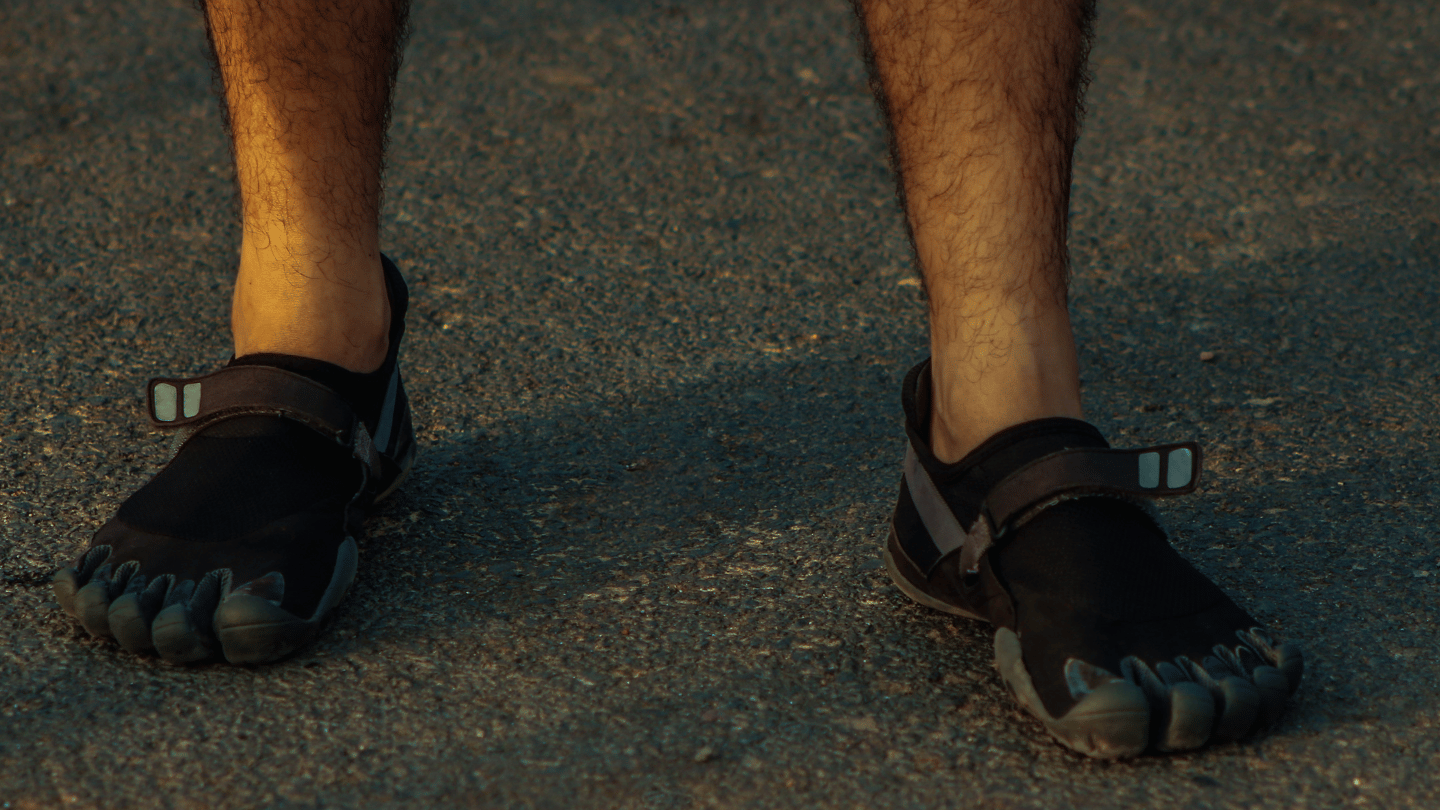
Winter is training season for Orange County runners. The Surf City Marathon takes over Huntington Beach on February 7, and the OC Marathon starts at Fashion Island in Newport Beach on May 2. That means a lot of people around Irvine are already logging early miles on the San Diego Creek Trail and around the Back Bay. Most runners only focus on running more.
But the runners who show up to race day healthy and strong usually have one more thing in their plan: strength training. Here's why lifting matters for runners and how to add it without wrecking your legs before your long runs.
Why Runners Need Strength Training Too
Running is a 'repeat-the-same-motion' sport. Every mile equals hundreds of landings. Each one of those sends force up through your feet, knees, and hips. If the muscles around those joints aren't strong enough to absorb it, the joints and tendons take the hit. That's where shin splints, runner's knee, and IT band pain come from.
Strength training totally fixes that. A major review in the British Journal of Sports Medicine looked at 25 studies with more than 26,000 people and found strength training cut sports injuries to less than one-third, and nearly cut overuse injuries in half. For runners, overuse injuries are the big ones.
It can also make you faster. A 2016 review of studies on highly trained distance runners found strength training had a huge benefit on running economy, A.K.A. how much energy you burn at a given pace. A more recent 2024 review found heavy lifting and jump training both help too. Better running economy means you can hold the same pace while working less, or run faster at the same effort. That's a big deal in the last few miles of a half or full marathon.
Will Lifting Make You Slow or Bulky?
No. A thousand times, no. This is one of the most common worries we hear from runners, and it's one of those gym myths beginners believe. Building big muscle takes a lot of focused training and extra food. But runners who lift two times a week while logging miles get stronger legs and tougher tendons, not bulk.
The goal isn't to look like a bodybuilder. That's a misconception about lifting in general. It's to make your muscles strong enough that each and every stride is that much easier on your body. And no, cardio won't kill your gains either. The two work well together (when you plan them right).
The Best Strength Exercises for Runners
You don't need a complicated routine. These moves cover the muscles that matter most for running:
- Split squats. Running happens on one leg at a time, so train that way. Bulgarian split squats build your quads and glutes while fixing left-right imbalances.
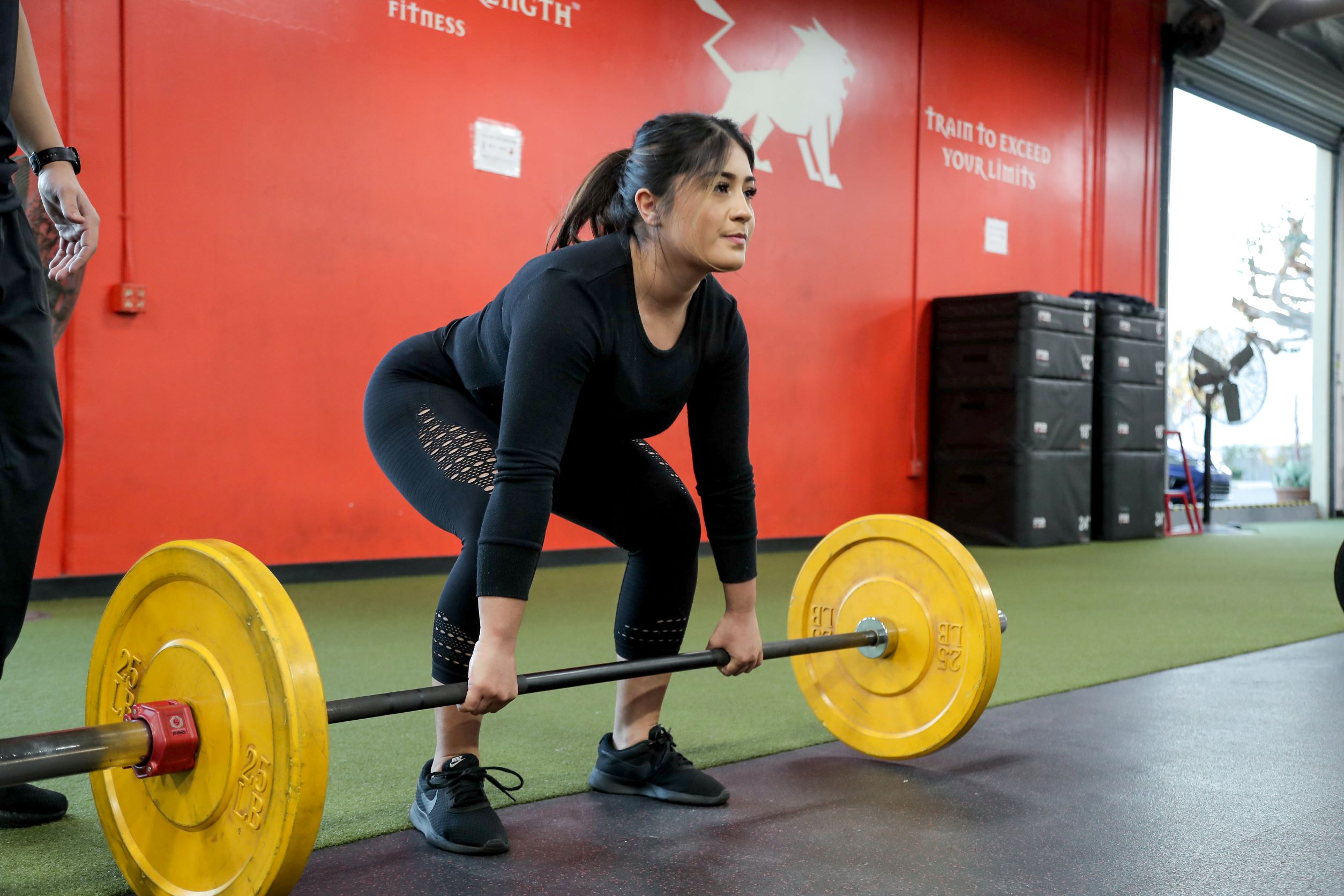
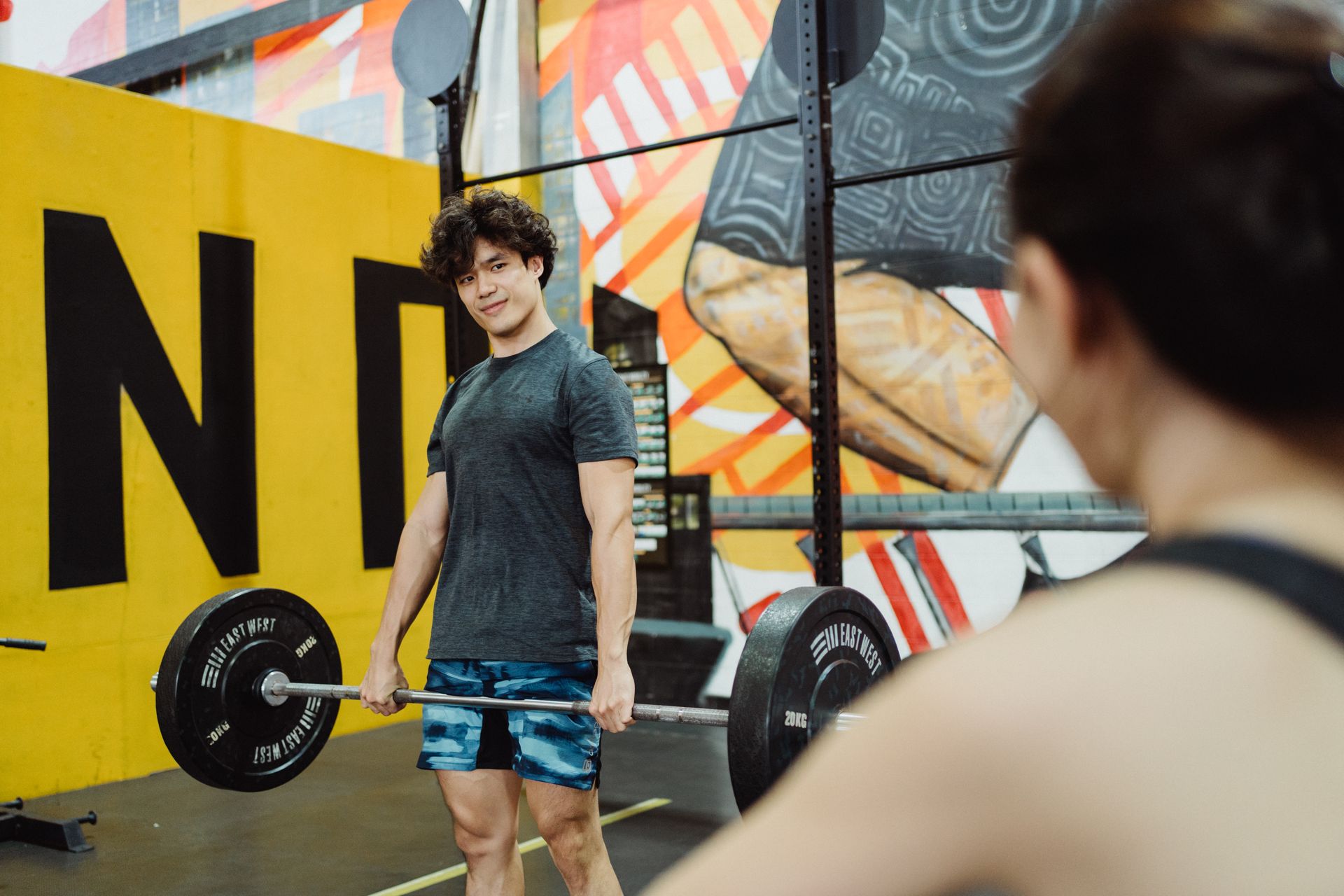
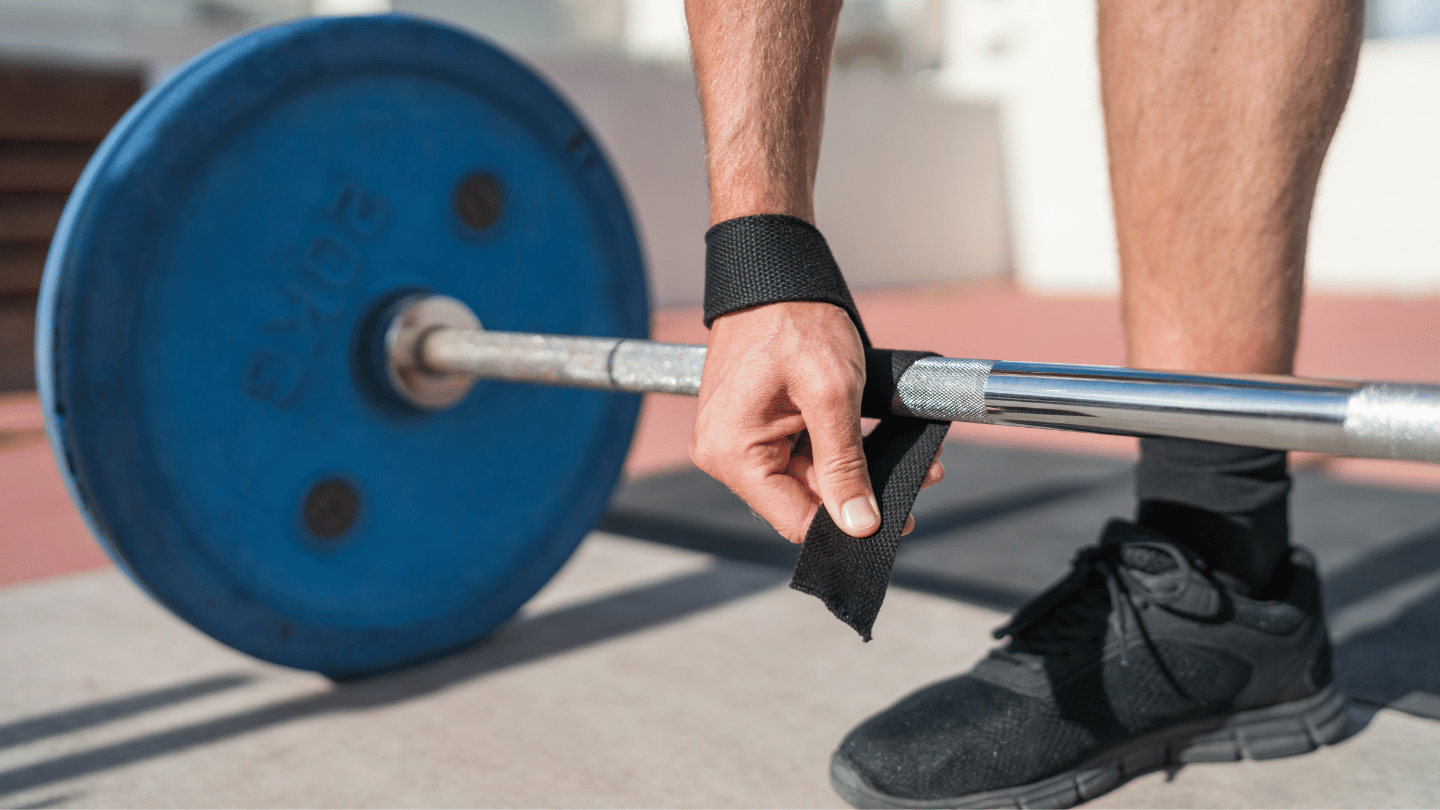
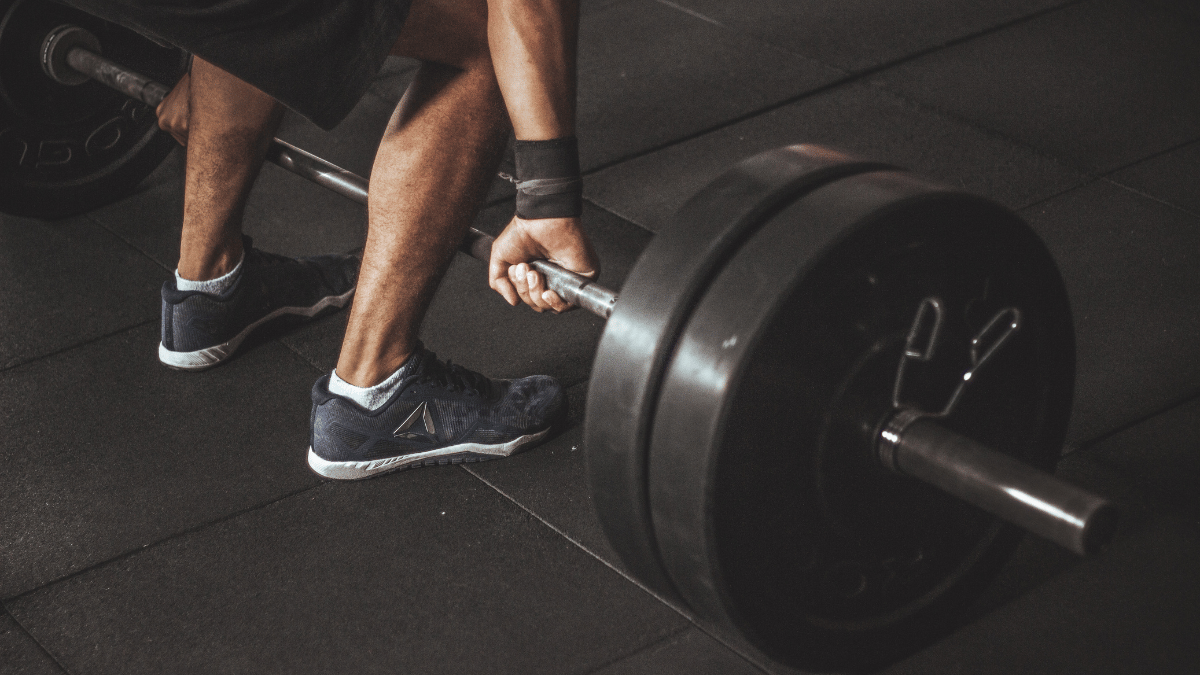
- Romanian deadlifts. You hold a weight and hinge forward at the hips with a slight bend in your knees, then stand back up. These strengthen your hamstrings and glutes, which push you forward on every stride. Here’s how RDLs compare to regular deadlifts.
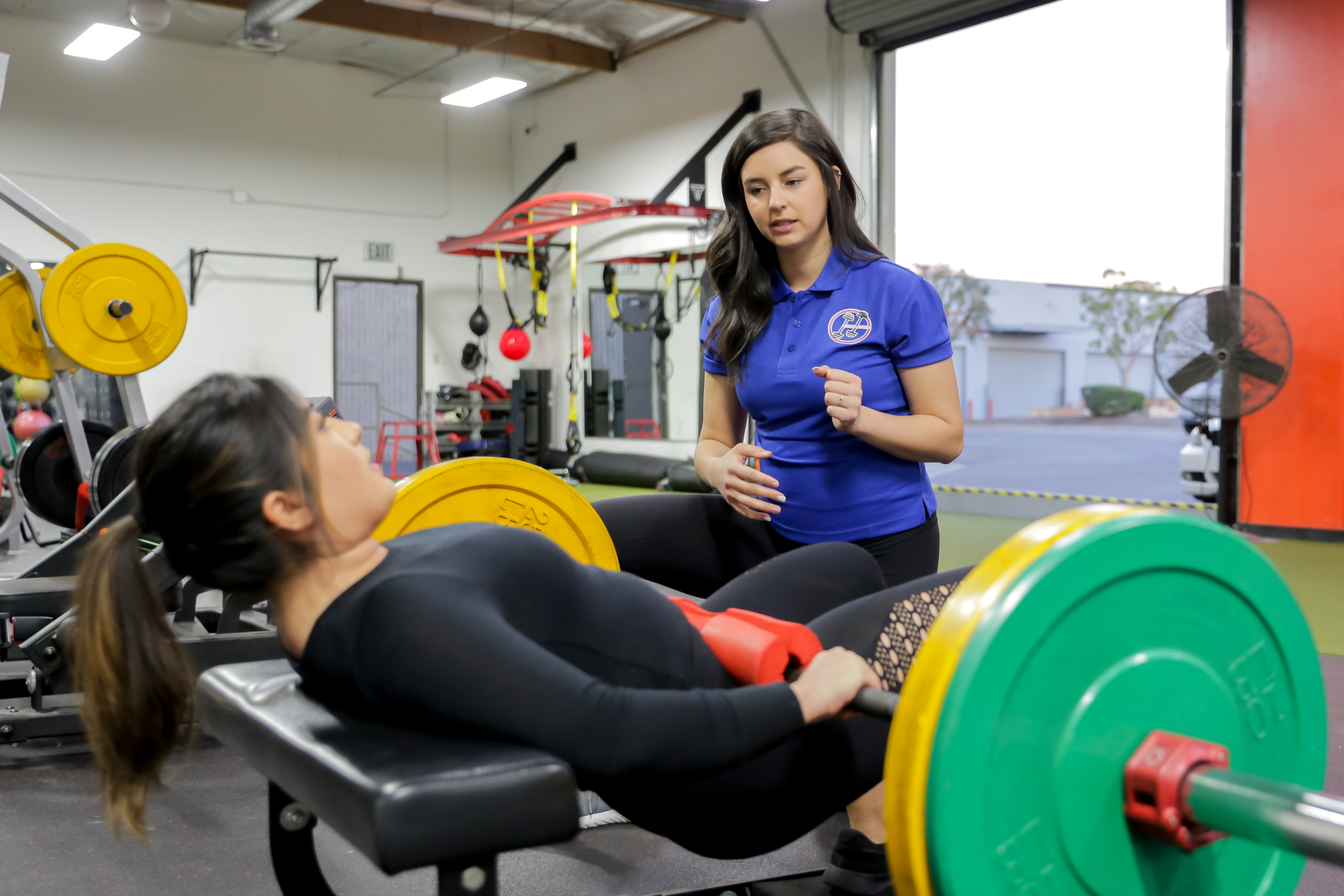
- Hip thrusts and glute bridges. Strong glutes keep your knees from caving in when you land. They're one of the best hip extension exercises for runners.
- Calf raises. Your calves absorb a huge amount of force with every step. Do them straight-legged and bent-knee to hit both calf muscles.
- Step-ups. Great for hills, and there are plenty of those if you train on Bommer Canyon or the trails around Quail Hill.
- Core work. Side planks and dead bugs keep your torso steady when you're tired late in a race. Our guide to building core strength from scratch is a good place to start.
- Plyometrics. Small, quick hops, like jumping in place or hopping onto a low box. These teach your legs to bounce off the ground faster, like a spring. Start small and keep the reps low.
How to Fit Lifting Into Your Race Training
The trick is lifting without leaving your legs too sore to run. Here's how to plan it:
- Lift 2 times a week. That's enough to build strength without eating into your running.
- Go heavier, with fewer reps. Pick a weight that’s hard to lift 4 to 8 times in a row with good form. That builds strength better than lifting something light 20 times. Not sure where to start? Here’s how much weight you should lift.
- Keep hard days hard and easy days easy. Lift on the same day as a speed workout, or the day after, so your easy days stay easy. Don't do heavy leg work the day before your long run.
- Pull back before race day. In the last week or two before your race, most runners cut back on miles so their legs can rest up. This is called tapering. Do the same with lifting: keep going, but use lighter weights and fewer sets so your legs feel fresh. It works a lot like a deload week, a planned easy week that lets your body catch up.
- Recover like it's part of training. Because it is! Sleep, protein, and smart muscle recovery are what turn hard work into progress.
When to Start Training for Surf City and the OC Marathon
If you're running Surf City in February, now is the time to start lifting. Even a few months of consistent strength work makes a real difference in how your legs feel late in the race.
If you're aiming for the OC Marathon in May, you've got a great window. Spend the winter building strength, then switch to lighter, faster lifts as your weekly miles go up in spring, so your legs stay fresh for running. Training on hills? Our guide to workouts for Orange County's trails pairs well with this plan.
Already dealing with aches? Don't push through it. Pain while training is often a strength or movement problem, not a running problem. We cover this in why your knees hurt when you squat and why your body hurts when you work out. And if pain is sharp, swelling, or getting worse, see a doctor or physical therapist.
How Hideout Fitness in Irvine Helps Runners
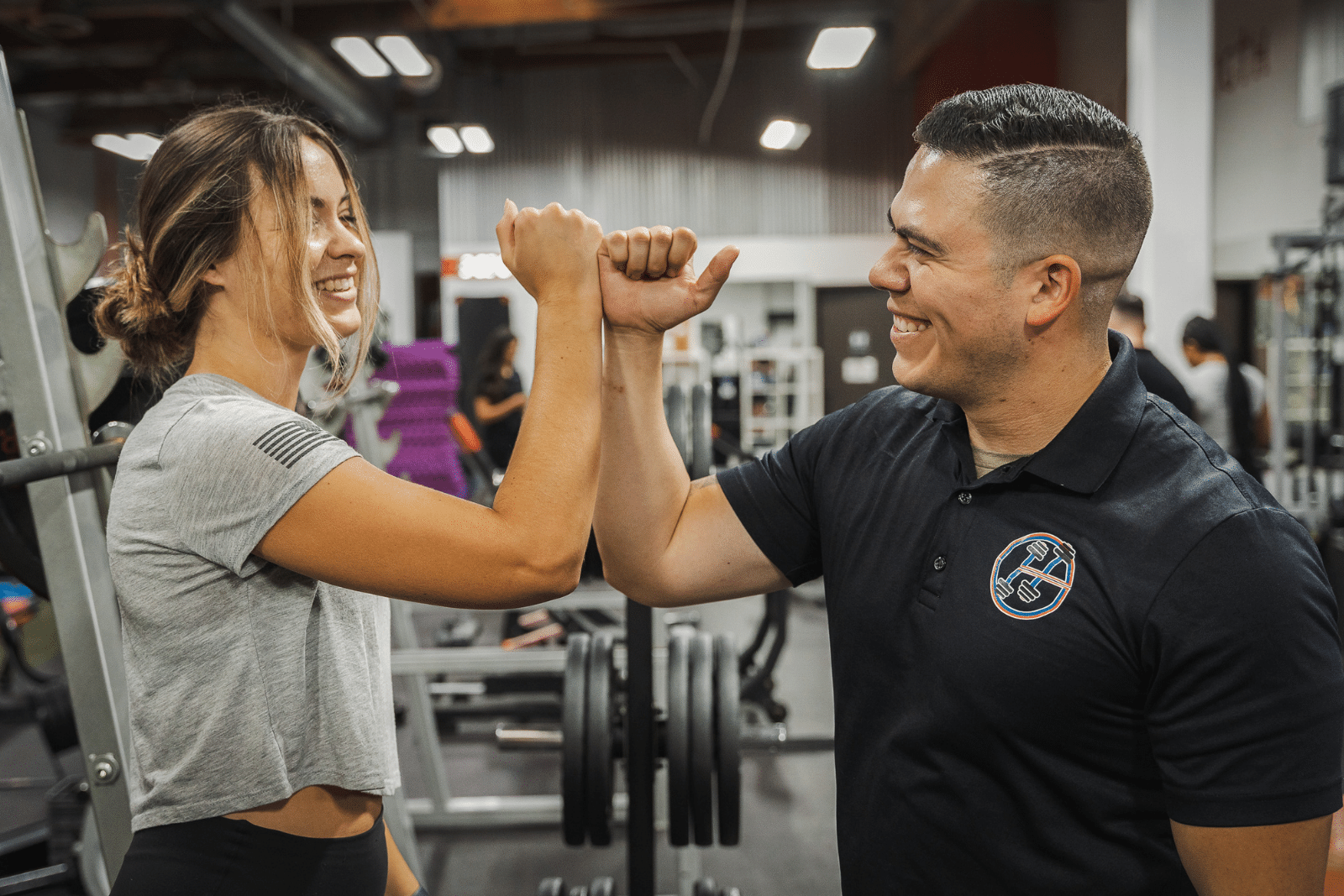
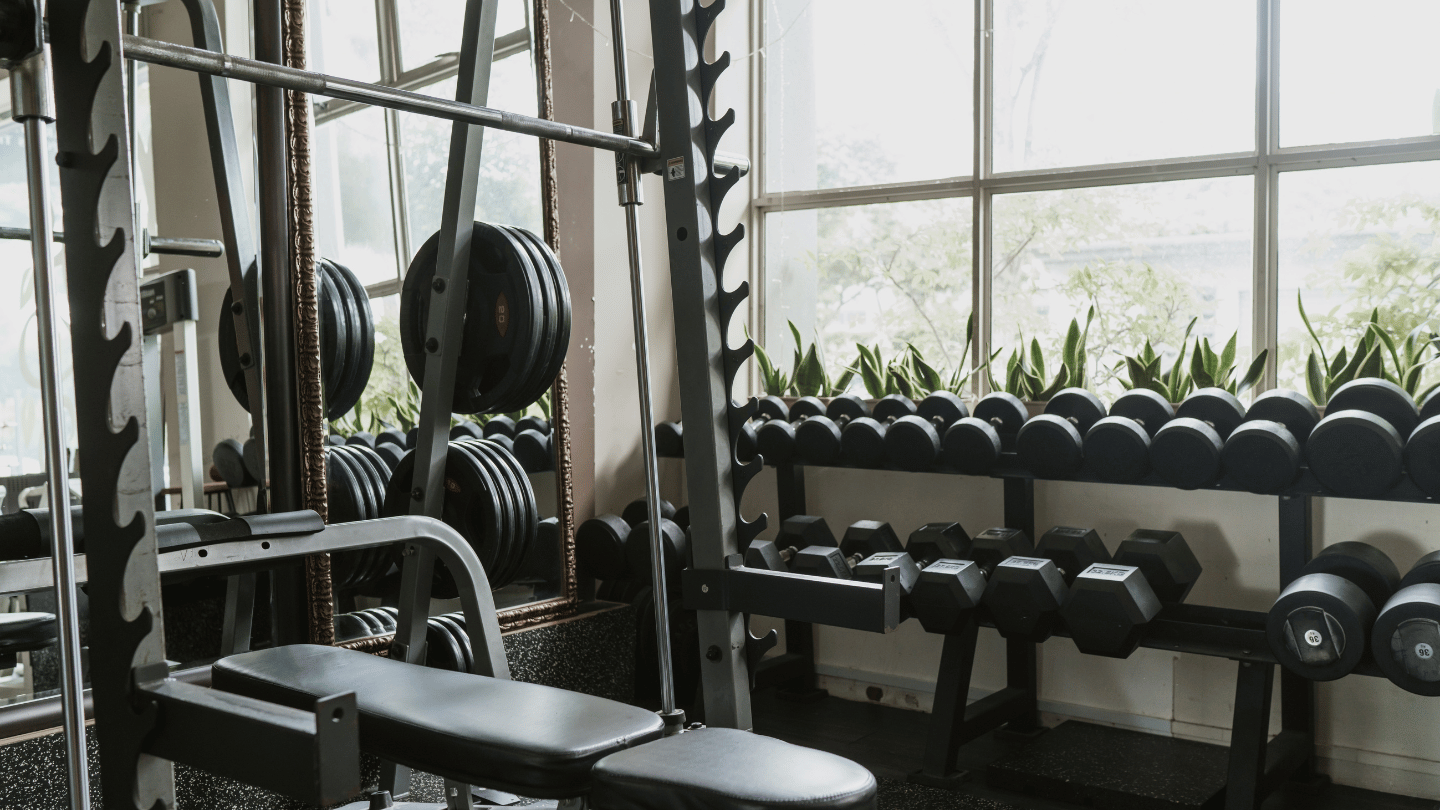
Our coaches build strength programs around your race calendar, not the other way around. We look at how you move, find the weak spots that lead to runner injuries, and build a plan that makes you stronger without leaving you too sore to log your miles. With corrective exercise as one of our specialties, we can also help you work around nagging aches before they turn into injuries that knock you out of your race. Whether you prefer private training, semi-private training with your running group, or online coaching, we'll help you get to the start line strong.
Serving Irvine and All of Orange County
Located at 16510 Aston St in the Irvine Business Complex, minutes from John Wayne Airport, UCI, and the Irvine Spectrum, we help runners and athletes train smarter across Orange County:
- Costa Mesa: about 8 minutes (4 miles)
- Newport Beach: about 12 minutes (7 miles)
- Tustin: about 10 minutes (5 miles)
- Santa Ana: about 12 minutes (6 miles)
- UCI / University Park: about 8 minutes (4 miles)
- Lake Forest: about 15 minutes (10 miles)
- Most of Irvine (Woodbridge, Quail Hill, Turtle Rock, Northwood, Westpark): under 10 minutes